Have you ever wondered how long Covid-19 can stick around on your clothes? Knowing this can help you protect yourself and your loved ones better.
Your clothes come into contact with many surfaces every day, and understanding the virus’s survival time on fabric can guide your cleaning habits. You’ll discover clear, easy-to-follow facts about how long Covid-19 survives on cloth and what you can do to stay safe.
Keep reading to learn simple steps that make a big difference in keeping your environment virus-free.
Credit: health.clevelandclinic.org
Survival Of Covid-19 On Fabrics
Covid-19 can survive on different fabrics for varying times. This depends on the type of cloth and environmental conditions. Understanding how long the virus lasts on fabrics helps in taking proper safety steps.
Factors Affecting Covid-19 Survival On Fabrics
The virus lasts longer on some fabrics than others. Smooth, non-porous fabrics hold the virus longer. Rough, porous fabrics make the virus die faster. Temperature and humidity also affect survival time.
Survival Time On Common Fabric Types
| Fabric Type | Approximate Survival Time |
|---|---|
| Cotton | Up to 1 day |
| Polyester | Up to 2 days |
| Nylon | Up to 2 days |
| Silk | Less than 1 day |
How Cleaning Affects Virus Survival
Washing fabrics with soap and water removes the virus. Hot water helps kill the virus faster. Drying clothes completely also reduces virus survival. Avoid touching your face while handling dirty fabrics.
Factors Affecting Virus Longevity
The length of time Covid-19 survives on cloth depends on several key factors. Understanding these can help you manage risks better in everyday situations. Let’s look closely at what influences the virus’s longevity on different fabrics and how you can use this knowledge to protect yourself and others.
Fabric Type
Not all fabrics hold the virus the same way. Smooth, tightly woven materials like polyester tend to allow the virus to survive longer compared to loosely woven fabrics such as cotton. This is because the virus particles stick more easily to smooth surfaces and are less exposed to air.
Think about your favorite hoodie or the mask you wear daily—do you know what fabric it’s made from? Choosing breathable, natural fibers can reduce how long the virus stays active.
Temperature Variations
Temperature plays a huge role in virus survival. Covid-19 tends to last longer on cloth in cooler environments. Higher temperatures cause the virus to break down faster, making warm weather or heated indoor spaces less hospitable for it.
Have you noticed how your clothes feel fresher after drying in the sun? That’s partly because heat and sunlight help reduce viral particles. This simple fact can change how you handle laundry during an outbreak.
Humidity Levels
Humidity affects virus longevity in surprising ways. Low humidity can allow the virus to survive longer on surfaces, including cloth. On the other hand, very high humidity may shorten its lifespan by causing the viral particles to degrade.
Indoor environments with controlled humidity might unintentionally help the virus last longer. Monitoring your home’s humidity levels could be a small step with big benefits in reducing virus survival on fabrics you frequently touch.
Scientific Research And Findings
Scientific research has explored how long Covid-19 can survive on cloth surfaces. Studies focus on virus stability and the risk of transmission through fabrics. Understanding these findings helps people take better precautions with clothes and textiles.
Key Studies Conducted
Researchers tested the virus on different cloth types, including cotton and polyester. They placed droplets of the virus on fabric and checked how long it stayed active. Results showed that the virus could survive from a few hours up to two days depending on conditions.
One study found the virus lasted about 1 to 2 days on cotton. Another showed it could survive less than 24 hours on polyester. Factors like temperature and humidity influenced virus survival times.
Variation In Results
Survival times varied widely across studies. Some showed rapid virus decay, while others found the virus remained longer. Differences in fabric weave, thickness, and moisture affected outcomes. Experimental methods also differed, causing varied results.
The virus tends to live shorter on porous materials like cloth compared to hard surfaces. Dry conditions reduce virus survival. Warm temperatures speed up virus breakdown. These variables explain why survival times are not the same in all studies.

Credit: www.catholicyyc.ca
Comparison With Other Surfaces
Understanding how long Covid-19 survives on different surfaces can help you make smarter choices about cleaning and safety. Cloth behaves differently compared to other materials, which affects how you handle your belongings. Let’s look closely at how the virus’s lifespan on cloth stacks up against other common surfaces.
Hard Surfaces
Hard surfaces like plastic, stainless steel, and glass allow the virus to survive longer—sometimes up to 3 days or more. These surfaces don’t absorb moisture, so viral particles can remain active and easily picked up by touch.
Think about your phone screen or kitchen counter. If you touch these surfaces often, the risk of transmission can increase unless you clean them regularly. Have you noticed how disinfecting your phone feels like a daily habit now? That’s because of this longer virus survival time.
Soft Surfaces
Soft surfaces such as cloth, upholstery, and paper absorb moisture, which reduces the virus’s ability to stay active. Studies show Covid-19 typically survives on cloth for just a few hours, much less than on hard surfaces.
This means your clothes or fabric-covered furniture are less likely to hold the virus for long periods. However, don’t skip washing your clothes after being in public places. Would you rather risk a quick wash or worry about prolonged contamination?
Practical Implications For Clothing
Understanding how long Covid-19 can survive on cloth helps you make smarter choices about your daily wear and laundry habits. Your clothes can carry the virus longer than you expect, especially if you spend a lot of time in public spaces or around others. Knowing practical steps can protect you and those around you without making your routine complicated.
Washing And Sanitizing
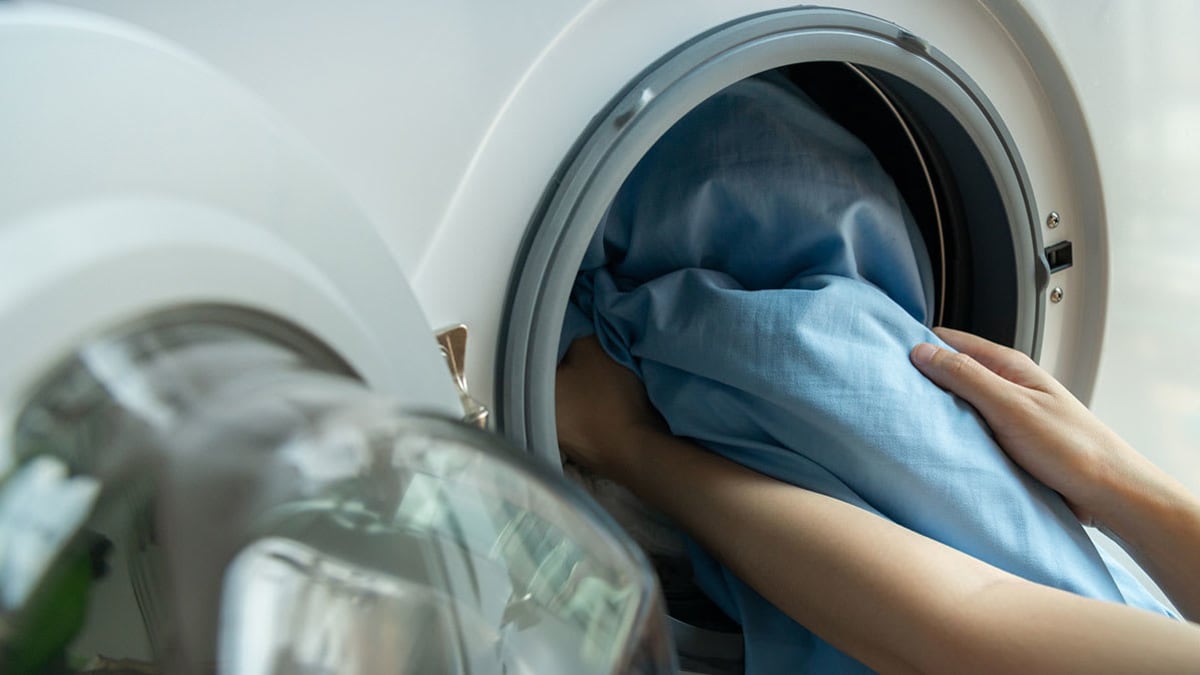
Washing your clothes properly is key to killing the virus on fabric. Use the warmest water that’s safe for the fabric and your regular detergent. Adding a disinfectant like bleach can boost effectiveness, especially for white or color-safe items.
Drying clothes thoroughly also matters. The heat from a dryer can help destroy the virus, so avoid air drying when possible. Have you checked if your washing routine includes these steps to reduce risk?
Safe Handling Practices
Handling clothes worn outside requires caution. Avoid shaking dirty laundry to stop virus particles from becoming airborne. Instead, place clothes directly in the washing machine.
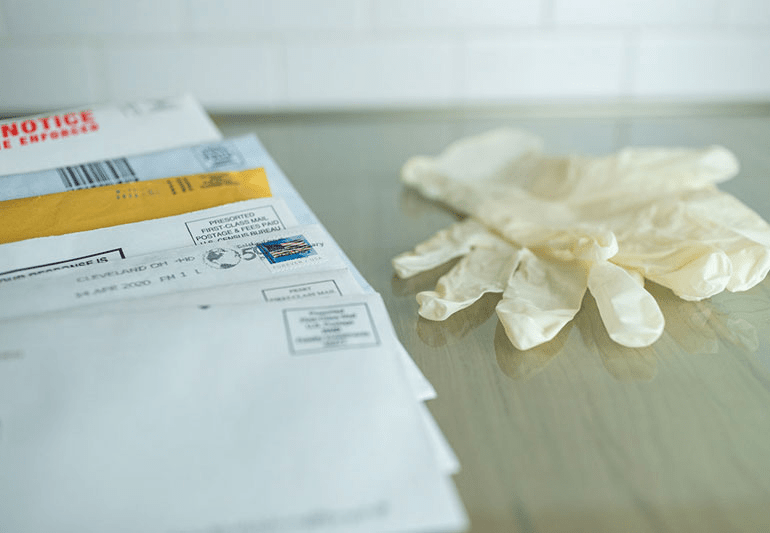
Wear gloves if you’re caring for someone sick or handling potentially contaminated fabrics. Always wash your hands immediately after touching dirty clothes. This simple habit lowers your chance of infection more than you might expect.
Expert Recommendations
Experts offer clear advice on how to handle cloth materials during the Covid-19 pandemic. Understanding their recommendations helps reduce the risk of virus spread. Cloth can hold the virus for hours to days, depending on conditions. Following expert advice ensures safer practices at home and in public.
Health Guidelines
Health authorities suggest washing cloth items frequently. Use hot water and regular detergent to clean fabrics. Dry clothes completely using a high heat setting. Avoid touching your face after handling dirty cloth. If possible, wear gloves while handling contaminated fabrics. Hand washing with soap after handling cloth is essential. Disinfect surfaces that come in contact with cloth items.
Public Safety Measures
Experts recommend wearing masks made of multiple cloth layers. Masks should fit snugly to cover nose and mouth fully. Replace cloth masks if they become damp or dirty. Avoid sharing cloth items like towels or scarves. Use separate laundry bags for contaminated cloth to avoid spread. Dispose of single-use cloth items properly after use. Follow local health rules on mask use in public places.
Future Research Directions
Understanding how long Covid-19 survives on cloth is still evolving. Future research will provide clearer answers. Scientists aim to explore new areas to improve safety and hygiene. These studies will help reduce infection risks from fabrics.
Long-term Studies
Long-term studies will observe virus survival over extended times. Researchers will test different fabric types under various conditions. This includes humidity, temperature, and sunlight exposure. Data from these studies will guide public health advice. It will also support better cleaning and handling methods for cloth.
Innovative Solutions
Scientists explore new ideas to reduce virus presence on cloth. One focus is fabric treatments that kill viruses quickly. These may include coatings or embedded antiviral agents. Another area is developing washable materials that resist contamination. Innovation in textile design could also limit virus spread. Such advances aim to make everyday fabrics safer for all.
Credit: www.consumerreports.org
Frequently Asked Questions
How Long Does Covid-19 Survive On Cloth Surfaces?
Covid-19 can survive on cloth for up to 1-2 days. The exact time depends on fabric type and environmental conditions like humidity and temperature.
Does Washing Cloth Remove Covid-19 Effectively?
Yes, washing cloth with detergent and warm water kills Covid-19. Proper washing removes and deactivates the virus on fabric surfaces.
Can Covid-19 Spread Through Contaminated Cloth?
While possible, Covid-19 transmission via cloth is low risk. The virus mainly spreads through respiratory droplets and close contact.
How To Disinfect Cloth To Prevent Covid-19?
Disinfect cloth by washing in hot water with detergent. Using a dryer on high heat also helps kill any remaining virus.
Conclusion
Covid-19 can stay on cloth for a few hours to days. The exact time depends on fabric type and conditions. Washing clothes regularly helps remove the virus safely. Drying clothes in sunlight also reduces germs quickly. Always handle used cloth carefully to stay safe.
Keeping good hygiene lowers the chance of spreading Covid-19. Clean hands and clean clothes matter most. Stay aware and protect yourself and others around you. Simple steps can make a big difference in safety.


