Have you ever wondered if the coronavirus can stick to your clothes and keep you at risk? You might touch your jacket or your favorite shirt and ask yourself, “Is it safe?” Knowing the truth about how long the virus can survive on clothing helps you protect yourself and your loved ones better.
Keep reading to discover simple facts that could change how you handle your laundry and daily outfit choices. This knowledge could make a real difference in staying safe every day.
Credit: www.goodrx.com
Virus Survival On Fabrics
Understanding how long the coronavirus can survive on fabrics helps reduce infection risk. Different materials affect virus lifespan differently. This section explores how the virus behaves on various clothing types and fabric surfaces.
Virus Lifespan On Different Fabric Types
Studies show the virus lasts shorter on porous fabrics like cotton. The virus struggles to stay active on absorbent materials. Synthetic fabrics, such as polyester, may allow the virus to survive longer. The texture and weave influence how the virus clings to fabric.
Factors Affecting Virus Survival On Clothing
- Humidity levels play a key role in virus survival.
- Higher temperatures reduce virus lifespan on fabrics.
- Sunlight and UV exposure help deactivate the virus quickly.
- Fabric thickness and moisture retention also impact survival.
Practical Tips To Reduce Virus Risk On Clothes
- Wash clothes regularly with hot water and detergent.
- Dry clothing completely using high heat settings.
- Avoid touching your face when handling worn clothes.
- Store worn clothes separately before washing.

Credit: www.goodrx.com
Factors Influencing Virus Longevity
Understanding how long the coronavirus can survive on clothing depends on several key factors. These influence whether the virus remains active or fades away quickly. Knowing these details helps you make smarter choices about handling and washing your clothes after exposure.
Type Of Fabric
Different fabrics affect virus survival in unique ways. Smooth, non-porous materials like polyester may allow the virus to stay active longer compared to porous fabrics like cotton. The tiny gaps in cotton absorb moisture, which can speed up the virus’s breakdown.
Think about your workout clothes or masks—are they made of synthetic fibers or natural ones? This matters because synthetic fibers can sometimes hold onto viruses for days, while natural fibers tend to reduce their lifespan.
Environmental Conditions
The environment around your clothing plays a huge role in virus longevity. Heat, sunlight, and humidity all affect how long the coronavirus can survive. For example, higher temperatures and direct sunlight can quickly inactivate the virus.
Humidity is tricky—it can either help the virus survive longer or cause it to dry out and die faster. Have you noticed how damp clothes feel different in summer versus winter? That difference can change the risk too.
Scientific Studies And Findings
Understanding how long coronavirus can survive on clothing helps you make safer choices in your daily routine. Scientific studies provide valuable insights into virus behavior on different fabric types and conditions.
Virus Survival Time On Different Fabrics
Research shows that the coronavirus can survive on fabrics from a few hours up to several days. For example, studies found the virus lasts longer on synthetic materials like polyester compared to natural fibers such as cotton.
This means your favorite polyester jacket might hold the virus longer than a cotton T-shirt. Knowing this, you can prioritize washing or handling synthetic clothes more carefully.
Impact Of Environmental Factors
Temperature and humidity play a big role in virus survival on clothing. Higher temperatures and sunlight exposure tend to reduce the virus’s lifespan.
One study found that the virus decayed faster when clothes were dried outdoors in sunlight. So, drying your clothes in the sun can be a simple way to reduce risk.
Effectiveness Of Washing And Disinfecting
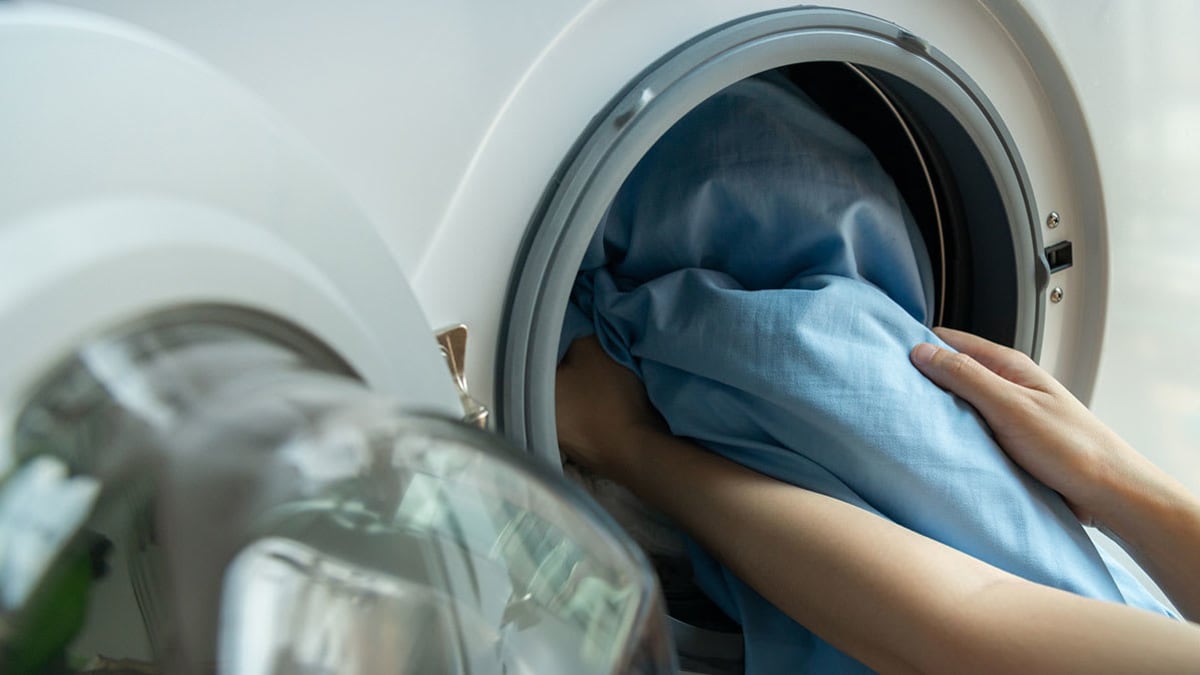
Washing clothes with regular detergent effectively removes or kills the coronavirus. Hot water settings and thorough drying further decrease any remaining virus.
Disinfectants designed for fabrics can also help, but overuse may damage your clothes. Sticking to normal washing routines usually keeps your clothes safe.
Real-world Implications For Everyday Life
Considering the evidence, how should you handle your clothes after being in public places? Removing outer layers immediately and washing them soon can minimize risk.
Remember, touching your face after handling potentially contaminated clothing is a key way viruses spread. Washing hands right after dealing with clothes is just as important as washing the clothes themselves.
Credit: www.consumerreports.org
Comparative Analysis With Other Surfaces
Understanding how long the coronavirus can survive on different surfaces helps you take smarter precautions in daily life. Clothing, being porous and flexible, behaves differently compared to hard, non-porous materials like plastic or metal. Comparing these surfaces sheds light on where the virus lingers longer and where it fades quickly.
Virus Survival On Clothing Vs. Hard Surfaces
The coronavirus tends to survive for a shorter time on clothing than on hard surfaces. Fabrics like cotton absorb moisture and trap virus particles, which speeds up their degradation. On the other hand, smooth surfaces such as stainless steel and plastic allow the virus to remain active for days.
| Surface Type | Average Virus Survival Time | Reason |
|---|---|---|
| Cotton Clothing | Up to 1 day | Porous fabric absorbs moisture, reducing virus viability |
| Plastic | Up to 3 days | Non-porous, retains moisture longer |
| Stainless Steel | Up to 3 days | Non-porous, allows virus persistence |
| Cardboard | Up to 1 day | Porous, virus dries out faster |
Impact Of Fabric Type On Virus Longevity
Not all fabrics are the same when it comes to virus survival. Synthetic fibers like polyester hold moisture differently than natural fibers like cotton or wool. This means the virus might last a little longer on some synthetic clothes.
Think about the last time you wore a polyester jacket versus a cotton shirt. The jacket might feel less breathable and retain moisture, possibly giving the virus a better chance to survive briefly. This detail matters when deciding what to wear during high-risk situations.
Practical Tips To Minimize Risk From Clothing
- Wash clothes regularly with hot water and detergent to kill virus particles.
- Handle laundry carefully—avoid shaking dirty clothes to reduce airborne particles.
- Choose breathable fabrics like cotton for everyday wear, especially if you are in crowded places.
- Change clothes immediately after returning home from public spaces.
Have you considered how your choice of clothing affects your risk? Small habits like these can make a noticeable difference in keeping you and your family safer.
Impact Of Washing And Drying
Understanding how washing and drying affect coronavirus on clothing helps reduce infection risks. Proper laundry routines can remove or kill the virus effectively.
Washing clothes removes dirt, oils, and germs from fabric surfaces. Drying further helps by exposing clothes to heat, which can inactivate viruses. Both steps are important for cleaning contaminated garments.
Effectiveness Of Different Detergents
Not all detergents work the same on viruses. Detergents with soap or surfactants break down the virus’s outer layer. This destroys the virus’s ability to infect.
Regular laundry detergents are usually enough to remove coronavirus from clothing. Some detergents have added disinfectants for extra protection. Avoid using detergents without cleaning agents as they may not remove the virus well.
- Use detergent with surfactants or soap
- Choose trusted brands for reliable cleaning
- Avoid skipping detergent or using only water
Role Of Water Temperature
Water temperature affects virus removal during washing. Hot water helps kill the virus faster than cold water. Warm or hot water loosens dirt and virus particles better.
Washing clothes at 60°C (140°F) or higher is best to inactivate coronavirus. Lower temperatures may still clean but take longer to kill viruses. Some fabrics need cold water to avoid damage, so use detergent carefully then.
| Water Temperature | Virus Removal Effectiveness |
|---|---|
| Hot (60°C / 140°F or above) | High – kills most viruses quickly |
| Warm (40-60°C / 104-140°F) | Moderate – effective with detergent |
| Cold (below 40°C / 104°F) | Lower – relies more on detergent action |
Safety Practices For Clothing
Keeping your clothes safe from the coronavirus means adopting smart habits every day. The virus can survive on fabrics for some time, so handling and cleaning your clothes properly plays a big role in reducing risk. You don’t need complicated routines—just simple, effective actions that fit easily into your daily life.
Handling And Storage
When you come home, treat your worn clothes carefully. Avoid shaking them to prevent spreading any virus particles into the air.
Keep dirty laundry in a separate, closed hamper or bag. This stops the virus from contaminating other surfaces in your home.
After removing your clothes, wash your hands thoroughly. Even if you don’t touch your face, good hand hygiene reduces the chance of infection.
Disinfection Methods
Washing clothes in warm water with regular detergent is effective. The soap breaks down the virus’s outer layer, making it inactive.
If you want extra safety, add a laundry sanitizer or use bleach carefully on white or color-safe fabrics. Always check the care labels before adding any disinfectants.
Drying clothes completely is crucial. The heat from the dryer or direct sunlight further helps kill any remaining virus particles.
Expert Opinions And Recommendations
Experts have studied how long the coronavirus can survive on clothing. Their opinions help us understand the risks and safety measures. These insights guide daily habits for everyone.
Virus Survival Time On Different Fabrics
Research shows the virus lasts shorter on porous fabrics like cotton. It can survive longer on synthetic materials. Experts say the virus becomes inactive within hours on most clothes.
How To Safely Handle Potentially Contaminated Clothing
- Wash clothes with regular detergent in warm water.
- Use a dryer on high heat to kill germs.
- Avoid shaking dirty clothes to reduce virus spread.
- Wash hands immediately after handling worn clothes.
Recommendations For Daily Clothing Use
Experts suggest changing clothes after being in crowded places. Wearing clean clothes reduces virus spread risk. It is best to avoid sharing clothes with others.
Impact Of Fabric Type On Virus Transmission
Natural fibers like cotton absorb moisture and reduce virus survival. Synthetic fibers hold moisture longer, allowing virus to survive a bit more. Choosing breathable fabrics can help lower risks.
Frequently Asked Questions
Can Coronavirus Survive Long On Clothing Surfaces?
Coronavirus can survive on clothing for a few hours to days, depending on fabric type and environment. Porous fabrics usually reduce virus survival time. Washing clothes with detergent effectively removes and kills the virus, minimizing transmission risk from contaminated clothing.
How Can I Safely Disinfect Clothes From Coronavirus?
Wash clothes in warm water with detergent to kill coronavirus. Use the highest water temperature safe for the fabric. Dry clothes completely on high heat, as heat further reduces virus viability. Avoid shaking dirty clothes to prevent virus spread through the air.
Is It Safe To Wear Used Clothes During The Pandemic?
Wearing used clothes is generally safe if they are washed properly. Virus particles on fabric fade quickly and washing removes them. Always wash secondhand clothes before wearing, and avoid touching your face until hands are cleaned.
Does Fabric Type Affect Coronavirus Survival Time?
Yes, fabric type impacts virus survival. Smooth, non-porous fabrics like polyester may hold the virus longer. Natural, porous fabrics like cotton reduce virus lifespan. Proper washing neutralizes the virus on all fabric types effectively.
Conclusion
The coronavirus can stay on clothes for a short time. Washing clothes with soap helps remove the virus. Drying clothes completely also lowers risk. Avoid touching your face after handling worn clothes. Clean hands often with soap or sanitizer. These small steps keep you safer every day.
Staying careful matters, even with clothing. Simple habits protect you and others around. Keep your clothes clean and stay healthy.


