Have you ever wondered if your favorite herbs can survive the chill of cold weather? If you’re worried about your garden when the temperature drops, you’re not alone.
Knowing which herbs can handle frost and how to protect them can save you time, money, and frustration. You’ll discover simple tips and surprising facts that will help your herbs thrive, even when the cold sets in. Keep reading to make sure your garden stays green all year round.
Herbs Resilient To Cold
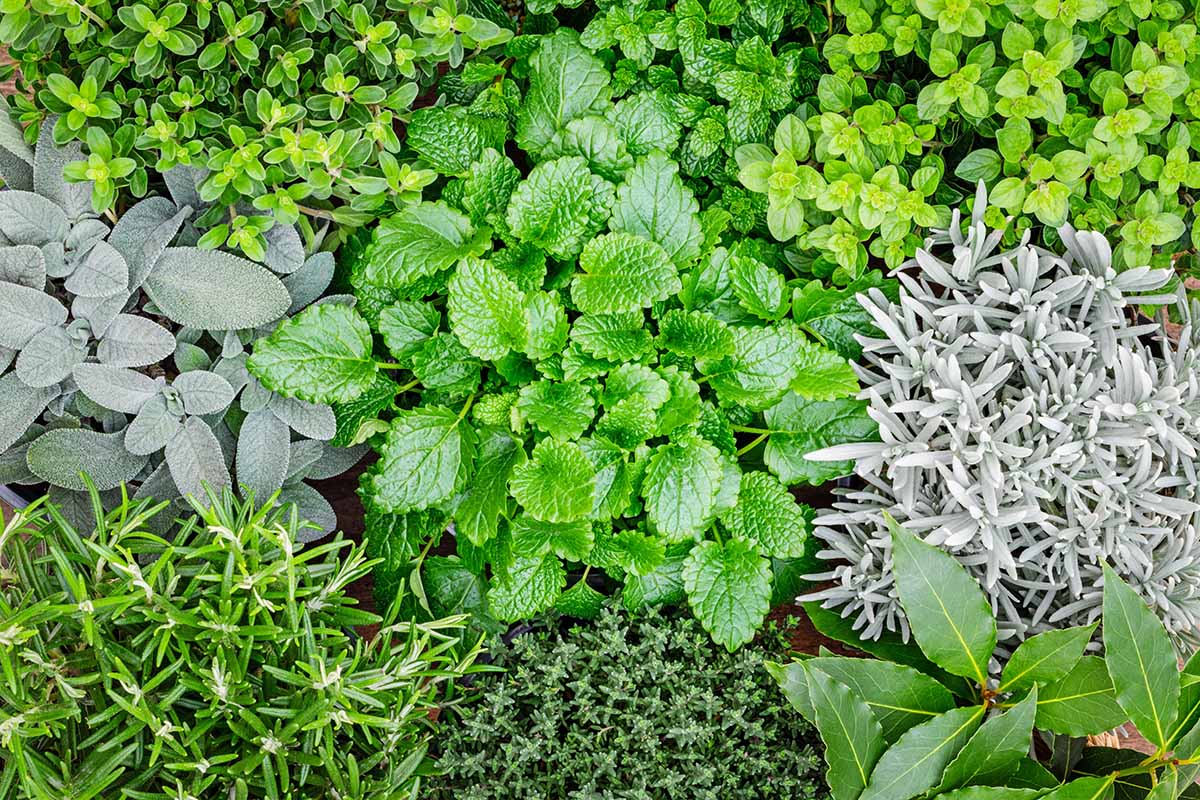
Herbs can survive cold weather if they are naturally strong against frost. Some herbs grow well even in chilly temperatures. These hardy plants keep growing through winter or bounce back quickly after frost.
Choosing the right herbs helps gardeners enjoy fresh flavors year-round. These resilient herbs add beauty and utility to cold gardens.
Hardy Varieties
Hardy herbs resist freezing and cold winds. They often have tough leaves and deep roots. These herbs can stay alive outdoors in winter.
- Thyme – Small leaves protect it from frost damage.
- Sage – Waxy leaves help retain moisture in cold air.
- Rosemary – Can handle light freezes if sheltered.
- Mint – Spreads underground to survive cold spells.
These herbs need little extra care in winter. Mulching can protect roots further.
Cold-tolerant Species
Cold-tolerant herbs can survive in very low temperatures. They often go dormant and return in spring.
- Chives – Their bulbs survive freezing ground.
- Parsley – Grows slowly but resists frost.
- Cilantro – Can handle light frost before bolting.
- Lovage – Strong roots survive harsh winters.
Plant these species in well-drained soil. They thrive with some winter sun.
Preparing Herbs For Winter
Preparing herbs for winter helps them survive cold temperatures. Protecting herbs keeps them healthy and ready for spring. Simple steps can shield plants from frost and freezing weather.
Mulching Techniques
Mulching is a great way to protect herb roots. Use organic materials like straw, leaves, or wood chips. Spread a 2-3 inch layer around the base of the plants. Mulch keeps soil temperature steady and moisture in.
Mulch also stops the ground from freezing deeply. Avoid piling mulch against the stem to prevent rot. Check mulch regularly and add more if needed.
Insulating Containers
Herbs in pots need extra care in winter. Cold air hits containers easily, causing root damage. Wrap pots with bubble wrap, burlap, or old blankets.
Place containers close together or inside a sheltered spot. Use trays under pots to stop water from freezing. Elevate pots off cold surfaces to improve drainage. These steps keep roots warmer and safe through winter.
Indoor Herb Cultivation
Growing herbs indoors is a smart way to keep them alive during cold weather. It protects plants from frost and low temperatures. Indoor herb cultivation also offers control over light, temperature, and humidity. This control helps herbs stay healthy and grow faster.
Indoor herbs can thrive with the right care. They add fresh flavors to meals and brighten home spaces. Understanding the best conditions and locations indoors is key to success.
Optimal Indoor Conditions
Herbs need plenty of sunlight. Aim for 6 to 8 hours of light daily. South-facing windows are usually best. If natural light is weak, use grow lights to help herbs grow.
Temperature matters too. Keep indoor temperatures between 65°F and 75°F (18°C to 24°C). Avoid cold drafts or heat from radiators. Herbs prefer steady warmth without sudden changes.
Humidity should be moderate. Dry air can harm herbs. Use a humidifier or place a tray of water nearby. This keeps the air moist and plants happy.
Choosing The Right Location
Pick a spot with good light and air flow. Kitchen windowsills often work well. Avoid spots near heaters or air conditioners.
Make sure the area is easy to access. Regular watering and trimming are easier in a reachable place. Herbs need care every day or two.
Use pots with drainage holes. This prevents water from pooling and causing root rot. Choose containers that fit the space and style of your home.

Credit: savvygardening.com
Protective Coverings For Outdoor Herbs
Protecting your outdoor herbs during cold weather is essential to keep them alive and thriving. Using protective coverings creates a barrier against frost, wind, and freezing temperatures. These coverings help maintain a warmer microclimate around your plants, giving them a better chance to survive harsh conditions.
Using Cloches
Cloches are like mini greenhouses that trap heat and moisture around your herbs. You can use glass jars, plastic bottles, or specially made cloches to cover individual plants. They let sunlight in while protecting the herbs from cold air and frost.
I once placed glass cloches over my basil plants during an unexpected cold snap. The plants stayed green and healthy, unlike the uncovered ones that wilted overnight. Cloches are easy to set up and move, making them perfect for small herb gardens.
Frost Blankets
Frost blankets are lightweight fabrics designed to cover your herbs and shield them from freezing temperatures. They allow air and light to reach the plants while providing insulation against cold winds. You can drape them directly over plants or support them with stakes to prevent crushing.
Using a frost blanket saved my thyme patch during a late-season frost. The fabric kept the temperature just high enough to avoid damage. If you want to protect multiple plants at once, frost blankets offer an efficient and reusable solution.
Watering And Feeding In Cold Weather
Watering and feeding herbs during cold weather require special care. Cold temperatures slow down plant growth. Herbs need less water and nutrients but still require attention to stay healthy. Proper watering and feeding help herbs survive the chill.
Adjusting Watering Schedule
Herbs need less water in cold weather. Soil stays moist longer due to lower evaporation. Overwatering can cause root rot and other problems. Check soil moisture before watering. Water only when the top inch feels dry.
Use lukewarm water to avoid shocking the roots. Water early in the day to let plants dry before night. Avoid watering in the late afternoon or evening to prevent frost damage.
Winter Fertilization
Herbs grow slowly in cold weather and need fewer nutrients. Use a balanced, slow-release fertilizer to avoid overfeeding. Fertilize once or twice during the winter season.
Too much fertilizer can weaken plants and make them sensitive to cold. Apply fertilizer sparingly, focusing on hardy herbs that tolerate winter better. Avoid feeding tender herbs until spring returns.

Credit: www.epicgardening.com
Monitoring Herb Health
Keeping an eye on your herbs during cold weather is essential to ensure they stay healthy and thrive. Cold conditions can put a lot of stress on plants, making them vulnerable to damage and disease. Regular monitoring helps you catch problems early and take action before your herbs suffer permanent harm.
Identifying Cold Stress
Cold stress shows up in several ways on your herbs. Look for leaves that turn yellow or brown, especially at the edges. Wilting or drooping leaves can also signal your plants are struggling with low temperatures.
Sometimes, the damage is subtle, like slower growth or a duller leaf color. If you notice these signs, try moving your herbs to a warmer spot or covering them with frost cloth during cold nights. Have you checked your plants’ stems? Soft or mushy stems often mean freezing damage, which needs immediate attention.
Pest Management In Winter
Winter doesn’t mean pests disappear; some just hide better. Aphids, spider mites, and scale insects often sneak onto herbs during colder months, especially indoors.
Keep an eye under leaves and on stems for tiny bugs or sticky residue. If you spot pests, wipe leaves gently with soapy water or use neem oil to keep infestations under control. How often do you inspect your plants for pests during the cold season? Regular checks can prevent a small problem from becoming a big one.
Reviving Herbs Post-winter
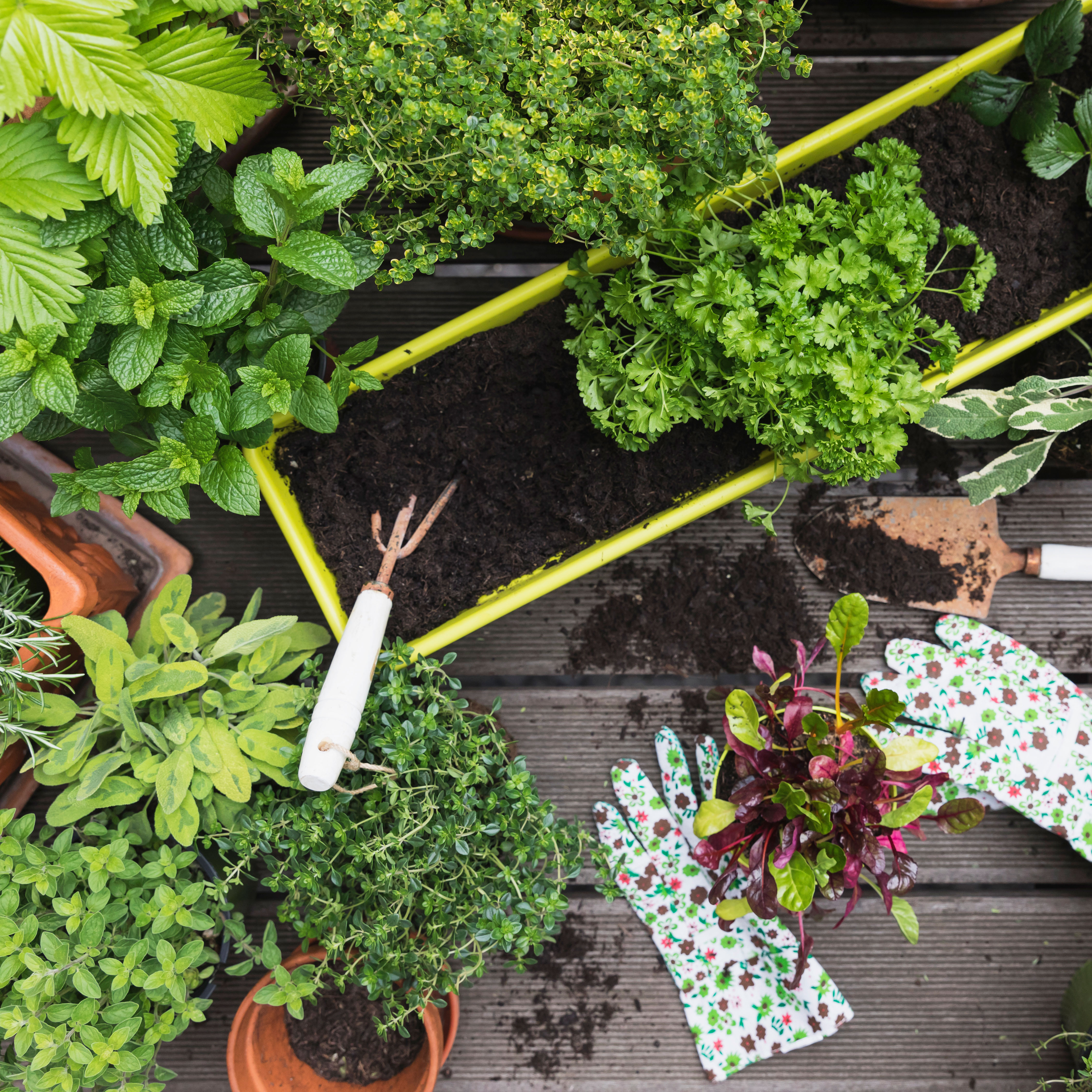
Winter can be tough on herbs. Cold weather slows their growth and may cause damage. As spring arrives, herbs need care to bounce back. Reviving herbs post-winter helps them grow strong and healthy again. Proper steps ensure a fresh start for your plants.
Pruning Techniques
Pruning helps remove dead or damaged parts of herbs. Cut back stems to encourage new growth. Use clean, sharp scissors or pruning shears. Trim close to the base but avoid cutting into old wood. Remove any brown or wilted leaves. This clears space for fresh shoots to develop.
Focus on shaping the plant to allow air and light. Avoid heavy pruning all at once. Light trimming over time works better for tender herbs. Watch for signs of life like green stems or small buds. These indicate the plant is ready for pruning.
Gradual Reintroduction Outdoors
Herbs need time to adjust after winter indoors or in sheltered spots. Move them outside gradually to avoid shock. Start by placing herbs in a shaded, protected area for a few hours. Increase outdoor time each day over one to two weeks.
Choose calm days without strong winds or frost. Monitor plants closely for signs of stress like wilting. Bring them back inside if the weather worsens. After full adjustment, herbs can stay outdoors all day. This slow change helps herbs thrive in their natural environment again.
Credit: www.gardeningknowhow.com
Frequently Asked Questions
Can Herbs Survive In Freezing Temperatures?
Yes, some hardy herbs like thyme and rosemary can survive freezing temperatures with proper care and mulching.
Which Herbs Grow Best In Cold Weather?
Parsley, chives, mint, and sage are cold-tolerant herbs that thrive in cooler climates.
How Can I Protect Herbs During Winter?
Use mulch, cover plants with frost cloth, and bring potted herbs indoors to protect them from frost.
Do Perennial Herbs Die In Cold Winters?
Perennial herbs may die back but often regrow in spring if roots survive the cold.
Conclusion
Herbs can live through cold weather with some care. Choose hardy types that handle frost well. Protect plants using mulch or covers at night. Water them before a freeze to keep roots strong. Growing herbs in pots helps move them indoors.
Watch your plants closely for signs of stress. Cold weather does not always mean the end for herbs. With simple steps, you can enjoy fresh herbs year-round. Gardening in cold climates is possible and rewarding. Try these tips to keep your herbs healthy this winter.


