
Have you ever wondered if peacocks can handle cold weather? These beautiful birds are known for their bright colors and graceful feathers, but what happens when the temperature drops?
If you’re curious about whether peacocks can survive chilly days and icy nights, you’re in the right place. Understanding how these creatures cope with cold can help you care for them better or simply satisfy your curiosity. Keep reading to discover the surprising truth about peacocks and cold weather.
Peacock Adaptations To Climate
Peacocks have developed several ways to handle different climates. Their survival in cold weather depends on natural traits and behaviors. Understanding these adaptations helps us see how they cope with temperature changes.
Natural Habitats
Peacocks mostly live in warm, tropical areas. They prefer forests and open woodlands. These places offer shelter and food throughout the year. During colder months, peacocks seek dense trees to stay warm. They avoid open fields where wind chills are stronger. Their habitat choice helps reduce exposure to cold weather.
Physical Characteristics
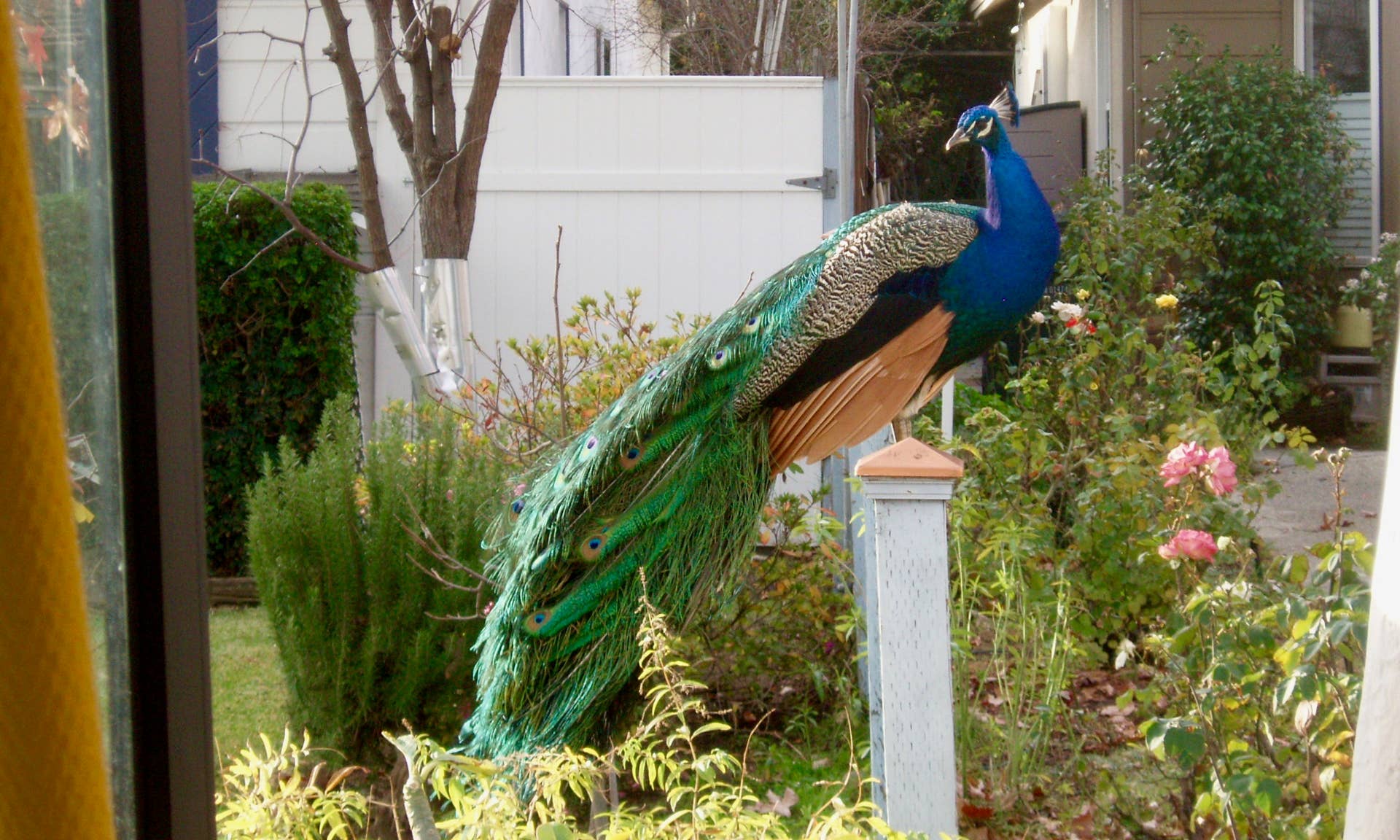
Peacocks have thick feathers that provide insulation. Their long tail feathers can cover the body at night. This layer traps heat close to their skin. The bird’s skin has a good blood supply, helping keep warmth. Strong legs and claws let them roost high in trees. This keeps them safe from cold ground and predators. Their bright colors do not affect warmth but aid in social signaling.
Credit: pethelpful.com
Impact Of Cold Weather On Peacocks
Peacocks are known for their vibrant plumage and graceful presence, but how do they handle cold weather? Understanding the impact of low temperatures on peacocks is important if you are caring for them or simply curious about their adaptability. Cold weather can affect their health, behavior, and overall survival in surprising ways.
Temperature Tolerance
Peacocks can tolerate cool weather better than extreme cold. Generally, they thrive in temperatures ranging from 50°F to 85°F (10°C to 29°C). When temperatures drop below freezing, their ability to maintain body heat decreases sharply.
During harsh winters, peacocks may suffer from frostbite on their feet and combs, which are sensitive to cold. Providing insulated shelters and dry bedding helps protect them from these risks. Have you ever noticed how your peacock’s feathers fluff up on chilly days? This is their natural way to trap warmth.
Behavioral Changes
Cold weather prompts noticeable changes in peacock behavior. They become less active and spend more time roosting to conserve energy. During freezing nights, they often huddle together, which helps reduce heat loss.
Feeding habits also shift; peacocks eat more to fuel their body heat. You might see them pecking more frequently or seeking out high-energy foods. If you keep peacocks, consider adding extra grains or protein during colder months to support their increased energy needs.
Strategies For Survival
Peacocks face challenges during cold weather but use smart strategies to survive. These strategies help them stay warm and find safe places. Understanding these methods reveals how peacocks cope with winter’s harshness.
Migration Patterns
Peacocks usually do not migrate long distances. They prefer to stay near their home area. Instead of moving far, they shift to warmer spots close by. This short relocation helps them avoid the coldest zones. Staying near food and shelter is important during this time.
Shelter Seeking
Peacocks look for safe and warm shelters to protect themselves. They hide in thick bushes or tall trees. These places block cold winds and keep them dry. At night, they roost high to stay safe from predators. Shelter helps maintain their body heat in low temperatures.
Human Assistance In Cold Climates
Peacocks are tropical birds and do not naturally handle cold weather well. Human help can make a big difference in cold climates. Caretakers can create safer, warmer spaces for these birds. Small changes can improve peacocks’ health and comfort during winter. People who keep peacocks must understand their needs in cold weather. Providing warmth and proper food helps peacocks survive low temperatures.
Providing Artificial Warmth
Peacocks need extra warmth in cold weather. Using heat lamps or heated shelters keeps them warm. Shelters should block wind and rain effectively. Soft bedding like straw offers comfort and insulation. Place shelters where sunlight reaches during the day. Avoid sudden temperature changes that stress the birds. Regularly check heat sources to prevent accidents.
Dietary Adjustments
Cold weather increases peacocks’ energy needs. Feeding high-energy foods helps maintain their body heat. Add grains like corn and oats to their diet. Fresh fruits and vegetables provide essential vitamins. Offer warm water since cold water can chill them. Feed smaller amounts more often to aid digestion. Monitor their eating habits to catch health issues early.
Case Studies Of Peacocks In Cold Regions
Peacocks are native to warm climates, but some have been kept in colder regions. Studying these cases helps us understand their ability to survive cold weather. Observing peacocks in such environments reveals both successes and challenges they face. These examples provide insight into their adaptability and care needs.
Success Stories
Several farms and private owners report peacocks thriving in cold areas. They often provide heated shelters and extra food during winter months. Some peacocks grow thicker feathers, helping them stay warm. In places with mild winters, peacocks can even roam outside most days. Careful management and protection from wind help many survive harsh conditions.
- Heated coops prevent frostbite and illness.
- Extra high-calorie feed supports energy needs in winter.
- Thicker plumage grows naturally for insulation.
- Windbreaks reduce chilling effects.
- Regular health checks catch cold-related problems early.
Challenges Faced
Cold weather poses risks for peacocks, especially below freezing. Frostbite on combs and feet is common without shelter. Wet and icy conditions increase the chance of respiratory illness. Food scarcity in winter lowers their energy and strength. Some peacocks also suffer from stress due to lack of sunlight. Owners must be vigilant to prevent these problems.
| Challenge | Effect | Solution |
|---|---|---|
| Frostbite | Damage to exposed skin parts | Provide warm, dry shelter |
| Respiratory illness | Breathing problems | Keep coop well-ventilated but draft-free |
| Low energy | Weakened immune system | Feed high-calorie diet |
| Stress | Reduced health and growth | Maximize natural light exposure |

Credit: birdsjungle.com
Myths And Facts About Peacocks In Winter
Peacocks often face winter myths that confuse many. Some say these birds cannot live in cold weather. Others believe they need special care to survive the chill. Understanding what is true and what is false helps keep peacocks safe and happy during winter months.
Common Misconceptions
- Peacocks freeze easily and cannot tolerate cold temperatures.
- They must be kept indoors during winter to survive.
- Peacocks lose their feathers in winter and become weak.
- Cold weather causes peacocks to fall sick quickly.
These ideas often come from seeing peacocks in warm climates. People assume cold harms them just like it does some tropical animals. The truth is different and depends on the bird’s natural adaptations.
Scientific Evidence
Peacocks come from regions with varied climates. Many live in areas where winters are cold but not extreme. Their feathers provide good insulation against cold air. These feathers trap heat close to their bodies.
Studies show peacocks can tolerate temperatures close to freezing. They fluff up their feathers to keep warm. Peacocks also find shelter in trees or bushes to avoid wind and snow.
| Winter Fact | Peacock Behavior |
|---|---|
| Temperature drops to near freezing | Fluff feathers, seek shelter |
| Snow or frost present | Limit outdoor activity, find warm spots |
| Cold nights | Roost in protected areas |
Peacocks do not need to be indoors if they have proper shelter. They stay healthy in cold weather with enough food and dry places to rest. Knowing these facts helps peacock owners provide good winter care.
Future Prospects For Peacocks In Cold Climates
Peacocks face many challenges in cold climates. Their bright feathers and natural habitat suit warmer areas. Yet, some peacocks adapt to colder weather with care and shelter. The future of peacocks in these regions depends on many factors. Understanding these factors helps protect these beautiful birds for years to come.
Conservation Efforts
Conservation programs help peacocks survive in colder zones. These efforts include:
- Providing warm shelters during winter months.
- Supplementing food to keep them healthy.
- Breeding peacocks that can tolerate cold better.
- Educating people about peacock care in cold weather.
Zoos and wildlife parks play a key role. They create controlled environments that mimic natural habitats. This support increases peacock survival rates in colder areas.
Climate Change Implications
Climate change affects peacock habitats worldwide. Warmer winters may expand peacock ranges northward. This can create new survival opportunities. But sudden cold snaps still pose risks. Unpredictable weather patterns challenge peacock adaptation. Conservation plans must adjust to these changes fast. Protecting habitats and monitoring climate trends are crucial steps.

Credit: natgeotv.com.au
Frequently Asked Questions
Can Peacocks Tolerate Freezing Temperatures?
Peacocks can tolerate mild cold but struggle in freezing temperatures. They need shelter and warmth to survive harsh winters. Without proper protection, cold weather can cause health issues for peacocks.
How Do Peacocks Adapt To Cold Climates?
Peacocks fluff their feathers to trap heat and reduce heat loss. They seek sheltered areas and roost in trees to stay warm. These adaptations help them survive short cold spells.
What Shelter Is Best For Peacocks In Winter?
A dry, insulated shelter protects peacocks from wind, rain, and snow. The shelter should have bedding like straw for warmth. It must be well-ventilated yet draft-free to prevent respiratory problems.
Do Peacocks Need Special Care In Cold Weather?
Yes, peacocks require extra food and water in cold weather. Provide high-energy feed and fresh water regularly. Monitor their health closely and ensure they have warmth and shelter.
Conclusion
Peacocks can live in cold weather but need help staying warm. They grow extra feathers in winter to protect themselves. Still, very low temperatures can be hard for them. Providing shelter and food helps peacocks survive cold days. Watching their behavior shows if they feel safe or stressed.
These birds adapt, but care is important in cold climates. Keep their environment dry and cozy to support their health. Cold weather is a challenge, but peacocks can manage with proper care.


