
Have you ever wondered how long sperm can survive on your clothes? Whether you’re curious about chances of pregnancy or just want to understand more about your body, knowing the facts can give you peace of mind.
You might be surprised by how long sperm can live outside the body and what factors affect their survival. You’ll discover clear answers and practical information that can help you make informed decisions. Keep reading to learn what really happens when sperm meets fabric.
Sperm Lifespan Outside The Body
Sperm survival outside the body depends heavily on the environment it lands in. Clothes, for example, create a unique setting that affects how long sperm can stay alive. Understanding this lifespan can help clarify common questions about fertility and hygiene.
Sperm Viability On Fabric
Sperm cells need moisture to live. Clothes, especially dry ones, quickly absorb any moisture, causing sperm to dry out and die faster. Typically, sperm on dry fabric can survive only a few minutes to an hour.
Factors That Affect Sperm Lifespan On Clothes
- Moisture level:Wet or damp clothes may allow sperm to survive slightly longer.
- Temperature:Cooler environments can preserve sperm cells better than warm, dry settings.
- Fabric type:Natural fibers like cotton absorb moisture more quickly than synthetic fabrics, reducing sperm survival time.
Practical Implications You Should Know
If you worry about sperm surviving on clothes, consider how quickly fabric dries. A quick wash or exposure to sunlight can eliminate most sperm cells. So, is it really possible for sperm on clothes to cause pregnancy? The chances are extremely low due to the brief survival window.
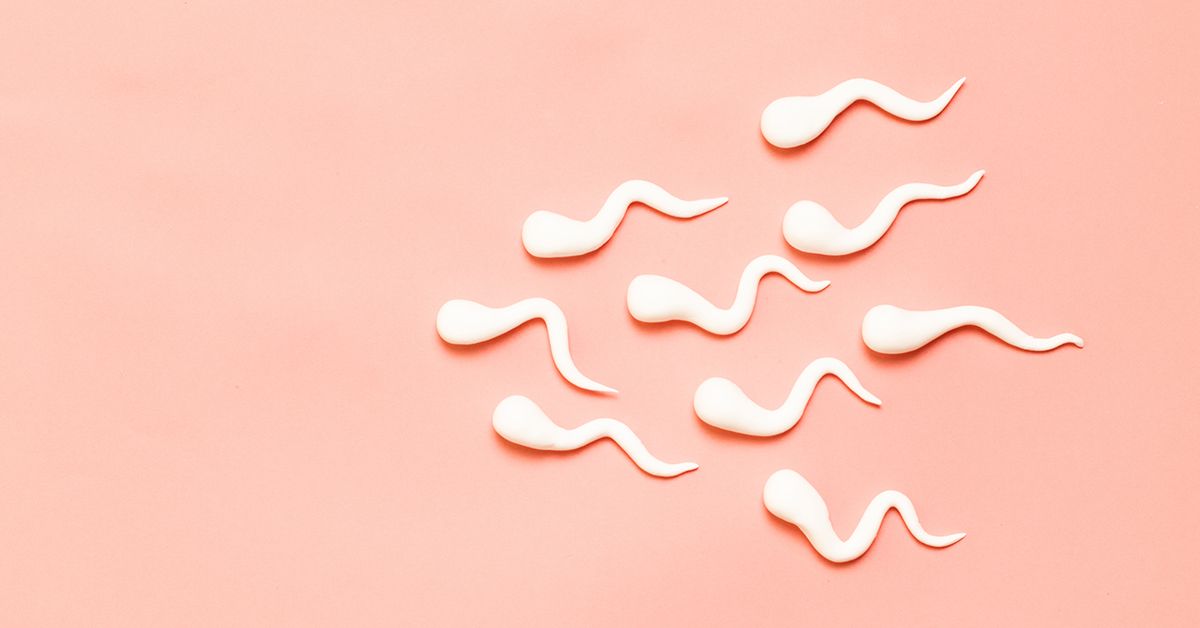
Credit: www.healthline.com
Factors Affecting Sperm Survival
Understanding how long sperm can survive on clothes depends on several key factors. These elements influence whether sperm remain viable or die off quickly. Knowing these can help you make informed decisions about hygiene, safety, and related concerns.
Temperature Influence
Temperature plays a major role in sperm survival outside the body. Cooler temperatures can preserve sperm longer by slowing down their metabolism. Conversely, heat speeds up drying, which kills sperm faster.
Think about leaving clothes in a warm room versus a cool basement. The warmer setting dries the fabric quickly, reducing sperm lifespan. Have you noticed how sweat feels different on a chilly day compared to a hot one? That difference in moisture can affect sperm survival just as much.
Exposure To Air
Air exposure causes sperm to dry out quickly, which significantly reduces their viability. Sperm need a moist environment to survive, so once the semen dries, sperm cells die rapidly. The more airflow around the fabric, the faster this drying process happens.
Imagine hanging damp clothes outside on a breezy day versus leaving them inside a closed drawer. The clothes in the open air dry faster, killing sperm sooner. This is why sperm survival on clothing is usually short-lived when exposed to air.
Fabric Type And Texture
The kind of fabric also affects how long sperm can survive on clothes. Natural fibers like cotton absorb moisture quickly, which can help sperm dry out faster. Synthetic fabrics may hold moisture differently, sometimes prolonging sperm survival slightly.
Texture matters too. Rough or thick fabrics trap moisture and sperm in tiny crevices, offering them protection. Smooth, thin fabrics dry quickly and expose sperm to air, reducing their lifespan. Have you ever noticed how some clothes feel damp longer than others after washing? That feeling relates directly to how sperm might survive on them.
Sperm Survival On Different Fabrics
Understanding how long sperm can survive on different fabrics can help answer many practical questions you might have. The type of fabric affects sperm survival because of its texture, breathability, and how it interacts with moisture. Let’s look closely at how cotton and synthetic materials impact sperm longevity on clothes.
Cotton Vs. Synthetic Materials
Cotton is a natural, breathable fabric that absorbs moisture quickly. This absorption can cause sperm to dry out faster, reducing how long they remain active. In contrast, synthetic fabrics like polyester or nylon tend to repel moisture, which may keep sperm alive a bit longer.
Think about your own clothes—have you noticed how cotton shirts dry sweat faster than polyester ones? This difference matters because sperm need moisture to survive. On cotton, sperm typically die off within minutes to an hour, while on synthetic fabrics, they might last slightly longer if the fabric remains damp.
Impact Of Moisture
Moisture plays a key role in sperm survival on any fabric. If the fabric is dry, sperm quickly lose viability. However, if the fabric stays wet or damp, sperm can survive for several hours.
Consider a damp towel versus a dry shirt. The damp towel can provide a protective environment, extending sperm survival. So, if you’re curious or cautious about sperm survival on clothes, always think about how wet the fabric is and how long it’s been exposed.
Have you ever wondered how a small detail like fabric moisture could change outcomes? Paying attention to these factors can help you make smarter, more informed decisions in your daily life.
Scientific Studies On Sperm Longevity
Scientific studies on sperm longevity explore how long sperm can survive outside the body. Understanding this helps in areas like fertility and hygiene. Researchers test sperm survival on different surfaces, including clothes, to find accurate timelines.
These studies use microscopes and special stains to see if sperm cells remain alive. Conditions such as temperature, moisture, and fabric type play a key role. Results vary because real-life scenarios differ widely.
Key Research Findings
- Sperm can survive on clothing from a few minutes up to several hours.
- Dry fabrics reduce sperm survival time significantly.
- Moisture or dampness on clothes can extend sperm viability.
- Cooler temperatures tend to preserve sperm longer on fabric.
- Direct exposure to air and heat kills sperm quickly.
Limitations Of Current Studies
- Most research is done in lab settings, not real life.
- Variations in fabric type make it hard to generalize results.
- Studies often use small sample sizes, limiting accuracy.
- Environmental factors like sunlight and humidity are hard to control.
- Exact survival time on clothes remains uncertain due to these limits.
Practical Implications And Considerations
Understanding how long sperm can survive on clothing has practical consequences that affect daily life, health, and even legal matters. Knowing the right steps to take after contact with bodily fluids can help you maintain hygiene and avoid misunderstandings. Let’s look at key considerations that you should keep in mind.
Hygiene And Cleaning Tips
Sperm can survive on clothing for several hours, depending on conditions like moisture and temperature. This means you should act quickly to clean any stained clothes to minimize exposure.
- Rinse the affected area with cold water as soon as possible to prevent the stain from setting.
- Use a detergent that targets protein-based stains for better removal.
- Avoid hot water initially, as it can cook the proteins and make stains harder to remove.
- Consider soaking the garment in enzyme-based stain removers before washing.
- Drying clothes under direct sunlight can help kill residual sperm cells due to UV exposure.
Have you ever noticed how some stains disappear quickly while others linger? Your cleaning method plays a crucial role in this. Taking timely action not only keeps your clothes fresh but also helps prevent any skin irritation or infections.
Legal And Forensic Perspectives
In legal cases, such as those involving assault or custody disputes, the presence of sperm on clothing can be critical evidence. Forensic experts understand that sperm can survive on fabric for hours or even days under certain conditions.
This knowledge means that evidence collection must be done carefully to preserve any biological material. You might wonder how long your clothes could hold such evidence and what that implies if you’re involved in a legal situation.
| Factor | Impact on Sperm Survival |
|---|---|
| Fabric Type | Natural fibers like cotton retain moisture longer, potentially extending survival time |
| Environmental Conditions | Cool, damp conditions preserve sperm; heat and dryness reduce viability |
| Time | Most sperm die within 24 hours, but DNA may still be detectable |
If you ever find yourself needing to preserve evidence, avoid washing or handling the clothing excessively. This can help maintain the integrity of the biological material for forensic analysis.
Credit: oasisindia.in
Credit: oasisindia.in
Frequently Asked Questions
How Long Can Sperm Survive On Clothes?
Sperm can survive on clothes for a few minutes to an hour. Dry fabric and exposure to air reduce their lifespan quickly. Survival depends on moisture and temperature conditions.
Does Fabric Type Affect Sperm Survival Time?
Yes, fabric type affects sperm survival. Natural fibers like cotton absorb moisture, shortening sperm life. Synthetic fabrics may retain moisture longer, allowing sperm to survive slightly longer.
Can Sperm On Clothes Cause Pregnancy?
Pregnancy from sperm on clothes is highly unlikely. Sperm must enter the vagina to fertilize an egg. On clothes, sperm die quickly and lose their fertilizing ability.
How To Safely Remove Sperm From Clothes?
To remove sperm, wash clothes promptly with detergent and warm water. Avoid dry cleaning, as it may not kill sperm effectively. Proper washing ensures no sperm survive on fabric.
Conclusion
Sperm does not live long on clothes. It usually dries quickly and dies. Warmth and moisture can help it survive a bit longer. But on dry fabric, survival is very short. Understanding this helps clear common doubts. Always practice good hygiene for safety.
Knowing facts stops unnecessary worries. Stay informed and take care. Simple steps keep you safe every day.


