
Have you ever wondered if cum can survive through your clothes? Maybe you’ve had a moment of worry after a close encounter or just felt curious about what really happens on a microscopic level.
Understanding this can help you feel more confident and informed about your body and your safety. You’ll discover the facts about how long semen can live on fabric, what conditions affect its survival, and what that means for you. Keep reading—you might be surprised by what you learn.

Credit: laundrysauce.com
The Science Of Semen
Semen is more than just a liquid. It carries living cells and many chemical compounds. Understanding its makeup helps explain how it acts on different surfaces. The science behind semen reveals why it might or might not pass through clothing.
Composition And Characteristics
Semen is mostly water, about 90%. The rest includes sperm cells, proteins, enzymes, and sugars. These parts give semen its thick and sticky texture. The pH level is slightly alkaline, helping sperm survive outside the body. Semen also contains nutrients to support sperm health.
The thickness of semen can change. It becomes thinner over time as enzymes break down the proteins. This affects how it interacts with materials like fabric.
How Semen Behaves On Fabrics
Semen can soak into clothes depending on the fabric type. Natural fibers like cotton absorb more liquid quickly. Synthetic fibers like polyester repel fluids to some extent. The amount of semen and the fabric’s weave also matter.
- Semen may stay on the fabric surface or seep through thin clothes.
- Drying time affects whether semen passes through layers or stays trapped.
- Washing removes semen but stains can remain if untreated.
Temperature and humidity also influence semen’s behavior on clothes. Warm and damp conditions help it spread and soak in faster. Cooler, dry conditions slow this process down.
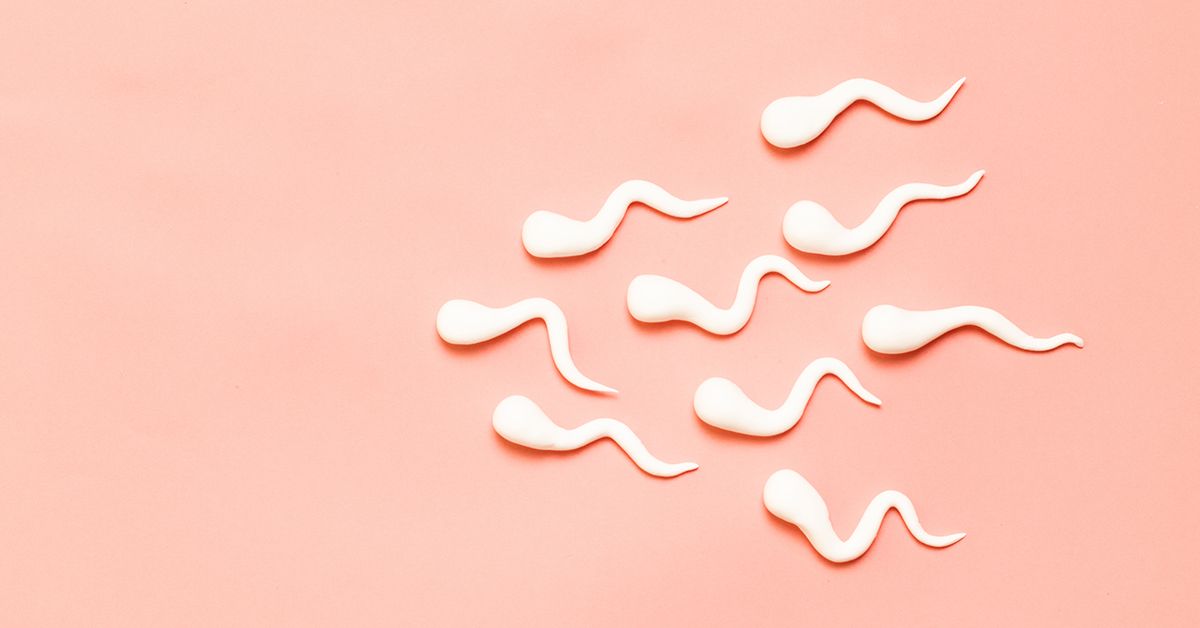
Credit: www.healthline.com
Factors Affecting Semen Survival
Semen survival outside the body depends on various factors. These factors influence how long semen can live on different surfaces, including clothing. Understanding these elements helps clarify whether semen can survive through your clothes.
Fabric Type And Texture
The kind of fabric affects semen survival significantly. Smooth fabrics like silk or polyester do not absorb fluids well. This causes semen to dry faster on their surface. Rough or porous fabrics like cotton or wool soak up moisture. They can keep semen wet longer, allowing sperm to survive a bit more time.
Thicker fabrics hold moisture longer than thin ones. This also helps semen last longer on the material. Tight weaves block air circulation, slowing drying. Looser weaves allow faster evaporation, reducing semen survival time.
Environmental Conditions
Temperature and humidity play a crucial role in semen survival. Warm temperatures dry semen quicker, killing sperm faster. Cooler temperatures slow drying, allowing sperm to live longer. High humidity keeps fabrics moist, which helps semen stay alive. Low humidity causes rapid drying, reducing sperm survival.
Exposure to sunlight and air circulation also matter. Sunlight damages sperm, reducing their lifespan. Good air flow speeds up drying, limiting sperm survival. In darker, still areas, semen may last longer on clothes.
Common Myths Debunked
There are plenty of rumors and misunderstandings about whether semen can survive through your clothes. Sorting fact from fiction helps you make better decisions about hygiene and safety. Let’s clear up some of the most common myths so you’re not left guessing.
Semen Stains And Longevity
Many believe semen can soak through multiple layers of clothing and remain wet for hours. In reality, semen quickly dries once exposed to air and fabric. Clothes act as a barrier, absorbing the fluid and speeding up the drying process.
I once spilled a small amount on a cotton shirt during laundry. Within minutes, it dried completely and left only a faint stain. This shows that semen doesn’t survive long on clothing and won’t stay wet or active.
So, if you’re worried about semen soaking through your clothes, ask yourself: how long has it been since the contact? The longer the time, the less likely any active fluid remains.
Transmission Of Infections
Another myth is that infections can pass through your clothes via semen. Clothes provide a strong protective layer, making it almost impossible for infections to transmit this way. Direct skin-to-skin contact or exchange of bodily fluids is the real risk.
- Wearing clothes significantly reduces the chance of sexually transmitted infections spreading.
- Even if semen is present on your clothes, the risk of infection transmission is extremely low.
- Proper hygiene after any sexual activity further lowers any potential risk.
Have you ever wondered why doctors don’t warn about infection risks from semen stains on clothes? That’s because it’s not a common or practical concern. Focus on what really matters—safe practices and cleanliness.
Semen Stain Removal Techniques
Semen stains on clothes can be tricky to remove if not treated quickly. Knowing the right techniques can save your favorite outfit and prevent embarrassment. Quick and effective cleaning methods help ensure the stain disappears without leaving a trace.
Immediate Action Steps
Act as soon as you notice the stain. The longer it sits, the harder it becomes to clean. Start by gently blotting the stain with a cold, damp cloth to lift excess residue.
Avoid rubbing the stain, as this can push it deeper into the fabric. If possible, rinse the stained area with cold water right away. Hot water can set the stain, making removal more difficult.
Have you ever faced a situation where a stain seemed permanent just because you waited too long? That’s why quick action is crucial.
Effective Cleaning Methods
Use a mild detergent or an enzyme-based stain remover to break down the proteins in semen. Apply it directly to the stain and let it sit for at least 15 minutes before washing.
- Wash clothes in cold water to avoid setting the stain.
- For delicate fabrics, use a gentle hand wash with detergent.
- Check the stain before drying; heat from the dryer can make it permanent.
If the stain persists, try soaking the garment in cold water mixed with a small amount of ammonia or white vinegar. Always test a small area first to avoid fabric damage.
Have you ever tried removing a stain only to find it worse afterward? Using the right method can prevent that frustration.
Impact On Clothing Material
Understanding how bodily fluids interact with clothing helps protect fabrics and maintain hygiene. Different materials react differently to stains and moisture. The impact on clothing depends on the fabric’s strength and color retention abilities. This section explores how semen affects clothing durability and color.
Durability And Fiber Damage
Semen contains proteins and enzymes that can affect fabric fibers. Natural fibers like cotton and wool may absorb moisture quickly. This can weaken the fibers if not cleaned promptly. Synthetic fibers such as polyester resist moisture better. They usually suffer less damage from stains.
Repeated exposure to body fluids can break down fibers over time. This causes thinning and holes in the fabric. Washing stained clothes quickly helps preserve fiber strength. Avoid harsh scrubbing to prevent further damage.
Color And Stain Resistance
Colorfastness varies by fabric type and dye quality. Light-colored clothes show stains more clearly. Dark fabrics may hide stains but can still absorb fluids. Some materials resist staining better due to tight weaves or special treatments.
Stains from semen can leave yellowish marks if left untreated. Using cold water for rinsing reduces stain setting. Special stain removers work well on protein-based stains. Proper care extends the life and appearance of clothing.
Health And Hygiene Considerations
Understanding the health and hygiene implications of bodily fluids on clothing is important for your overall well-being. While semen generally does not survive long on fabric, it can still carry bacteria or viruses that may pose risks, especially if you have cuts or sensitive skin. Keeping your clothes and yourself clean helps prevent potential infections and promotes comfort.
Safety Precautions
Wearing protective barriers like condoms significantly reduces the chance of fluid transfer not only on skin but also on clothes. If you notice any stains, avoid touching them with bare hands, as this can spread bacteria. Use disposable gloves or tissues when handling contaminated fabrics to stay safe.
Ask yourself: have you ever experienced irritation after contact with bodily fluids on your clothes? This could be a sign that germs were present and caused an infection. Taking simple steps like changing clothes promptly and washing affected areas with soap can prevent such issues.
Maintaining Personal Hygiene
After any intimate encounter, changing into clean clothes is vital to keep your skin healthy. Use mild soap and warm water to wash the skin areas exposed to fluids. This helps remove any residue and lowers the chance of irritation or infection.
Regular laundering of your clothes in hot water with detergent ensures that germs do not linger. Avoid sharing towels or clothing with others to reduce cross-contamination. If you’re unsure about the cleanliness of your garments, rewash them to stay on the safe side.
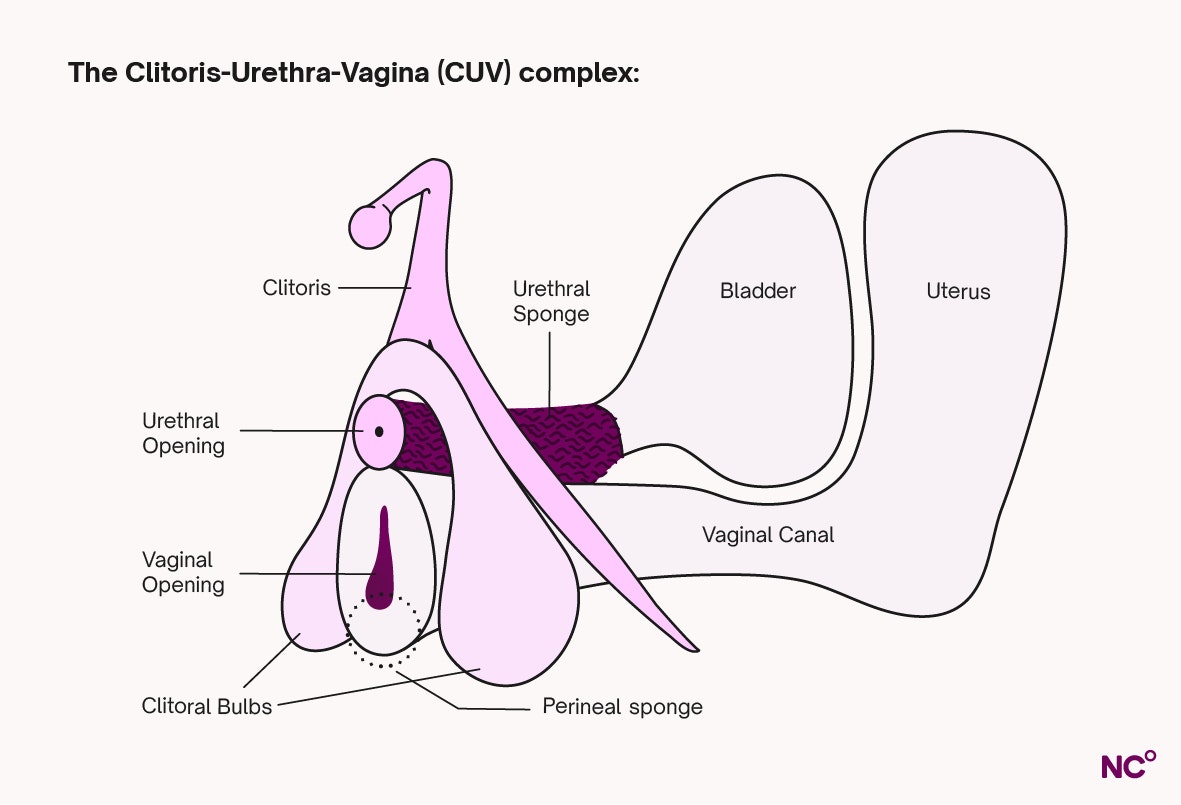
Credit: www.naturalcycles.com
Frequently Asked Questions
Can Semen Survive On Clothes For Long?
Semen can survive on clothes for a few hours to days. However, drying and fabric type reduce its viability quickly. It’s unlikely to remain active after drying.
Does Washing Clothes Remove Semen Completely?
Washing clothes with detergent and hot water usually removes semen effectively. Stains and residue can persist if not washed properly. Prompt washing improves removal chances.
Can Sperm Pass Through Clothes During Intercourse?
Sperm cannot pass through intact clothes. Thick fabrics act as barriers preventing sperm transfer. However, thin or wet fabrics might allow some transfer.
Is Semen Infectious Through Clothes?
Semen on clothes poses minimal risk of infection. Most sexually transmitted infections require direct contact with mucous membranes. Clothes significantly reduce transmission chances.
Conclusion
Clothes usually block bodily fluids like cum from passing through. The liquid mostly stays on the fabric surface. Over time, it dries and becomes less noticeable. Washing clothes removes most stains and germs. Still, quick cleaning helps avoid lasting marks.
Remember, fabric type and thickness affect how much liquid stays. So, cum does not survive through your clothes easily. Simple care keeps your clothes clean and fresh. This knowledge helps you handle such situations calmly and confidently.


