
Have you ever wondered how long sperm can survive on your clothes? Whether you’re curious about pregnancy chances or just want to understand the facts, knowing this can clear up common questions and worries.
The truth might surprise you and help you make smarter choices about hygiene and protection. Keep reading to discover exactly how long sperm lives on fabric and what that means for you.
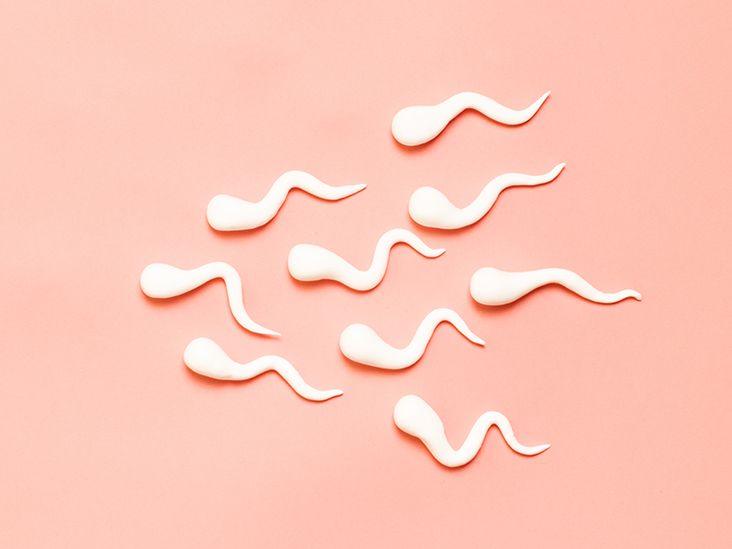
Credit: www.healthline.com
Sperm Lifespan Basics
Sperm survival outside the body depends on several key factors. Understanding these basics helps you grasp how long sperm can remain alive on various surfaces, including clothes. This knowledge is useful whether you’re concerned about pregnancy risks or just curious about human biology.
Sperm’s Natural Environment
Sperm thrive best inside the female reproductive tract, where the conditions are warm and moist. Outside the body, especially on dry surfaces like clothing, sperm face a harsh environment. Without moisture, they dry out quickly and lose viability.
Impact Of Temperature And Moisture
Temperature plays a big role in sperm survival. Cooler, damp environments can extend their lifespan slightly, while heat and dryness shorten it drastically. Clothes usually dry fast, making it tough for sperm to survive long.
How Long Can Sperm Live On Clothes?
On dry clothing, sperm typically die within minutes to an hour. If the fabric is damp, sperm might survive a bit longer, but rarely more than a few hours. This short lifespan reduces the chance of pregnancy from sperm on clothes.
Practical Takeaway For You
If you’re worried about sperm on clothes, remember that quick washing or drying usually eliminates the risk. Don’t stress over accidental contact with dry fabrics; sperm don’t stay alive there long. Have you ever wondered why some surfaces seem riskier than others? This is why moisture is a key factor.
Factors Affecting Sperm Viability
Sperm survival on clothes depends on several key factors that influence their ability to stay alive outside the body. Understanding these variables can help clarify how long sperm might remain viable in different conditions. Let’s look closely at what really affects sperm viability on fabrics you wear daily.
Temperature Influence
Temperature plays a major role in sperm survival. Cooler temperatures tend to preserve sperm longer, while heat speeds up their deterioration. For example, if sperm lands on clothes stored in a cool place, it may survive a bit longer compared to clothes left in a warm environment.
Have you ever noticed that frozen sperm samples are kept in liquid nitrogen? That extreme cold keeps sperm alive for years. While your clothes won’t reach those temperatures, even mild warmth can cut sperm lifespan drastically.
Moisture Levels
Moisture is another crucial factor. Sperm needs a certain level of moisture to stay active. If your clothes are damp or wet, sperm may survive longer than on dry fabric.
Think about the difference between sperm on dry cotton underwear versus on sweaty gym clothes. The dampness in the latter provides a brief window for sperm to live. However, too much moisture can also encourage bacterial growth, which harms sperm.
Exposure To Air
Air exposure rapidly decreases sperm viability. Once sperm dries out, it dies quickly—usually within minutes to an hour. Clothes exposed to open air allow sperm to dry faster, cutting its survival time.
Imagine sperm on a shirt left hanging outside versus sperm trapped inside folded, damp clothes. The enclosed environment might slow drying and give sperm a slight edge in survival.
Have you considered how these factors interact in your daily life? Temperature, moisture, and air exposure together determine if sperm can survive on your clothes and for how long. Paying attention to these details can answer many questions about sperm viability outside the body.
Sperm Survival On Different Surfaces
Sperm survival varies greatly depending on the surface they land on. Different materials affect how long sperm can live outside the body. Understanding these differences helps clarify common questions about sperm longevity on clothes and other items.
Fabric Types
Natural fabrics like cotton and wool absorb moisture quickly. This can cause sperm to dry out faster. Synthetic fabrics such as polyester hold moisture longer. This may allow sperm to survive a little more time. Thicker fabrics provide more protection than thin ones. The texture and weave also matter. Tight weaves trap moisture better, potentially extending sperm survival.
Porous Vs Non-porous Materials
Porous materials absorb fluids and air easily. This causes sperm to dry out and die quickly. Examples include clothes, towels, and paper. Non-porous surfaces do not absorb fluids. They keep moisture on the surface longer. Examples include plastic, glass, and metal. Sperm may survive longer on non-porous surfaces if moisture stays. But on porous fabrics, sperm usually die within minutes to hours.
Credit: oasisindia.in
Myths And Misconceptions
Many people have strong opinions about how long sperm can survive on clothes, but not all of these beliefs are accurate. Myths and misconceptions often cause unnecessary worry or false confidence. Understanding the facts can help you make better decisions and avoid confusion.
Common Beliefs
- Sperm can live for days on clothing and still cause pregnancy.
- Dry clothes kill sperm immediately, making any contact harmless.
- You can get pregnant from sperm on underwear or towels without direct intercourse.
- Cold or hot water washing doesn’t affect sperm survival on fabrics.
These ideas sound plausible and are often repeated in conversations or online forums. But do they hold up under scientific scrutiny?
Scientific Clarifications
Sperm needs a warm, moist environment to survive and remain active. On dry clothes, sperm typically die within minutes because there’s no fluid to protect them.
Scientific studies show that sperm cannot penetrate fabric or swim through dry surfaces to reach the body. The chance of pregnancy from sperm on clothes is extremely low to none.
Washing clothes with normal detergent and water, regardless of temperature, effectively removes and kills sperm. So, there’s no need to panic if you’re worried about sperm on your laundry.
Have you ever worried about pregnancy from contact with sperm on your clothes? Understanding these facts can help you feel more confident and less anxious in similar situations.
Implications For Forensic Science
Understanding how long sperm can survive on clothes is important in forensic science. It helps experts decide the time frame of events in criminal cases. Sperm survival on fabrics can provide clues about contact timing and nature. This knowledge supports investigations and court evidence.
Evidence Timing And Crime Scene Analysis
Sperm survival duration helps estimate when contact occurred. Clothes with sperm traces can indicate recent or older events. This aids in building timelines for investigations. It narrows down suspect questioning and victim statements.
Challenges In Dna Recovery
Clothes may degrade sperm cells over time. Fabric type, moisture, and temperature affect sperm survival. These factors influence DNA quality for testing. Forensic teams use special methods to extract usable DNA.
Impact On Sexual Assault Cases
Knowing sperm longevity assists in confirming assaults. It supports victim claims by matching evidence timing. This strengthens the case in court proceedings. Accurate sperm analysis is vital for justice.
Limitations And Considerations
- Environmental conditions change sperm survival on clothes.
- Not all fabrics preserve sperm equally well.
- Time since contact affects DNA detection success.
- Forensic experts must interpret results carefully.
Preventing Unwanted Transfer
Preventing the unwanted transfer of sperm onto clothes is important for personal hygiene and comfort. Sperm can survive on fabric for a short time, but proper care reduces any chance of transfer. Taking the right steps keeps clothes clean and safe.
Proper Laundry Techniques
Wash clothes promptly after use to remove any sperm residues. Use warm water and a good detergent for best results. Avoid cold water since it may not clean as effectively. Adding a pre-wash soak helps break down proteins and oils. Dry clothes thoroughly to ensure no moisture remains, which can prolong sperm survival.
- Separate heavily soiled clothes from regular laundry.
- Use bleach on white or color-safe bleach on colored fabrics.
- Check care labels to avoid damage during washing.
Hygiene Recommendations
Maintain personal hygiene to reduce sperm transfer onto clothes. Wash hands and body after any sexual activity. Use clean towels and avoid sharing clothes. Consider changing underwear daily. Store clothes in clean, dry places to prevent contamination. These habits lower the risk of unwanted sperm presence on fabrics.
Research And Studies
Research on sperm survival on clothes reveals varied results. Factors such as temperature, fabric type, and moisture affect sperm lifespan. Understanding these details helps clarify common questions about sperm viability outside the body.
Recent Findings
Recent studies show sperm can survive on clothes for a short time. Typically, survival ranges from a few minutes to several hours. Dry and warm environments reduce sperm life quickly. Wet or damp clothes may allow sperm to live longer. Experiments using different fabrics found that natural fibers dry faster, lowering sperm survival. Synthetic materials may hold moisture, extending sperm lifespan slightly.
Future Investigations
Scientists plan to explore sperm survival in various real-life scenarios. Future research will examine the impact of detergents and washing methods on sperm viability. Studies aim to measure exact survival times on diverse fabrics. Researchers also want to understand how environmental factors like sunlight affect sperm on clothes. This research will provide clearer guidelines for hygiene and safety.
Credit: oasisindia.in
Frequently Asked Questions
How Long Can Sperm Survive On Clothes?
Sperm can survive on clothes for a few minutes to an hour. Dryness and temperature affect their lifespan. They die quickly once exposed to air and fabric.
Can Sperm Cause Pregnancy From Clothes?
Pregnancy from sperm on clothes is highly unlikely. Sperm need a moist environment and direct access to the vagina to fertilize an egg.
How To Properly Clean Clothes With Sperm?
Wash clothes with warm water and detergent. Use bleach for white fabrics to kill sperm effectively. Dry clothes thoroughly to prevent any survival.
Does Drying Clothes Kill Sperm?
Yes, drying clothes kills sperm. Heat and dryness quickly reduce sperm viability. Air drying alone may take longer but still makes sperm nonviable.
Conclusion
Sperm survival on clothes is very short. Usually, sperm dies within minutes to an hour outside the body. Dry fabrics and air cause sperm to lose their ability to swim fast. This means the chance of pregnancy from sperm on clothes is very low.
Still, proper hygiene and care are important. Understanding how sperm behaves helps clear up common myths. Remember, sperm needs a wet, warm place to live longer. Clothes are not a safe place for sperm survival.


