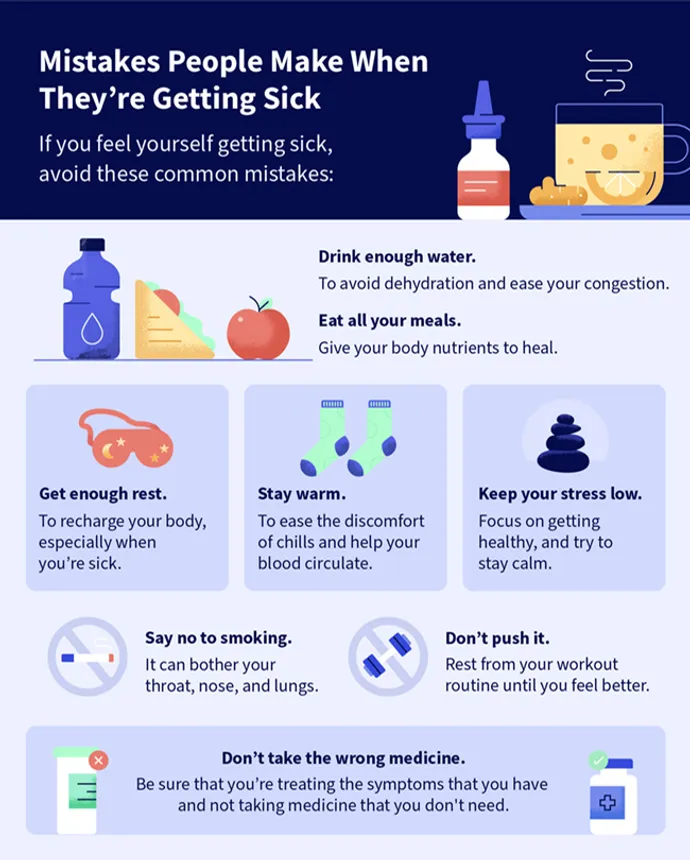
Have you ever wondered how long Covid can stay on your clothes? Knowing this can help you protect yourself and your loved ones better.
Clothes are something you wear every day, and understanding how the virus behaves on fabric can guide your actions. You’ll discover clear, simple facts about Covid’s survival on different types of clothing. By the end, you’ll feel more confident about handling your laundry and staying safe.
Keep reading to find out what you need to know right now.
Credit: www.consumerreports.org
Virus Survival Time On Fabrics
Understanding how long the COVID-19 virus can survive on fabrics is crucial for managing your daily interactions with clothes and household textiles. The virus does not live the same amount of time on every type of fabric, which means your risk can change based on what you’re wearing or handling. Knowing these details helps you decide when to wash your clothes or how to treat different materials safely.
Factors Affecting Longevity
The survival time of the virus on fabric depends on several key factors. Temperature plays a big role—higher heat generally shortens the virus’s life. Humidity also influences survival; dry conditions tend to reduce how long the virus remains active.
Another important factor is how the fabric interacts with moisture. Some materials absorb droplets quickly, causing the virus to dry out faster. Others hold moisture on the surface longer, potentially allowing the virus to live a bit more. Have you noticed how your clothes feel damp or dry after being outside? That sensation can hint at how long the virus might stick around.
Types Of Fabrics And Virus Lifespan
The virus behaves differently on various fabrics. On smooth, non-porous fabrics like polyester, the virus may survive longer because moisture lingers on the surface. On porous fabrics such as cotton or wool, the virus tends to die faster as it gets absorbed and dries quicker.
| Fabric Type | Estimated Virus Survival Time | Practical Advice |
|---|---|---|
| Cotton | Up to 1-2 days | Wash regularly; dries quickly, reducing risk |
| Polyester | Up to 3 days | Avoid prolonged contact; wash after exposure |
| Wool | Less than 24 hours | Air out and wash if needed |
| Silk | Less than 24 hours | Handle gently; wash carefully |
Think about your wardrobe—how often do you clean items like scarves or jackets made of synthetic fibers? These might hold the virus longer than your everyday cotton T-shirts. This insight can guide your cleaning habits, helping you reduce any hidden risks.
Credit: www.mdpi.com
Transmission Risks From Clothing
Clothing can carry the coronavirus for some time, but its role in spreading the virus remains limited. Understanding how the virus moves from clothes to people helps reduce infection risks. Factors like fabric type, moisture, and environment affect how long the virus stays active on clothing.
Touching contaminated clothes might transfer the virus to hands. Then, touching the face can lead to infection. Airborne particles landing on clothes also play a role but are less common. Awareness of these risks helps in taking simple precautions.
Contact And Airborne Exposure
Direct contact with contaminated clothes can spread the virus. The virus survives longer on smooth, non-porous surfaces than on soft fabrics. Airborne droplets may settle on clothing but usually dry quickly. This drying reduces the virus’s ability to infect.
Handling clothes carefully lowers the chance of touching the virus. Washing clothes with detergent removes most viral particles. Avoid touching your face before washing hands after contact with clothes.
Real-world Infection Cases
Studies show very few infections come from clothing. Most COVID-19 cases result from close personal contact or shared air. No major outbreaks have linked virus spread to clothes.
Healthcare workers take extra care with protective clothing. Regular people should wash clothes regularly and practice good hand hygiene. These steps keep transmission risks from clothing very low.
Effective Cleaning Methods
Cleaning clothes effectively helps reduce the risk of Covid spreading. The virus can survive on fabric for hours to days, depending on conditions. Proper cleaning removes or kills the virus, making clothes safe to wear again. Using the right methods improves hygiene and protects your health.
Washing Techniques
Use warm water to wash clothes. Water temperature of at least 60°C (140°F) helps kill the virus. Choose a good quality detergent that breaks down oils and dirt. Avoid overloading the machine to ensure clothes get cleaned well. Dry clothes completely under sunlight or in a dryer at high heat.
Use Of Disinfectants
Add disinfectants safe for fabrics to your laundry for extra protection. Products with at least 70% alcohol or bleach solutions work well. Follow the instructions on the label to avoid damaging clothes. Do not mix bleach with other cleaners. Spot treat heavily soiled areas before washing.
Credit: www.ccohs.ca
Preventive Measures For Clothes
Clothes can carry viruses for some time, so taking preventive steps is important. Proper handling and storage reduce risks. Choosing the right protective clothing adds extra safety. These measures help keep you and others safe from Covid.
Handling And Storage Tips
- Wear gloves when handling potentially contaminated clothes.
- Do not shake clothes to avoid spreading virus particles.
- Wash clothes promptly after use with hot water.
- Store clean clothes separately from used ones.
- Keep laundry areas clean and disinfected regularly.
- Dry clothes completely in sunlight or a dryer.
- Use sealed bags for transporting dirty clothes.
Protective Clothing Options
- Choose clothes made of tightly woven fabric.
- Wear long sleeves and pants to cover skin.
- Use washable outerwear like lab coats or aprons.
- Consider disposable gowns in high-risk situations.
- Use face masks to reduce virus spread from clothes.
- Change clothes immediately after exposure to risky environments.
Myths About Covid On Clothes
Many people worry about catching Covid from their clothes. This fear has led to many myths and false ideas. Understanding what is true and what is not helps to stay safe without unnecessary stress.
Common Misconceptions
- Covid virus can live for days on clothes and infect you.
- Washing clothes immediately after going outside is essential.
- Disinfecting clothes with strong chemicals is necessary to kill the virus.
- Touching clothes from others always spreads Covid.
- Drying clothes in the sun kills all virus particles.
Scientific Findings
Studies show Covid virus does not survive long on fabric. The porous nature of clothes makes it hard for the virus to stay alive.
Virus particles lose strength quickly on clothes, often within hours. This reduces chances of transmission significantly.
Regular washing with soap and water removes the virus effectively. There is no need for harsh chemicals on clothes.
Touching clothes carries very low risk compared to close person-to-person contact.
Drying clothes under sunlight helps but is not the only way to keep them safe.
Frequently Asked Questions
How Long Does Covid Survive On Clothes?
Covid can survive on clothes for a few hours up to two days. Survival depends on fabric type, humidity, and temperature. Porous materials like cotton usually hold the virus for less time than synthetic fabrics. Proper washing kills the virus effectively.
Can Covid Spread Through Touching Contaminated Clothes?
Touching contaminated clothes can transfer the virus to your hands. However, transmission risk is lower compared to direct person-to-person contact. Washing hands after handling clothes reduces this risk. It’s important to avoid touching your face before cleaning hands.
What Is The Best Way To Disinfect Clothes From Covid?
Washing clothes in hot water (at least 60°C or 140°F) with detergent kills the virus effectively. Use a dryer on high heat for added safety. Avoid shaking dirty laundry to prevent airborne particles. Regular washing is key to disinfection.
Does Covid Survive Longer On Synthetic Or Natural Fabrics?
Covid tends to survive longer on synthetic fabrics like polyester than on natural ones like cotton. Natural fibers absorb moisture, reducing virus survival. Synthetic fabrics can retain the virus for up to two days. Choosing natural fabrics may lower contamination risk.
Conclusion
Covid can survive on clothes for a few hours to days. It depends on fabric type and conditions like humidity and temperature. Washing clothes regularly helps remove the virus effectively. Avoid touching your face after handling worn clothes. Drying clothes under sunlight also reduces virus survival.
Staying cautious with laundry habits lowers infection risk. Clean clothes keep you and others safer. Small steps make a big difference in health. Stay informed and practice good hygiene always.


