
Have you ever wondered if the clothes you wear can carry the Covid virus? You’re not alone.
Understanding whether Covid can survive on your clothing is key to keeping yourself and your loved ones safe. Imagine touching your jacket or your favorite shirt and worrying about invisible germs. This article will clear up the confusion and give you simple, practical tips to protect yourself.
Keep reading to find out what really happens when Covid meets fabric—and what you need to know to stay safe every day.

Credit: www.goodrx.com
Virus Survival On Fabrics
Understanding how long the Covid virus can survive on clothing helps you make smarter choices about handling your laundry and wearing certain fabrics. The survival of the virus on fabrics varies greatly depending on the type of material and the surrounding conditions. Let’s look at the details to help you protect yourself and others more effectively.
Types Of Fabrics And Virus Longevity
Different fabrics affect how long the virus stays alive. Smooth, synthetic fabrics like polyester may hold the virus longer than porous materials like cotton. Cotton tends to absorb moisture quickly, which can reduce the virus’s survival time.
Studies show the virus can survive on some fabrics for a few hours, while on others it might last up to a day or more. Have you noticed how your workout clothes feel damp longer than your cotton t-shirts? That moisture can influence how the virus behaves on these surfaces.
Environmental Impact On Virus Lifespan
Temperature, humidity, and sunlight all change how long Covid survives on fabric. Higher temperatures and direct sunlight tend to kill the virus faster. Low humidity, however, can help the virus stay alive longer on surfaces.
Think about leaving your clothes outside to dry in the sun versus keeping them damp in a closet. The virus is less likely to survive in the sunny, warm environment. This means airing out your clothes in sunlight can be a practical step to reduce risk.
Comparison With Hard Surfaces
Covid generally survives longer on hard surfaces like plastic and metal compared to fabrics. On these surfaces, the virus can live up to several days, while on fabrics, it usually lasts for hours to a day.
This difference happens because fabrics absorb moisture and trap the virus inside fibers, making it harder for it to stay infectious. So, should you worry more about touching your phone or your jacket? The answer leans toward hard surfaces, but good hygiene with all items remains important.

Credit: www.goodrx.com
Transmission Risks From Clothing
Transmission risks from clothing have been a common concern during the Covid pandemic. People wonder if the virus can spread through their clothes. Understanding these risks helps reduce fear and improve safety habits.
Likelihood Of Infection Via Clothing
The chance of catching Covid from clothing is very low. The virus does not live long on fabric surfaces. It usually dies within a few hours. Soft materials like cotton absorb moisture, which makes the virus weaker. The main way Covid spreads is through tiny droplets in the air, not from clothes.
Role Of Touch And Contact
Touching clothes with virus particles can transfer the virus to your hands. Then, touching your face could lead to infection. This means hand hygiene is important after handling clothes. Washing hands with soap or sanitizer helps stop the virus. Avoid touching your face until your hands are clean.
Real-world Case Studies
- Health experts found no clear cases from clothing contact.
- Outbreaks mostly happen from close face-to-face contact.
- Studies show virus on clothes is not a major infection source.
These findings support that clothing is a low-risk factor. Regular washing and hand cleaning remain key preventive steps.
Effective Cleaning Methods
Effective cleaning methods play a key role in reducing the risk of Covid surviving on clothing. Proper care removes viruses and keeps fabrics safe. Understanding the right washing, disinfecting, and drying techniques helps maintain hygiene and prevent contamination.
Washing Temperatures And Detergents
Washing clothes at higher temperatures kills many viruses effectively. Use water at least 60°C (140°F) for best results. Detergents break down the virus’s outer layer, making it inactive. Choose regular laundry detergent for everyday washing. Avoid cold water alone, as it may not remove the virus fully.
Use Of Disinfectants On Clothes
Disinfectants add extra protection to your laundry routine. Use disinfectants safe for fabrics and follow label instructions. Apply disinfectants directly to heavily soiled areas or use laundry sanitizers. Avoid bleach on colored clothes to prevent damage. Test disinfectants on small fabric areas first.
Drying Techniques And Virus Reduction
Drying clothes thoroughly reduces virus survival. Use a dryer on high heat settings when possible. Sunlight also helps kill viruses on fabrics. Avoid leaving damp clothes for long periods. Proper drying complements washing to ensure clothes are virus-free.
Preventive Measures For Clothing
Clothing can carry viruses like Covid, but understanding how to handle and clean your clothes can reduce the risk significantly. Taking preventive measures helps protect not only yourself but also those around you. Let’s look at how you can manage clothing safely in different situations.
Safe Handling Of Potentially Contaminated Clothes
When you suspect your clothes might be contaminated, avoid shaking them to prevent spreading virus particles into the air.
Keep contaminated clothing separate from other laundry and wash them as soon as possible.
Use gloves if you have them when handling these clothes, and wash your hands immediately after.
Guidelines For Healthcare Workers
If you work in healthcare, your clothing is at higher risk of contamination.
Wear protective gowns or uniforms that can be changed and washed frequently.
Follow strict laundering protocols, using hot water and detergent to kill the virus effectively.
Consider using disposable or easily washable covers over your clothes during shifts to minimize risk.
Recommendations For Everyday Use
For daily wear, washing clothes regularly with detergent is usually enough to remove viruses.
Dry clothes completely on high heat, as heat helps deactivate the virus.
Be mindful about where you leave your clothes, avoiding places where they might be exposed to contaminated surfaces.
Ask yourself: Could your laundry routine be improved to better protect your family?
Myths And Misconceptions
Many myths surround the survival of Covid on clothing. These misconceptions cause unnecessary worry. Clear information helps people make safe choices. Understanding what is true and false is essential. This section clears up common doubts.
Common False Beliefs About Clothing Transmission
- Covid virus can live on clothes for days.
- Touching clothes spreads the virus easily.
- Washing clothes is not enough to remove the virus.
- Outdoor clothes must be quarantined before use.
- Fabric type changes virus survival drastically.
Separating Facts From Fiction
Covid virus survives longer on hard surfaces than fabrics. Clothes dry quickly, making virus survival difficult. Washing clothes in warm water removes the virus effectively. Touching clothes is less risky than touching face or eyes. The main virus spread is through close contact and air droplets. Regular hygiene and cleaning of hands reduce infection chances more. Avoiding crowded places and wearing masks are more important than worrying about clothes.
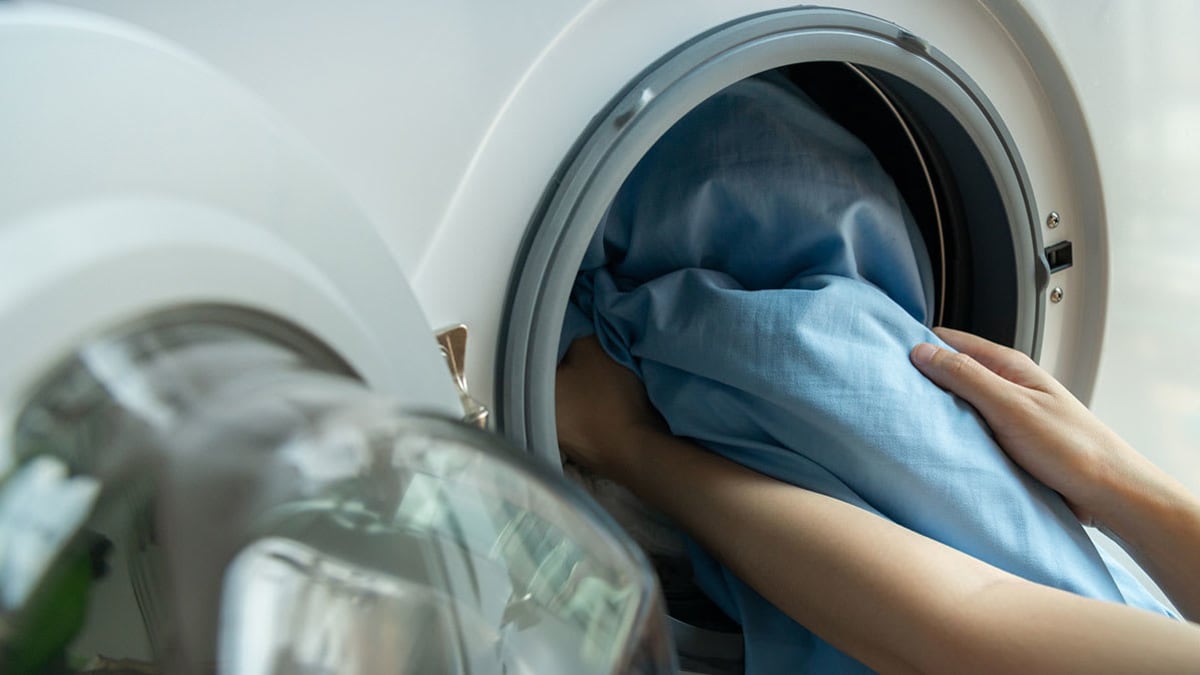
Credit: www.consumerreports.org
Frequently Asked Questions
Can Covid-19 Survive On Clothing Surfaces?
Yes, Covid-19 can survive on clothing but only for a short time. The virus’s lifespan depends on fabric type and environmental conditions, usually lasting a few hours to a day.
How Long Does Covid-19 Stay On Fabric?
Covid-19 typically remains on fabric surfaces for up to 1-2 days. Porous materials like cotton reduce virus survival compared to non-porous surfaces.
Does Washing Clothes Kill The Covid Virus?
Yes, washing clothes with detergent and warm water effectively kills Covid-19. Proper drying also helps eliminate any remaining virus particles.
Is It Safe To Handle Used Clothing During The Pandemic?
Handling used clothing is generally safe if you wash hands afterward. Avoid touching your face and wash clothes promptly to reduce risk.
Conclusion
Covid can stay on clothes for a short time only. Washing clothes with soap and water kills the virus well. Avoid touching your face after handling dirty clothes. Dry clothes completely before wearing them again. Clean hands often to reduce any risk.
Using simple habits keeps you safer every day. Clothes are less risky than other surfaces. Stay calm and follow good hygiene steps. Protect yourself and others with small actions. Safety is in your hands, always.


