Are you wondering how long it takes to get emergency food stamps? When you need help with groceries fast, waiting can feel overwhelming.
You want to know exactly what to expect and how soon you can get the support you need. You’ll discover clear answers about the timing and process of emergency food stamps. Keep reading to find out what steps you should take and how to get the assistance that can make a real difference for you and your family—right now.
Emergency Food Stamps Timeline
Understanding the timeline for emergency food stamps is crucial when you need quick support. The waiting period can vary, but knowing what to expect helps you plan better. Let’s look closer at how long it usually takes and what can speed up or slow down the process.
Typical Waiting Period
Emergency food stamps are designed to provide fast assistance, often faster than regular SNAP benefits. Usually, you can expect a decision within 7 days after applying. In some cases, benefits may be issued on the same day or within 3 days if you meet urgent need criteria.
However, the exact timing depends on your state’s procedures. Some states have streamlined systems that process emergency requests faster, while others might take the full week.
Factors Influencing Approval Speed
Several things affect how quickly you get emergency food stamps. Your application completeness is key—missing documents or information can delay approval.
- Verification process:Quick confirmation of income, residency, and identity speeds things up.
- State resources:States with more staff and better technology handle requests faster.
- Urgency of need:If your situation is dire, like no food at home, agencies prioritize your case.
Have you prepared all your paperwork before applying? Taking a moment to organize everything can save you days of waiting.

Credit: www.youtube.com
Eligibility Criteria
Understanding the eligibility criteria for emergency food stamps helps you know if you can get help quickly. These rules decide who qualifies and how much support each household receives. Meeting these criteria speeds up the approval process and access to food benefits.
Income Requirements
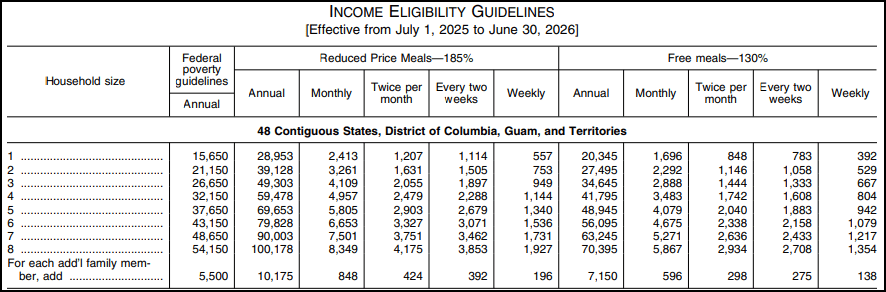
Your income must fall below a certain limit to qualify. This limit varies by state and household size. Income includes wages, benefits, and other money received regularly. Emergency food stamps often have stricter income limits than regular programs.
Household Size Impact
The number of people in your household affects eligibility. Larger households have higher income limits. Each member counts, including children and adults living with you. This helps calculate the right amount of food assistance.
Special Circumstances
Certain situations may qualify you for emergency food stamps quickly. Examples include job loss, natural disasters, or urgent medical needs. Some states offer expedited services for these cases. Proof of the situation may be required to get help fast.
Application Process
Applying for emergency food stamps can be a crucial step during tough times. The process helps provide immediate food assistance. Understanding the application process is essential. It ensures you receive help quickly. Let’s explore how to apply for emergency food stamps.
Where To Apply
Visit your local Department of Human Services office. They handle applications for food stamps. You can find their location on their website. Some community centers also offer assistance. They can guide you through the application. Check online for the nearest facility.
Required Documents
Gather necessary documents before applying. You will need identification. A driver’s license or passport works. Proof of residence is important. A utility bill or lease can serve this purpose. Income verification is also needed. Recent pay stubs or tax returns are useful. Prepare these documents in advance.
Online Vs In-person
Applying online is convenient. It saves time and effort. Most states offer online applications. Check your state’s website for details. In-person applications provide personal assistance. They offer guidance and answer questions. Choose the method that suits you best.
Tips For Faster Approval
Getting emergency food stamps quickly can ease a lot of stress. The key lies in how you handle your application and communication. Small actions on your part can speed up the approval process significantly.
Completing Applications Accurately
Accuracy is your best friend. Double-check every detail before submitting your application. Even a small typo or missing information can cause delays.
Think about it: Have you ever had to resend a form because of a simple mistake? It can add days or weeks to the wait.
Take your time to fill in all fields clearly. Use black ink if you’re applying on paper, and avoid leaving any sections blank unless instructed.
Providing Necessary Documentation
Missing documents are a common cause for slow approvals. Gather everything upfront—proof of income, ID, residency, and any other required papers.
Keep copies handy so you can quickly send or bring them if the office asks. This shows you’re prepared and serious about your application.
Have you noticed how one missing paper can hold up your entire case? Avoid that by organizing your documents in a folder or digital file.
Following Up Effectively
Don’t wait silently after applying. Check in with the agency regularly to see if they need anything else from you.
Be polite but persistent. A quick call or email can remind them of your case and sometimes push it ahead in the queue.
Have you ever ignored a follow-up and ended up waiting much longer? Staying proactive keeps your application on their radar.
What Happens After Approval
After approval for emergency food stamps, several important steps follow. Understanding these helps you know what to expect next. The process ensures you get timely support during tough times.
Receiving Benefits
Once approved, benefits usually arrive quickly. Most states issue funds through an Electronic Benefit Transfer (EBT) card. You can use this card to buy groceries at approved stores. The speed of delivery depends on your state’s system. Some states provide benefits within days of approval.
Duration Of Emergency Assistance
Emergency food stamps last for a short period. This period varies but typically ranges from one to three months. The goal is to provide immediate help during a crisis. After this, your case will be reviewed for continued support.
Transition To Regular Food Stamps
After emergency benefits, you may move to regular food stamps. This transition requires a full application and eligibility check. Regular benefits last longer but need more paperwork. Stay in touch with your local office for updates and instructions.
Common Delays And How To Avoid Them
Waiting for emergency food stamps can be stressful, especially when delays occur. Understanding common causes of these delays helps you act faster and avoid unnecessary setbacks. Let’s look at key issues that often slow down the process and what you can do to keep things moving smoothly.
Incomplete Applications
One of the biggest reasons for delays is submitting an incomplete application. Missing signatures, skipped questions, or forgotten documents can halt your approval. Double-check every section before sending it in. If you’re unsure about any part, ask for help rather than guessing.
Think about the last time you rushed through a form and had to redo it—how frustrating was that? Taking a few extra minutes to review your application can save you days or even weeks of waiting. Keep a checklist of required documents handy to avoid missing anything crucial.
Verification Issues
Verifying your identity, income, and residency can take time if the information doesn’t match official records. Errors in your paperwork or outdated details cause agencies to pause and request corrections. Make sure all your documents are current and match what you’ve written on your application.
Have you ever experienced a delay because your ID was expired or your address wasn’t updated? These small details matter a lot. Submit clear copies of your documents and confirm they are valid to prevent avoidable verification hold-ups.
Communication Gaps
Sometimes, the delay isn’t on your application but in the back-and-forth between you and the agency. Missing phone calls, emails lost in spam, or unanswered messages can stall the process. Stay proactive by regularly checking your contact channels and promptly responding to any requests.
- Set reminders to check emails and voicemail daily.
- Keep your contact information updated with the agency.
- If you don’t hear back in a few days, follow up politely.
Have you ever waited weeks only to find out a simple missed call caused the delay? Being available and attentive can make a huge difference in how quickly you receive help.
Resources For Additional Help
Finding emergency food stamps can feel overwhelming, especially when you need help quickly. Luckily, several resources exist to guide you through the process and provide additional support. Knowing where to turn can make a big difference in how fast you receive assistance.
Local Assistance Programs
Many communities offer local assistance programs designed to help residents access emergency food stamps faster. These programs often work directly with state agencies to expedite applications. You can usually find them through community centers, churches, or nonprofit organizations.
Visiting a nearby food bank or community outreach center may connect you with caseworkers who understand the local system well. They can help you fill out forms and provide documentation needed to speed up your application.
Have you checked if your city or county has emergency financial aid programs? These often include food assistance as part of their services.
Hotlines And Support Centers
Hotlines are a direct way to get immediate answers about emergency food stamps. Trained representatives can guide you on eligibility, required paperwork, and application status.
Many states have dedicated SNAP (Supplemental Nutrition Assistance Program) hotlines. Calling them can save you time and stress by clarifying confusing steps.
Support centers, both in-person and virtual, offer personalized help. Some even provide language assistance if English isn’t your first language.
Online Tools
Online portals are becoming more user-friendly and efficient for applying for emergency food stamps. You can submit your application, upload documents, and track your status from home.
Several websites offer eligibility calculators to see if you qualify before applying. This can save you time and effort.
Have you explored official government sites or apps that provide real-time updates on your case? Utilizing these tools ensures you stay informed without constant phone calls or visits.

Credit: www.economist.com
Credit: www.michigan.gov
Frequently Asked Questions
How Long Does Emergency Food Stamps Take To Process?
Emergency food stamps typically process within 7 days of application approval. This quick turnaround helps individuals facing immediate food insecurity get support fast.
What Factors Affect Emergency Food Stamps Approval Time?
Approval time depends on state policies, application completeness, and verification speed. Providing accurate documents and prompt responses can speed up processing.
Can I Get Emergency Food Stamps The Same Day?
Same-day emergency food stamps are rare but possible in urgent cases. Contact your local agency to inquire about expedited assistance options.
How Long Are Emergency Food Stamps Benefits Valid?
Emergency food stamps benefits usually last for one month. Afterward, recipients must reapply or transition to regular SNAP benefits.
Conclusion
Emergency food stamps can arrive quickly, often within days. Processing time depends on your state and situation. Stay patient and keep all paperwork ready. Check your application status regularly to avoid delays. Help is available for those who need it most.
Don’t hesitate to ask for support or more information. Getting food assistance can ease tough times. Remember, you are not alone in this process. Taking the first step brings you closer to help. Keep hope and take action today.