When an emergency strikes, having the right food stored can make all the difference for you and your loved ones. But with so many options out there, how do you know what to choose?
You want foods that last long, are easy to prepare, and give you the energy you need. This guide will help you discover the best foods to store for emergencies—so you can feel confident and ready no matter what happens.
Keep reading to find out exactly what should be on your emergency food list.
Essential Criteria For Emergency Foods
Choosing the right foods for emergencies means focusing on a few key qualities. These qualities help ensure the food lasts long, provides energy, and is simple to use. Knowing these factors makes your emergency food supply smarter and more reliable.
Shelf Life And Durability
Foods for emergencies must last a long time without spoiling. Choose items with a shelf life of at least one year. Durable foods resist damage from heat, moisture, and pests. This keeps your supply safe and ready for use.
Nutritional Value
Energy and nutrients are critical during emergencies. Pick foods rich in calories, protein, vitamins, and minerals. Balanced nutrition supports strength and health over days or weeks. Avoid foods high in sugar or empty calories.
Ease Of Preparation
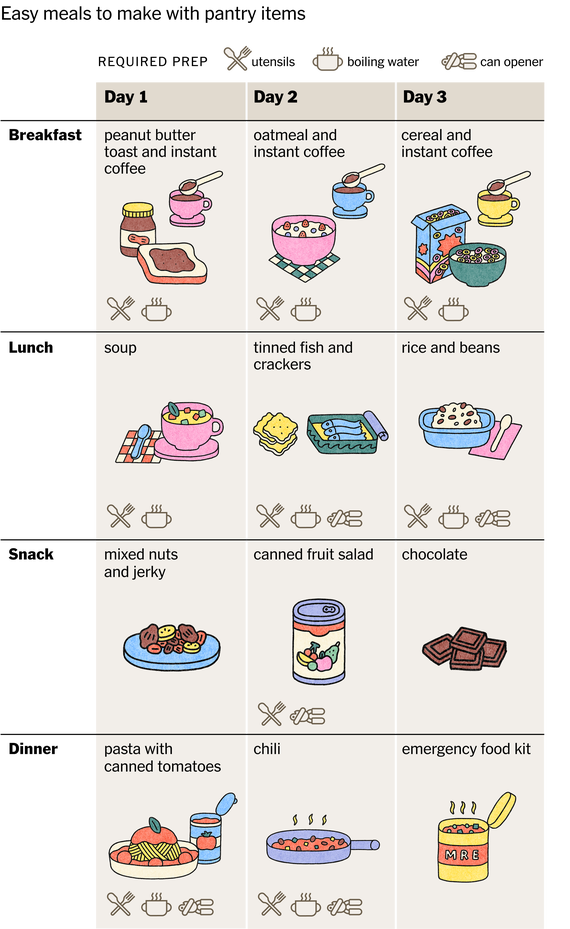
Emergency foods should be easy to prepare with minimal tools. Ready-to-eat or quick-cooking items save time and effort. Avoid foods requiring complex cooking or fresh ingredients. This makes meals practical in stressful situations.
Portability And Storage
Compact and lightweight foods are easier to carry and store. Foods in sealed, airtight packaging prevent contamination. Stackable containers save space and help organize your supplies. Proper storage extends shelf life and keeps food fresh.

Credit: readywise.com
Top Canned Goods
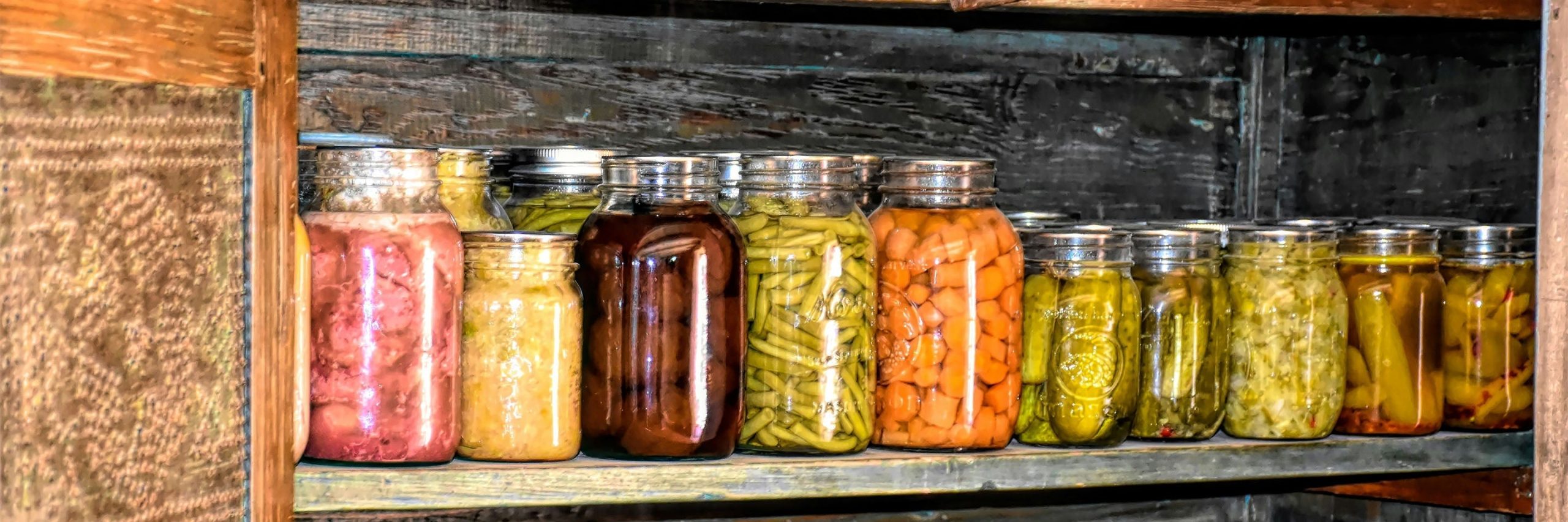
Canned goods are a cornerstone of any emergency food supply. They last for years, require no refrigeration, and offer a variety of nutrients to keep you fueled during uncertain times. Choosing the right canned items can make your emergency kit more versatile and satisfying.
Vegetables And Fruits
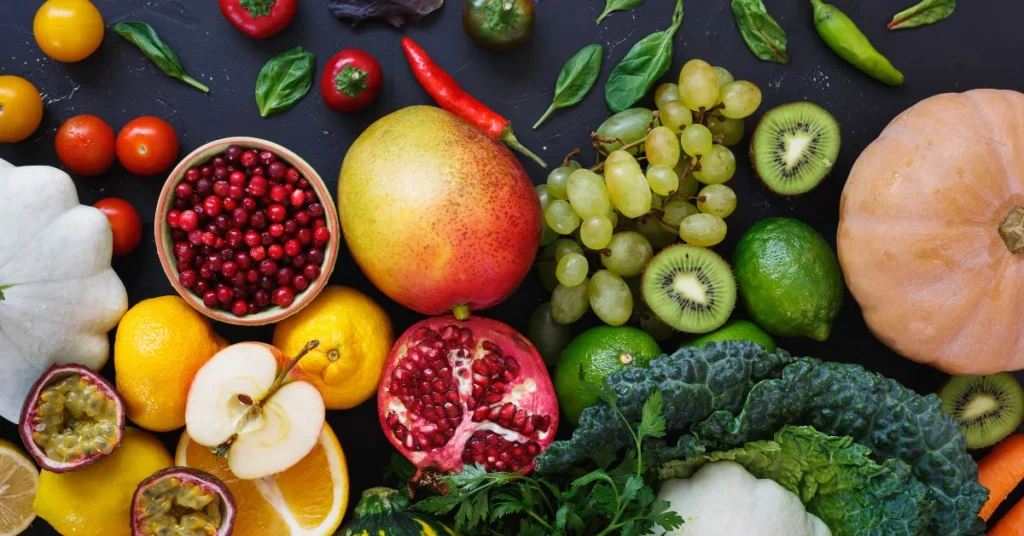
Canned vegetables and fruits provide essential vitamins and minerals when fresh produce isn’t available. Keep a mix of favorites like corn, green beans, peaches, and pineapple. These items are not only nutritious but also add color and flavor to your meals.
Look for low-sodium or no-sugar-added options to maintain a healthier diet. Have you checked the expiration dates on your canned veggies and fruits lately? Rotating your stock helps keep your emergency supplies fresh and useful.
Proteins Like Beans And Meat
Protein is key for energy and muscle maintenance during emergencies. Canned beans such as black beans, kidney beans, and chickpeas are excellent sources of plant-based protein and fiber. They’re easy to prepare and pair well with many dishes.
Canned meats like chicken, tuna, and salmon offer a quick protein boost and can be eaten straight from the can if necessary. Don’t overlook options like canned chili or spam for variety. Have you tried mixing canned beans with canned meat for a filling meal?
Ready-to-eat Meals
Ready-to-eat canned meals save time and effort when cooking isn’t an option. Items like canned soups, stews, and pasta dishes provide balanced nutrition in a single container. These meals often combine proteins, vegetables, and carbs, making them convenient and satisfying.
Check ingredient lists for allergens or preservatives if you have dietary restrictions. Stocking a variety of flavors can help prevent mealtime boredom during extended emergencies. What’s your go-to canned meal when you’re short on time?
Best Dry Staples To Store
Dry staples like rice, beans, and pasta provide long-lasting nutrition during emergencies. They store well and cook easily, making them ideal for any survival kit.
In times of emergencies, having dry staples in your pantry is crucial. These foods last long and offer nutritional value. They are easy to store and prepare. Storing the right staples ensures you can feed your family well. Let’s explore some of the best dry staples to store for emergencies.Rice And Pasta
Rice and pasta are excellent staples. They have a long shelf life and are versatile. You can cook them in various ways, making meals interesting. Choose white rice for longer storage. Brown rice is nutritious but spoils faster. Pasta is easy to prepare and fills you up. Store them in airtight containers to keep them fresh.Legumes And Lentils
Legumes and lentils are protein-rich. They are perfect for balanced meals during emergencies. They provide essential nutrients and are easy to cook. Store beans, chickpeas, and lentils in cool, dry places. They can last for years if stored properly. They are affordable and can be cooked in many recipes.Powdered Milk And Eggs
Powdered milk and eggs are great for emergencies. They last longer than fresh dairy products. You can use them for baking or as a protein source. Store them in a dry, cool place to extend their shelf life. They are easy to rehydrate and use in cooking. They ensure you have access to dairy nutrients anytime.Dehydrated And Freeze-dried Options
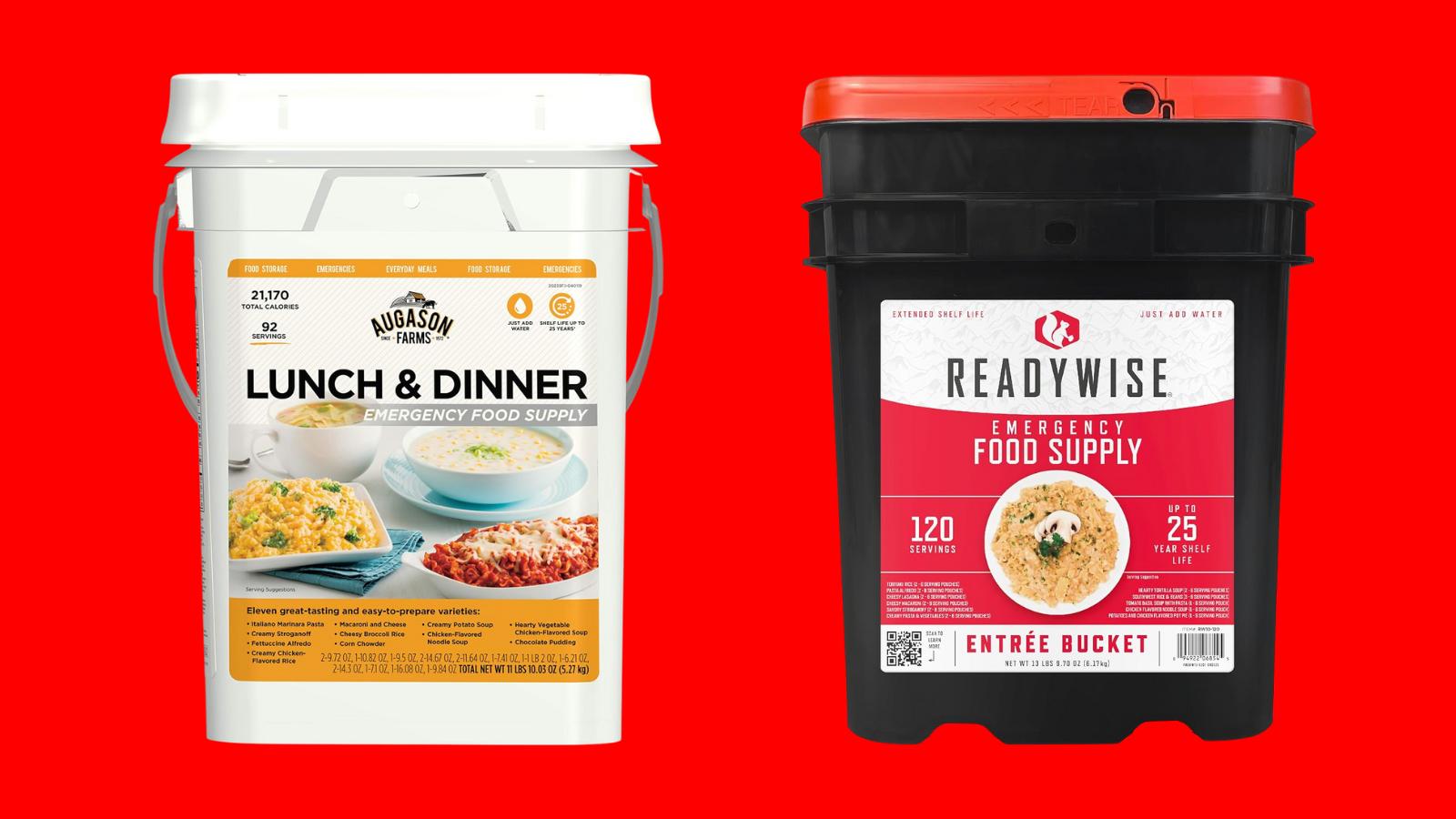
Dehydrated and freeze-dried foods offer excellent options for emergency food storage. These foods last long without refrigeration. They keep most of their nutrients and taste. Light in weight and easy to store. Preparing meals with them saves time and water. They fit well in small storage spaces. These qualities make them popular for emergency kits.
Fruits And Vegetables
Dehydrated and freeze-dried fruits and vegetables retain much of their flavor and nutrition. Common choices include:
- Apples
- Bananas
- Strawberries
- Peas
- Carrots
- Spinach
Freeze-dried options rehydrate quickly and can be eaten as snacks or added to meals. Dehydrated veggies are perfect for soups and stews. Both types are lightweight and easy to carry.
Meats And Proteins
Proteins are essential for energy and muscle health during emergencies. Freeze-dried meats keep their taste and texture well. Popular choices include:
- Chicken
- Beef
- Turkey
- Fish
Freeze-dried eggs and cheese powder are also good protein sources. Dehydrated beans and lentils offer plant-based protein options. These proteins store for years and need only water to prepare.
Complete Meal Kits
Complete meal kits combine proteins, grains, and vegetables in one package. They are designed for quick and easy meal preparation. Benefits include:
- Balanced nutrition
- Long shelf life
- Minimal cooking required
These kits often only need hot water. They are ideal for situations with limited cooking tools. A great choice for emergency preparedness and outdoor activities.
Nutritious Snacks And Supplements
Nutritious snacks and supplements are essential when preparing your emergency food supply. They keep your energy up and help maintain your health when fresh food isn’t available. Choosing the right snacks and supplements can make a big difference in how well you feel during stressful situations.
Nuts And Seeds
Nuts and seeds pack a powerful punch of nutrients in a small package. They provide healthy fats, protein, and important minerals like magnesium and zinc. Almonds, walnuts, sunflower seeds, and pumpkin seeds are great choices because they store well without refrigeration.
Have you noticed how a handful of nuts keeps hunger at bay longer than typical snacks? That’s because their fats and fiber digest slowly, giving you sustained energy. Plus, they’re easy to grab and eat on the go, making them perfect for emergencies.
Energy Bars And Trail Mixes
Energy bars and trail mixes combine multiple ingredients to give you a balanced boost. Look for bars with natural ingredients and minimal added sugar to avoid energy crashes. Trail mixes with dried fruits, nuts, and a bit of dark chocolate offer a mix of carbs, fats, and antioxidants.
When I packed my emergency kit, I included several bars and mixes. They came in handy during power outages and long hikes, proving their value beyond just emergencies. Would you want to rely on snacks that spoil quickly or leave you feeling hungry soon after?
Vitamins And Electrolytes
Supplements like vitamins and electrolytes fill the gaps that food might miss during emergencies. Vitamin C, D, and B-complex help support your immune system and energy levels. Electrolyte powders or tablets prevent dehydration, especially if water supply is limited or you’re physically active.
Think about how you feel after a day without enough water and nutrients. Adding these supplements to your emergency stash ensures you stay strong and alert. What steps have you taken to keep your body balanced when food options are limited?

Credit: www.goodhousekeeping.com
Water And Hydration Essentials
Water is the most critical element to have on hand during emergencies. Without clean water, your body cannot function properly, and dehydration sets in quickly, especially in stressful situations. Understanding the best ways to store and purify water can make a huge difference in staying healthy and hydrated.
Bottled Water
Bottled water is the simplest and most convenient hydration option for emergencies. Choose sturdy bottles with airtight seals to ensure the water stays clean and uncontaminated over time. Store at least one gallon of water per person per day, considering both drinking and basic hygiene needs.
Keep the bottles in a cool, dark place away from direct sunlight and chemicals. Rotate your water supply every six months to maintain freshness. Have you checked your bottled water stash lately to make sure it’s still safe to drink?
Water Purification Methods
In some emergencies, your stored water might run out or become unsafe. That’s when water purification methods become essential. Having tools and knowledge to purify water can save you from drinking contaminated water.
- Boiling:Boil water for at least one minute to kill bacteria and viruses. This is one of the most reliable methods but requires a heat source.
- Water Purification Tablets:These tablets are lightweight and easy to carry. They use chemicals like iodine or chlorine to disinfect water quickly.
- Portable Water Filters:Filters can remove bacteria, protozoa, and some viruses. Look for filters with a pore size of 0.1 to 0.4 microns for effective purification.
Which method suits your emergency kit best? Consider your environment and available resources when choosing your water purification strategy. Having multiple options will increase your chances of staying hydrated safely.
Special Dietary Considerations
When preparing emergency food supplies, it’s essential to consider special dietary needs. Not everyone can rely on standard food options, and having suitable alternatives ensures everyone in your household stays nourished. Think about your family’s unique requirements and make your emergency stockpile inclusive.
Gluten-free Options
If you or someone you know has gluten intolerance or celiac disease, gluten-free foods are a must. Stock items like rice, quinoa, and certified gluten-free oats. These grains last long and offer good nutrition.
Don’t forget gluten-free canned beans, soups, and pasta. These can be lifesavers when you need quick meals. Check labels carefully to avoid hidden gluten sources.
Vegetarian And Vegan Choices
Vegetarians and vegans need plant-based proteins and nutrients during emergencies. Canned lentils, chickpeas, and black beans provide protein and fiber. Nut butters and dried nuts add healthy fats and energy.
Dehydrated vegetables and fortified plant-based milk powders are great to have on hand. You might be surprised how easy it is to keep a balanced diet with just a few staples. Have you tried making a simple vegan chili with canned beans and spices? It’s filling and easy to prepare.
Allergy-friendly Foods
Food allergies can be life-threatening, so avoid common triggers like nuts, dairy, or shellfish in your emergency stash if needed. Substitute with safe alternatives such as sunflower seed butter instead of peanut butter or coconut milk powder instead of dairy.
Keep allergy-friendly snacks like rice cakes, dried fruit, and seeds available. Label everything clearly to prevent confusion during stressful times. How would you manage meal prep if allergies limited your options?

Credit: www.forbes.com
Tips For Proper Storage
Proper storage keeps your emergency food fresh and safe for long periods. It prevents spoilage and waste. Understanding key storage tips helps maintain food quality and nutrition. Focus on controlling temperature and humidity, managing expiry dates, and choosing the right packaging.
Temperature And Humidity Control
Store food in a cool, dry place to extend shelf life. Ideal temperature is below 75°F (24°C). Avoid areas with high heat or direct sunlight. High humidity can cause mold and spoilage. Use a dehumidifier or moisture absorbers if needed. Keep foods away from damp basements or garages.
Rotation And Expiry Management
Use the First In, First Out (FIFO) system. Eat older food before newer supplies. Check expiration dates regularly. Remove expired items to avoid health risks. Label foods with purchase or storage dates. Keep a list of stored items and their expiry for easy tracking.
Packaging And Containers
Use airtight containers to protect from air and pests. Food-grade plastic, glass jars, or metal cans work well. Vacuum sealing extends shelf life by removing oxygen. Avoid damaged or opened packaging. Store dry goods in sealed bags or bins to keep insects out.
Frequently Asked Questions
What Are The Best Long-lasting Emergency Foods?
The best long-lasting emergency foods include canned beans, rice, dried pasta, powdered milk, and freeze-dried fruits. These items have a long shelf life and provide essential nutrients during emergencies. They are easy to store and prepare without refrigeration.
How Should I Store Emergency Food For Maximum Shelf Life?
Store emergency food in a cool, dry, and dark place to maximize shelf life. Use airtight containers or vacuum-sealed bags to prevent moisture and pests. Rotate your stock every 6-12 months to keep food fresh and safe for consumption.
Which Emergency Foods Provide The Most Energy?
High-energy emergency foods include nuts, peanut butter, granola bars, and dried fruits. These foods are calorie-dense and provide quick energy. They are also lightweight and easy to carry, making them ideal for emergency situations.
Can I Store Fresh Food For Emergencies?
Fresh food has a limited shelf life and is not ideal for long-term emergency storage. Instead, focus on canned, dried, and freeze-dried foods. If you want fresh options, consider growing a small emergency garden for short-term use.
Conclusion
Storing the right foods keeps you ready for any emergency. Choose items that last long and provide energy. Think about your family’s tastes and needs too. Don’t forget water and easy-to-prepare meals. Rotate your supplies regularly to keep them fresh.
Planning ahead brings peace of mind and safety. Start small, then build your emergency food stock over time. Being prepared helps you face unexpected situations with confidence.