Have you ever wondered how much food you really need to store for emergencies? It’s a question that can feel overwhelming, but knowing the right amount can give you peace of mind when it matters most.
Imagine being prepared without the stress of overbuying or running short when you need it most. You’ll discover simple, clear guidelines to help you plan your emergency food supply perfectly. Keep reading, and you’ll feel confident and ready to protect yourself and your loved ones no matter what happens.
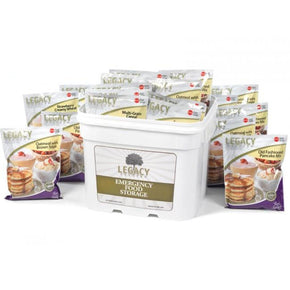
Credit: prepsos.com
Estimating Your Food Needs
Estimating your food needs is a crucial step in preparing for emergencies. You want to store enough food to keep everyone healthy and comfortable without wasting space or resources. Understanding how much food your household requires daily helps you build a smart, reliable food supply.
Daily Caloric Requirements
Each person needs a certain amount of calories to stay active and healthy. On average, adults require between 1,800 and 2,400 calories per day. Kids, seniors, and people with different activity levels will need more or less.
Think about your family’s typical daily energy use. Are they very active, or mostly resting? This affects how many calories you should plan for. You can find calculators online that help estimate these needs based on age, gender, and activity.
Meal Planning Basics
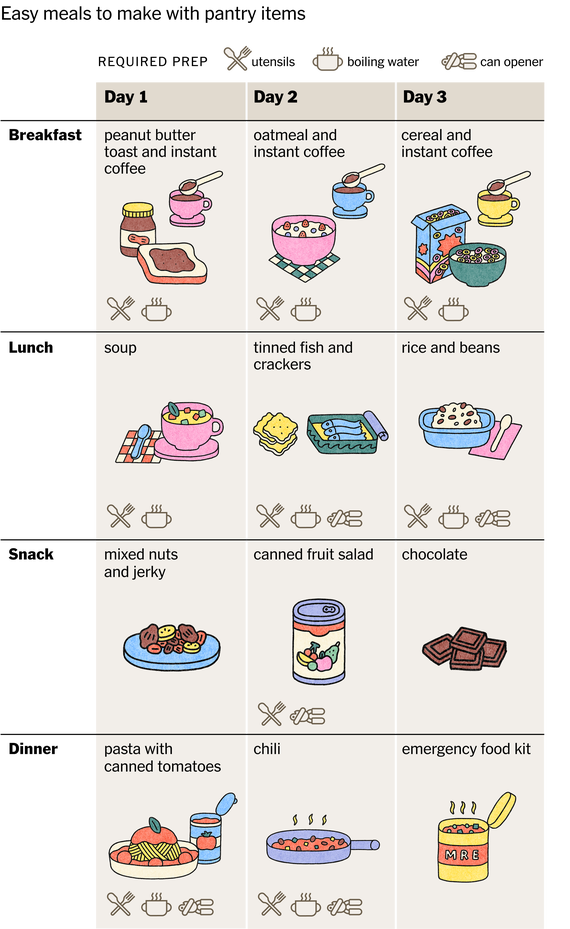
Once you know daily calorie needs, break that down into meals and snacks. Aim for balance—include proteins, carbohydrates, fats, and vitamins. Think about easy-to-store foods that provide these nutrients.
Planning meals ahead makes shopping and storage simpler. For example, canned beans and rice can cover carbs and protein, while powdered milk or nuts add fats and calories. Would you prefer ready-to-eat meals or ingredients to cook?
Adjusting For Family Size
More people means more food, but not always in a simple multiply-by-number way. Children often eat less than adults, and seniors might need fewer calories. Consider special dietary needs too, like allergies or medical conditions.
If you have pets, include their food needs in your plan. Also, think about how long you want your food to last. Is it for a week, a month, or longer? This affects how much you buy and how you store it.

Credit: www.forbes.com
Types Of Emergency Food
Knowing what types of food to store can make a huge difference in your emergency preparedness. Your food supply should cover your basic nutritional needs while being easy to store and prepare. Different types of emergency food serve different purposes, so it’s smart to mix and match to fit your situation and taste.
Non-perishable Staples
Non-perishable foods form the backbone of any emergency food supply. Items like rice, dried beans, pasta, and canned vegetables last for months or even years without refrigeration. These staples provide essential carbohydrates, proteins, and fiber to keep your energy up during uncertain times.
Consider including canned meats, peanut butter, and powdered milk. These add variety and important nutrients. Don’t forget to rotate your stock regularly to keep everything fresh.
Ready-to-eat Meals
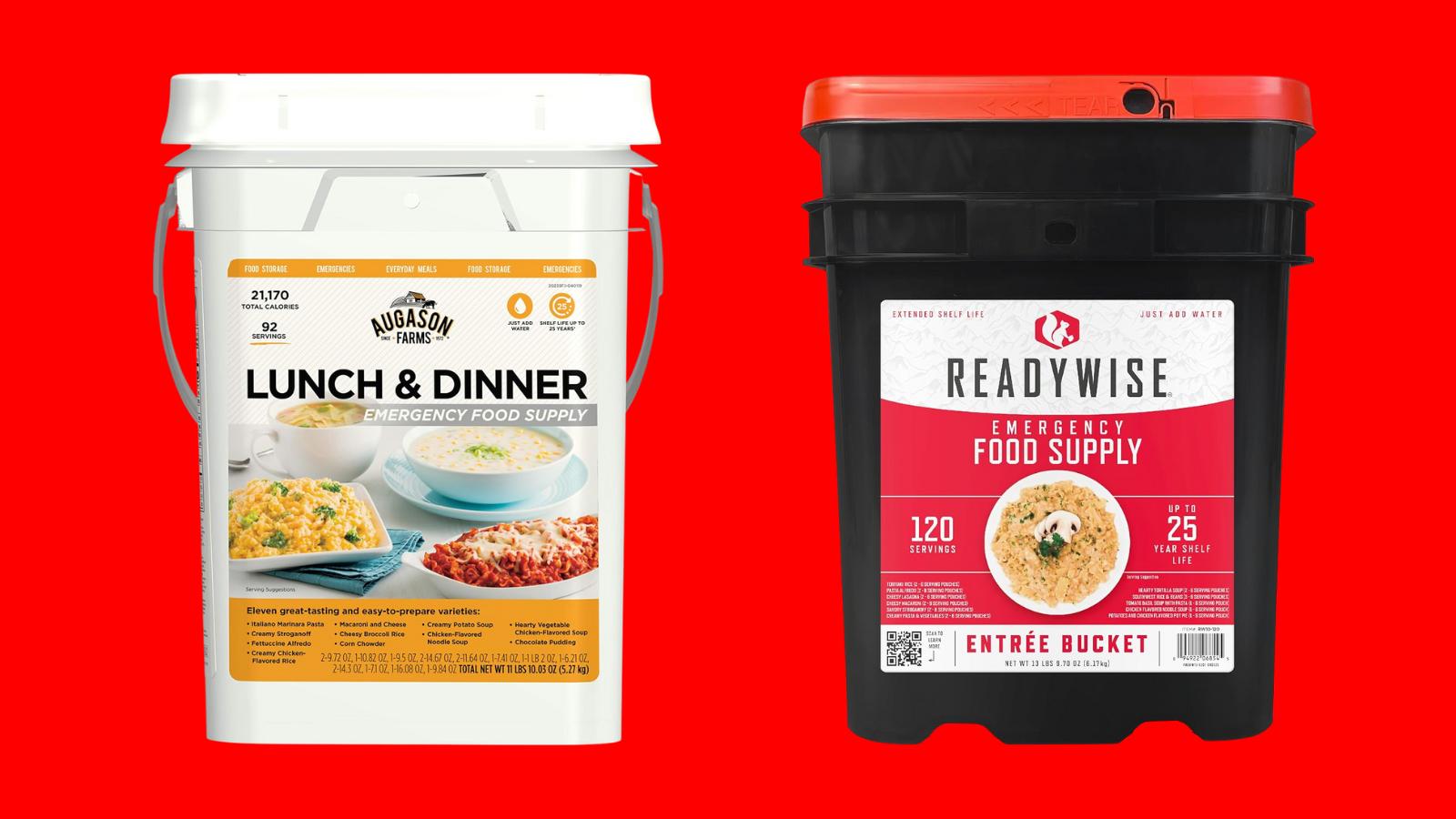
Ready-to-eat meals save precious time and effort when you’re in a pinch. Freeze-dried or dehydrated meals only need water and minimal cooking, perfect if power or gas is out. You can find options ranging from breakfast scrambles to hearty stews.
Think about your daily routine and how much time you’ll realistically have to cook. Having a few ready-to-eat meals on hand can relieve stress and ensure you’re still eating well when conditions are tough.
Special Dietary Considerations
Your emergency food stash should reflect your personal and family dietary needs. If you’re vegan, gluten-free, or have allergies, you’ll need to plan accordingly. Stocking suitable alternatives like gluten-free grains or plant-based protein powders is crucial.
Do you have infants or elderly family members? Baby formula, easy-to-digest foods, and supplements might be necessary. Planning ahead means you won’t face a tough situation unprepared.
Storage Duration Guidelines
Knowing how long you can safely store your emergency food supplies is key to planning how much to keep on hand. Food storage duration affects not just quantity but also the type of food you choose. Let’s look at guidelines that help you balance freshness, nutrition, and preparedness.
Short-term Vs Long-term Storage
Short-term storage means keeping food for a few days to a few months. These foods often include fresh produce, dairy, and refrigerated items. You’ll want to rotate these quickly to avoid waste.
Long-term storage is about holding food for several months to years. Think canned goods, dried beans, and freeze-dried meals. These require proper packaging and cool, dry storage to maintain quality.
Ask yourself: How long do you realistically need your food to last? This helps you decide between stocking more fresh items or investing in long-lasting staples.
Shelf Life Of Common Foods
| Food Type | Typical Shelf Life | Storage Tips |
|---|---|---|
| Canned Vegetables & Fruits | 1-5 years | Store in cool, dark place; check seals regularly |
| Dried Beans & Lentils | 2-3 years | Keep in airtight containers away from moisture |
| Rice (White) | 4-5 years | Use sealed containers; avoid exposure to pests |
| Freeze-Dried Meals | 10-25 years | Store in vacuum-sealed packaging; avoid humidity |
| Fresh Bread & Produce | Days to weeks | Keep refrigerated or freeze for longer storage |
Knowing these shelf lives helps you avoid surprises when you open your food stockpile. Have you ever found expired canned goods when you needed them most? Planning ahead can save you from that frustration.
Rotation And Replacement Tips
Rotate your food by using the “first in, first out” rule. Eat older items first and replace them with fresh stock. This keeps your supply fresh and useful.
Mark purchase or expiration dates on your containers. Set reminders to check your supplies every few months. This small habit can prevent big waste and ensures you’re always ready.
Don’t forget to test your emergency meals periodically. Tasting your stored food helps you confirm its quality and makes you more confident in your preparedness.
How often do you check your emergency food? Setting a simple schedule can keep you ahead of spoilage and surprises.

Credit: www.mypatriotsupply.com
Calculating Quantity For Different Scenarios
Calculating how much food to store depends on the type of emergency. Different scenarios demand different amounts of food. You must consider the number of people, duration, and special needs. Planning carefully ensures you have enough without waste.
Natural Disasters
Natural disasters like hurricanes or earthquakes may cut off access to stores. Prepare food for at least three days for each person. Include water, ready-to-eat meals, canned goods, and snacks. Think about energy needs and easy preparation. Keep a variety of foods to meet different tastes and nutrition.
Power Outages
Power outages may last from a few hours to several days. Store food that does not need refrigeration. Choose items like canned fruits, nuts, and dried grains. Plan for at least 24 to 72 hours of food supply. Include foods that require minimal or no cooking. Remember to have manual can openers and clean water.
Extended Isolation Periods
Extended isolation can occur during pandemics or severe weather. Stock food for two weeks or more. Include a balanced mix of proteins, carbohydrates, and fats. Consider dietary restrictions and preferences. Freeze dry and vacuum-sealed meals help save space and last longer. Rotate your stock regularly to keep food fresh.
Packaging And Storage Solutions
Storing food for emergencies requires smart packaging and storage solutions to keep your supplies safe and fresh. How you package your food can make the difference between a well-preserved emergency stash and spoiled goods. Let’s look at some practical ways to protect your food over time.
Containers And Sealing Methods
Choosing the right containers is essential for preserving food quality. Airtight containers like Mylar bags, vacuum-sealed bags, and food-grade buckets with gamma lids prevent air and moisture from getting in.
Vacuum sealing removes oxygen, which slows down spoilage. Mylar bags combined with oxygen absorbers can extend shelf life for years. Resealable containers also work well if you plan to use the food gradually.
Think about your storage space and how easy it is to open and reseal containers during an emergency. Have you tried vacuum sealing your grains or dried beans? It can be a game-changer for long-term freshness.
Ideal Storage Conditions
Temperature and humidity impact food longevity more than most people realize. Store your food in a cool, dry place away from direct sunlight. Temperatures between 50°F and 70°F are best for most emergency foods.
High humidity can cause mold and spoilage, especially in grains and dried goods. Use moisture absorbers or silica gel packets inside containers to keep humidity low. Check your storage area regularly to ensure it stays dry and cool.
Ever noticed how a pantry near a water heater gets damp and warm? Avoid those spots to protect your food investment. Your goal is to create an environment where food stays stable for months or years.
Protecting Food From Pests
Rodents, insects, and even mold can ruin your emergency food supply quickly. Seal containers tightly and avoid using cardboard boxes alone—they attract pests and absorb moisture.
Metal or heavy-duty plastic containers with secure lids provide a strong barrier. You can also place containers on shelves or pallets to keep them off the ground and out of reach of pests.
Consider natural pest repellents like bay leaves or dried chili peppers inside storage areas. Have you ever found tiny holes in your stored beans? It’s a clear sign pests got in, so take precautions early.
Water Storage Essentials
Storing enough food for emergencies means planning for at least three days per person. Focus on non-perishable, easy-to-prepare items that provide good nutrition and energy. Adjust quantities based on family size and special dietary needs.
Storing water is a critical part of emergency preparedness. Imagine being caught in an unforeseen situation without access to clean water—it’s a scenario no one wants to face. Having an adequate supply of water not only ensures your survival but also provides peace of mind. Understanding the essentials of water storage can make all the difference in an emergency.Daily Water Requirements
Each person needs about one gallon of water per day for drinking and sanitation. This amount covers basic hydration needs and minimal washing. Consider storing extra if you have pets or if you’re in a hot climate, where water needs can increase significantly.Safe Water Storage Tips
Use food-grade water storage containers. These are designed to keep water safe and free from contaminants. Store your water in a cool, dark place to prevent algae growth and degradation. Rotate your water supply every six months to ensure freshness.Water Purification Methods
If you’re unable to store large quantities of water, knowing how to purify it is vital. Boiling is one of the simplest and most effective methods. Consider investing in water purification tablets or a portable filter for added security. Have you ever thought about how a simple drop of bleach can purify a gallon of water? These methods can be lifesavers in a pinch.Supplementing Your Food Supply
Storing enough food for emergencies is crucial, but supplementing your food supply can make your stockpile last longer and feel more manageable. Adding fresh or locally sourced food can improve nutrition and variety, keeping morale high during tough times. How can you expand your food resources beyond canned goods and dry staples?
Gardening And Growing Food
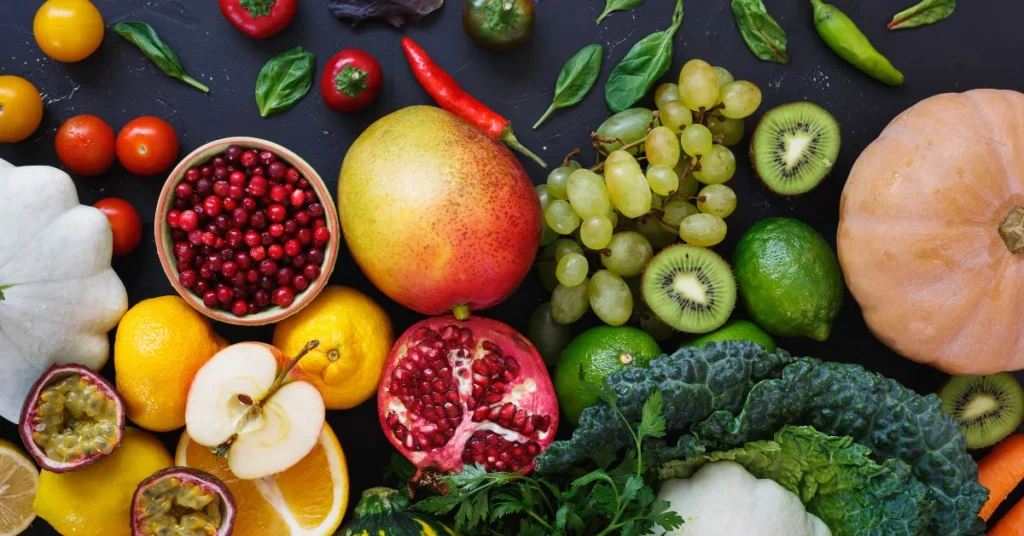
Growing your own food adds fresh vegetables and herbs to your emergency stash. Even a small garden or container plants can produce tomatoes, lettuce, or peppers that brighten your meals. Starting a garden early means you’ll have a steady supply when other options run low.
Think about easy-to-grow plants like radishes or spinach, which mature quickly. What if you had a few pots of herbs on your windowsill? They require little space but add flavor and nutrients to your meals.
Hunting And Fishing
If you live near forests, lakes, or rivers, hunting and fishing can provide fresh protein sources. This skill can stretch your stored food further and offer variety. It’s important to know local regulations and practice safety before relying on these methods.
Imagine catching your own fish for dinner — it’s rewarding and practical. Have you considered what gear or licenses you might need to start fishing or hunting responsibly?
Community Food Sharing
Building relationships with neighbors can create a support network for sharing food and resources. Trading extra canned goods for fresh eggs or garden produce benefits everyone involved. This approach can also help reduce waste and strengthen community bonds.
Could you start a food swap group or join a local gardening club? Collaborating with others expands your food options beyond what you can store alone.
Frequently Asked Questions
How Much Food Should I Store Per Person For Emergencies?
Store at least a two-week supply of non-perishable food per person. Include varied items like canned goods, grains, and dried fruits. This ensures balanced nutrition and sufficient calories during emergencies.
What Types Of Food Last Longest For Emergency Storage?
Choose foods like rice, beans, canned vegetables, and freeze-dried meals. These items have long shelf lives, often lasting years. Proper storage in airtight containers extends their usability.
How Do I Calculate Daily Calorie Needs For Emergency Food Storage?
Calculate daily calories based on age, gender, and activity level. Most adults need 2,000 to 2,500 calories daily. Multiply by the number of days to plan total emergency food supplies.
Should I Store Water Along With Emergency Food Supplies?
Yes, store at least one gallon of water per person daily. Water is essential for drinking, cooking, and hygiene during emergencies. Plan for at least a two-week water supply.
Conclusion
Storing enough food can keep you safe during emergencies. Plan for at least three days of supplies per person. Include water, non-perishable foods, and special dietary needs. Check your stock regularly and replace expired items. Keep your storage easy to access and organized.
Being prepared reduces stress and helps your family stay calm. Start small and build your food supply over time. Preparedness brings peace of mind in uncertain times.