When an emergency strikes, having the right food stored can make all the difference for you and your loved ones. But where do you start?
How do you choose what to store, and how much is enough? This guide will walk you through simple, practical steps to help you prepare your food storage smartly and confidently. By the end, you’ll feel ready to protect your family’s well-being, no matter what comes your way.
Keep reading—you’ll discover easy tips that anyone can follow, even if you’ve never thought about emergency food storage before.

Credit: mountainhouse.com
Choosing The Right Foods
Choosing the right foods for emergency storage matters a lot. Food must last long and keep you healthy. You want variety to avoid boredom and nutrient gaps. Focus on foods that stay safe for months or years. Consider what your body needs to stay strong and active. Keep your family’s tastes and health in mind too.
Non-perishable Staples
Staples form the base of your emergency food supply. These foods last a long time without spoiling. Examples include:
- Rice and pasta
- Canned beans and vegetables
- Dried lentils and peas
- Powdered milk
- Salt and sugar
Choose staples that store easily and cook with little water or fuel. Look for sealed packaging to keep pests out.
High-energy Options
Energy keeps you going during tough times. Pick foods rich in calories and nutrients. Good options are:
- Nuts and seeds
- Peanut butter
- Granola bars
- Chocolate
- Instant oatmeal
These foods provide quick energy and are easy to eat. They help maintain strength and focus.
Special Dietary Needs
Consider allergies and medical diets in your group. Some may need gluten-free, low-sodium, or diabetic-friendly foods. Include:
- Gluten-free grains like quinoa
- Low-sugar canned fruits
- Salt-free canned vegetables
- Protein powders or supplements
Label these foods clearly. Keep enough variety to meet everyone’s health needs.

Credit: www.forbes.com
Storage Containers And Packaging
Choosing the right storage containers and packaging is crucial for keeping your emergency food fresh and safe. The containers you pick can make a big difference in how long your supplies last and how easy they are to organize. Let’s look at some effective options that protect your food from moisture, air, and pests.
Airtight Containers
Airtight containers seal out air and moisture, which helps prevent spoilage and keeps your food fresh longer. You can use plastic, glass, or metal containers as long as they have a secure lid.
Look for containers with a rubber gasket or locking clips to ensure a tight seal. These containers work well for storing dry foods like rice, beans, and pasta. Plus, they make it simple to see what you have at a glance.
Have you ever opened a container only to find stale or moldy food inside? Airtight storage can save you from that unpleasant surprise.
Vacuum Sealing
Vacuum sealing removes air from the packaging, which slows down oxidation and prevents the growth of bacteria and mold. This method extends the shelf life of many foods, especially meats, grains, and freeze-dried items.
Using a vacuum sealer is straightforward and can be a game-changer for your emergency food storage. It also reduces the bulk of packages, making it easier to store more food in less space.
Consider vacuum sealing smaller portions for quick access during an emergency. It’s a smart way to keep food fresh without waste.
Using Mylar Bags And Oxygen Absorbers
Mylar bags paired with oxygen absorbers offer excellent protection against air and moisture. The reflective Mylar material blocks light, which helps preserve the nutrients and flavor of your stored food.
Oxygen absorbers inside the bags remove oxygen, which slows down spoilage and insect activity. This combo is especially popular for long-term storage of grains, dehydrated fruits, and powdered foods.
Have you tried opening a Mylar bag only to find the food still fresh years later? It’s a powerful reminder of how proper packaging can make a real difference.
Temperature And Environment Control
Proper temperature and environment control are vital for food storage during emergencies. Controlling these factors ensures food stays safe and consumable longer. Below are key elements to consider when managing storage conditions.
Ideal Storage Conditions
Maintain a consistent temperature for stored food. Ideal ranges are between 50°F and 70°F. Avoid placing food in areas with direct sunlight. Sunlight can cause temperature fluctuations. Keep storage areas clean and dry. This helps in maintaining food quality.
Dealing With Humidity
Humidity can spoil food quickly. Use dehumidifiers or silica gel packs. These reduce moisture in the air. Seal food items in airtight containers. This prevents moisture from seeping in. Check for signs of dampness regularly. Adjust your storage solutions as needed.
Preventing Pests And Contamination
Pests can ruin stored food. Use pest-resistant containers. Metal or thick plastic options work best. Store food off the ground to deter pests. Keep the area tidy to avoid attracting insects or rodents. Regularly inspect for signs of pest activity. Take immediate action if needed.
Rotation And Shelf Life
Proper rotation and understanding shelf life are vital in emergency food storage. They keep your supplies fresh and safe to eat. These practices prevent waste and ensure you always consume the oldest food first. Organizing your food storage this way helps maintain a reliable supply during emergencies.
First In, First Out Method
The First In, First Out (FIFO) method means using older food before newer food. Store new items behind the older ones on shelves. This simple system reduces the chance of food expiring. It also makes managing your emergency food easier and more efficient.
Labeling And Dating
Label each food item clearly with the purchase or storage date. Use waterproof markers or labels that stick well. Include the expiration date if available. This practice helps you track how long food has been stored. It also guides you in choosing which items to use first.
Checking For Spoilage
Regularly inspect your food for signs of spoilage. Look for discoloration, strange smells, or damaged packaging. Discard any food that looks or smells off. This check keeps your emergency food safe and prevents illness. Always trust your senses and when in doubt, throw it out.
Water Storage Essentials
Water is vital for survival during any emergency. Proper water storage ensures access to clean drinking water. It also helps maintain hygiene and food preparation needs. Planning water storage can prevent dehydration and illness. Understanding the essentials of water storage is key to effective emergency preparedness.
Safe Containers
Choose containers made from food-grade plastic or glass. Avoid containers that held chemicals or non-food items. Clean containers thoroughly before use. Seal containers tightly to prevent contamination. Store water in a cool, dark place away from direct sunlight. Label containers with the date of storage to track freshness.
Purification Methods
Boiling water kills most harmful germs. Boil water for at least one minute before use. Use water purification tablets for quick treatment. Follow instructions carefully for safe results. Household bleach can disinfect water in emergencies. Use only unscented bleach and add four drops per quart. Let the water sit for 30 minutes before drinking.
Calculating Water Needs
Plan for at least one gallon per person each day. This covers drinking and basic hygiene. Children and pregnant women may need more water. Consider storing extra water for cooking and cleaning. Calculate needs based on the number of people and days. Regularly check and replace stored water to keep it fresh.
Emergency Cooking Solutions
When disaster strikes, having reliable cooking options can make a huge difference in your comfort and nutrition. Emergency cooking solutions help you prepare meals even when power and gas lines are down. You don’t have to depend solely on canned food—you can still enjoy hot meals or nutritious snacks if you plan ahead.
Portable Stoves And Fuel
Portable stoves are a lifesaver during emergencies. Small, lightweight, and easy to use, they give you the freedom to cook anywhere. But the real key is the type of fuel you choose—propane, butane, or solid fuel tablets all have different storage needs and burn times.
Think about how much fuel you will need for at least a week of cooking. Keep extra fuel stored safely and check expiration dates regularly. I once underestimated fuel requirements during a camping trip, which left me eating cold meals for two days—don’t make the same mistake.
No-cook Meal Ideas
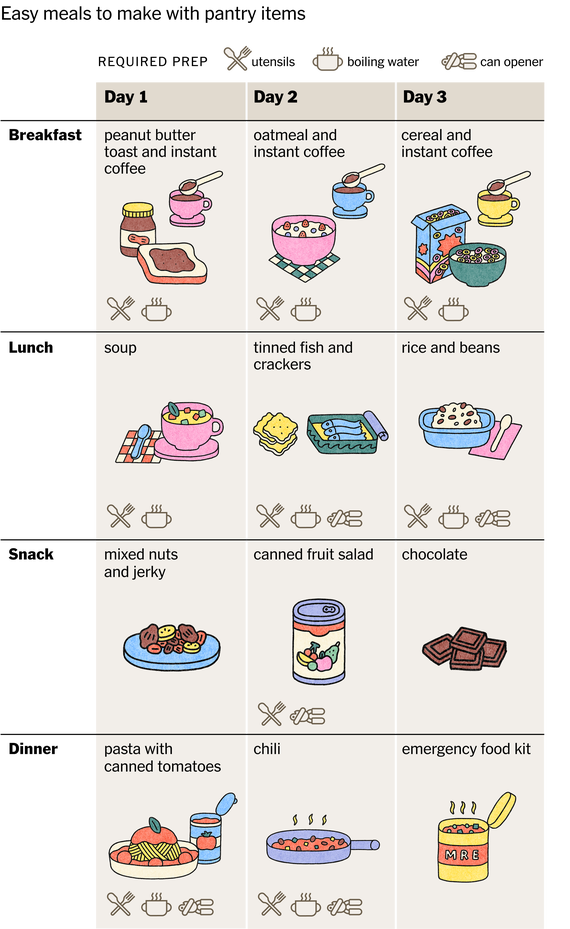
No-cook meals are perfect when you want to save fuel or when stove use isn’t possible. Stock up on ready-to-eat items like canned tuna, peanut butter, nuts, and dried fruits. You can create balanced meals by mixing these with fresh vegetables or whole grain crackers.
What’s your go-to no-cook meal? Having a few favorites ready will help you avoid last-minute scrambling. Try layering yogurt with granola and honey, or whip up a quick salad with canned beans and olive oil for a filling option.
Alternative Heating Methods
If you don’t have access to conventional stoves, alternative heating methods can keep you warm and fed. Solar ovens use the sun’s energy to cook food, making them eco-friendly and fuel-free. Just make sure you have a sunny spot and a little patience.
Candles or alcohol burners can also provide heat, but safety is crucial—never leave them unattended. Another option is using a campfire if regulations and safety allow. These methods require planning and practice, so test them before an emergency arises.
Special Considerations
Special considerations in emergency food storage go beyond just stocking up on canned goods and dry staples. Your unique household needs can impact what and how you store food. Paying attention to these details ensures that your emergency supplies truly support everyone in your home.
Storing Baby And Pet Food
Babies and pets need specific types of food that can’t be easily substituted. Baby formula and pet food often have shorter shelf lives and require careful storage conditions.
Keep baby formula sealed in original containers and store it in a cool, dry place away from direct sunlight. If you use powdered formula, make sure to have clean water available for preparation.
Pet food comes in both dry and wet varieties. Dry pet food generally lasts longer and is easier to stockpile, but wet food provides better hydration. Rotate your pet food supplies regularly to avoid spoilage.
Allergen Management
Managing allergens during an emergency is critical if someone in your household has food allergies. Accidental exposure can be dangerous and disrupt your emergency preparedness.
Label all stored foods clearly and keep allergen-free foods separate from those containing common allergens like nuts, dairy, or gluten. Use airtight containers to prevent cross-contamination.
Consider keeping a list of safe foods and alternative options that can substitute allergenic ingredients. This helps you stay prepared and reduces stress during an emergency.
Backup Power For Refrigeration
Refrigeration is often overlooked in emergency food storage plans, but it can be a lifesaver for preserving perishables. Without power, refrigerated food spoils quickly, risking waste and foodborne illness.
Investing in a reliable backup power source, such as a generator or a solar-powered fridge, can extend the life of your refrigerated supplies. Make sure the power source is tested and fuel is stored safely.
Ask yourself: How long can your current refrigeration last without power? Planning for backup options gives you extra time to use or safely store perishable foods.
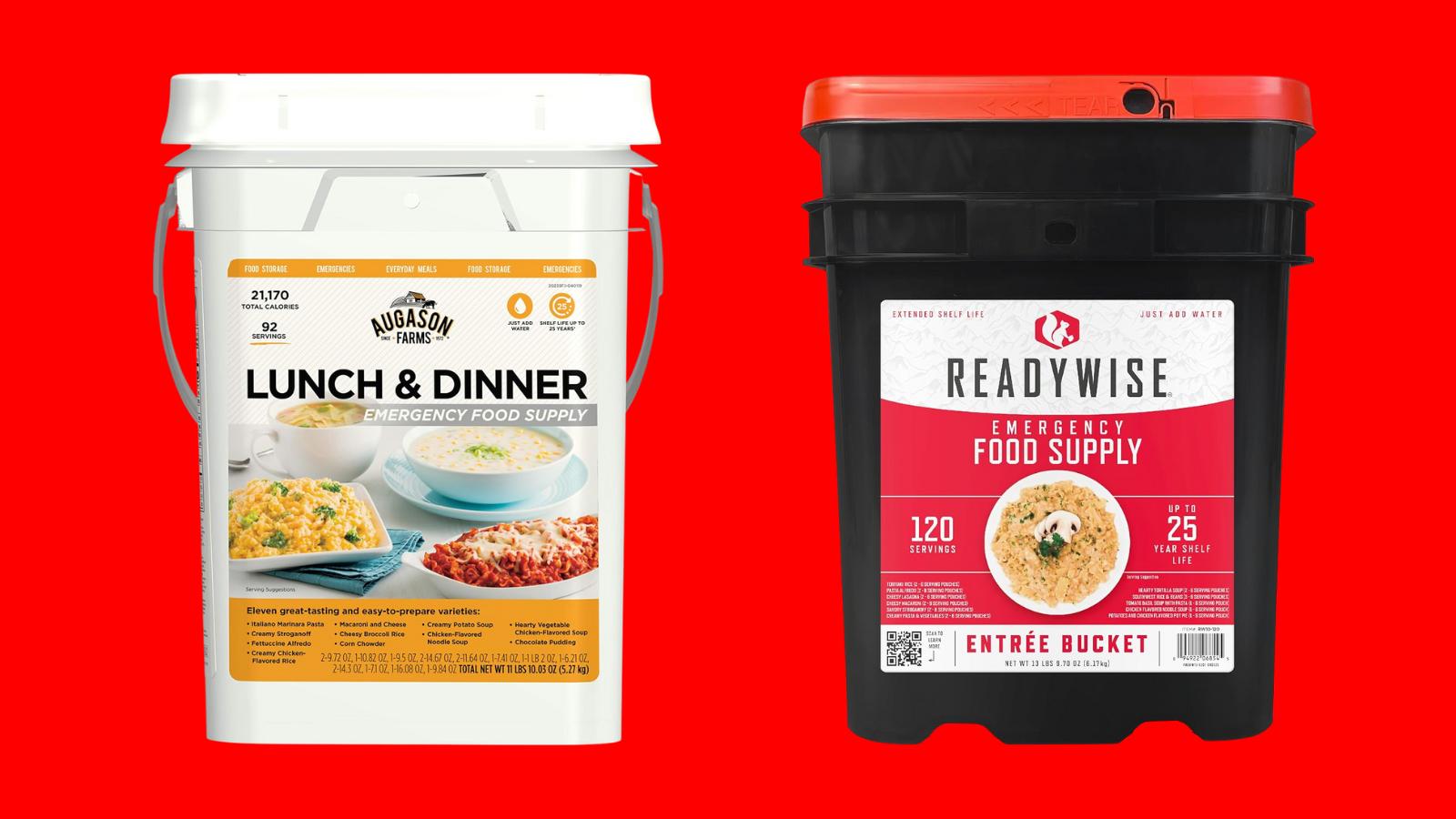
Credit: www.battlbox.com
Building A Long-term Food Supply
Building a long-term food supply is essential for emergency preparedness. It helps ensure food availability during unexpected events. Careful planning, smart purchases, and preservation techniques all play key roles. A stable food supply reduces stress and supports health when access to fresh food is limited.
Bulk Buying Tips
Buying food in bulk saves money and reduces frequent store trips. Focus on non-perishable items such as rice, beans, pasta, and canned goods. Check expiration dates to avoid waste. Store bulk items in airtight containers to keep pests away. Label containers with purchase dates for easy rotation. Buy from trusted sources to ensure quality and safety.
Preserving Fresh Produce
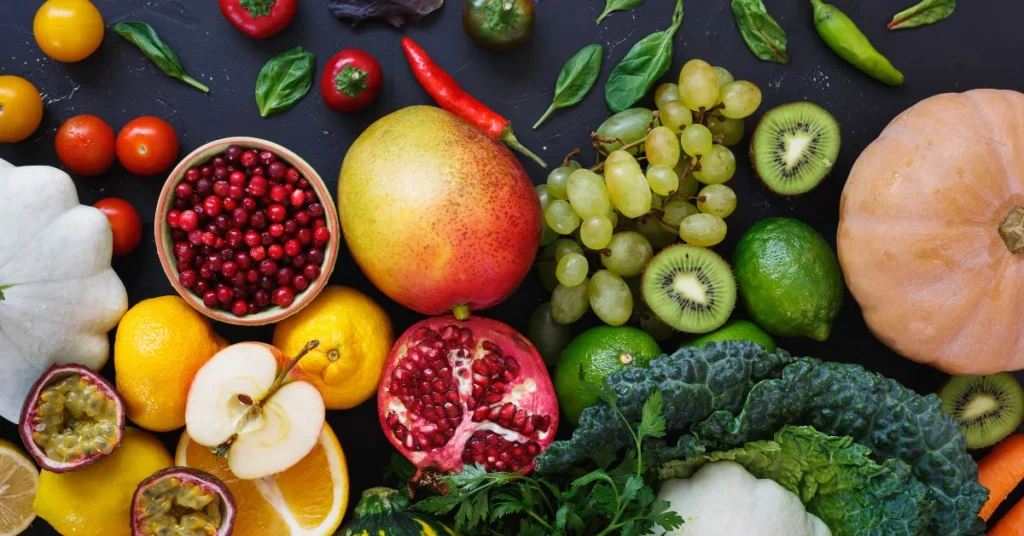
Fresh produce can spoil quickly, so preservation extends its shelf life. Freezing vegetables and fruits locks in nutrients and flavor. Drying or dehydrating removes moisture, preventing bacteria growth. Canning preserves food safely for months or years. Pickling adds flavor and keeps vegetables edible longer. Store preserved foods in cool, dark places for best results.
Gardening For Emergencies
Growing your own food offers fresh produce year-round. Start with easy vegetables like tomatoes, beans, and lettuce. Use containers or raised beds if space is limited. Save seeds from mature plants for next planting season. Water plants regularly and protect them from pests naturally. Gardening reduces reliance on stores and boosts food security during emergencies.
Frequently Asked Questions
What Are The Best Foods To Store For Emergencies?
The best emergency foods are non-perishable, nutritious, and easy to prepare. Examples include canned beans, rice, pasta, dried fruits, and nuts. These foods have long shelf lives and provide essential nutrients during a crisis.
How Long Can Emergency Food Supplies Last Safely?
Properly stored emergency food can last from six months to several years. Shelf life depends on packaging, storage conditions, and food type. Rotate supplies regularly to maintain freshness and avoid spoilage.
How Should I Store Food To Maximize Shelf Life?
Store food in cool, dry, and dark places to extend shelf life. Use airtight containers to prevent moisture and pests. Label items with purchase dates and rotate older supplies first.
Can I Store Fresh Produce For Emergencies?
Fresh produce has a limited shelf life and isn’t ideal for long-term storage. Instead, consider frozen, canned, or dehydrated fruits and vegetables for emergency use. These retain nutrients longer and reduce waste.
Conclusion
Storing food for emergencies is smart and necessary. Choose foods that last long and store them well. Keep your storage cool, dry, and dark to stay fresh. Rotate your supplies regularly to avoid waste. Plan meals with your stored food to stay healthy.
Being prepared helps you feel safe and calm. Start small and build your food storage over time. This simple step can make a big difference in emergencies. Stay ready, stay safe.