Are you facing unexpected financial challenges and wondering if Florida offers emergency food stamps to help you and your family? Knowing where to turn for quick support can make a huge difference when times get tough.
This article will guide you through everything you need to know about emergency food assistance in Florida—how to apply, who qualifies, and what to expect. Keep reading to find out if you can get the help you need right now.
Florida Food Stamp Program
The Florida Food Stamp Program plays a crucial role in helping residents facing food insecurity. It provides financial assistance to buy groceries, ensuring families don’t have to choose between essentials like food and bills. If you’re wondering whether Florida offers emergency food stamps or how the program works, understanding the basics can guide you through the process.
What Are Food Stamps?
Food stamps, officially known as the Supplemental Nutrition Assistance Program (SNAP), are benefits given to eligible individuals and families to purchase food. These benefits come in the form of an Electronic Benefit Transfer (EBT) card, which works like a debit card at most grocery stores.
Using food stamps is simple and discreet, helping you maintain your dignity while accessing nutritious food. Have you ever worried about stretching your grocery budget? SNAP can ease that pressure significantly.
Eligibility Criteria In Florida
To qualify for the Florida Food Stamp Program, you must meet certain income and resource limits set by the state. These limits depend on the size of your household and your monthly income.
- Your gross monthly income generally must be at or below 130% of the federal poverty level.
- Net income, after allowable deductions like housing costs and childcare, must be within program limits.
- You must be a Florida resident and a U.S. citizen or meet specific immigration status requirements.
- Adults aged 18-49 without dependents have work requirements unless exempt.
Have you checked your income against these criteria recently? Sometimes a small change in your earnings or household size can affect your eligibility. It’s worth reviewing before applying or reapplying for benefits.
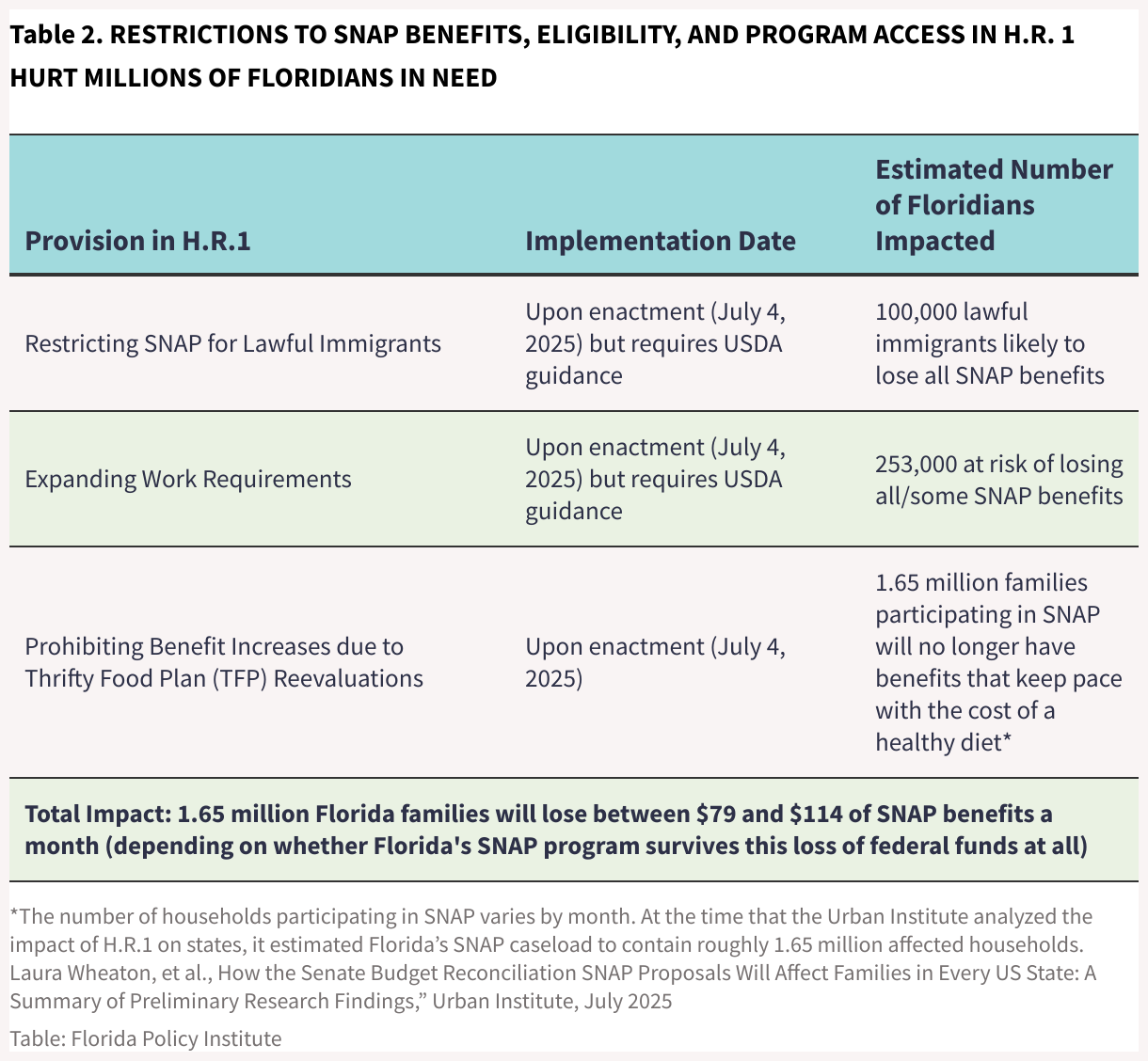
Credit: www.floridapolicy.org
Emergency Food Stamps Explained
Understanding emergency food stamps can be a vital resource if you or someone you know faces sudden financial hardship. These benefits provide quick assistance to help cover food costs during tough times. Let’s break down what emergency food stamps are and how they work, especially in Florida.
When Are Emergency Benefits Available?
Emergency food stamp benefits are designed to help people who need immediate support. You might qualify if your income drops suddenly or if you face unexpected expenses like medical bills or job loss.
In Florida, these benefits often become available within a few days of applying, much faster than regular food stamp applications. This quick turnaround can make a big difference when you need food assistance right away.
Have you ever experienced a sudden change that impacted your ability to buy groceries? Emergency benefits are meant to bridge that gap until your situation stabilizes.
How Emergency Food Stamps Differ
Emergency food stamps differ from regular benefits in a few key ways:
- Speed:Emergency benefits are processed much faster to provide immediate help.
- Duration:They usually cover a shorter time period, just enough to get you through the crisis.
- Eligibility:These benefits focus on urgent financial needs rather than ongoing income levels.
Think of emergency food stamps as a temporary boost rather than a long-term solution. They fill the gap when your regular support isn’t enough or hasn’t started yet.
Knowing these differences can help you decide when to apply and what to expect from the assistance. What would you do if you suddenly couldn’t afford your next meal?
Current Emergency Food Stamp Status In Florida
In the wake of unexpected events, knowing the current status of emergency food stamps in Florida can be crucial for many families. Florida has a history of responding to emergencies with measures like emergency food stamps to help those in need. Keeping up-to-date with recent announcements and understanding the impact of natural disasters can provide clarity and assistance when you need it most.
Recent Announcements And Updates
Florida frequently updates its emergency food stamp policies, especially after disasters. Recently, the state has announced specific criteria and application processes for those affected by recent hurricanes. You can find updates on official government websites or local news outlets, which provide timely information on eligibility and application deadlines.
Impact Of Natural Disasters And Crises
Natural disasters like hurricanes can severely disrupt daily life, leaving many without basic necessities. In such times, emergency food stamps become a lifeline for impacted families. It’s not just hurricanes; economic crises and pandemics have also prompted Florida to activate emergency food assistance programs.
Have you ever found yourself scrambling for resources after a storm? Many Floridians have shared similar experiences, highlighting the importance of these emergency programs. They offer a safety net, ensuring families can access nutritious food despite challenging circumstances.
Being prepared and informed can make a significant difference. Are you aware of the current resources available in your area? Staying informed not only aids you but can also empower you to help others in your community. Remember, knowledge is power, especially when it comes to securing your family’s well-being during emergencies.
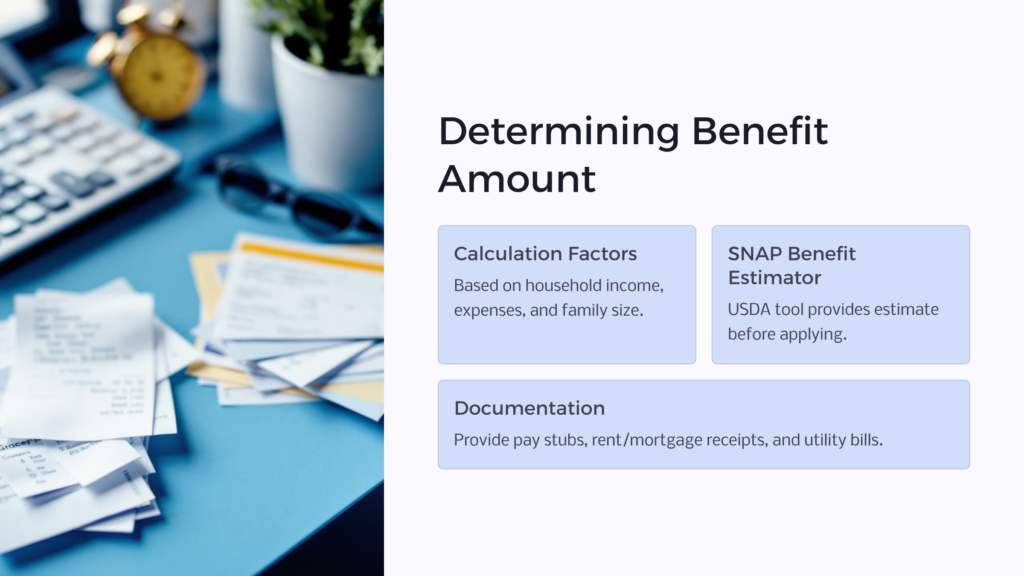
Credit: benefits.com
How To Apply For Emergency Food Stamps
Applying for emergency food stamps in Florida is a straightforward process designed to help you get assistance quickly during tough times. Understanding how to apply can save you valuable time and reduce stress, especially when you need support urgently.
Application Process
You can apply for emergency food stamps online, by phone, or in person. The quickest way is often through the Florida Department of Children and Families (DCF) website, where you can fill out an application form anytime. After submitting your application, expect a call or email to schedule an interview or request additional information.
Keep in mind that emergency food stamps are designed for immediate needs, so your application will be processed faster than regular requests. Have you checked your eligibility before applying? It helps to know your status to avoid delays.
Required Documents
Gathering the right documents before you apply will speed up the process. You’ll typically need:
- Proof of identity (like a driver’s license or state ID)
- Proof of income (pay stubs, unemployment benefits, or other earnings)
- Proof of residency (utility bill or lease agreement)
- Social Security numbers for all household members
- Details about your household expenses (rent, utilities, childcare)
Having these documents ready makes it easier to answer questions accurately and avoid follow-up requests. It’s a good practice to keep these papers organized for any future applications too.
Where To Apply
You can apply online at the Access Floridawebsite, which is the official portal for food assistance programs. If you prefer a personal touch, visit your local DCF office to get help with your application. Some community centers and non-profits also offer application assistance, so check if there’s one near you.
Applying in person can be helpful if you want immediate answers to your questions. Have you considered which option fits your needs best? Choosing the right place to apply could make the process smoother and faster for you.
Additional Resources And Assistance
If you find yourself in need of emergency food assistance in Florida, there are several additional resources beyond food stamps that can provide support. These options often fill gaps and offer immediate help when you need it most. Understanding where to turn can make a significant difference in managing your food security.
Local Food Banks And Pantries
Local food banks and pantries are vital community resources. They provide free groceries and meals to individuals and families facing food shortages. Many operate on a walk-in basis, while some require appointments, so checking their hours and rules in advance is helpful.
In Florida, organizations like Feeding Florida coordinate with numerous local food banks across the state. You can find a pantry near you by visiting their website or calling local community centers. These places often offer more than just food, including hygiene products and baby supplies.
Have you ever wondered how much of a difference a simple food pantry visit can make? People often share how these resources helped them stay afloat during tough times, allowing them to focus on finding work or managing other challenges.
Other Support Programs In Florida
Besides food banks, Florida offers several support programs to assist families in need. Programs like the Temporary Assistance for Needy Families (TANF) and the Women, Infants, and Children (WIC) program provide additional benefits that can ease your financial burden.
Some counties also offer emergency utility assistance or rent help programs that can indirectly free up money for food. Contact your local Department of Children and Families (DCF) office to learn about these options and how to apply.
Have you explored all the support programs available in your area? Sometimes the right combination of assistance can make a big difference in your overall stability, beyond just food security.
Tips For Managing Food Assistance Effectively
Managing food assistance effectively can make a big difference in how far your benefits go and how well you feed yourself and your family. It’s not just about stretching every dollar but also about making smart choices that support your health and well-being. The tips below offer practical ways to get the most out of food assistance programs while keeping your meals nutritious and budget-friendly.
Maximizing Benefits
Make sure you understand the full range of benefits available to you. Sometimes programs offer extra support like emergency food stamps, discounts, or local food pantry access that you might not know about.
Keep track of your spending and plan your grocery trips carefully. Buying in bulk for non-perishable items can save money, but avoid over-purchasing fresh foods that might spoil before you use them.
Use your benefits early in the month if possible. Waiting too long can limit your options and force you into higher-priced last-minute purchases.
Budget-friendly Meal Planning
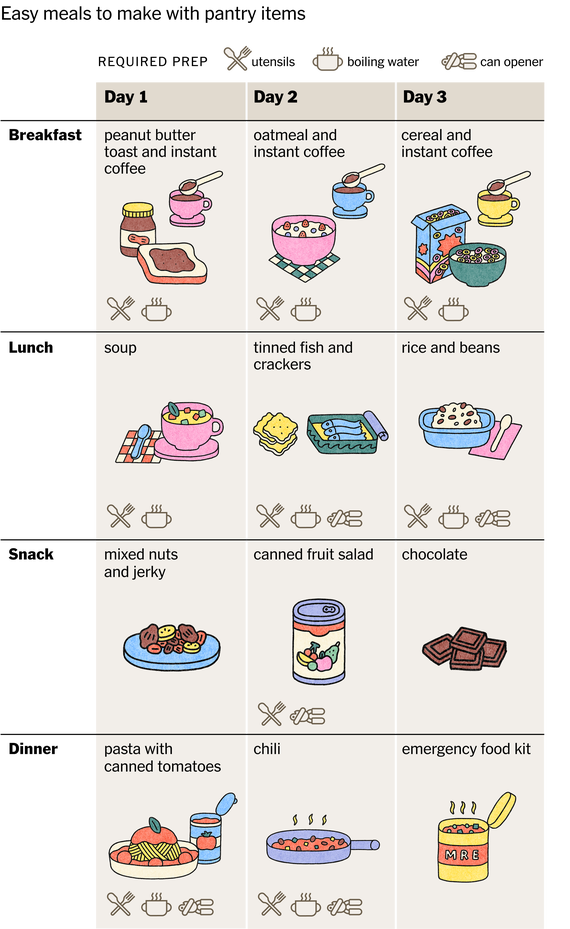
Plan your meals around affordable staples like beans, rice, eggs, and seasonal vegetables. These ingredients stretch well and provide good nutrition.
Try cooking in batches and freezing leftovers. This saves time and reduces waste, making your food assistance last longer.
Experiment with simple recipes that use few ingredients but still taste great. Do you feel stuck cooking the same meals? Mixing up spices or trying new cooking methods can make a big difference without extra cost.
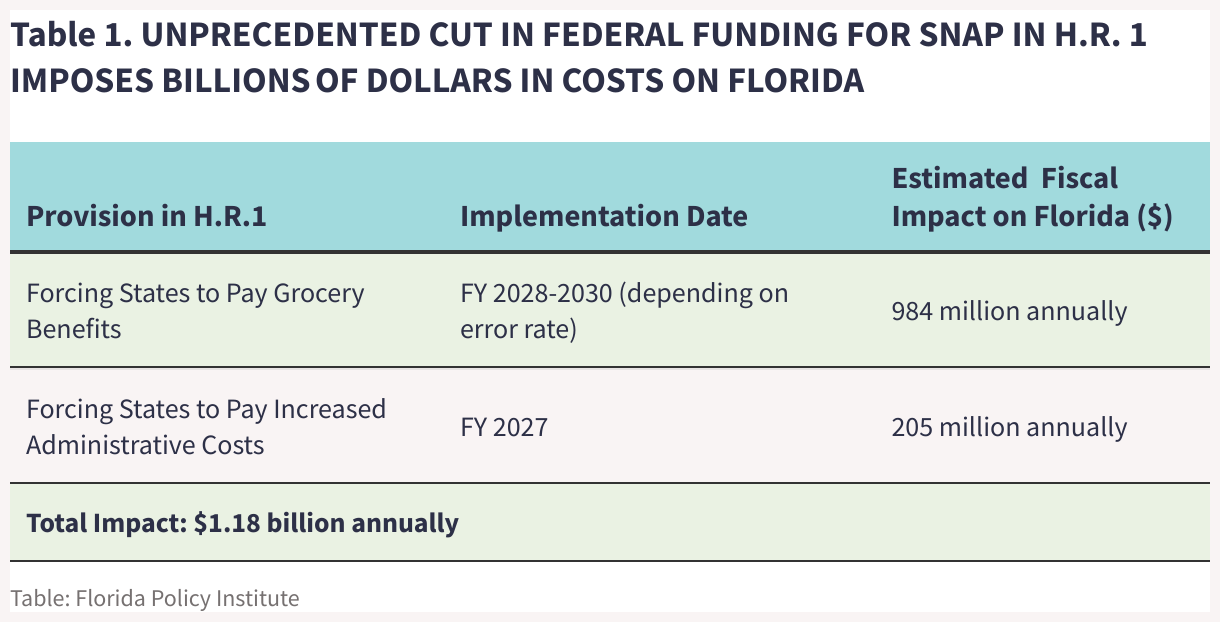
Credit: www.floridapolicy.org
Frequently Asked Questions
Does Florida Provide Emergency Food Stamps During Crises?
Yes, Florida offers emergency food stamps through the SNAP program during disasters. This assistance helps families buy essential groceries quickly.
How Can I Apply For Emergency Food Stamps In Florida?
You can apply online via the Florida DCF website or visit local offices. Applications are processed promptly during emergencies.
Who Qualifies For Florida Emergency Food Stamps Assistance?
Eligibility depends on income, family size, and disaster impact. Those facing sudden food insecurity due to emergencies often qualify.
How Fast Is Emergency Food Stamp Aid Distributed In Florida?
Emergency SNAP benefits are usually issued within days after approval. This quick distribution supports families in immediate need.
Conclusion
Florida offers emergency food stamps to help people in need. The process is clear and designed to assist quickly. Many families rely on this support during tough times. Knowing how to apply can ease the stress of food insecurity. Check local resources and official websites for updates.
Getting help is possible and can make a difference. Food assistance programs aim to support health and well-being. Stay informed and reach out if you qualify for aid. Help is available when you need it most.