When disaster strikes, having the right amount of food can make all the difference for you and your loved ones. But how much food should you actually store to stay safe and comfortable?
It’s easy to either underestimate or overpack, leaving you unprepared or wasting space and money. You’ll discover clear, simple guidelines to help you plan the perfect emergency food supply. Keep reading to learn exactly what you need to stay secure—without the guesswork.
Your peace of mind depends on it.
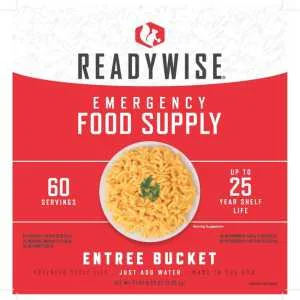
Credit: www.safewise.com
Estimating Food Needs
Estimating how much food you need for an emergency can feel overwhelming. But breaking it down into clear parts makes it manageable. Understanding your daily calorie needs, the length of the emergency, and any special dietary needs will help you create a realistic food supply plan.
Daily Calorie Requirements
Your body needs a certain number of calories each day to function properly. The average adult requires about 2,000 to 2,500 calories daily, but this varies based on age, gender, and activity level.
Think about your usual routine—are you very active or mostly resting? During emergencies, energy needs might change, but it’s best to aim for a balanced amount to keep your strength.
Duration Of Emergency
How long do you want your food supply to last? Two weeks is a common recommendation, but some prefer to prepare for a month or more.
Calculate your total food needs by multiplying your daily calorie requirement by the number of days you plan to cover. For example, if you need 2,000 calories daily for 14 days, you’ll want at least 28,000 calories stored.
Special Dietary Considerations
Do you or your family members have allergies, medical conditions, or specific dietary preferences? These factors affect the types and amounts of food you should stock.
For instance, someone with diabetes needs foods low in sugar and carbs, while vegetarians require plant-based protein sources. Planning for these ensures no one is left without proper nutrition during an emergency.

Credit: www.youtube.com
Choosing Long-lasting Foods
Choosing long-lasting foods is a key step in preparing for an emergency. The right choices ensure you have enough nourishment without frequent replacements. Think about how often you shop and your storage space as you pick your supplies.
Non-perishable Staples
Non-perishable staples form the backbone of any emergency food supply. Items like rice, pasta, and dried beans can last for years if stored properly. They don’t require refrigeration and are easy to cook with minimal equipment.
These staples are affordable and versatile. You can mix them with canned or fresh foods to create balanced meals. Have you checked your pantry lately to see if you already have some of these on hand?
Freeze-dried And Dehydrated Options
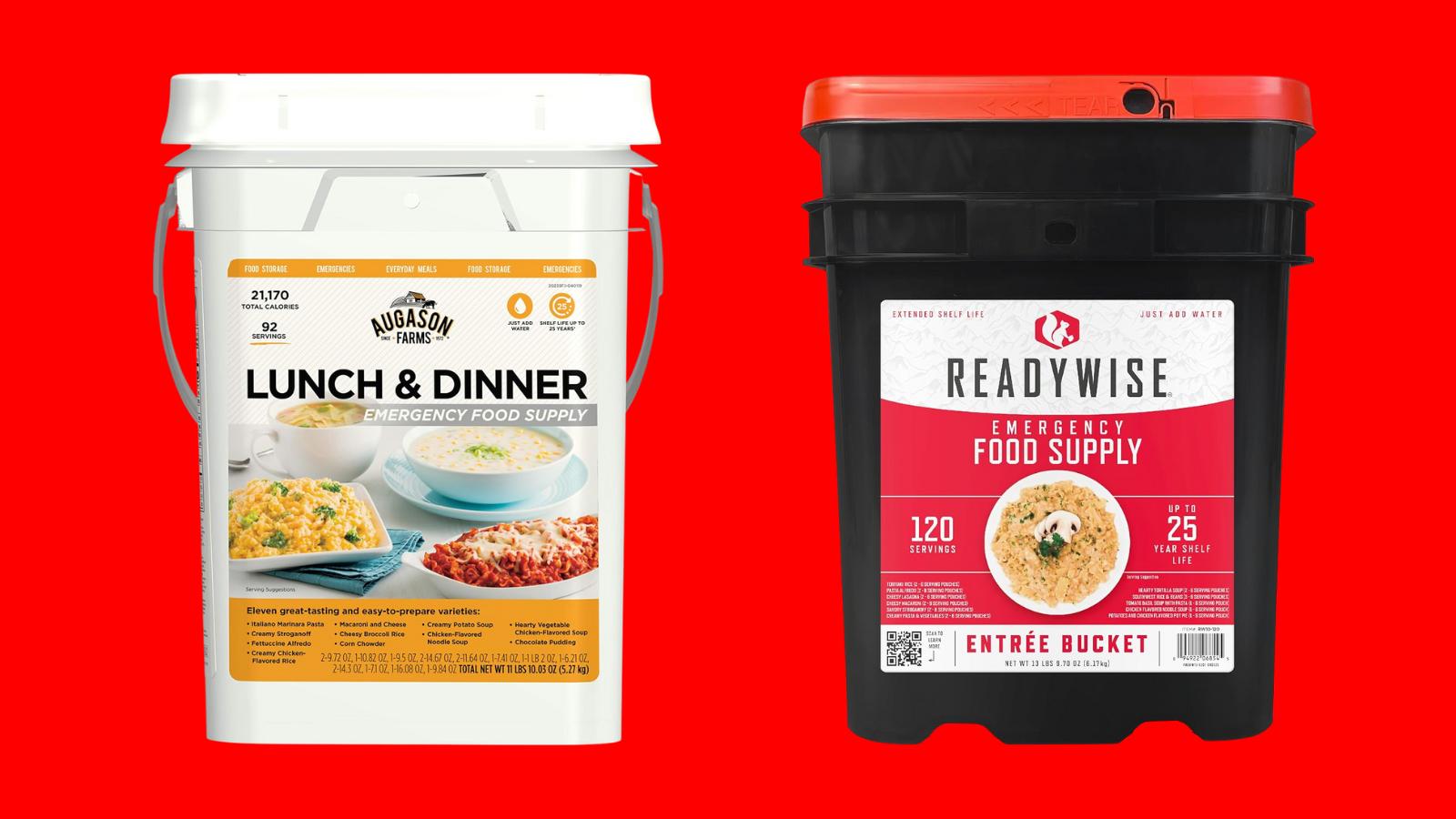
Freeze-dried and dehydrated foods are excellent for long-term storage because they retain most of their nutrients. They’re lightweight and easy to store, making them perfect if you need to move quickly. Think about dried fruits, vegetables, and even complete meals designed for camping or survival kits.
One time, I packed freeze-dried meals for a hiking trip and was surprised by how filling and tasty they were. Would you be willing to try these options to save space and increase shelf life?
Canned Goods Benefits
Canned goods are reliable and convenient in emergencies. They often come ready to eat or require minimal heating. Plus, canned foods like soups, meats, and vegetables have long shelf lives, often lasting several years.
Don’t forget to rotate your canned goods regularly to avoid spoilage. Also, keep a manual can opener handy—you don’t want to struggle opening cans when power is out. How many cans do you think you need to cover your family’s needs for a week?
Balancing Nutrition
Estimating enough food for emergencies depends on the number of people and days you plan to cover. Focus on balanced portions with calories, protein, and vitamins for energy and health. Store easy-to-cook, non-perishable items to last through unexpected situations.
Balancing nutrition during an emergency is crucial to maintaining your health and energy levels. When stocking up on emergency food supplies, it’s essential to consider not just quantity, but also the quality of nutrients. A balanced diet that includes proteins, carbohydrates, fats, vitamins, minerals, and adequate hydration will ensure you stay healthy and resilient in challenging times.Proteins, Carbs, And Fats
Proteins are the building blocks of your body. They help repair tissues and maintain muscle mass. Consider shelf-stable options like canned beans, nuts, and dried meats. Carbohydrates are your body’s primary energy source. Stock up on whole grains, pasta, and rice that can provide sustained energy. Fats are essential for brain health and energy. Include items like canned fish, olive oil, and nut butters. These are compact and have a long shelf life.Vitamins And Minerals
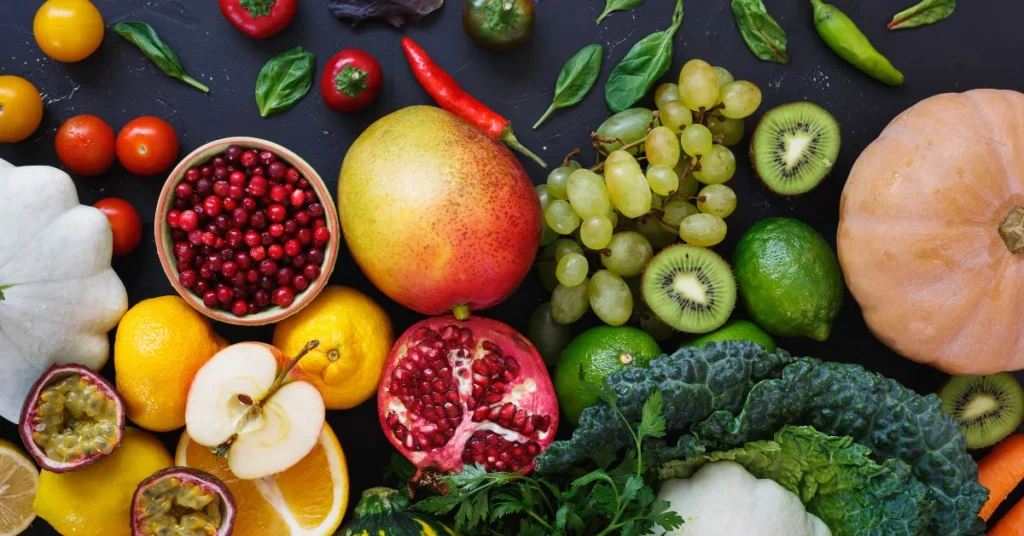
Vitamins and minerals keep your immune system strong. Canned fruits and vegetables retain most of their nutrients and are a great addition to your emergency kit. Consider multivitamins as a backup to cover any nutritional gaps. They can be particularly useful if fresh produce isn’t available. Don’t forget the importance of variety. Different colors in your food can often indicate a range of nutrients.Hydration Essentials
Water is vital. Aim for at least one gallon per person per day for drinking and sanitation. If space allows, consider storing more than the minimum. Water purification tablets and filters are excellent backups. Think about electrolyte solutions as well. They help maintain fluid balance and can be crucial during emergencies when exertion levels are high. Remember, the goal is to prepare without panic. Balance your supplies to ensure both nutrition and satisfaction, and you’ll face any emergency with confidence. What choices will you make today to ensure your family is ready for tomorrow?Storage Tips And Safety
Storing emergency food correctly keeps it fresh and safe. Proper storage stops spoilage and waste. It also ensures food stays edible during emergencies. Follow these key tips for safe, effective storage.
Proper Containers
Use airtight containers to keep food dry and fresh. Plastic bins with tight lids work well. Glass jars with sealed tops also protect food from moisture. Avoid containers that allow air or pests inside. Label containers with the food type and date stored.
Temperature And Humidity Control
Store food in a cool, dry place. Ideal temperatures range between 50°F and 70°F. High heat can cause food to spoil faster. Keep humidity below 60% to prevent mold growth. Avoid places like garages or attics that get hot or damp.
Rotating Food Supplies
Use older food first to keep supplies fresh. Check expiration dates regularly. Replace used or expired items promptly. Keep a list of stored foods and update it after each use. This practice avoids waste and keeps your emergency stash ready.
Emergency Food Planning
Planning the right amount of food for an emergency can feel overwhelming. You want to have enough to stay nourished without overstocking and risking waste. A thoughtful approach to emergency food planning helps you balance safety, nutrition, and practicality.
Meal Planning Strategies
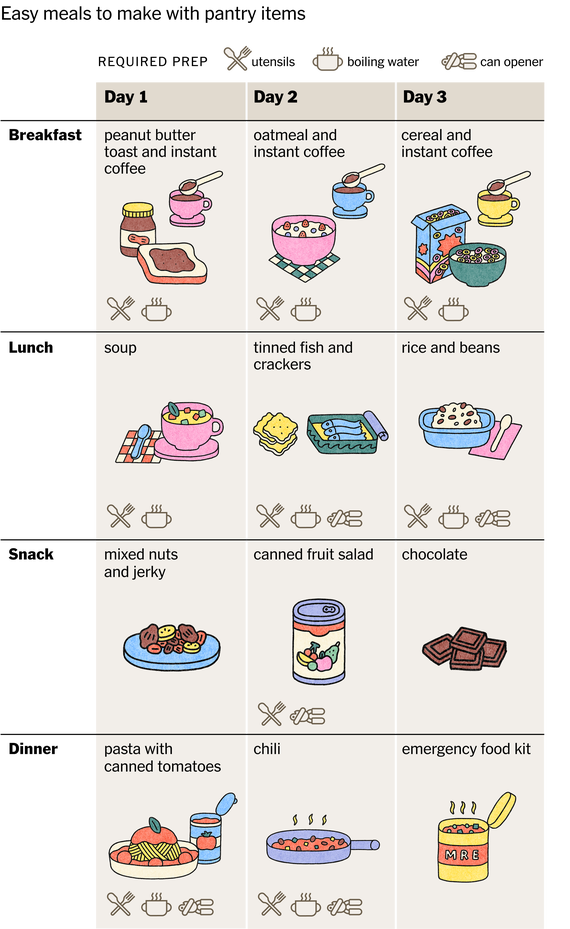
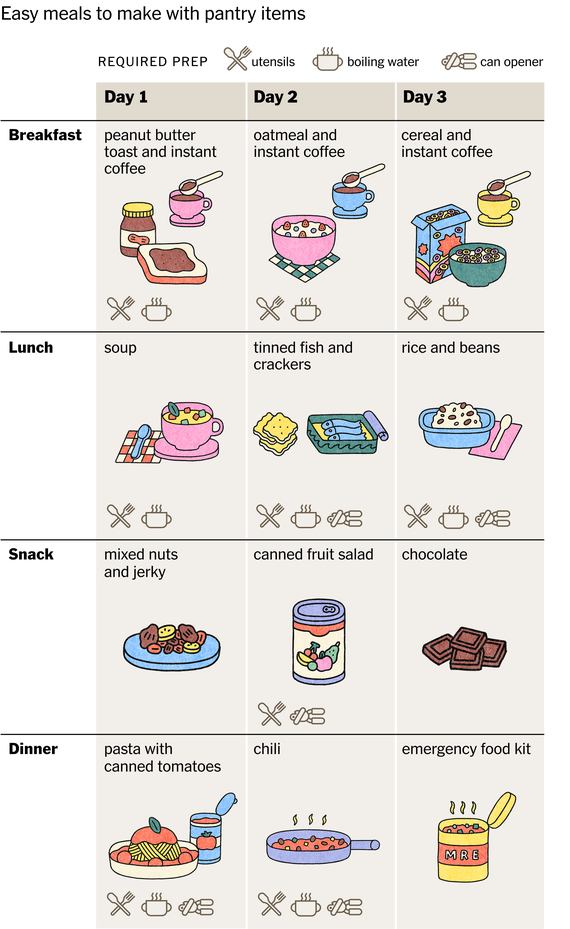
Think about the types of meals you can prepare without power or refrigeration. Choose foods that are easy to cook or ready to eat. Focus on items that provide a mix of carbohydrates, proteins, and fats to keep energy levels steady.
Try creating a meal schedule for at least three days, then scale up depending on your emergency timeframe. Including canned goods, dried fruits, nuts, and freeze-dried meals offers variety. Don’t forget to rotate your stock regularly to keep it fresh.
Portioning And Serving Sizes
Understanding portion sizes helps prevent running out of food too quickly. Use simple measurements like cups or ounces to portion meals. For example, one serving of rice is about half a cup cooked, and a serving of protein is roughly three ounces.
Consider making individual portions in advance to save time during stressful moments. This way, you avoid guessing and ensure everyone gets enough to eat. Tracking daily calorie needs can also guide how much food to set aside.
Accommodating Family Needs
Every family member has different dietary needs and preferences. Think about allergies, medical conditions, and age when planning your emergency food supply. Young children and older adults may need softer foods or specific nutrients.
Ask yourself: Does your family prefer sweet or savory snacks? Are there any cultural or personal food habits to respect? Tailoring your stock to fit these details makes your emergency plan more effective and comforting.
Supplementing Food Reserves
Supplementing food reserves is crucial for long-term emergency preparedness. Basic stockpiles may run low or become unsafe over time. Growing your own food, hunting, and community sharing help maintain a steady supply. These options reduce reliance on stored goods and increase food variety. Learning these skills ensures more resilience in tough situations.
Gardening And Foraging
Growing vegetables and herbs at home provides fresh food daily. Even small spaces can support container gardens. Focus on easy plants like tomatoes, lettuce, and radishes. Foraging wild plants adds natural nutrients and variety. Learn to identify safe edible plants in your area. Avoid toxic species and harvest responsibly to protect nature.
Hunting And Fishing Basics
Hunting wild game supplements protein sources. Start with small animals like rabbits or squirrels. Fishing offers fish and shellfish from local waters. Use simple gear like rods, traps, or nets. Always follow local laws and safety rules. Proper cleaning and cooking prevent illness. These skills require practice but can greatly extend your food supply.
Bartering And Community Resources
Sharing food with neighbors builds strong support networks. Bartering offers a way to trade goods or skills for food. Join local groups focused on emergency prep or gardening. Community gardens and food co-ops provide access to fresh produce. Mutual aid ensures everyone helps each other in hard times. Stay connected and exchange resources regularly.
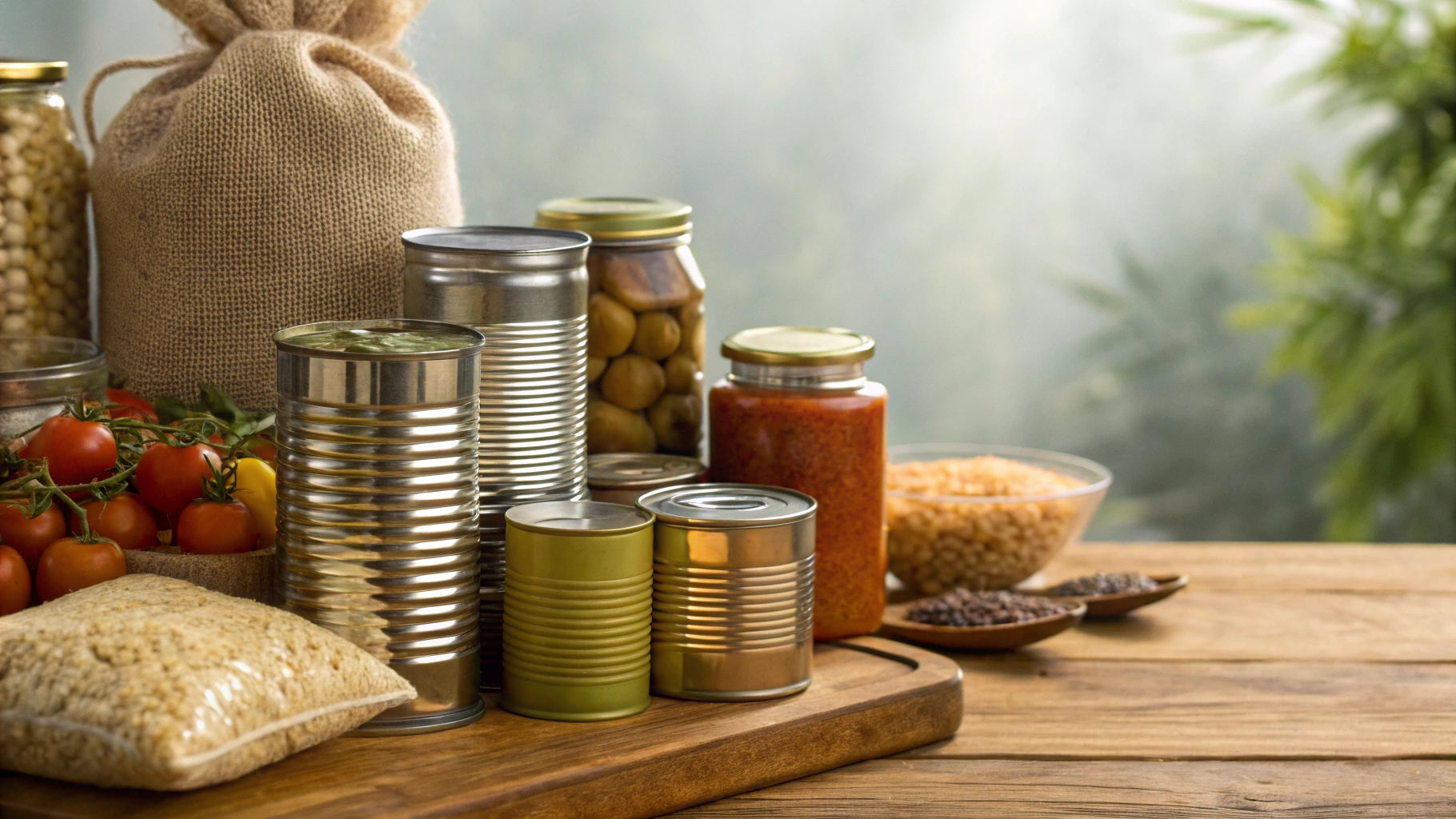
Credit: www.battlbox.com
Frequently Asked Questions
How Much Food Is Needed For A 72-hour Emergency Kit?
A 72-hour emergency kit should have at least 1 gallon of water per person per day. Include non-perishable, high-energy foods like canned goods, nuts, and granola bars. Plan for three meals and snacks daily for each person.
What Types Of Food Last Longest In Emergencies?
Canned goods, dried beans, rice, pasta, and freeze-dried meals last longest. These foods have low moisture and are sealed to prevent spoilage. Store them in a cool, dry place for maximum shelf life.
How Do I Calculate Food For A Family Emergency Plan?
Multiply the number of family members by the number of days you want to prepare for. Plan three meals and two snacks per person per day. Include extra food for unexpected situations or guests.
Should I Consider Dietary Restrictions In Emergency Food Supplies?
Yes, always include food that meets family members’ dietary needs and allergies. Stock gluten-free, vegetarian, or low-sodium options if required. This ensures everyone stays healthy during an emergency.
Conclusion
Having enough food for an emergency is very important. Plan for at least three days of supplies per person. Choose foods that last long and do not need cooking. Keep water and snacks ready too. Check your stock often and replace old items.
Stay safe by being prepared ahead of time. Small steps today can make a big difference tomorrow. Stay calm and ready for anything.