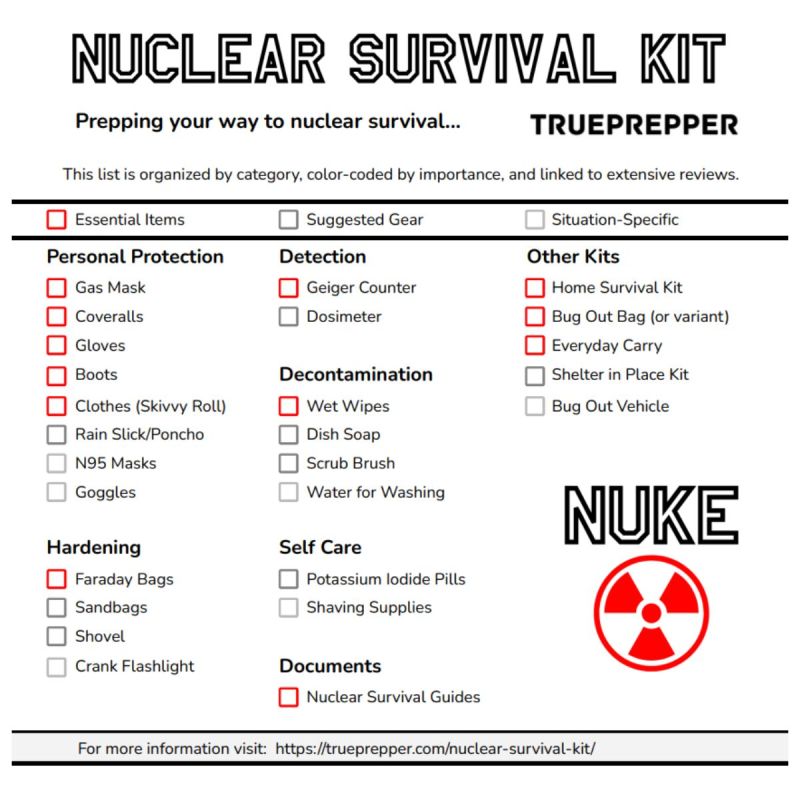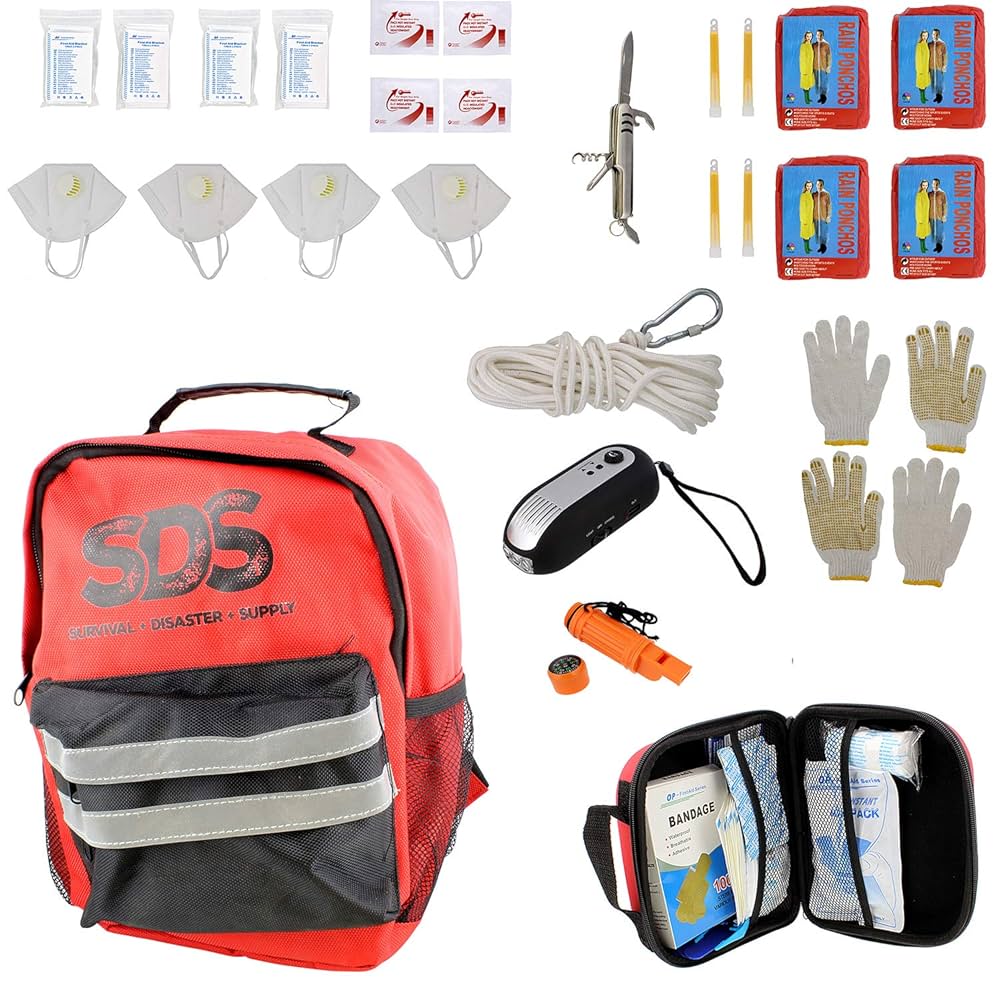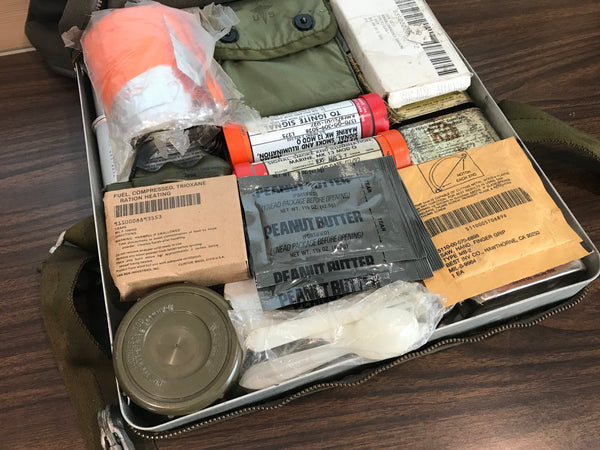
Imagine facing freezing temperatures with nothing but the clothes on your back. How would you keep yourself safe, warm, and alive?
Building a survival kit for cold climates is not just smart—it could be a lifesaver. You need the right tools, supplies, and knowledge to handle harsh conditions. This guide will show you exactly what to include in your kit and why each item matters.
By the time you finish reading, you’ll feel confident and prepared to face the cold like a pro. Keep reading to make sure you never get caught unprepared when winter strikes.
Choosing The Right Container
Choosing the right container for your cold climate survival kit is crucial. It affects how well your supplies stay protected and how easy it is to carry them when you need them most. The container must balance strength with convenience to keep your essentials safe and accessible.
Durability And Portability
Your container should handle rough conditions without breaking or cracking. Look for materials like hard plastic or metal that resist impacts and wear. Remember, your kit might get dropped or banged around during travel or emergencies.
Portability matters just as much as durability. A bulky container slows you down, especially in harsh weather. Choose a size and shape that fits comfortably in your backpack or can be easily carried by hand.
Think about your own experience. Have you ever struggled with a heavy or awkward pack in cold weather? A lightweight yet tough container can make a big difference in how quickly you can access your survival tools.
Waterproof And Insulated Options
Waterproof containers protect your gear from snow, rain, and melting ice. Moisture can ruin matches, electronics, and food, so keeping everything dry is essential. Look for containers with tight-sealing lids and rubber gaskets.
Insulation adds another layer of protection by keeping your items closer to a stable temperature. This is especially important for batteries, medications, and certain foods that can freeze or lose effectiveness in extreme cold.
Consider combining waterproof and insulated features. Some containers offer double walls or foam inserts to shield your supplies. Could this extra protection be the difference between a successful survival situation and a tough struggle?
Clothing Essentials
Choosing the right clothing is crucial when building a survival kit for cold climates. Your clothing not only protects you from freezing temperatures but also helps maintain your body heat and prevents hypothermia. Let’s break down the essential clothing components you need to stay warm, dry, and comfortable.
Layering For Warmth
Layering is the foundation of cold-weather clothing. It allows you to adjust your insulation based on activity level and weather conditions.
- Base layer:Wear moisture-wicking fabrics like merino wool or synthetic materials to keep sweat away from your skin.
- Middle layer:Choose insulating materials such as fleece or down to trap heat close to your body.
- Outer layer:This should block wind and rain while allowing moisture to escape.
Have you ever felt chilly after sweating in the cold? That’s why the base layer must manage moisture effectively.
Waterproof And Windproof Gear
Protecting yourself from wind and moisture is essential for survival in freezing environments. Without this protection, your body loses heat rapidly.
- Invest in a waterproof and windproof jacket and pants with breathable fabrics like Gore-Tex.
- Make sure the gear fits comfortably over your layers without restricting movement.
- Don’t forget sealed seams and adjustable cuffs to block drafts.
Have you noticed how a gust of wind can cut through thin clothes? That’s exactly what this gear prevents.
Thermal Accessories
Small items like hats, gloves, and socks make a big difference in keeping your extremities warm.
- Choose insulated gloves or mittens that allow for some dexterity.
- Wear a wool or fleece hat that covers your ears completely.
- Use thermal socks made from wool or synthetic blends to keep feet dry and warm.
- Consider a neck gaiter or balaclava for extra face protection.
Have you ever struggled with numb fingers or toes in the cold? Thermal accessories can prevent that and keep you functional.
Shelter And Sleeping Gear
Your shelter and sleeping gear are your frontline defense against the cold. Without the right equipment, even the toughest survival skills can fail. Choosing the right items not only keeps you warm but also boosts your energy and morale during harsh weather.
Compact Tents And Tarps
Compact tents offer reliable protection from wind, snow, and rain. Look for models that are lightweight but sturdy, made from materials designed to withstand freezing temperatures. Tarps are versatile and can serve as an emergency shelter or an extra layer over your tent to block wind.
Think about how much space you have to carry gear. I once hiked with a bulky tent, and it slowed me down significantly. Switching to a compact, four-season tent was a game changer—it was easier to carry and set up quickly in a storm.
Cold Weather Sleeping Bags
Your sleeping bag must keep you warm through frigid nights. Choose one rated for temperatures lower than you expect to encounter. Synthetic insulation is great for wet conditions, while down offers better warmth-to-weight ratio but needs to stay dry.
Ask yourself: How long will you be out there? If you’re camping for days, invest in a higher quality sleeping bag. I once underestimated the cold and ended up shivering all night, which drained my energy the next day. Don’t make the same mistake.
Insulated Sleeping Pads
Sleeping pads keep you off the cold ground and add crucial insulation. Without one, the cold from the earth will sap your body heat quickly. Look for pads with a high R-value, which indicates better insulation.
Inflatable pads are lightweight and pack small, but foam pads are durable and don’t deflate. I combine both: a foam pad for insulation and an inflatable one for comfort. How do you plan to balance weight and warmth in your kit?
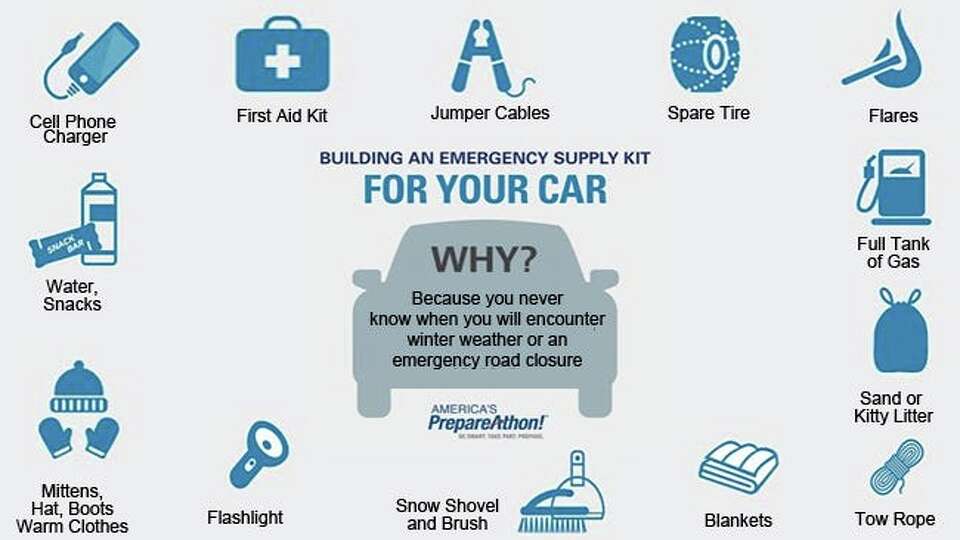
Credit: www.statesman.com
Fire Starting Tools
Fire starting tools are essential when building a survival kit for cold climates. They provide the warmth and safety you need to endure harsh conditions. Without reliable fire-starting methods, staying warm and cooking food becomes a challenge that can jeopardize your survival.
Waterproof Matches And Lighters
Waterproof matches are a must-have because wet conditions can ruin regular matches in seconds. These matches come in sealed containers that protect them from moisture, making them reliable even in snow or rain.
Lighters are another essential tool. Choose a windproof or stormproof lighter to ensure your flame won’t blow out easily. Carrying a refillable butane lighter adds convenience, but always have waterproof matches as a backup.
Fire Starters And Tinder
Good tinder can make or break your fire-starting efforts. Dry cotton balls soaked in petroleum jelly are lightweight and ignite quickly, even when damp. You can also pack commercial fire starter cubes or strips that burn hot and long.
Gather natural tinder like dry bark or pine needles if you find yourself without supplies. Remember to keep your tinder dry and stored in a waterproof container within your survival kit.
Fire Safety Tips
Starting a fire in cold weather can tempt you to rush, but safety should always come first. Clear the area of snow and debris to create a safe fire pit and prevent accidental spread.
Build your fire away from tents and flammable gear. Always have water or snow nearby to extinguish the fire quickly if needed.
Have you ever been caught without a reliable fire source? How did you adapt? Preparing your fire-starting tools carefully can make all the difference between comfort and danger in the cold.
Food And Water Supplies
Food and water are the backbone of any survival kit, especially in cold climates where your body burns more energy just to stay warm. You need supplies that last long, provide enough calories, and keep you hydrated despite freezing temperatures. Let’s dig into the essentials that will keep you fueled and hydrated when it matters most.
High-calorie, Non-perishable Foods
Calories are your best friend in cold weather. Your body needs extra energy to maintain heat, so choose foods rich in fats and proteins. Think nuts, peanut butter, dried meats, and energy bars packed with healthy oils.
Look for foods that won’t spoil easily. Freeze-dried meals, canned beans, and hard cheeses can last months without refrigeration. Adding some chocolate or trail mix not only boosts calories but also morale.
Have you ever noticed how a simple granola bar can feel like a feast when you’re cold and hungry outside? That’s why variety matters—mix high-fat snacks with carbs to keep your energy steady.
Water Purification Methods
Water sources might be frozen or contaminated, so purification is crucial. Carry a reliable water filter designed for cold conditions, or use purification tablets as a lightweight backup.
Boiling water is effective but requires fuel and time, which may not always be available. Chemical treatments, like iodine or chlorine dioxide tablets, offer a quick solution but can leave an unpleasant taste.
Have you tried using a small portable UV purifier? It’s handy and kills most pathogens instantly—ideal when you’re on the move.
Storing And Melting Snow
Snow is abundant but not drinkable in its raw form. You must melt it first to avoid lowering your body temperature. Store snow in a clean container and melt it slowly over a heat source.
Avoid eating snow directly—it cools you down and can lead to hypothermia. Instead, use insulated containers to transport snow safely to your cooking area. This simple step can mean the difference between dehydration and hydration.
Have you planned how to melt snow if you’re stranded overnight? Keeping a small pot and a portable stove in your kit can save your life.
Navigation And Communication
Staying safe in cold climates requires reliable navigation and clear communication. A survival kit must include tools to help you find your way and reach help if needed. These items ensure you stay connected and oriented, even in harsh conditions.
Maps And Compass
Paper maps show terrain, trails, and landmarks clearly. They do not rely on batteries or signals. A durable compass helps you find direction accurately. Learn to read both before heading outdoors. Keep maps in waterproof cases to protect them from moisture.
Emergency Communication Devices
Devices like satellite phones or personal locator beacons (PLBs) send distress signals. These tools work in remote areas without cell service. They alert rescuers to your exact location quickly. Carry extra batteries or chargers for long trips. Test devices before use to ensure they function properly.
Signaling Tools
Visual and sound signals attract attention in emergencies. A whistle produces loud, sharp sounds heard from far away. Signal mirrors reflect sunlight to catch rescuers’ eyes. Bright colored flags or flares also help mark your position. Include these small, lightweight items in your kit for added safety.
First Aid And Emergency Items
First aid and emergency items form the backbone of any survival kit for cold climates. These items help manage injuries and health problems caused by harsh weather. Proper care can prevent minor issues from becoming serious emergencies. A well-prepared kit boosts confidence and safety in cold conditions.
Cold Weather Injury Treatment
Cold weather causes specific injuries like frostbite and hypothermia. Immediate treatment is critical to avoid lasting damage. Include items to warm the body and protect skin. For frostbite, use warm water packs and sterile dressings. Hypothermia needs thermal blankets and warm liquids. Knowing basic treatment steps saves lives.
Basic Medical Supplies
Basic supplies cover cuts, scrapes, and infections. Pack adhesive bandages, antiseptic wipes, and sterile gauze. Include pain relievers and allergy medicine. Small scissors and tweezers help with splinters and stitches. Keep all items organized in a waterproof container. Regularly check and replace expired supplies.
Survival Multi-tools
Multi-tools are compact and versatile. They combine knives, scissors, screwdrivers, and pliers. Useful for first aid and general survival tasks. Choose a tool with a strong blade and reliable locking system. Easy to carry and quick to use. A good multi-tool reduces the need for many separate items.
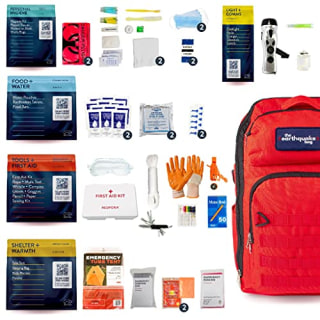
Credit: www.nbcnews.com
Additional Cold Climate Gear
Building a survival kit for cold climates requires more than basic essentials. Additional gear can improve comfort and safety. This gear helps protect against extreme cold and harsh weather conditions.
Extra tools and accessories keep your body warm and your equipment working. Including these items ensures you stay prepared for unexpected challenges.
Hand And Foot Warmers
Hand and foot warmers are small packets that generate heat. They keep fingers and toes warm during freezing temperatures. These warmers are easy to carry and use.
- Choose disposable or reusable warmers based on your needs.
- Place warmers inside gloves and boots for maximum warmth.
- Use them during long periods outside to prevent frostbite.
Snow Goggles And Sunglasses
Snow goggles protect eyes from wind, snow, and bright sunlight. Sunglasses with UV protection prevent snow blindness caused by sun glare. Both types reduce eye strain and improve vision.
- Select goggles with anti-fog features for clear sight.
- Choose sunglasses with polarized lenses to cut glare.
- Wear them anytime you face reflective snow surfaces.
Repair Kits And Spare Parts
Cold environments can damage gear quickly. Repair kits help fix broken equipment on the spot. Carry spare parts for critical tools to avoid being stranded.
- Include items like duct tape, patches, and multi-tools.
- Bring extra batteries for electronic devices.
- Pack replacement straps or clips for backpacks and clothing.

Credit: premierbodyarmor.com
Frequently Asked Questions
What Are The Essential Items For A Cold Climate Survival Kit?
A cold climate survival kit must include thermal clothing, insulated shelter, high-calorie food, water purification, fire-starting tools, and a reliable first aid kit. These items help maintain body heat, provide energy, and ensure safety in extreme cold conditions.
How Do I Keep Warm In Freezing Temperatures Outdoors?
Layering clothing with moisture-wicking base layers, insulating mid-layers, and windproof outer layers is key. Also, use hats, gloves, and thermal socks to prevent heat loss. Staying dry and sheltered from wind significantly improves warmth retention.
What Food Should I Pack In A Cold Weather Survival Kit?
Pack high-calorie, non-perishable foods like nuts, energy bars, dried fruits, and freeze-dried meals. These provide essential energy and are lightweight. Avoid foods that freeze easily or require extensive preparation in cold environments.
How Can I Start A Fire In Snowy Conditions?
Use waterproof matches, lighters, or fire starters. Collect dry tinder from sheltered areas or carry fire-starting aids. Building a fire on a platform of bark or stones prevents melting snow from extinguishing it quickly.
Conclusion
A well-prepared survival kit is essential for cold climates. It protects you from harsh weather. Make sure your kit has warm clothes and a sturdy shelter. Don’t forget food and water. These keep you energized and hydrated. Add tools like a knife and flashlight.
They help in emergencies. Test your kit regularly to ensure readiness. Knowledge and preparation save lives. Stay safe. Stay warm.