Imagine facing an unexpected situation where your safety depends on what you have with you. What if you could be ready for emergencies with just one simple kit?
Knowing exactly what a basic survival kit should contain can make all the difference between panic and confidence. You’ll discover the essential items that can keep you safe, healthy, and calm when it matters most. Keep reading to find out how to build a survival kit that’s practical, reliable, and tailored just for you.

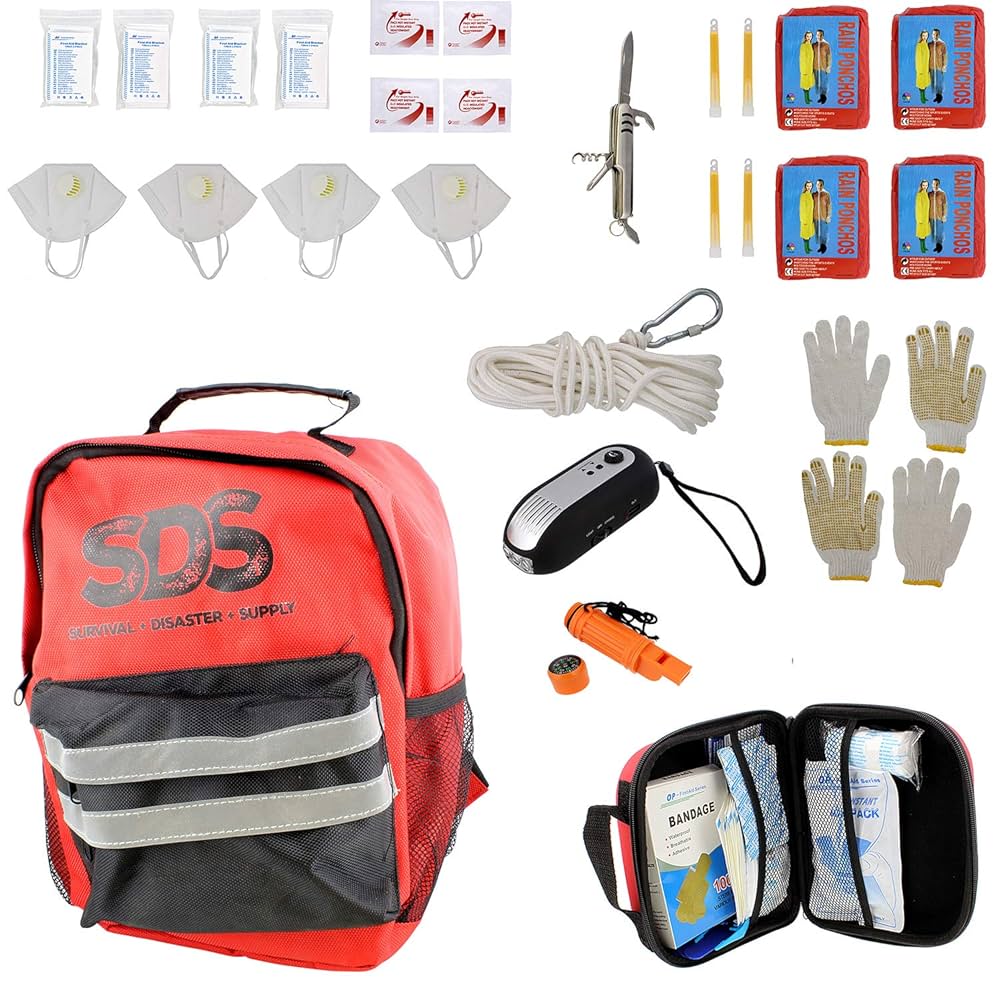
Credit: www.amazon.ca
Essentials For Shelter
Creating a reliable shelter is one of the first priorities in any survival situation. Your shelter protects you from harsh weather, insects, and other environmental dangers. Having the right gear ready can make a huge difference in how well you handle unexpected conditions.
Compact Tents And Tarps
Compact tents are lightweight and easy to carry, making them perfect for survival kits. They provide a solid barrier against rain, wind, and cold, giving you a safe space to rest. Tarps are even more versatile; you can use them to create a quick shelter or cover your gear from moisture.
Think about how much space you have in your pack. Would a tarp or a tent fit better? A simple tarp can be set up in multiple ways, offering flexibility depending on the environment.
Sleeping Bags And Blankets
Sleeping bags designed for survival are often insulated to keep you warm even in freezing temperatures. Choose one that is compact but effective, so it doesn’t weigh you down. Emergency blankets are another must-have—they’re small and reflect your body heat back to you.
Have you ever felt cold and uncomfortable trying to sleep outdoors? A good sleeping bag or blanket can make rest possible, which is critical for staying alert and making good decisions.
Emergency Ponchos
Emergency ponchos are more than just rain protection; they can double as shelter walls or ground covers. They are lightweight and easy to pack, often made from waterproof material. Keeping one in your kit means you can stay dry and warm, even in sudden storms.
Imagine being caught in heavy rain without any cover—would you want to rely on just clothes? A poncho can give you quick shelter and help maintain your body temperature in tough conditions.

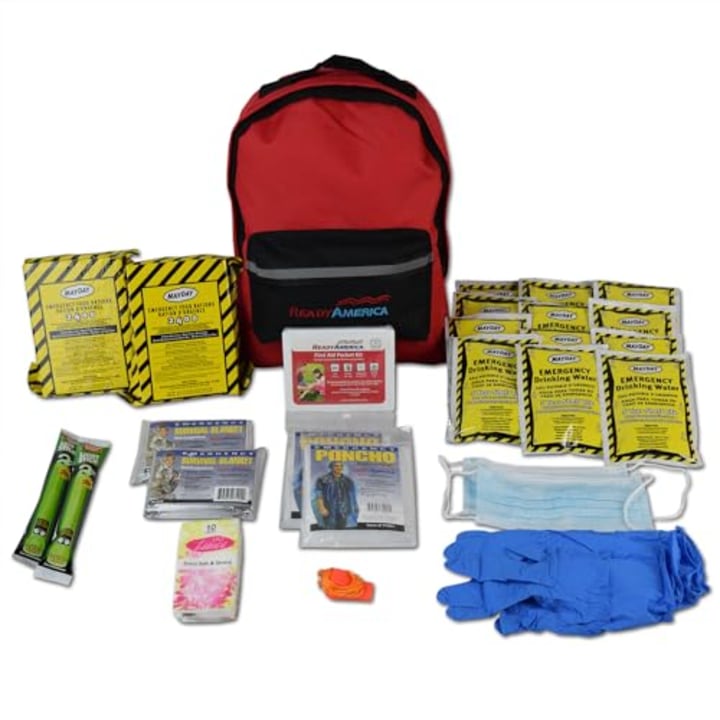
Credit: www.servpro.com
Water And Hydration Tools
Water is vital for survival. Staying hydrated keeps your body working well. A basic survival kit needs tools to find and clean water. Carrying clean water helps avoid sickness and dehydration. Hydration tools make water safe and easy to store.
Portable Water Filters
Portable water filters remove dirt, bacteria, and parasites. They let you drink from rivers or lakes safely. These filters are lightweight and easy to use. Most fit in your hand or backpack. They work without chemicals, making water safe fast. A good filter lasts for many uses.
Collapsible Water Bottles
Collapsible water bottles save space in your pack. They fold or roll up when empty. Made from flexible, durable materials, they are easy to clean. These bottles hold enough water for daily needs. You can refill them from natural water sources. They are lighter than hard bottles.
Water Purification Tablets
Water purification tablets kill harmful germs and viruses. They are small and easy to carry. Just drop a tablet in water and wait for it to work. Tablets take minutes to purify water completely. They are useful when filters are not available. Always carry a few in your kit for emergencies.
Food And Nutrition
Food and nutrition are vital in any survival situation. Without proper sustenance, your energy and focus will drop quickly, making even simple tasks harder. Your survival kit should include items that not only provide calories but also essential nutrients to keep you going.
Non-perishable Food Items
Choose foods that last long without refrigeration. Canned goods like beans, vegetables, and meats provide a good mix of nutrients. Dry foods such as rice, pasta, and powdered milk are lightweight and easy to store.
Think about variety too. You don’t want to eat the same thing every day—it can lower your morale. Adding dehydrated fruits or nuts can give you important vitamins and healthy fats.
Energy Bars And Snacks
Energy bars are compact and packed with calories. They’re perfect for quick energy bursts when you need to move fast. Look for bars with a balance of carbs, protein, and fats to fuel your body efficiently.
Snacks like trail mix or jerky offer a good mix of nutrients and are easy to eat on the go. Have you ever tried an energy bar while hiking? It might surprise you how much it helps maintain your stamina.
Portable Cooking Gear
A small, lightweight stove can make a big difference. It allows you to cook canned or dried foods, improving taste and digestibility. Don’t forget a compact pot, utensils, and a reliable lighter or matches stored in a waterproof container.
Consider how much fuel your stove uses and how easy it is to operate. Sometimes, a simple alcohol stove is the best choice because it’s quiet, lightweight, and fuel is easy to find. What cooking gear will you trust when every minute counts?
Fire Starting Equipment
Having reliable fire starting equipment in your survival kit is essential. Fire provides warmth, cooks food, and signals for help. Without it, your chances of staying safe and comfortable drop significantly.
Waterproof Matches
Waterproof matches are a must-have because they work even in wet conditions. You can find them in small, sealed containers that keep moisture out. I once tested these on a rainy hike, and they lit without a hitch—something regular matches couldn’t do.
Keep at least two packs in your kit for backup. Look for matches with a strong striking surface and long burn time. They make fire starting less frustrating when the weather turns bad.
Lighters And Flint Strikers
Lighters are easy and quick but can run out of fuel or fail in windy conditions. Carry a reliable butane lighter along with a flint striker as a backup. Flint strikers don’t rely on fuel and create sparks that can ignite tinder even when damp.
I always carry a flint striker because it’s simple and lasts almost forever. It’s a great tool if your lighter stops working suddenly. Think about how you can light a fire without fuel—this tool answers that challenge.
Fire Starters And Tinder
Good tinder is the foundation of any fire. Add natural options like dry leaves or pine needles, but also pack commercial fire starters. These can be wax-coated cotton balls or compressed sawdust cubes that ignite quickly and burn long enough to catch your main fuel on fire.
Try making your own wax fire starters for your kit—they’re lightweight and reliable. Ask yourself: what will burn easily even if it’s damp? Having a mix of natural and prepared tinder ensures you’re ready for any situation.
First Aid Supplies
First aid supplies are the heart of any basic survival kit. They help you manage injuries quickly and prevent infections, which can be crucial when professional medical help isn’t immediately available. Having the right items organized and ready can make a huge difference during emergencies.
Bandages And Dressings
Bandages and dressings protect wounds from dirt and bacteria. Include a variety of sizes and types, such as adhesive bandages for small cuts and sterile gauze pads for larger wounds. Don’t forget adhesive tape to secure dressings and elastic bandages for sprains or strains.
I once treated a friend’s scraped knee using only gauze and tape from a compact kit. It stopped the bleeding and kept the wound clean until we got home. Imagine how much harder it would have been without those simple supplies.
Antiseptics And Ointments
Cleaning wounds is vital to prevent infection. Pack antiseptic wipes or solutions like iodine or alcohol-based cleansers. Also, include antibiotic ointments to apply after cleaning, which help speed up healing and reduce the risk of complications.
Think about how often minor cuts get infected when left untreated. Having antiseptics on hand means you’re ready to tackle these problems immediately, rather than waiting for signs of infection to appear.
Basic Medications
Basic medications can relieve pain, reduce inflammation, and treat allergic reactions. Stock common over-the-counter options such as pain relievers (acetaminophen or ibuprofen), antihistamines for allergies, and anti-diarrheal pills. Remember to check expiration dates regularly to keep your kit effective.
Once, during a hiking trip, a headache and stomach upset could have ruined the day. Luckily, the painkillers and antacids in my kit helped me push through. What’s the point of a survival kit if it can’t ease the discomfort you might face?
Navigation Tools
Navigation tools are essential in any basic survival kit. They help you find your way and avoid getting lost. Good navigation tools guide you through unfamiliar areas. They boost your chances of reaching safety quickly. Including reliable navigation gear prepares you for various outdoor situations.
Compass
A compass is a simple, reliable tool for direction. It shows magnetic north, helping you stay on course. It works without batteries or signal, making it very dependable. Learning to use a compass is a valuable skill. Carry a sturdy compass in your survival kit at all times.
Maps
Maps provide detailed information about the terrain and landmarks. They help you plan routes and identify safe spots. Topographic maps show elevation and natural features clearly. Carry waterproof or laminated maps to keep them safe from damage. Always have a map that covers your travel area.
Gps Devices
GPS devices use satellites to give precise location data. They offer easy-to-read screens and route tracking. Many GPS units have emergency features and store waypoints. Keep extra batteries or a power source for longer trips. GPS devices can fail, so do not rely on them alone.
Multi-tools And Cutting Instruments
Multi-tools and cutting instruments are essential in any survival kit. They offer versatility and reliability, helping you handle various tasks from preparing food to making emergency repairs. Choosing the right tools can make a significant difference in how effectively you manage unexpected situations.
Swiss Army Knives
Swiss Army knives are compact and packed with multiple functions. You get blades, screwdrivers, scissors, and sometimes even small saws, all in one handy device. They’re perfect when space is limited, yet you want a tool ready for different challenges.
Imagine needing to open a can or tighten a loose screw while hiking. Having a Swiss Army knife means you won’t have to carry separate tools. It fits easily in your pocket and can handle quick fixes without weighing you down.
Fixed Blade Knives
Fixed blade knives offer strength and durability that folding knives can’t match. They’re ideal for heavy-duty tasks like cutting wood, preparing food, or even self-defense. The solid blade doesn’t fold, making it more reliable when you need it most.
Think about building a shelter or processing firewood—would you trust a flimsy blade? A fixed blade knife with a full tang design gives you confidence and control. Make sure it has a good grip to prevent slips during use.
Wire Cutters And Pliers
Wire cutters and pliers are often overlooked but incredibly useful in survival scenarios. They allow you to manipulate wires, remove nails, or fix broken gear. These tools can also help in medical emergencies, like removing splinters or creating makeshift clamps.
Have you ever struggled to bend a wire or grip a tiny object? Pliers give you the leverage and precision you need. Adding a pair to your kit means you’re prepared for mechanical and first aid tasks alike.

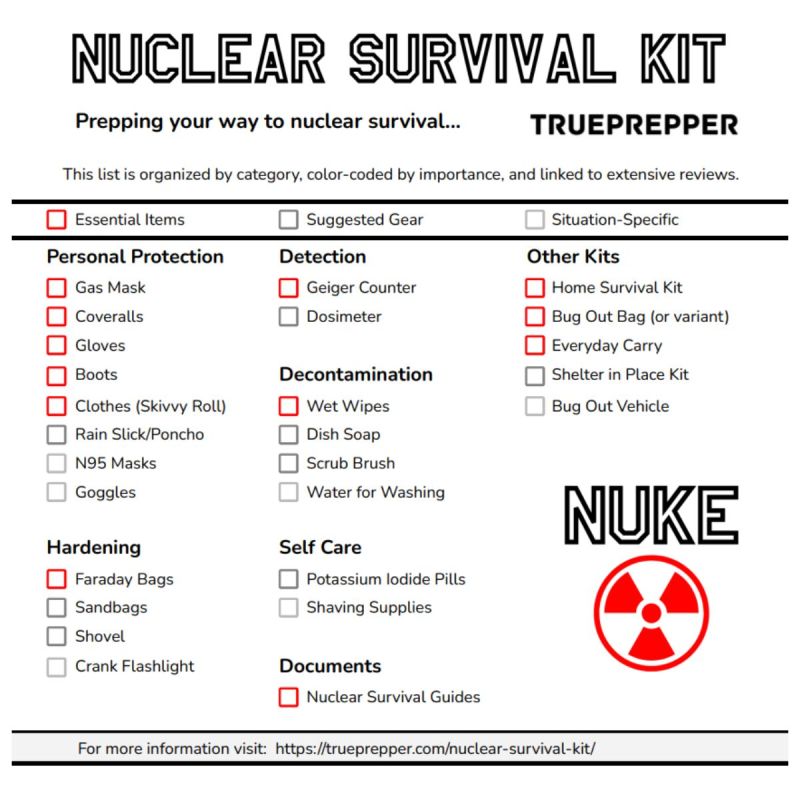
Credit: trueprepper.com
Lighting And Signaling
Lighting and signaling tools are essential in any survival kit. They help you see in the dark and attract help if needed. Good lighting ensures safety and comfort during night hours. Signaling devices increase your chances of being found quickly.
Flashlights And Headlamps
Flashlights provide bright, focused light for walking or working. Choose lightweight models with long battery life. Headlamps free your hands while offering steady light. They are perfect for tasks like setting up shelter or cooking. Always pack extra batteries or a rechargeable option.
Glow Sticks
Glow sticks are simple, reliable light sources. They don’t need batteries and work silently. Use them to mark trails or signal your location. Their soft light lasts for several hours. Glow sticks are safe to use and waterproof, making them great for emergencies.
Whistles And Mirrors
Whistles produce loud sounds to attract attention. They are easy to carry and require little effort. Mirrors reflect sunlight to signal rescuers from far away. Aim the mirror’s flash toward planes or distant people. Both tools increase your chances of being noticed quickly.
Clothing And Personal Protection
Clothing and personal protection play a vital role in any basic survival kit. Proper clothing shields the body from harsh weather and environmental hazards. Personal protection items help prevent injuries and keep you safe during unexpected situations. Choosing the right gear ensures comfort and safety while you focus on survival tasks.
Weather-appropriate Clothing
Select clothing that matches the climate you expect to face. Lightweight, breathable fabrics work well in hot weather. For cold conditions, pack insulated layers to retain body heat. Waterproof jackets and pants protect against rain and wind. Quick-drying materials help prevent chills and discomfort.
Gloves And Hats
Gloves protect hands from cuts, scrapes, and cold temperatures. Durable gloves also improve grip for handling tools or firewood. Hats shield the head and face from sunburn and heat loss. Choose hats that cover ears and neck for extra protection.
Insect Repellent
Insect repellent is essential to prevent bites and stings. Mosquitoes and ticks can spread diseases and cause irritation. Use repellents that contain DEET or natural alternatives. Apply regularly, especially during dawn and dusk when insects are most active.
Storage And Organization
Proper storage and organization are vital for a basic survival kit. They help keep items safe, accessible, and ready for use. Without good organization, you may waste time searching for essential tools. A well-organized kit improves efficiency during emergencies.
Choosing the right containers and arranging items smartly makes a big difference. This section covers durable backpacks, waterproof bags, and packing tips to keep your survival gear in order.
Durable Backpacks
A strong backpack protects your gear from damage. It must handle rough conditions and heavy loads. Look for backpacks made from tough materials like nylon or polyester. Padded straps add comfort for long trips. Multiple compartments help sort items neatly. Choose one with easy-to-reach pockets for quick access.
Waterproof Bags
Waterproof bags keep your supplies dry and safe. Rain, river crossings, or spills can ruin important items. Use waterproof bags for electronics, matches, and clothing. Sealable dry bags or ziplock bags work well. Clear bags allow you to see contents without opening. Keep smaller items grouped inside these bags.
Packing Tips
- Pack heavy items at the bottom for balance.
- Group similar items together in small pouches.
- Use color-coded bags to find things fast.
- Keep essential gear in the top compartment.
- Label bags or compartments clearly.
- Compress bulky items to save space.
- Regularly check and reorganize your kit.
Frequently Asked Questions
What Are The Essential Items In A Basic Survival Kit?
A basic survival kit should include water, food, a first aid kit, fire starters, a knife, and a flashlight. These items cover hydration, nutrition, safety, warmth, and signaling needs in emergencies.
How Much Water Should A Survival Kit Contain?
A survival kit should have at least one liter of water per person per day. Water is vital for hydration and survival, especially in emergency situations or harsh environments.
Why Include Fire Starters In A Survival Kit?
Fire starters help you create warmth, cook food, and signal for help. They are crucial for maintaining body temperature and ensuring safety during survival scenarios.
What Type Of First Aid Supplies Are Necessary?
Include bandages, antiseptic wipes, pain relievers, tweezers, and any personal medications. These items help treat minor injuries and prevent infections in emergencies.
Conclusion
A basic survival kit saves lives in emergencies. Pack essentials like water, food, and a first-aid kit. Include tools such as a flashlight and multi-tool. Don’t forget extra batteries and a whistle. Add personal items like medications and important documents.
Customize your kit based on your needs and environment. Regularly check and update the contents. Being prepared boosts confidence and safety. Ensure your kit is accessible at all times. Preparedness can make all the difference. Stay ready, stay safe.