Imagine you’re out camping when a sudden storm hits. The sky darkens, rain pours down, and the wind howls around you.
Do you have what it takes to stay safe and comfortable? Building a camping survival kit tailored for storms isn’t just smart—it could be your lifeline. In this guide, you’ll discover exactly what to pack and how to prepare, so when the weather turns wild, you’re ready.
Keep reading to learn how to protect yourself and turn a scary situation into a manageable adventure. Your safety starts with the right kit.
Choosing The Right Container
Choosing the right container for your camping survival kit can make all the difference during a storm. It’s not just about holding your items—it’s about protecting them and making sure you can access them quickly when needed. Think about what you’ve faced outdoors: soggy gear, rough handling, and the need to grab essentials fast. A well-chosen container can be your best ally.
Waterproof And Durable Options
Waterproof containers keep your gear dry, which is crucial in wet, stormy conditions. Look for cases made from hard plastic or metal with tight-sealing lids. Some come with rubber gaskets that prevent water from sneaking inside.
Durability is equally important. Your container should survive drops, pressure, and rough terrain without cracking or breaking. I once used a simple plastic box that shattered after a fall—now I opt for rugged, impact-resistant containers that hold up under pressure.
Consider products like waterproof Pelican cases or heavy-duty dry bags. These options offer solid protection and come in various sizes. Can your container protect matches or electronics from a sudden downpour? If not, keep looking.
Size And Portability Considerations
Your container needs to fit your survival essentials but still be easy to carry. A bulky box can weigh you down and slow you when every second counts. On the other hand, a container that’s too small may leave out critical items.
Think about how you’ll transport your kit. Will you carry it in a backpack, a belt pouch, or store it in your car? Containers with handles or clips add convenience. I carry mine clipped to my backpack strap—easy to reach without unpacking everything.
Balance space and weight carefully. A compact, lightweight container encourages you to bring your kit everywhere. What’s the point of a survival kit if you leave it behind because it’s inconvenient?

Credit: www.youtube.com
Essential Shelter Items
Essential shelter items are the backbone of any camping survival kit, especially when storms threaten your safety. Having the right gear ensures you stay dry, warm, and protected from harsh weather. You want shelter options that pack light but provide maximum coverage and durability.
Compact Tents And Tarps
Compact tents are a must-have for storm preparedness. They are designed to be lightweight and easy to carry, yet strong enough to withstand heavy rain and wind. Look for tents with sturdy poles and waterproof fabrics that won’t collapse or leak during a downpour.
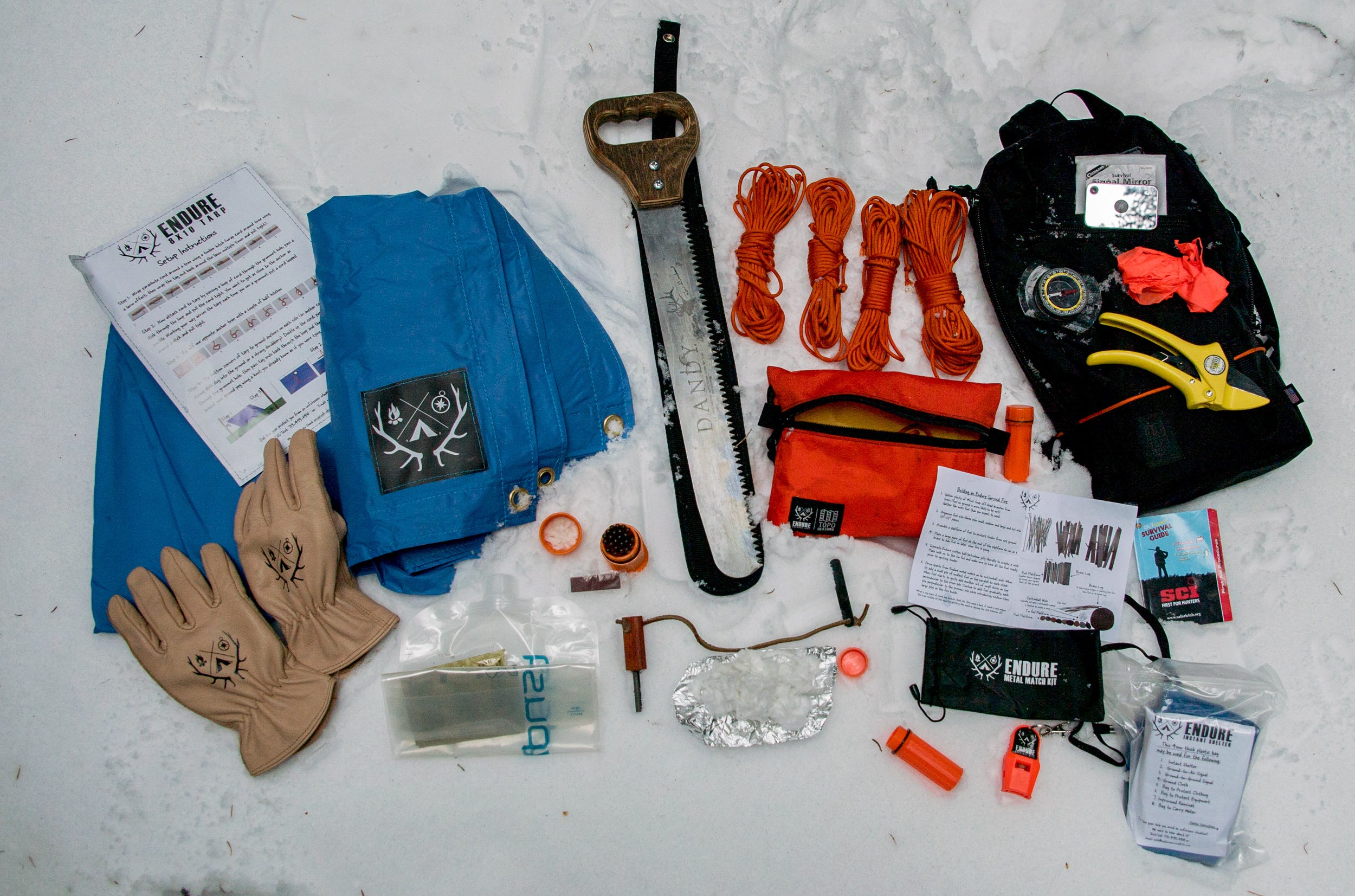
Tarps add versatility to your shelter options. You can quickly set one up as a makeshift roof or windbreaker, depending on the terrain and available support. A good tarp also doubles as a ground cover to keep moisture away from your sleeping area.
- Choose tarps made from ripstop nylon or polyethylene for durability.
- Bring extra paracord or bungee cords to secure your tarp tightly.
- Practice setting up your tarp in different configurations before your trip.
Have you ever tried to assemble a shelter in the rain? Practicing ahead of time makes a huge difference when the pressure is on.
Emergency Blankets And Ponchos
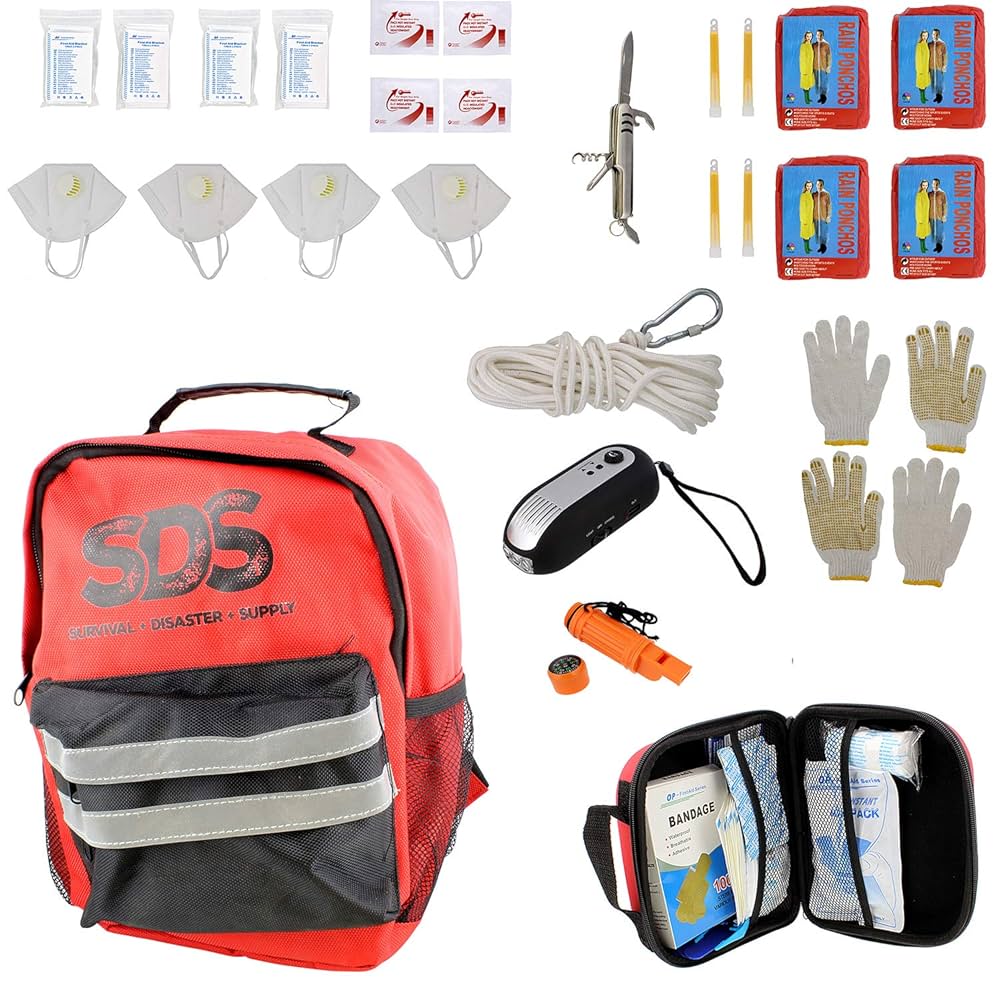
Emergency blankets are incredibly compact and reflect body heat to keep you warm. They are not just for cold weather; they also serve as quick shelters from rain and wind. Toss one in your kit, and you’ll have a lightweight option for sudden weather changes.
Ponchos are another dual-purpose item worth packing. They protect you from rain and can easily convert into a shelter by tying the corners to nearby trees. This flexibility means you carry less but get more functionality.
- Look for ponchos with hooded designs for better coverage.
- Test the waterproof quality before your trip; cheap ponchos might leak.
- Combine a poncho with an emergency blanket for added warmth and protection.
Imagine being caught in a downpour with only these two items—you’d be surprised how much comfort they can provide in a pinch.
Water And Food Supplies
Water and food are crucial for survival during a storm. Without clean water, dehydration can set in quickly. Proper nutrition keeps energy levels steady. Preparing your camping survival kit with reliable water and food supplies is essential.
Carrying enough water is heavy and often not practical. A good plan includes ways to purify water found in the wild. Food should be lightweight, nutritious, and easy to store. This ensures you stay nourished and hydrated no matter the weather.
Portable Water Filters And Purifiers
Portable water filters remove dirt, bacteria, and parasites. They are small and easy to carry. Some filters use carbon or ceramic to clean water. Others use UV light to kill germs.
Water purifiers go a step further by removing viruses. They are vital in areas with unsafe water. Choose a filter or purifier that fits your needs. Test it before your trip to ensure it works well.
- Look for filters that remove 99.99% of bacteria.
- Consider weight and size for easy transport.
- Check how many liters they can filter before replacement.
- Carry water purification tablets as a backup option.
Non-perishable And High-energy Foods
Non-perishable foods last long without refrigeration. They provide the energy needed during stressful times. Choose foods rich in protein, fats, and carbohydrates.
Examples include nuts, dried fruits, and jerky. Energy bars and trail mix are also excellent choices. These foods are lightweight and easy to pack.
- Pack canned foods with pull tabs for convenience.
- Include instant oatmeal or soup packets.
- Avoid foods that spoil quickly or need cooking.
- Bring a small portable stove or burner if cooking is necessary.
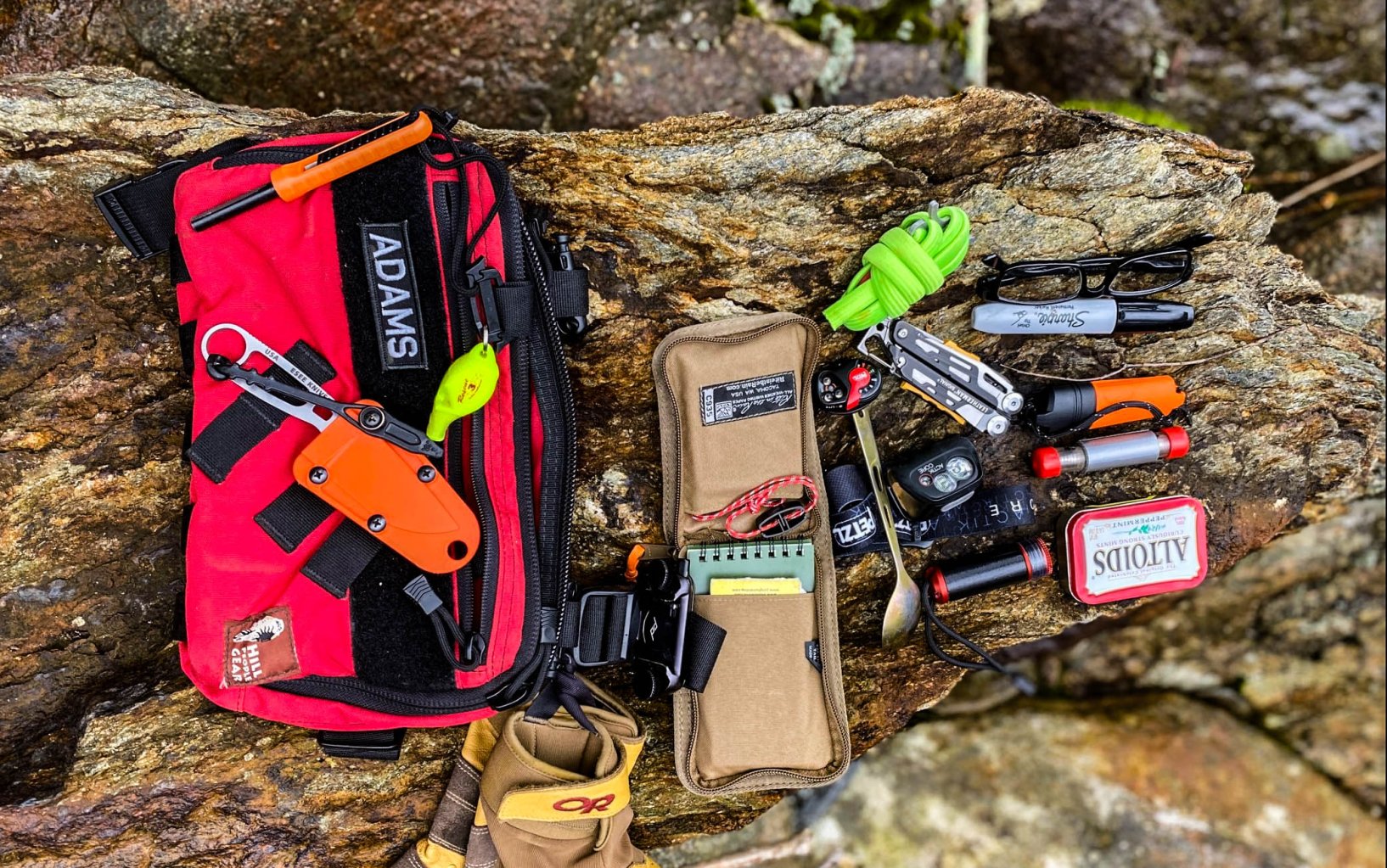
Credit: www.outdoorlife.com
Fire Starting Tools
Fire is a critical component of any camping survival kit, especially when a storm hits. It provides warmth, cooks food, and can signal for help. Having reliable fire starting tools ensures you won’t be left stranded in the cold or darkness.
Waterproof Matches And Lighters
Waterproof matches are a lifesaver during wet conditions. They ignite quickly and stay usable even after being soaked. Keep them in a sealed container or waterproof pouch to protect them further.
Lighters are compact and easy to carry but can fail if they get wet or run out of fuel. A windproof lighter increases your chances of lighting a fire in stormy weather. Carry a couple of these as backups to cover all bases.
Fire Starters And Tinder Options
Fire starters boost your ability to get a flame going quickly. Look for commercially made fire starter cubes or sticks—they burn hot and long, even when damp. Adding natural tinder like dry leaves, pine needles, or birch bark can make your fire-starting process smoother.
Have you ever struggled to light a fire with just sticks and stones? Fire starters reduce frustration and save precious time when conditions are tough. Prepare a small kit of various tinder types and fire starters, so you’re ready for any challenge the storm throws at you.
Navigation And Communication Gear
Navigation and communication gear are essential when you’re facing a storm during your camping trip. They help you stay on course and keep in touch with others, which can be life-saving. Without reliable tools, even a short hike can turn into a dangerous situation.
Compass And Maps
A compass and physical maps are your best friends when electronic devices fail. Batteries die quickly in harsh weather, but a compass doesn’t rely on power. Pairing it with detailed topographic maps ensures you understand the terrain and can find your way back.
Have you ever tried navigating with just your phone’s GPS after it died? That’s why you should practice using a compass and map before your trip. Knowing how to read contour lines and landmarks can save you hours and prevent panic.
- Choose a durable compass with a clear baseplate and rotating bezel.
- Get waterproof maps of your camping area and surrounding regions.
- Mark key locations like your campsite, water sources, and trails.
Emergency Radios And Signaling Devices
Staying connected during a storm is critical, especially if you get lost or injured. Emergency radios allow you to receive weather updates and send distress signals. A simple handheld NOAA weather radio can alert you to changing conditions before they become dangerous.
Signaling devices like whistles, mirrors, or flares can attract help when you’re out of cell range. I once used a small mirror to catch the attention of a rescue team after my phone died in a remote area. It worked because I was prepared with multiple signaling options.
- Invest in a NOAA weather radio with multiple power options (solar, battery, crank).
- Carry a loud whistle for audio signals that can travel far in the wilderness.
- Include a compact signal mirror in your kit for daylight emergencies.
First Aid Essentials
Having a well-stocked first aid kit is crucial for any camping survival kit, especially when you’re preparing for a storm. Emergencies can happen fast, and being ready with the right supplies can make all the difference in managing injuries or health issues before help arrives.
Basic Medical Supplies
Your first aid kit should include essential items that address common injuries. Think about bandages, antiseptic wipes, adhesive tape, and sterile gauze pads. These help you quickly clean and cover cuts or scrapes to prevent infection.
Don’t forget pain relievers like ibuprofen or acetaminophen, which can ease headaches or muscle aches caused by the storm’s stress. Tweezers and scissors are handy for removing splinters or cutting bandages. A thermometer is also useful to check for fever, which might signal infection.
Storm-related Injury Care
Storms bring specific risks such as hypothermia, cuts from flying debris, or sprains from slippery surfaces. Include items like thermal blankets to keep warm and instant cold packs to reduce swelling from injuries. You might also want to add a whistle or mirror to signal for help if you get stranded.
Consider adding a snake bite kit if you’re camping in areas where venomous snakes are common after storms. Also, keep waterproof bandages and containers to protect your supplies from rain. How prepared are you to handle the unexpected injuries a storm might cause?
Clothing And Protection
Clothing and protection are essential for a camping survival kit during a storm. Proper clothing keeps you dry and warm. It prevents hypothermia and discomfort. Selecting the right fabrics and layers helps you face harsh weather safely.
Waterproof Layers
Waterproof layers stop rain and wind from reaching your body. A good waterproof jacket and pants are must-haves. Look for materials like Gore-Tex or similar membranes. These fabrics let sweat escape but block water out. A hood adds extra protection for your head and neck.
Pack a waterproof cover for your backpack too. This keeps your gear dry. Avoid cotton clothing as it soaks water and stays wet. Instead, choose synthetic or treated fabrics for outer layers. Waterproof boots or shoes protect your feet from water and mud.
Insulating And Quick-dry Fabrics
Insulating fabrics keep your body heat inside. Wool and fleece are excellent choices. They stay warm even if damp. Quick-dry fabrics reduce chill by drying fast. Synthetic materials like polyester dry faster than natural ones. Avoid cotton for inner layers as it traps moisture.
Layer your clothing for flexibility. Use a base layer to wick sweat away. Add an insulating layer for warmth. Finish with a waterproof layer to block rain and wind. This system adapts to changing weather and activity levels.
Packing And Organization Tips
Packing and organizing your camping survival kit is crucial for quick access during a storm. Proper arrangement saves time and reduces stress. It also protects your gear from water and damage. Thoughtful packing ensures you carry only what you need, making your kit lighter and easier to manage.
Waterproof Bagging Techniques
Keep your survival gear dry with effective waterproof bagging. Use resealable plastic bags to protect small items like matches and first aid supplies. Dry sacks are excellent for larger gear such as clothes and sleeping bags. Wrap electronics in waterproof cases for extra safety. Double-bagging items provides added protection against leaks.
- Seal items tightly in plastic or dry bags.
- Use waterproof tape to close weak spots.
- Place bags inside a sturdy waterproof backpack or container.
- Label bags for fast identification.
Weight Distribution Strategies
Balance the weight in your kit to avoid strain and improve mobility. Store heavier items close to your back and center of gravity. Lighter items go near the top and outer pockets. Distribute weight evenly on both sides of your pack. This prevents discomfort and helps maintain your balance on rough terrain.
- Put heavy tools and food near your spine.
- Keep water containers low and centered.
- Use compression straps to secure and stabilize gear.
- Regularly check and adjust weight during your trip.
Testing And Maintenance
Testing and maintenance are vital to keep your camping survival kit ready for any storm. A kit that works well can save time and stress during emergencies. Regular attention helps identify weak spots early and keeps supplies fresh.
Routine checks help confirm every item functions properly. A well-maintained kit ensures safety and confidence when outdoors.
Regular Kit Checks
Open your survival kit every few months. Inspect all items carefully for damage or wear. Test tools like flashlights and fire starters to ensure they work.
- Check batteries and replace if weak
- Look for rust or cracks on metal tools
- Verify seals on food and water containers
- Confirm packaging is intact and dry
Write down any issues found. Fix problems quickly to avoid surprises during a storm.
Replacing Expired Or Damaged Items
Some items lose effectiveness over time. Food can spoil. Medicine expires. Batteries die. Replace these items promptly.
- Mark expiration dates on supplies
- Swap out old medications for fresh ones
- Replace water stored longer than six months
- Renew batteries yearly or as needed
Damaged gear must also be replaced. A broken knife or torn shelter can cause trouble. Keep your kit reliable by updating worn parts.

Credit: www.youtube.com
Frequently Asked Questions
What Essential Items Belong In A Camping Survival Kit?
A camping survival kit must include a first aid kit, water purification tools, fire starters, a multi-tool, emergency blanket, and a flashlight. These items ensure safety and preparedness for unexpected situations during a camping trip.
How Can I Protect My Survival Kit From A Storm?
Store your survival kit in a waterproof, durable container. Use sealed plastic bags inside for extra protection. Keep the kit accessible but secure to avoid damage from rain and strong winds.
Why Is Water Purification Vital In A Survival Kit?
Clean water is crucial for hydration and health. Water purification tools prevent waterborne diseases and dehydration. Including filters or purification tablets in your kit ensures safe drinking water during emergencies.
How To Prioritize Items In A Storm-ready Survival Kit?
Focus on essentials like shelter, warmth, hydration, and first aid. Prioritize compact, lightweight, and multi-use items to save space. This strategy ensures efficiency and readiness during severe weather conditions.
Conclusion
Creating a camping survival kit for a storm is crucial. It ensures safety in unpredictable weather. Pack essentials like a flashlight, first-aid kit, and extra food. Always check your gear before heading out. Stay informed about weather updates. Practicing setting up your tent quickly helps.
This preparation enhances your camping experience. Being ready keeps you calm during a storm. Remember, preparation leads to a safer adventure. Stay alert, stay safe, and enjoy the great outdoors. Your survival kit is your best friend on stormy nights.
Happy and safe camping!