Have you ever wondered how many baby raccoons, called kits, actually make it through their first year? Understanding the survival rate of raccoon kits can change the way you see these clever animals.
Whether you’re a nature lover, a curious homeowner, or someone interested in wildlife, knowing these facts will give you a fresh perspective. Keep reading to discover surprising details about raccoon kit survival that you probably didn’t know—and find out what affects their chances of growing up strong and healthy.

Credit: globalnews.ca
Raccoon Kit Survival Basics
Raccoon kits face many challenges from birth to adulthood. Their survival rate depends on several natural factors. Understanding these basics helps explain why only a portion of kits live past their first year.
Mother raccoons care deeply for their young. Still, dangers like predators and food shortages reduce kit survival. Learning about their early life stages sheds light on their fragile start.
Birth And Early Days
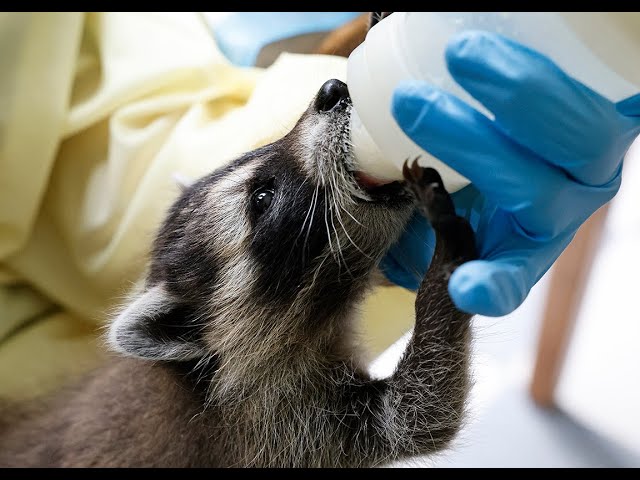
Raccoon kits are born blind and deaf. They weigh less than 100 grams at birth. Mothers keep them warm and safe in dens. Kits nurse for about eight weeks. During this time, they grow quickly but stay vulnerable.
Early days involve little movement. Kits rely fully on their mother for food and protection. Their eyes open around three weeks old. This marks the start of exploring their surroundings.
Factors Affecting Survival
- Predators:Owls, foxes, and coyotes often prey on young kits.
- Food availability:Scarce food leads to weaker kits and lower survival.
- Weather conditions:Harsh winters cause many kits to perish from cold.
- Disease:Parasites and infections affect health and growth.
- Human impact:Habitat loss and road accidents reduce numbers.
These factors combine to limit the number of kits that reach adulthood. Survival rates vary by region and year but often remain below 50%.

Credit: www.syracuse.com
Predators And Threats
Raccoon kits face many dangers in their early days. These threats lower their chances of survival. Understanding the main dangers helps us protect these young animals better.
Natural Predators
Young raccoons are easy targets for many wild animals. Owls, foxes, and bobcats often hunt them. Snakes and large birds also pose risks. These predators can catch kits when they stray from safety.
Human Impact
Humans affect raccoon survival in many ways. Habitat loss forces raccoons into smaller areas. Cars and roads cause many accidental deaths. Sometimes, people trap or poison raccoons, harming kits indirectly.
Environmental Hazards
Weather can be harsh on young raccoons. Cold winters or heavy rains cause sickness or death. Food shortages during tough seasons make it hard for kits to grow. Pollution and toxic waste also threaten their health.
Survival Rate Statistics
Survival rate statistics reveal how many raccoon kits make it past their vulnerable early stages. Understanding these numbers helps us know the challenges young raccoons face. Many factors influence their chances of survival, from environment to predators. This section breaks down key survival rate statistics for raccoon kits.
Average Survival Percentages
On average, about 50% of raccoon kits survive their first year. The first few weeks are the toughest. Kits face risks like starvation, disease, and predators. Survival rates improve as kits grow stronger and learn to find food.
Variations By Region
Survival rates differ depending on where the kits live. Urban areas often have higher survival rates due to food availability. Rural and forested areas may have lower rates because of more predators. Climate and human activity also affect local survival chances.
Seasonal Influences
The time of year impacts kit survival. Kits born in spring tend to have better survival odds. Mild weather and food abundance help them grow. Harsh winters lower survival rates because of cold and scarce food. Seasonal changes shape the survival landscape for young raccoons.
Parental Care Role
The survival of raccoon kits heavily depends on the parental care they receive during their early weeks. This care shapes not only their chances of living past infancy but also their ability to thrive in the wild. Understanding the role of the mother raccoon in this process reveals why the survival rate varies so much.
Mother Raccoon’s Protection
The mother raccoon is fiercely protective of her kits. She chooses hidden dens, often in hollow trees or abandoned burrows, to keep her young safe from predators. You might not realize how vigilant she is, often staying close to the den and defending it aggressively if threatened.
Her protection doesn’t stop at physical defense. She teaches the kits to be cautious and aware of dangers by example. Have you ever noticed how cautious a mother raccoon is while foraging? That caution is something she passes on to her young, increasing their survival chances.
Feeding And Nurturing
Feeding is another critical aspect of maternal care. The mother provides her kits with rich milk for the first several weeks, giving them the nutrients they need to grow strong. Once they start eating solid food, she introduces them gradually to various safe foods like insects, fruits, and small animals.
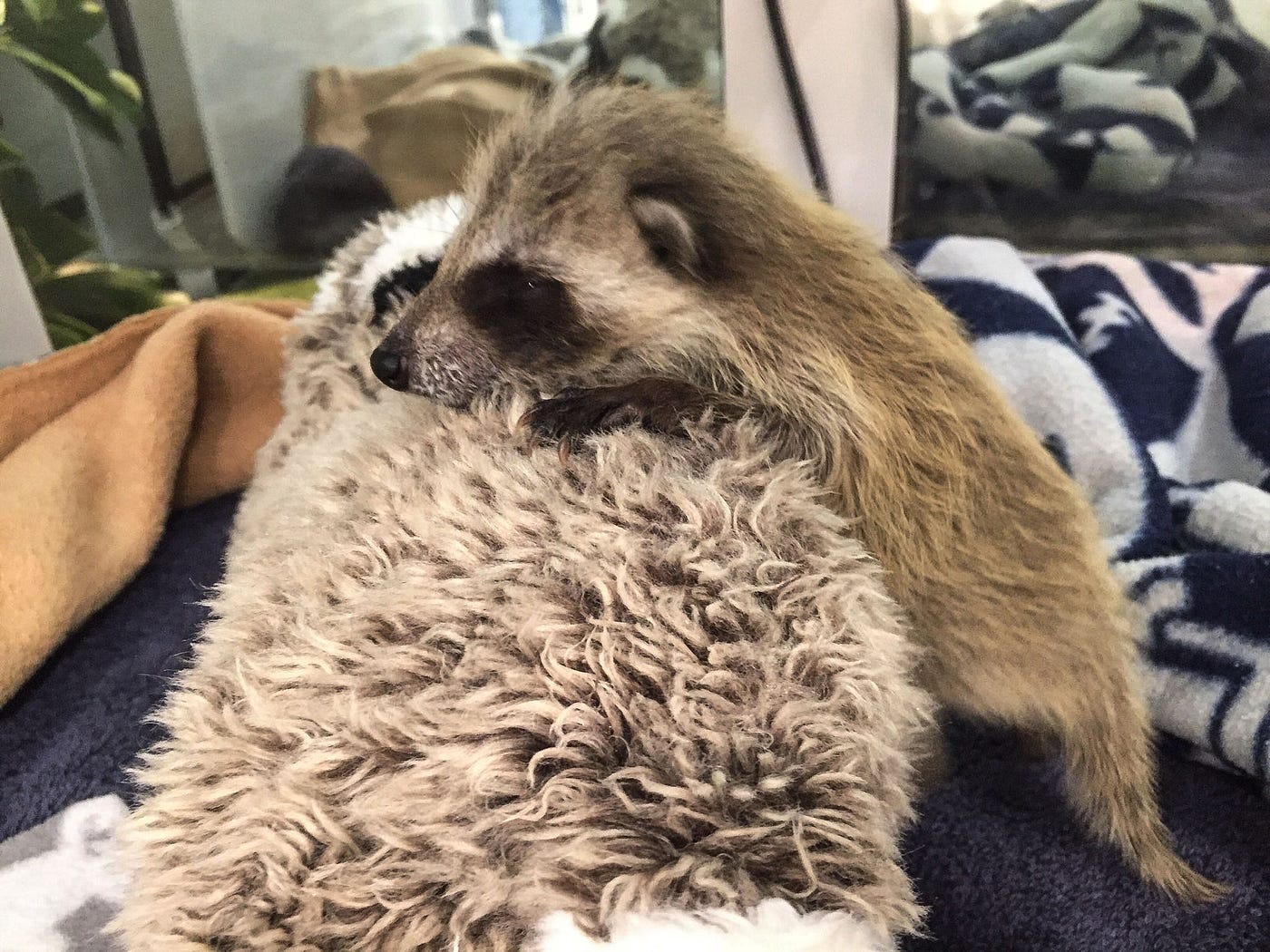
She also spends time grooming and cuddling the kits, which helps regulate their body temperature and promotes bonding. This nurturing behavior reduces stress in the kits, which is vital for their development and immune system strength. Have you ever thought about how this close contact boosts their chances of survival?
Adaptations Improving Survival
Raccoon kits face many dangers during their early life. Their survival depends on special adaptations. These adaptations help them avoid predators and find food. Both behavior and physical traits play a key role in increasing their chances of survival.
Behavioral Adaptations
Raccoon kits learn important skills from their mother. They stay close to the den for safety. Kits play together to build strength and coordination. They practice climbing and foraging before leaving the nest. This practice helps them avoid threats in the wild. Staying quiet and still helps them escape notice from predators. They also use clever hiding spots to stay safe.
Physical Traits
Kits are born with sharp claws that help in climbing. Their fur provides warmth and camouflage in the forest. Their sensitive paws allow them to feel and grab small objects. Large eyes help them see well in low light. These traits improve their ability to find food and avoid danger. The strong limbs of kits support quick movement to escape threats.
Conservation And Human Interaction
Conservation and human interaction play a crucial role in the survival rates of raccoon kits. As humans expand their living spaces, raccoons face new challenges that can affect their young. Understanding these dynamics helps you see how your actions can impact local wildlife.
Impact Of Urbanization
Urbanization changes raccoon habitats dramatically. Roads, buildings, and reduced green spaces often lead to more accidents and fewer safe places for kits to grow.
In cities, raccoons adapt by scavenging human garbage, but this comes with risks like disease and conflicts with people. Have you noticed raccoons near your home? Your neighborhood’s layout might be influencing their survival chances more than you realize.
Conservation Efforts
Many groups work to protect raccoon habitats and reduce harmful human interactions. Efforts include creating wildlife corridors and educating communities about coexistence.
You can support these initiatives by securing trash bins, avoiding direct feeding, and reporting injured wildlife. Small actions like these can increase the survival rate of raccoon kits significantly.
Credit: medium.com
Frequently Asked Questions
What Percentage Of Raccoon Kits Survive To Adulthood?
Approximately 30-50% of raccoon kits survive to adulthood. Survival rates depend on food availability, predation, and habitat conditions. Harsh winters and diseases also affect survival chances. Mothers provide care, but many kits fall prey to predators or environmental challenges before maturity.
What Factors Influence Raccoon Kit Survival Rates?
Raccoon kit survival depends on food supply, shelter, and predator presence. Disease and weather conditions also play crucial roles. Human activity can impact habitats, reducing survival chances. Strong maternal care improves survival, but external threats still cause significant mortality.
How Does Predation Affect Raccoon Kit Survival?
Predation is a major cause of raccoon kit mortality. Common predators include owls, coyotes, bobcats, and domestic dogs. Kits are vulnerable when young and rely on their mother’s protection. High predator density areas often see lower kit survival percentages.
Do Raccoon Kits Face Diseases That Impact Survival?
Yes, diseases like distemper and parasites reduce raccoon kit survival. Weakened immune systems in young kits increase vulnerability. Disease outbreaks can cause significant mortality within litters. Healthy habitats and reduced stress help improve resistance and survival rates.
Conclusion
Understanding raccoon kit survival rates can inform wildlife conservation efforts. These adorable creatures face many challenges in their early lives. Predators, diseases, and food scarcity are some threats they encounter. Supporting their habitats can help improve their survival chances. Awareness and education can also play a crucial role.
Simple actions can make a big difference for these animals. Every effort counts in ensuring raccoons thrive. By learning more, we contribute positively. Nature needs our help to maintain balance. Protecting raccoons is a step towards a healthier ecosystem. Let’s cherish and preserve these fascinating wildlife members.