Imagine finding yourself deep in the wild, far from help, with only what you carry. What if your survival depends on the kit you packed?
Building a wilderness survival kit isn’t just for experts—it’s something you can do right now to protect yourself and your loved ones. In this guide, you’ll discover exactly what to include, why each item matters, and how to prepare for unexpected situations.
Keep reading, and you’ll gain the confidence to face the wilderness with the right tools by your side.
Choosing The Right Container
Choosing the right container is key for a successful wilderness survival kit. It keeps all your tools safe and organized. The right container protects your items from damage and weather. It also helps you carry your kit easily during outdoor adventures.
Size And Durability
Pick a container that fits all essential items without being bulky. It should be compact enough to carry comfortably. Strong materials like hard plastic or metal work best. They resist drops, scratches, and rough handling. Durability ensures your kit stays intact in tough conditions.
Waterproof Options
Waterproof containers keep your gear dry and usable. Look for sealed lids or rubber gaskets that block water entry. Some containers float, which helps if you cross rivers or lakes. Waterproofing protects electronics, matches, and first aid supplies from moisture damage.
Accessibility Features
Easy access saves time during emergencies. Choose containers with quick-open lids or simple clasps. Transparent or labeled containers help find items fast. Compartments or dividers keep gear organized and ready for use. Accessibility means less stress and faster response outdoors.

Credit: www.youtube.com
Essential Tools And Equipment
A well-prepared wilderness survival kit must include essential tools and equipment. These items help you handle basic needs like cutting, making fire, finding shelter, and navigation. Choosing the right gear increases your chances of staying safe and comfortable outdoors.
Cutting Tools
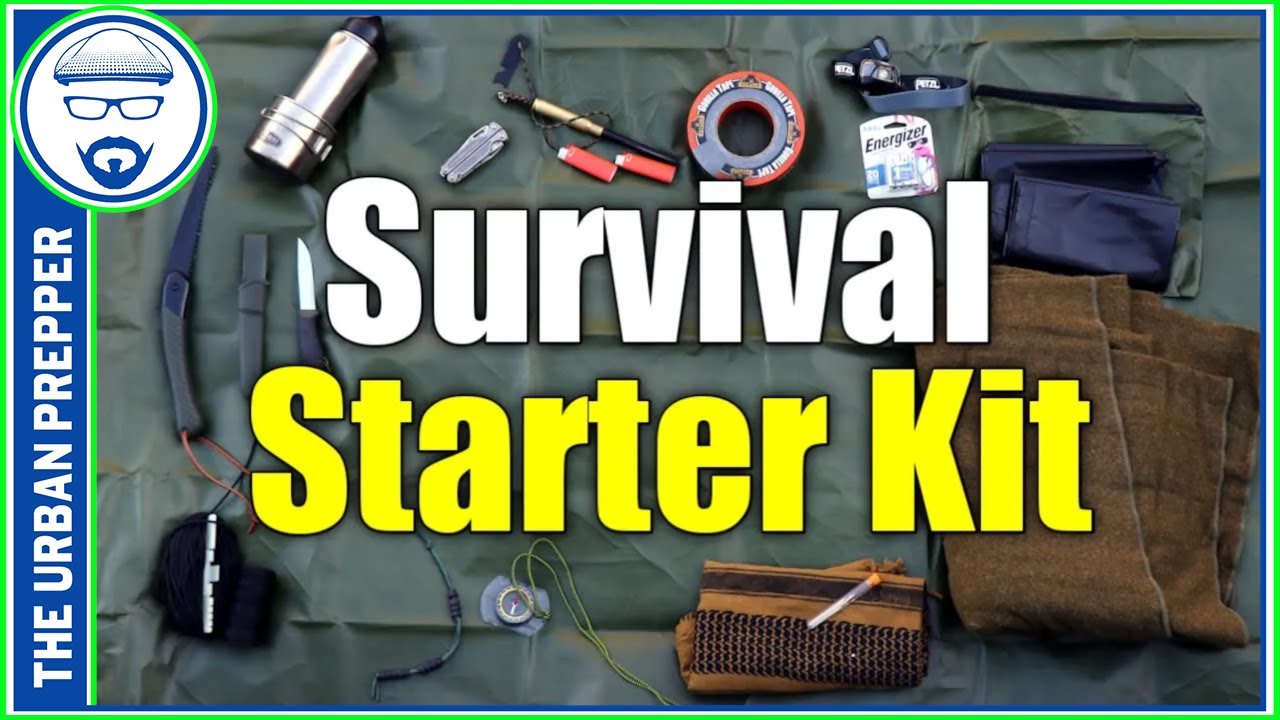
Cutting tools are vital for many tasks in the wild. A sturdy knife can help you build shelter, prepare food, and make other tools. A folding saw or small axe is useful for cutting wood and clearing paths. Pick tools that feel strong and easy to handle.
Fire Starters
Fire starters are key to warmth, cooking, and signaling for help. Waterproof matches, a lighter, and a fire steel are reliable options. Carry dry tinder like cotton balls or small wood pieces to help start fires quickly. Practice using these tools before your trip.
Shelter Materials
Shelter materials protect you from weather and insects. A compact tent, tarp, or emergency blanket works well. Include strong cord or paracord to secure your shelter. Lightweight and easy-to-carry items save space in your kit.
Navigation Aids
Navigation aids keep you on track and prevent getting lost. A compass and a detailed map of the area are must-haves. A GPS device or smartphone with offline maps can be helpful but rely on traditional tools. Learn basic map reading skills for safety.
Food And Water Supplies
Food and water are essential for survival in the wilderness. Without clean water and enough food, your energy and focus will drop fast. Preparing a kit with reliable food and water supplies makes a big difference. It keeps you strong and hydrated during your adventure.
Portable Water Filters
Portable water filters remove harmful bacteria and parasites from water sources. They are lightweight and easy to carry. Some filters use pump action, while others rely on gravity. Choose one that fits your trip length and water availability. Filters are better than relying on boiling or chemical tablets alone.
- Removes 99.9% of bacteria
- Filters up to 1,000 liters
- Compact and lightweight design
Non-perishable Food
Non-perishable food lasts long without refrigeration. It provides steady energy during your time outdoors. Pack lightweight, high-calorie options that do not spoil easily. Examples include nuts, dried fruits, energy bars, and freeze-dried meals. These foods are easy to prepare and carry.
- High protein and energy content
- Easy to store and carry
- Ready to eat or quick to prepare
Water Storage Solutions
Proper water storage keeps your supply clean and accessible. Use durable water bottles or collapsible bags. Choose containers that resist leaks and can handle rough conditions. Label bottles for easy identification. Store enough water for at least three days per person.
- Reusable water bottles with caps
- Collapsible water bladders for space saving
- Containers made of BPA-free materials
Credit: m.youtube.com
First Aid And Safety Items
First aid and safety items are essential in a wilderness survival kit. They help treat injuries and keep you safe in risky situations. These items can prevent minor wounds from getting worse. They also improve your chances of rescue in an emergency. Packing the right tools ensures you are ready for unexpected problems outdoors.
Basic Medical Supplies
Include items for treating common injuries and illnesses. Bandages and gauze protect wounds and stop bleeding. Antiseptic wipes clean cuts to avoid infection. Pain relievers help reduce discomfort. Tweezers remove splinters or ticks safely. Medical tape secures dressings in place. Carry allergy medicine if you have allergies. A small first aid manual can guide you through treatment.
Emergency Signaling Devices
Signaling devices alert rescuers to your location. A whistle makes loud sounds that travel far. A mirror reflects sunlight for visual signals. A flashlight or headlamp provides light at night. Glow sticks offer light without batteries. Consider a personal locator beacon for remote areas. These tools increase your chance of being found quickly.
Personal Protection Gear
Protection gear guards you against dangers in the wild. Gloves prevent cuts and infections when handling objects. A face mask protects from dust and smoke. Sunglasses shield your eyes from bright sunlight. Insect repellent keeps bugs away and reduces bites. A sturdy knife can serve as a tool and defense. Always choose lightweight and durable items for easy carrying.
Clothing And Comfort Gear
Choosing the right clothing and comfort gear is vital for your wilderness survival kit. Your body’s ability to regulate temperature and stay protected against the elements can mean the difference between a tough day and a dangerous one. Focus on clothing that adapts to changing conditions and keeps you comfortable for hours on end.
Weather-appropriate Clothing
Start with clothing that fits the climate you expect to face. Breathable, moisture-wicking fabrics work well in hot weather to keep sweat off your skin. In colder environments, waterproof and windproof outer layers shield you from rain and harsh winds.
Think about your last trip when a sudden rainstorm soaked your cotton shirt—did it slow you down or make you miserable? Avoid cotton because it traps moisture and chills your body quickly. Instead, choose synthetic or wool fabrics that dry fast and retain warmth even when damp.
Insulation Layers
Layering is your best defense against temperature swings. Start with a thin base layer that moves moisture away from your skin. Add a mid-layer like fleece or down for warmth, and finish with a shell layer that blocks wind and rain.
Remember, you can always remove layers when you get too warm, but missing a crucial layer can leave you exposed and vulnerable. Pack lightweight, compressible insulation gear so you won’t hesitate to bring it along. Have you tested your layers in cold conditions to see how well they keep you warm?
Insect Protection
Insects can drain your energy and distract you from survival tasks. Include clothing with built-in insect repellent or treat your gear with permethrin. Long sleeves, pants, and a hat reduce exposed skin and lower bite risk.
A bug net or head net can be lifesavers in mosquito-heavy areas. Think back to a night when buzzing bugs kept you awake—would having proper insect protection have made the difference? Protecting yourself from insects not only improves comfort but also reduces the risk of insect-borne diseases.

Credit: www.youtube.com
Packing And Maintenance Tips
Packing and maintaining your wilderness survival kit is more than just tossing items into a bag. It requires careful planning and routine care to ensure every tool is ready when you need it most. A well-organized and regularly updated kit can make a real difference in your ability to handle emergencies smoothly.
Organizing Your Kit
Start by grouping similar items together. Keep your first aid supplies in one pouch, fire-starting tools in another, and food-related gear separate. This makes it easier to find what you need quickly.
Use clear, waterproof bags or small containers to protect sensitive items. Label everything clearly so you won’t waste time digging through your kit. Think about the order you’ll need things during an emergency—put the most critical items on top or in easy-to-reach spots.
Regular Inspection And Updates
Check your kit at least every three months. Look for expired food, damaged tools, or batteries that need replacing. You don’t want to discover a dead flashlight or stale energy bars when you’re out in the wild.
Ask yourself: Are you carrying items that no longer fit your needs or environment? Adjust your kit based on recent experiences or changes in the season. For example, add extra water purification tablets if you’ll be near rivers during rainy months.
Weight Management Strategies
Every ounce counts when you’re carrying your kit on your back. Prioritize multi-use items, like a knife that also works as a fire starter or a tarp that doubles as shelter. This cuts down on unnecessary bulk.
Test your kit’s weight by carrying it on short hikes. If it feels too heavy, remove less critical items or swap them for lighter alternatives. Remember, a lighter kit means you’ll move faster and stay less tired, which can save your life.
Frequently Asked Questions
What Are Essential Items In A Survival Kit?
A wilderness survival kit should include a first aid kit, water purification tablets, a reliable knife, a fire starter, a compass, and a space blanket. These items help you stay safe and make critical decisions in the wild. Always choose high-quality gear for durability and effectiveness.
How Can I Purify Water In The Wild?
You can purify water using water purification tablets, a portable filter, or by boiling it. Boiling water for at least one minute kills most pathogens. Portable filters are convenient and effective. Always treat water from natural sources before drinking to avoid illnesses.
Why Is A Fire Starter Crucial For Survival?
A fire starter is essential for warmth, cooking, and signaling for help. It can be a lifesaver in cold or wet conditions. Matches, lighters, and flint strikers are reliable options. Keep them dry and accessible in your survival kit for emergencies.
How Do I Choose A Survival Knife?
Choose a survival knife with a full tang for strength and durability. The blade should be sharp, versatile, and made of high-quality stainless steel. A comfortable grip and a suitable size ensure efficient use. A good knife is vital for cutting, carving, and protection.
Conclusion
Building a wilderness survival kit takes time and care. Choose items that suit your needs and environment. Keep your kit light but complete. Practice using your tools before heading outdoors. Regularly check and update your supplies. Staying prepared can make a big difference in emergencies.
Your safety depends on good planning and smart choices. Start assembling your kit today and gain peace of mind. Ready for adventure, ready for nature’s challenges. Simple steps lead to greater confidence in the wild.