Imagine everything around you suddenly goes dark—no power, no communication, no way to charge your devices. An EMP blast can knock out electronics in an instant, leaving you vulnerable and unprepared.
You might be wondering, “What do I really need in a survival kit for an EMP blast? ” This isn’t just about having supplies; it’s about having the right tools to protect yourself and your loved ones when technology fails.
Keep reading, because the survival kit you build now could make all the difference when the unexpected happens.

Credit: www.reddit.com
Emp Blast Risks
An EMP (Electromagnetic Pulse) blast can cause serious damage to electronic devices. It releases a burst of electromagnetic energy that disrupts electrical systems. Understanding these risks helps prepare a survival kit that protects essential gear.
How Emps Affect Electronics
EMPs create strong electrical currents that can fry circuits instantly. Many common devices like smartphones, computers, and radios become useless. Even cars with electronic ignition systems can stop working. Devices without power at the time may still be damaged.
Small, sensitive electronics are the most vulnerable. Power grids and communication towers can also fail, causing widespread outages. This damage can last hours or even days depending on the blast strength.
Potential Impact On Daily Life
Life after an EMP blast changes fast. No electricity means no lights, no internet, and no phone service. Water pumps and gas stations may stop working, cutting off essential supplies. Food in refrigerators can spoil quickly without power.
Emergency services might be overwhelmed or offline. Transportation systems could fail, making travel difficult or unsafe. People will need to rely on stored supplies and non-electric tools for survival.

Credit: trueprepper.com
Basic Survival Essentials
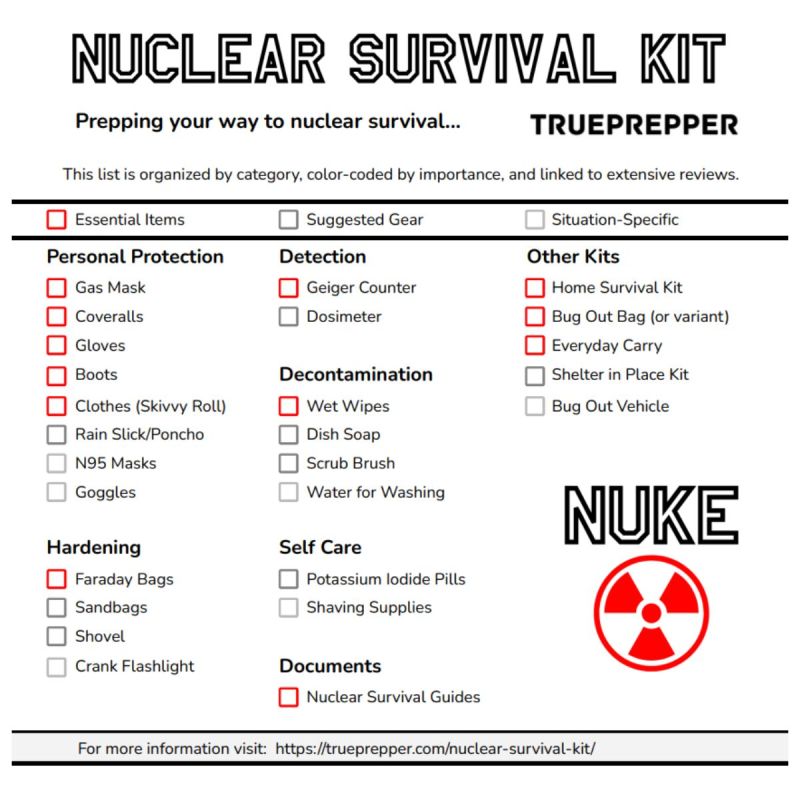
Building a survival kit for an EMP blast means focusing on basic essentials. These items keep you alive and safe. They help you handle emergencies without electricity or outside help. Prioritize items that provide water, food, and health care. Quality and durability matter the most.
Water And Hydration Tools
Water is the top survival priority. Carry enough clean water for several days. Use durable water containers that won’t break. Include water purification tablets or filters. They make unsafe water drinkable. A metal pot or container can help boil water for safety.
Non-perishable Food Items
Choose food that lasts long without refrigeration. Canned beans, rice, and dried fruits are good options. Freeze-dried meals weigh less and store easily. Energy bars provide quick nutrition. Pack enough food for at least three days. Remember, variety helps maintain strength and morale.
First Aid Supplies
A basic first aid kit is essential. Include bandages, antiseptic wipes, and adhesive tape. Add pain relievers, tweezers, and scissors. Pack allergy medicine and burn cream. Know how to use each item. First aid helps treat injuries before professional help arrives.
Emp-resistant Gear
Preparing for an EMP blast means focusing on gear that won’t fail when the electrical grid goes down. EMP-resistant gear is essential because it protects your critical devices from the sudden surge of electromagnetic energy that can fry electronics instantly. Without these tools, you risk losing communication, light, and essential information when you need them most.
Faraday Cage Basics
A Faraday cage is a simple but powerful way to shield your electronics from an EMP. It works by creating a metal enclosure that blocks electromagnetic fields from reaching the devices inside.
You can buy ready-made Faraday bags or build your own cage using materials like aluminum foil or metal containers. Just make sure the cage is fully sealed with no gaps, and your devices are insulated from the metal to avoid short circuits.
Have you considered what small items you could protect this way? Even car key fobs and backup batteries can be kept safe inside a Faraday cage.
Emp-proof Communication Devices
Staying connected is crucial during an EMP event, but most modern communication devices are vulnerable. Look for radios and walkie-talkies specifically designed to resist EMP damage.
Some older analog models or military-grade communication gear tend to be more resilient. Keep spare batteries protected in a Faraday cage, so your devices remain operational when you need them.
What communication device would you trust to work when everything else goes silent?
Durable Lighting Options
Light sources are vital for safety and navigation after an EMP blast, yet many rely on fragile electronics. Choose flashlights and lanterns that use simple, mechanical switches and can be powered by hand cranks or solar energy.
LED lights are efficient but ensure you store extra bulbs and power sources safely. Headlamps with manual charging features or oil lamps provide reliable alternatives when batteries fail.
Have you tested your lighting options in a blackout situation to see which ones you rely on most?

Credit: trueprepper.com
Power And Energy Solutions
Power and energy are the backbone of any survival kit for an EMP blast. Without access to electricity, communication devices, medical equipment, and basic lighting become useless. Preparing reliable energy sources ensures you stay connected and safe when the grid goes down.
Solar Chargers And Panels
Solar chargers and panels capture sunlight and convert it into usable electricity. They’re lightweight, silent, and don’t rely on fuel, which makes them ideal for long-term survival scenarios. You can charge phones, radios, and small batteries directly from the sun.
Look for panels with at least 10 watts of power for basic devices. Portable folding solar panels are convenient and easy to carry. Have you tested how long your devices can run solely on solar power? Try it now to understand your actual needs.
Hand-crank Generators
Hand-crank generators allow you to produce electricity manually. They don’t depend on weather conditions and can be used anytime you have the strength. This makes them perfect for emergencies when solar energy isn’t available.
Keep one in your kit to charge small devices like flashlights or radios. It’s a good idea to practice cranking it beforehand so you know how much effort is needed. Would you be ready to crank for 10 minutes to keep your communication open?
Battery Storage Tips
Having spare batteries is crucial, but storing them correctly is just as important. Keep batteries in a cool, dry place to prevent loss of charge and leakage. Organize them by type and check expiration dates regularly.
Consider using rechargeable batteries paired with your solar or hand-crank devices. This approach lets you reuse power sources multiple times, cutting down on waste and cost. Have you set up a system to rotate and test your batteries before a disaster strikes?
Tools And Equipment
Having the right tools and equipment in your survival kit for an EMP blast can make all the difference. Without electricity, many modern conveniences fail, so your gear must be reliable and independent of power sources. Choosing versatile, durable items ensures you can handle a variety of challenges that come your way.
Multi-tools And Knives
A good multi-tool is your best friend in a crisis. It combines many functions like pliers, screwdrivers, and scissors into one compact device, saving space and weight. A sturdy fixed-blade knife also proves invaluable for cutting, preparing food, or crafting shelter.
Look for tools made with corrosion-resistant steel and comfortable grips. Have you ever struggled to open a can or fix gear without the right blade? This is why including both a sharp knife and a versatile multi-tool is essential.
Fire Starting Methods
Fire is critical for warmth, cooking, and signaling, especially when electronic lighters won’t work. Pack multiple fire-starting options such as waterproof matches, a magnesium fire starter, and even cotton balls soaked in petroleum jelly. These don’t rely on batteries and can ignite in damp conditions.
Test each method before you need it, so you know exactly how to use them under pressure. Could you start a fire if everything around you was wet? Having several reliable ways ensures you won’t be left in the cold.
Shelter And Clothing
Your survival kit should include materials to protect you from the elements. Compact emergency blankets, a tarp, or a lightweight tent can shield you from wind, rain, and cold. Choose clothing made of breathable, quick-dry fabrics layered for varying temperatures.
Durability matters—think about tough boots, gloves, and a hat to prevent injuries and heat loss. Have you ever been caught outside unprepared? Proper shelter and clothing reduce your risk of hypothermia and fatigue, keeping you ready for the next step.
Communication And Navigation
Communication and navigation are vital for survival after an EMP blast. Electronic devices may fail, making traditional tools essential. Staying connected and finding your way ensures safety and support.
Radio Frequencies To Consider
Choose radios that use low-frequency bands. These include:
- VHF (Very High Frequency) for short-range communication
- HF (High Frequency) for longer distances
- CB (Citizens Band) radios for local use
Carry extra batteries and manual tuning guides. Avoid relying on smartphones or GPS devices alone.
Maps And Compass Use
Paper maps remain reliable tools. Learn to read topographic maps for your area. A compass helps with direction and navigation without power.
- Mark key locations and routes on maps
- Practice using a compass before emergencies
- Keep both items dry and protected
Signal And Alert Devices
Visual and audio signals attract help or warn others. Include these in your kit:
- Whistles for loud sound alerts
- Signal mirrors to reflect sunlight
- Flare sticks or glow sticks for night signals
Use these tools to improve your chances of rescue or communication without electronics.
Maintenance And Storage
Maintaining and storing your survival kit for an EMP blast properly is just as important as assembling it. Without the right care, your kit’s effectiveness can diminish, leaving you unprepared when you most need it. Taking a few simple steps to keep everything in good shape ensures your survival gear will be ready to perform at its best.
Proper Kit Storage Techniques
Store your EMP survival kit in a cool, dry place away from direct sunlight and moisture. Avoid basements or attics where temperature and humidity fluctuate dramatically. Use airtight containers or heavy-duty plastic bins to protect electronics and sensitive items from dust and water damage.
Consider using Faraday bags or metal containers to shield electronic gear from electromagnetic pulses. These storage methods create a barrier that can prevent damage during an EMP event. Have you checked whether your storage container actually blocks EMP signals?
Regular Gear Checks
Set a schedule to inspect your kit at least every three months. During checks, look for signs of corrosion, rust, or battery leakage. Testing batteries and electronic devices regularly keeps you informed about their condition and functionality.
Don’t just open your kit—use the gear. Turn on radios, flashlights, and other equipment to confirm they work. This hands-on approach helps you spot problems before they become emergencies.
Updating And Replacing Items
Replace expired food, water, and medical supplies promptly. Even non-perishable items have shelf lives that affect their reliability. Keep a checklist with dates to track when items need refreshing.
Technology changes fast, so update your electronics and tools if better versions become available. A newer, more efficient solar charger or hand-crank radio could make a big difference. What gear have you replaced recently that improved your kit’s readiness?
Frequently Asked Questions
What Essentials Are Needed In An Emp Survival Kit?
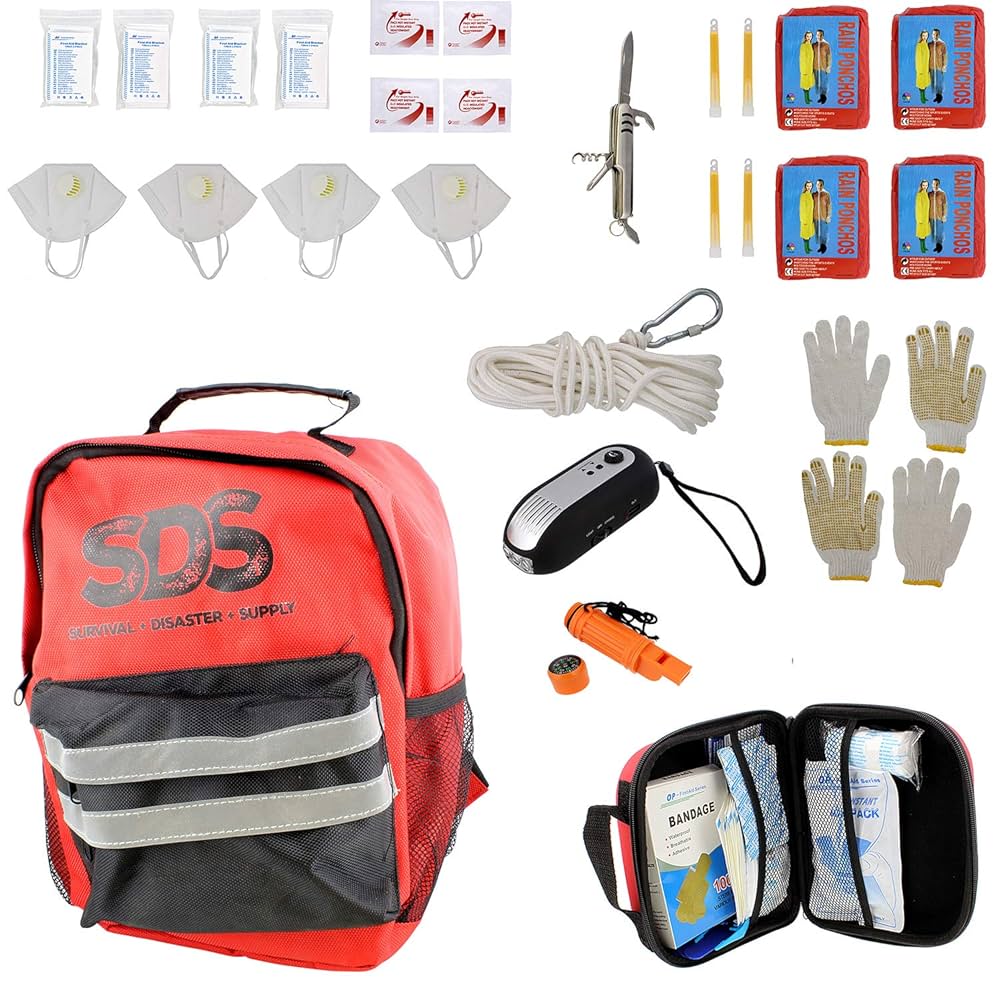
An EMP survival kit should include non-perishable food, water purification tools, and a first aid kit. Also, pack a flashlight with extra batteries, a hand-crank radio, and a multi-tool. Don’t forget to include warm clothing and a sturdy backpack to carry your essentials.
How Do I Store Food For An Emp Event?
Store food in airtight containers to keep it fresh and safe. Choose non-perishable items like canned goods, dried fruits, and nuts. Keep food in a cool, dry place away from sunlight. Rotate supplies regularly to ensure everything remains edible.
Why Is A Faraday Cage Important?
A Faraday cage protects electronic devices from EMP damage by blocking electromagnetic fields. It is essential for safeguarding crucial electronics such as radios, communication devices, and power banks. Construct one using conductive materials like aluminum foil or buy a pre-made cage for assurance.
Can Solar Chargers Work After An Emp?
Solar chargers can work after an EMP if they are protected in a Faraday cage. Store them safely before an EMP event. This ensures you can charge essential devices post-EMP. Keep portable solar panels and chargers ready for emergency use.
Conclusion
Preparing a survival kit for an EMP blast is crucial. Include water, food, and basic tools. Don’t forget items to protect electronics and communicate. Keep your kit simple but effective. Staying ready helps you face emergencies calmly. Safety depends on what you carry.
Start building your kit today for peace of mind. Small steps now can make a big difference later. Stay safe, stay prepared.