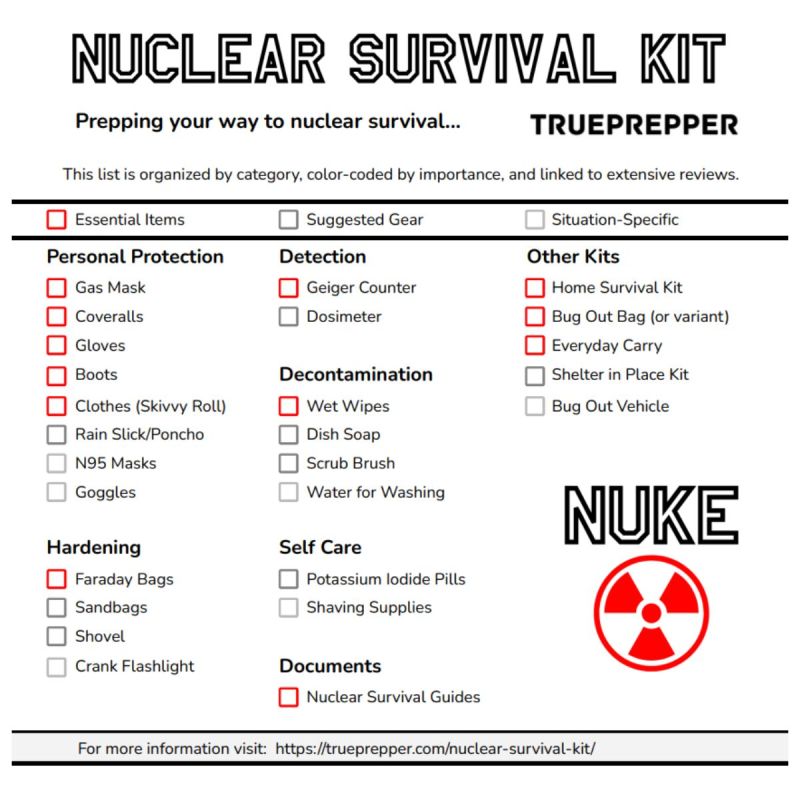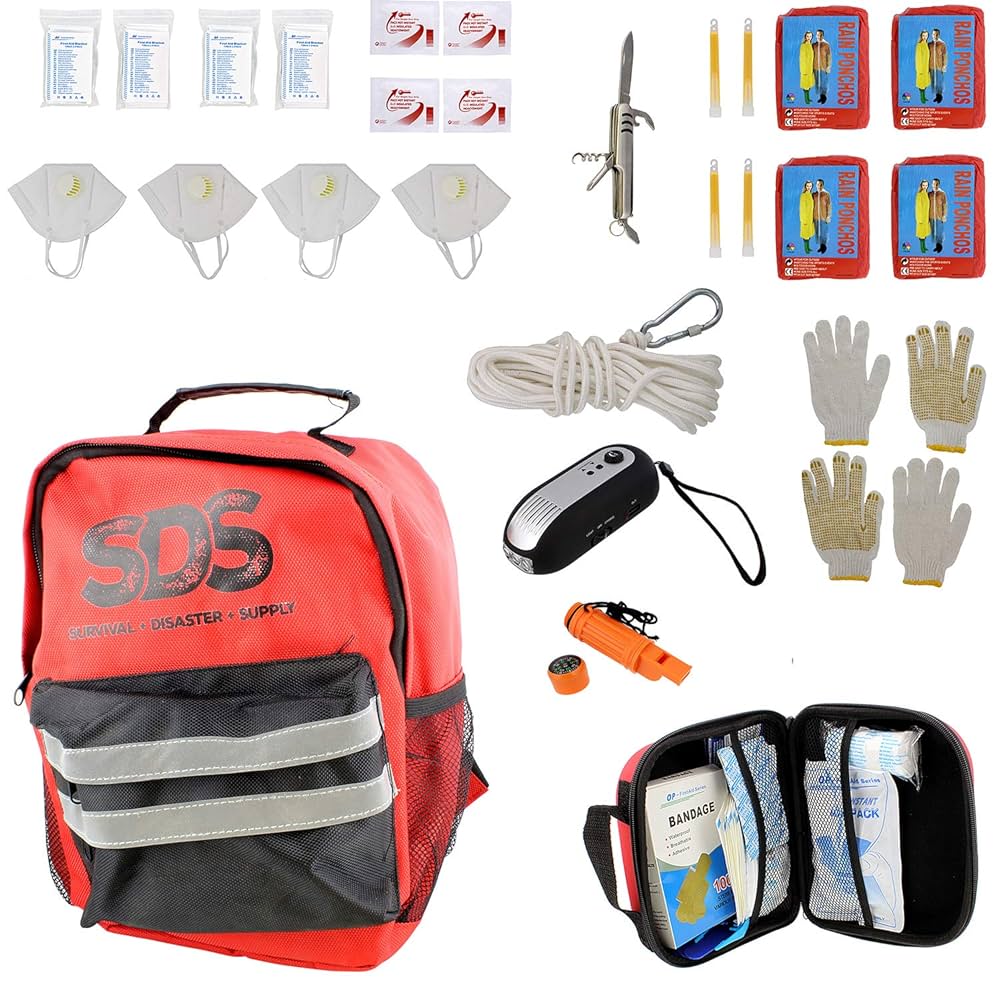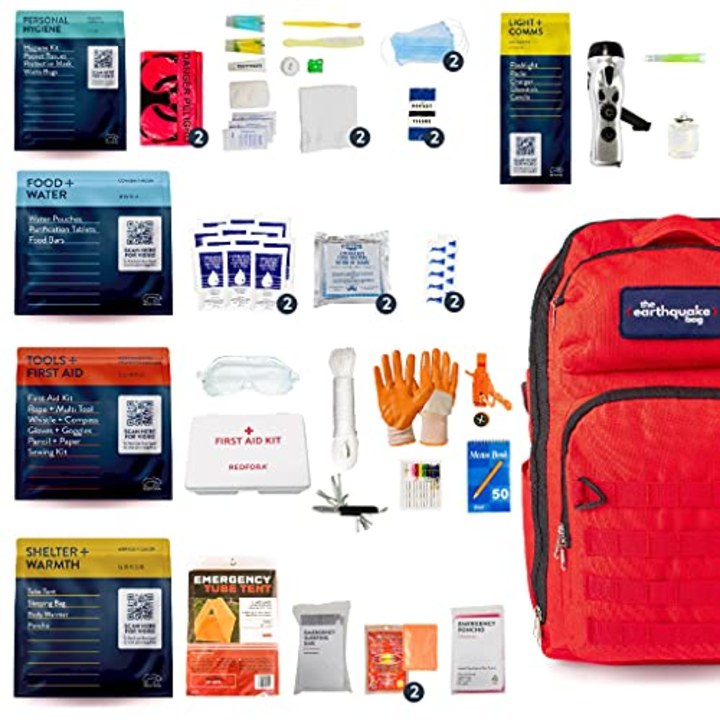
Imagine finding yourself in an unexpected emergency situation—whether it’s a natural disaster, a sudden power outage, or getting lost in the wilderness. In these moments, having a well-prepared survival kit can be the difference between panic and peace of mind.
Have you ever wondered what you truly need in a comprehensive survival kit? You might be surprised at the essentials that are often overlooked. This guide will reveal the crucial items that should always have a place in your survival kit, ensuring that you’re ready for anything life throws your way.
Keep reading to discover how to equip yourself with the right tools to tackle any challenge confidently.

Credit: premierbodyarmor.com
Basic Survival Tools
Basic survival tools form the heart of any survival kit. These tools help you perform essential tasks with ease. They prepare you to face challenges in the wild or during emergencies. Choosing reliable and versatile tools ensures safety and confidence.
Knives And Multi-tools
A sharp knife is vital for cutting, preparing food, and protection. Multi-tools combine several functions like pliers, screwdrivers, and scissors. They save space and add convenience. Pick tools with sturdy handles and rust-resistant blades. Compact size matters for easy carrying.
Fire Starters
Fire is crucial for warmth, cooking, and signaling. Carry waterproof matches, lighters, or magnesium fire starters. These items work even in wet conditions. Include tinder such as cotton balls or dry leaves to help ignite flames quickly. Practice lighting fires safely before any trip.
Cordage And Rope
Strong cordage helps build shelters, secure gear, and make traps. Paracord is lightweight and highly durable. It can support heavy loads and has many uses. Keep at least 10 to 20 feet in your kit. Knots and tying skills are useful to maximize cordage effectiveness.

Credit: www.youtube.com
Water And Hydration Gear
Water is vital for survival. A comprehensive survival kit must include reliable water and hydration gear. Staying hydrated keeps your body strong and alert. Without clean water, sickness and dehydration become serious risks. Proper gear helps you find, store, and purify water safely.
Water Filters And Purifiers
Water filters remove dirt, bacteria, and parasites from water. Portable filters are lightweight and easy to use. Some use a pump or squeeze mechanism to push water through the filter.
Purifiers kill viruses and other harmful microorganisms. Chemical tablets or UV light purifiers are common options. They make water safe even when it looks clear but might be contaminated.
Choose a filter or purifier that matches your needs and environment. Test your gear before an emergency. Clean water saves lives.
Containers And Bottles
Water containers store and carry your clean water. Choose durable bottles made of BPA-free plastic or metal. Collapsible bottles save space and are easy to pack.
Have multiple containers for different uses. Use some for storing filtered water and others for collecting raw water. Mark containers clearly to avoid mix-ups.
Keep containers clean and dry. Replace old or damaged bottles regularly to avoid leaks or contamination.
Emergency Water Sources
Identify local water sources before an emergency. Streams, lakes, and rainwater are natural options. Collect rainwater with tarps or containers during storms.
Know how to find water in the wild. Look for signs like green plants and animal tracks. Digging in dry riverbeds can sometimes reveal water.
Always treat water from natural sources. Use filters or purifiers to remove harmful agents. Safe water is key to survival.
Food And Nutrition Supplies
Food and nutrition supplies play a vital role in any survival kit. They provide energy and strength to face tough situations. Proper nourishment helps keep the mind sharp and the body active. Choose items that last long and are easy to carry. Include a variety of foods to cover different nutritional needs. Think about calories, vitamins, and minerals to stay healthy.
Non-perishable Food Items
Non-perishable food lasts without refrigeration. These foods are perfect for emergencies or outdoor trips. Examples include canned beans, dried fruits, and rice. Choose items with a long shelf life. Packaging should be sturdy and waterproof. Avoid foods that spoil quickly or need special storage.
- Canned vegetables and meats
- Dried pasta and rice
- Freeze-dried fruits and vegetables
- Powdered milk and soups
Energy Bars And Supplements
Energy bars provide a quick calorie boost. They are lightweight and easy to eat. Pick bars rich in protein and fiber. Supplements like vitamins help maintain health. Carry multivitamins to cover nutrient gaps. These items support energy and immune function.
- Protein bars
- Granola and cereal bars
- Vitamin tablets
- Electrolyte powders
Portable Cooking Equipment
Portable cooking gear makes food preparation easier. Small stoves and utensils are useful in the wild. Choose lightweight and compact tools. Look for fuel-efficient stoves for longer use. Include basic items for boiling and heating food.
- Compact camping stove
- Lightweight pots and pans
- Reusable utensils
- Fuel canisters
- Fire starters
Shelter And Warmth
Keeping yourself protected from the elements is crucial in any survival situation. Shelter and warmth can mean the difference between discomfort and danger. Your survival kit should have reliable items that provide insulation and protection, no matter the weather or terrain.
Emergency Blankets And Sleeping Bags
Emergency blankets are lightweight, compact, and reflect body heat back to you. They can fit easily in your pack and are great for unexpected cold snaps. Sleeping bags designed for survival often have thermal insulation and water-resistant shells, offering more comfort and protection during cold nights.
Have you ever experienced a night outdoors where a simple blanket made all the difference? These items are not just conveniences—they are lifesavers.
Tents And Tarps
A sturdy tent provides shelter from wind, rain, and insects, creating a safe space to rest. Tarps are versatile and can be set up quickly as makeshift shelters or ground covers. Choose lightweight, durable materials that pack small but expand into reliable protection.
Think about how a tarp can be arranged in multiple ways depending on your environment. This flexibility can keep you dry and shielded when conditions change unexpectedly.
Clothing For Various Conditions
Your clothing choices must adapt to different weather extremes. Layering is key: moisture-wicking base layers, insulating middle layers, and waterproof outer layers work together to regulate body temperature. Don’t forget accessories like hats, gloves, and extra socks—they help maintain warmth in critical areas.
Have you prepared for sudden weather shifts that could leave you chilled? Packing the right clothing can prevent hypothermia and keep you moving efficiently.
First Aid Essentials
First aid essentials form the backbone of any survival kit. They help treat injuries and prevent infections. Having the right supplies ensures you can act quickly in emergencies. This section covers key items you should include.
Basic Medical Supplies
- Adhesive bandages of various sizes
- Sterile gauze pads and rolls
- Medical tape for securing dressings
- Antiseptic wipes or solution
- Scissors and tweezers
- Disposable gloves to maintain hygiene
- Elastic bandage for sprains and strains
- Thermometer to check for fever
Medications And Ointments
- Pain relievers such as ibuprofen or acetaminophen
- Antihistamines for allergic reactions
- Antibiotic ointment to prevent wound infection
- Hydrocortisone cream for skin irritation
- Anti-diarrheal medication
- Oral rehydration salts for dehydration
Personal Hygiene Items
- Alcohol-based hand sanitizer
- Antibacterial soap
- Disposable face masks
- Sanitary wipes for cleaning wounds or skin
- Toothbrush and toothpaste for oral care
- Small towel or washcloth

Credit: www.servpro.com
Navigation And Signaling
Navigation and signaling tools are essential in any survival kit. They help you find your way and alert others to your location. These items increase your chances of rescue and keep you oriented in unfamiliar areas.
Compasses And Maps
A compass is a simple tool that points north. It helps you maintain direction when lost. Pair it with a detailed map of the area. Maps show terrain, landmarks, and routes. Together, they guide you through the wilderness or urban settings. Always choose waterproof or laminated maps. Keep them folded safely in your kit.
Whistles And Signal Mirrors
Whistles produce loud sounds that travel far. Use a whistle to call for help or attract attention. It works better than shouting and saves your voice. Signal mirrors reflect sunlight, creating bright flashes. These flashes can be seen from long distances. Use mirrors to catch the eye of rescuers or passersby. Both tools are lightweight and easy to carry.
Flashlights And Batteries
Flashlights provide light in the dark. They help you navigate safely at night or in dark places. Choose a flashlight with a strong beam and multiple settings. Always carry extra batteries in your survival kit. Check them regularly to ensure they work. LED flashlights use less power and last longer. Bright, reliable light improves safety and visibility.
Personal Safety And Protection
Personal safety is a top priority in any survival situation. Protection tools help maintain security and peace of mind. Preparing well means having the right items to defend yourself and stay safe from environmental dangers.
Self-defense Tools
Self-defense tools offer a way to protect yourself from threats. Items like pepper spray, tactical pens, and small personal alarms are useful. Choose tools that are easy to carry and simple to use. Training with these tools increases confidence and effectiveness.
Insect Repellents
Insects can carry diseases and cause discomfort. Insect repellents reduce the risk of bites and infections. Include sprays, lotions, or wearable bands with DEET or natural oils. Reapply repellents regularly to maintain protection, especially in wooded or wet areas.
Protective Gear
Protective gear shields you from physical harm and harsh environments. Consider gloves, knee pads, and face masks for added safety. Durable clothing protects against scratches and bites. A sturdy helmet can safeguard your head during accidents or falls.
Additional Survival Gear
Additional survival gear can make a huge difference when you find yourself in unexpected situations. These items are not just extras; they can turn a challenging moment into a manageable one. Think of them as your backup tools, ready to solve problems you didn’t even know you’d face.
Repair Kits And Duct Tape
Repair kits are essential for fixing gear on the go. From patching a torn tent to mending clothes, having sewing needles, thread, and small tools can save you from big headaches.
Duct tape is a survival classic for a reason. It’s incredibly versatile—you can seal leaks, secure splints, or even make quick shoe repairs. Carry a small roll, and you’ll be surprised how often it comes in handy.
Cash And Identification
In emergencies, electronic payments might not work, so carrying some cash is smart. Small bills are best because they’re easier to use for minor purchases.
Don’t forget your ID and important documents. A waterproof pouch or ziplock bag can protect them from water damage. Imagine needing to prove your identity or access emergency services without these—how would you manage?
Communication Devices
Staying connected is crucial, especially if you’re lost or need help. A fully charged mobile phone is a must, but also consider backup batteries or solar chargers.
Two-way radios or emergency beacons can be lifesavers in areas without cell service. They provide a reliable way to send distress signals or communicate with your group. Have you thought about how you’d alert someone if your phone died?
Frequently Asked Questions
What Are Essential Items In A Survival Kit?
Essential items include water, food, first aid, fire starters, and a multi-tool. These basics ensure safety and sustenance in emergencies.
How Much Water Should A Survival Kit Have?
A survival kit should contain at least one liter of water per person per day. It’s vital for hydration and health.
Why Include A First Aid Kit In Survival Gear?
A first aid kit treats injuries and prevents infections. It’s crucial for managing wounds and minor medical emergencies.
What Food Types Suit A Survival Kit Best?
Non-perishable, high-energy foods like granola bars, nuts, and dried fruits are ideal. They provide quick nutrition and long shelf life.
Conclusion
A good survival kit keeps you ready for many situations. Include items for water, food, shelter, and first aid. Tools like a knife and flashlight help a lot. Always check your kit and update it regularly. Being prepared gives peace of mind and safety.
Small steps today can make a big difference tomorrow. Stay safe and ready for anything life brings.