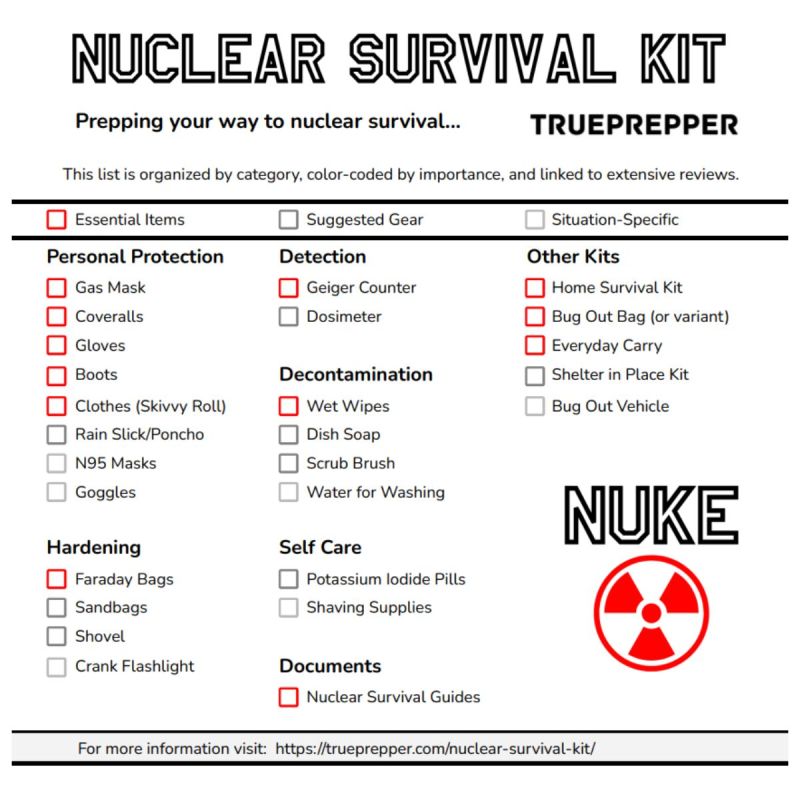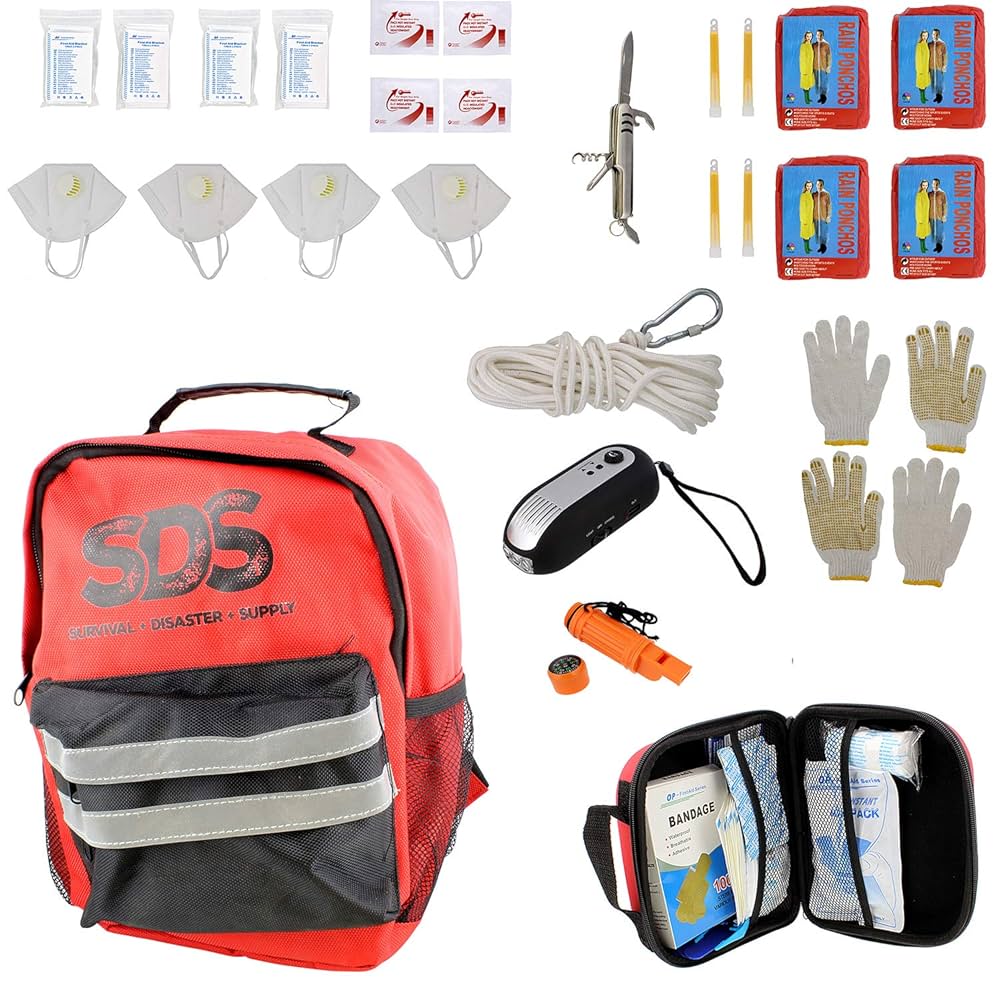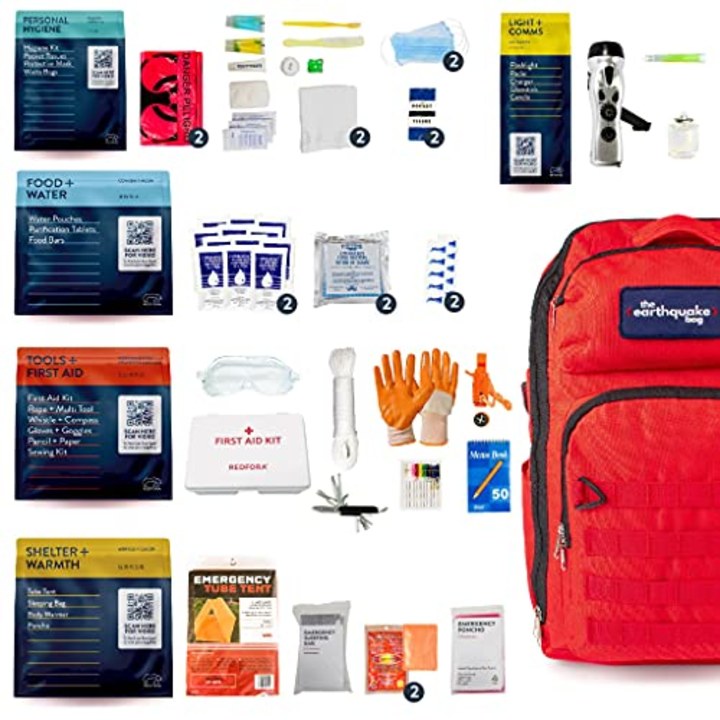
When an earthquake strikes, every second counts. Are you ready to protect yourself and your loved ones when disaster hits?
Building an earthquake survival kit is one of the smartest steps you can take right now. It’s not just about having supplies—it’s about peace of mind knowing you’re prepared for the unexpected. In this guide, you’ll learn exactly what to include in your kit and how to assemble it quickly and effectively.
Keep reading to make sure you have everything you need to stay safe when it matters most.

Credit: moreprepared.com
Choosing The Right Container
Choosing the right container for your earthquake survival kit can make a huge difference when every second counts. The container needs to protect your supplies while being easy to carry and access. Think about where you’ll keep it and how you’ll grab it in an emergency.
Durability And Portability
Your container should be tough enough to withstand shocks, drops, and rough handling. Hard plastic or metal boxes are great options because they won’t crack or break easily. I once had a kit in a flimsy bag that tore during a move—it was a frustrating loss of essential items.
Portability matters just as much as durability. You want something light enough to carry quickly but big enough to hold everything you need. Look for containers with handles or straps so you can grab them fast and move without hassle.
Waterproof And Airtight Options
Water and moisture can ruin your survival supplies faster than you expect. Choosing a waterproof and airtight container keeps your food, medicine, and documents safe from dampness and dust. Sealed plastic tubs or specialized dry bags are excellent choices.
Have you ever opened a kit only to find soggy matches or spoiled food? Avoid that by selecting containers with rubber gaskets or locking lids. These features create a tight seal that protects your gear, even if your kit gets buried or splashed with water.
Basic Survival Supplies
Building an earthquake survival kit starts with gathering basic survival supplies. These items help you stay safe and healthy during an emergency. Focus on essentials that cover your immediate needs. Prioritize food, water, and medical supplies to handle the first crucial days after an earthquake.
Food And Water Essentials
Food and water are vital for survival. Store enough non-perishable food for at least three days. Choose items that need little or no preparation. Examples include canned goods, energy bars, and dried fruits. Keep a manual can opener handy. Water is even more critical. Plan for one gallon of water per person per day. Store water in clean, sealed containers. Replace stored water every six months. Consider water purification tablets or filters as backups.
First Aid Kit Must-haves
A well-stocked first aid kit helps manage injuries. Include bandages, gauze pads, and adhesive tape. Add antiseptic wipes and antibiotic ointment to prevent infections. Pack pain relievers and any personal prescription medicines. Scissors, tweezers, and safety pins can be useful. Don’t forget gloves to protect your hands. A first aid manual can guide you through basic treatments.
Tools And Equipment
Tools and equipment form the heart of an earthquake survival kit. They help you handle emergencies, fix problems, and stay safe. Picking the right tools saves time and effort during chaos. Focus on items that are versatile and reliable. Compact and lightweight tools fit better in your kit. Think about what you might need for basic repairs and self-defense.
Multi-use Tools
Multi-use tools combine many functions in one device. They save space and reduce the weight of your kit. Look for tools with these features:
- Knife blade for cutting ropes or bandages
- Screwdrivers for quick fixes
- Pliers to grip or bend objects
- Can opener for food supplies
- Small saw for wood or debris
- Wire cutter for electrical tasks
Choose a tool made of strong, rust-resistant metal. It should feel comfortable in your hand. A folding design keeps it safe and easy to carry. Always check the tool before packing it in your kit.
Flashlights And Batteries
Power outages happen often during earthquakes. Flashlights provide essential light in dark spaces. Pick LED flashlights for bright, long-lasting beams. Carry extra batteries to keep your lights working. Use batteries that are easy to find and replace.
- One large flashlight for general use
- Small headlamp for hands-free tasks
- Extra batteries stored in a waterproof bag
Test your flashlights regularly to ensure they work. Avoid relying only on candles or matches. They can cause accidents and run out quickly. Always have multiple light sources in your kit.
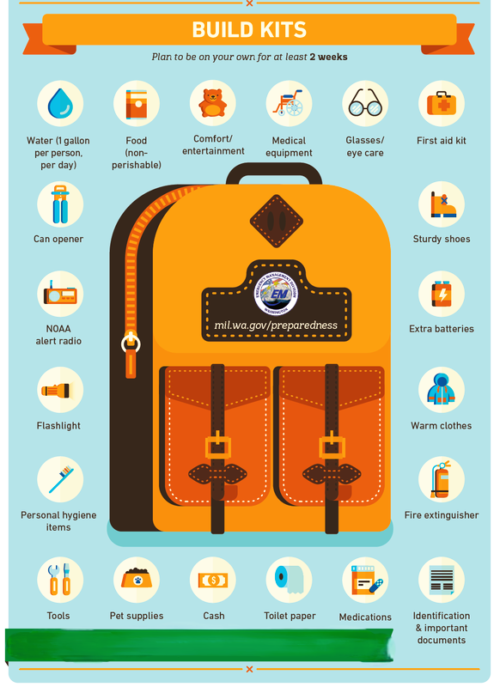
Credit: www.cresa.wa.gov
Personal Safety Items
Personal safety items are essential in an earthquake survival kit. They protect your body from injuries and help you breathe clean air. These items increase your chances of staying safe during and after an earthquake.
Protective Clothing
Wear strong, durable clothes to shield your skin from cuts and bruises. Choose long sleeves and long pants to cover your arms and legs. Sturdy shoes protect your feet from broken glass and debris. Gloves guard your hands while moving rubble or sharp objects.
- Long-sleeved shirts and pants made of thick fabric
- Closed-toe shoes or boots with good grip
- Heavy-duty gloves to handle debris safely
- Hard hats or helmets to protect your head
Emergency Blankets And Masks
Emergency blankets keep your body warm in cold or wet conditions. They are lightweight and easy to carry. Masks protect your lungs from dust, smoke, and harmful particles after an earthquake. Use masks if the air feels dirty or smoky.
- Mylar emergency blankets for warmth and protection
- Disposable dust masks or N95 respirators
- Face coverings to reduce inhalation of dust
Communication And Navigation
Communication and navigation tools are vital in an earthquake survival kit. They help you stay informed and find your way if usual systems fail. Reliable communication and clear navigation can save lives during emergencies. Prepare devices that work without electricity or mobile networks.
Portable Radios
Portable radios are essential for receiving emergency broadcasts. Choose a hand-crank or solar-powered radio to ensure power during outages. Look for radios with NOAA weather alerts for real-time updates. Keep extra batteries or a charging method in your kit. Small and lightweight models make them easy to carry everywhere.
Maps And Compasses
Digital navigation may not work after an earthquake. Paper maps and a compass provide reliable backup navigation tools. Store maps of your local area and possible evacuation routes. Learn basic compass use to navigate without GPS. Mark safe spots and shelters on the maps before an emergency. Keep these tools in a waterproof bag to protect them from damage.
Special Considerations
Special considerations ensure your earthquake survival kit meets all family needs. Think beyond basics. Tailor supplies for everyone in the household. Address unique requirements of children, pets, and those with medical conditions. Prepare for comfort and safety in stressful times. This careful planning increases your chances of staying safe and calm.
Supplies For Children And Pets
Children need specific items for comfort and care. Include snacks they like and enough water. Pack diapers, wipes, and baby formula if needed. Add small toys or books to reduce fear and boredom. For pets, include food and water bowls. Store enough pet food for several days. Add a leash, carrier, and any medications. Keep copies of vaccination records. A familiar blanket or toy helps pets feel safe.
Medication And Medical Needs
Include all essential medicines in your kit. Store extra supplies of prescription drugs. Pack items for common injuries like bandages and antiseptics. Add a first aid manual for guidance. Consider special medical equipment, such as inhalers or glucose meters. Label medicines clearly to avoid confusion. Check expiration dates regularly. Keep a list of allergies and medical conditions. This helps responders provide proper care quickly.
Maintenance And Updates
Keeping your earthquake survival kit ready means regular maintenance and updates. Supplies can expire or become less useful over time. Weather and seasons also affect what you need in your kit. Careful checks help you stay prepared for any emergency.
Regularly Checking Expiry Dates
Check all food, water, and medication in your kit often. Expired items lose their effectiveness and can cause harm. Mark a calendar to review these dates every three to six months. Replace anything that is near or past its expiry date. Keep a list of items with their expiration dates for easy tracking.
Adapting Kit To Seasonal Changes
Change your kit contents based on the season. Include warm blankets and extra clothing in winter. Add sun protection and cooling items for summer emergencies. Consider different food and water needs during hot or cold months. Adapt your kit to keep it useful all year long.
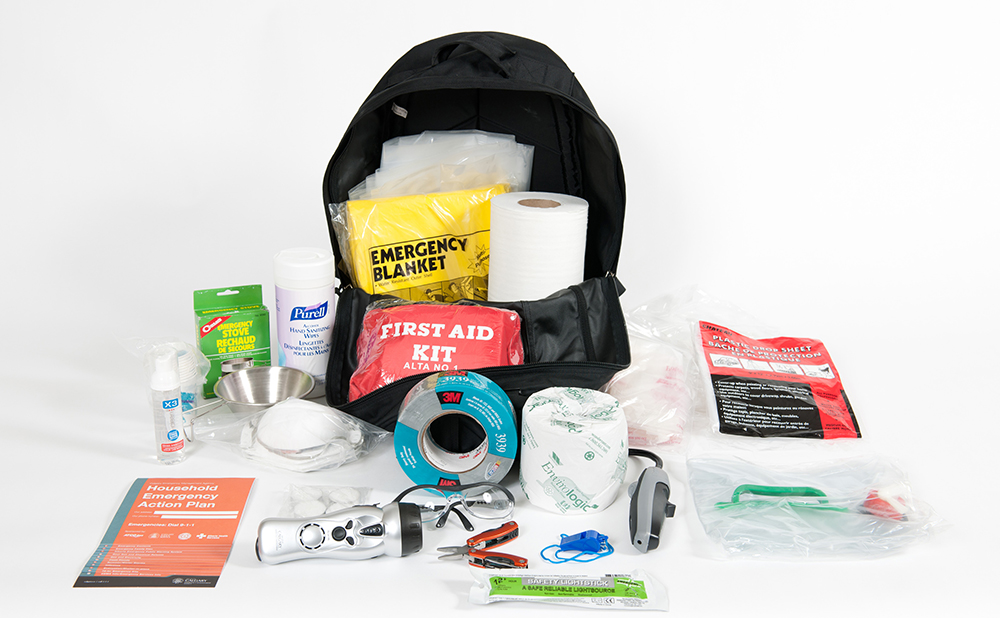
Credit: www.calgary.ca
Frequently Asked Questions
What Items Are Essential In An Earthquake Kit?
An earthquake kit should include water, non-perishable food, a flashlight, batteries, a first-aid kit, and a whistle. Additionally, pack personal documents, sturdy shoes, a multi-tool, and emergency cash. These essentials help ensure safety and preparedness during an earthquake, providing necessary supplies for survival.
How Much Water Should Be In The Kit?
Include at least one gallon of water per person per day in your kit. This supply should cover a minimum of three days. Adequate water is crucial for drinking and sanitation purposes during an emergency, ensuring you stay hydrated and healthy.
Why Is A Whistle Important In A Survival Kit?
A whistle is crucial for signaling rescuers if you’re trapped or need help. Its sound carries far and requires minimal effort to use. In noisy environments or emergencies, a whistle can effectively alert others to your location, enhancing your safety.
How Often Should I Update My Earthquake Kit?
Review and update your earthquake kit every six months. Replace expired items like food, water, and batteries. Check the condition of all supplies and adjust for any changes in household needs. Regular updates ensure your kit remains effective and ready for emergencies.
Conclusion
Building an earthquake survival kit takes time and care. Choose items that meet basic needs like water, food, and first aid. Keep your kit easy to carry and check it often. Small steps now can protect you later. Staying prepared helps you feel safer and ready.
Start gathering your supplies today for peace of mind. Safety begins with simple actions anyone can do. Don’t wait until an earthquake strikes. Be ready, stay calm, and protect your loved ones.