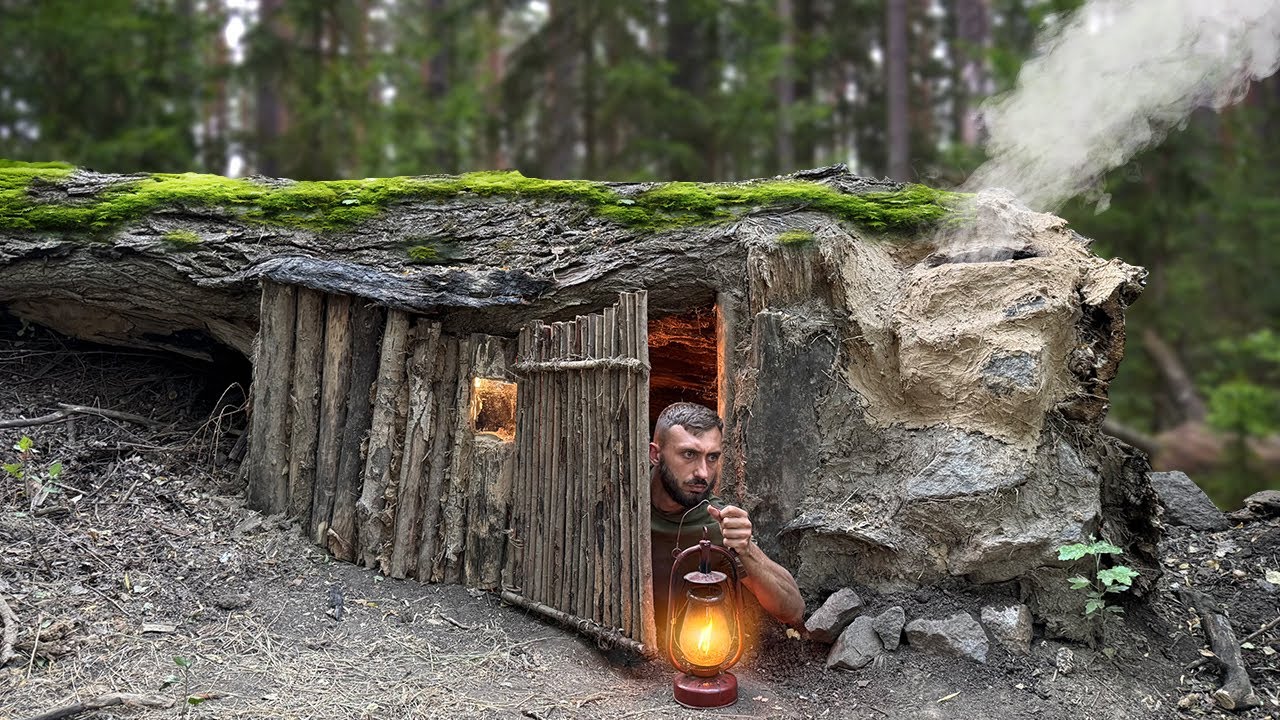
Imagine having a safe place that protects you no matter what happens. Building a long-term survival shelter is not just about stacking materials; it’s about creating a secure space where you and your loved ones can thrive when times get tough.
You might wonder where to start or what makes a shelter truly reliable for the long haul. This guide will walk you through simple, practical steps to build a shelter that stands strong and keeps you safe. Keep reading, because your safety and comfort depend on the choices you make now.

Credit: www.youtube.com
Choosing The Right Location
Choosing the right location for a long-term survival shelter is crucial. It affects safety, comfort, and your ability to live off the land. A good spot offers natural defense, easy access to water and food, and protection from dangers. Careful planning here saves time and effort later.
Assessing Natural Protection
Natural barriers like hills, cliffs, and dense trees shield you from harsh weather. They also hide your shelter from potential threats. Look for spots with windbreaks to reduce cold winds and rain impact. Avoid open fields or flat areas that leave you exposed.
Access To Resources
Water is the top priority. Choose a site near a clean river, stream, or lake. Ensure the water source stays reliable year-round. Nearby woodlands offer firewood and building materials. Also, check for edible plants and game animals close to the location.
Avoiding Hazards
Stay clear of flood plains and steep slopes that risk landslides. Avoid areas with signs of wild animal paths or insect nests. Steer away from places near unstable cliffs or loose rocks. Make sure the site is not prone to heavy snowfall or extreme heat.
Selecting Shelter Types
Selecting the right type of shelter is key for long-term survival. Your choice affects comfort, safety, and how well you handle weather. Think about materials, environment, and your skills. Each shelter type has strengths and weaknesses. Understanding these helps you pick the best fit for your needs.
Earth Shelters
Earth shelters use soil and natural materials for walls and roofs. They offer strong protection against wind and extreme temperatures. These shelters stay cool in summer and warm in winter. Building one takes time and effort but results in a durable home.
- Good insulation from natural earth
- Low visibility, blends with surroundings
- Requires digging and shaping soil
- Needs waterproofing to avoid leaks
Wooden Structures
Wooden shelters are common and versatile. They can be simple lean-tos or full cabins. Wood is easy to find in many areas. These structures provide good protection from rain and wind. They allow more customization in size and design.
- Easy to build with basic tools
- Can be repaired with local materials
- Needs fireproofing and pest control
- May require nails, ropes, or bindings
Tents And Tarps
Tents and tarps offer quick shelter solutions. They are lightweight and easy to carry. Setting them up requires minimal skill and tools. These shelters protect from rain and sun but less from cold or wind. Good for temporary or emergency use.
- Portable and fast to set up
- Limited insulation and durability
- Needs a flat or sheltered spot
- Best for short-term protection
Gathering Materials
Gathering materials like branches, leaves, and stones is crucial for building a long-term survival shelter. Choose sturdy, dry wood for the framework. Use leaves and grass for insulation and waterproofing.
Gathering materials for a long-term survival shelter is a crucial step that ensures your shelter is robust and sustainable. It involves using resources available in your environment and making the most of what you can find. This process requires creativity and resourcefulness, as well as a good understanding of the materials’ properties and their potential uses.Natural Resources
Natural resources are often your first go-to when building a shelter. Look around for sturdy branches and logs; they can serve as the main structure of your shelter. Leaves, grass, or pine needles are excellent for insulation and roofing. Rocks can be used to weigh down your structure or create a sturdy base. Always keep in mind the durability and weather resistance of these materials.Salvaged Materials
Salvaging materials from your surroundings can significantly enhance your shelter’s durability. Consider using discarded items like tarps, ropes, or metal sheets, which can offer extra protection against the elements. Even things like plastic bottles or broken furniture can be repurposed creatively. Have you ever thought about using an old car door as a makeshift wall or roof? Your imagination is your limit.Essential Tools
Having the right tools can make the process of gathering materials much more efficient. A sturdy knife or a multi-tool is indispensable for cutting branches or ropes. A hatchet or small saw can help with larger logs or thick branches. Don’t forget to include items like a shovel or a hammer, which can be invaluable for digging and assembling your shelter. With the right tools, you’ll be better equipped to transform raw materials into a cozy and secure refuge.
Credit: www.youtube.com
Building A Strong Foundation
Building a strong foundation is essential for any long-term survival shelter. It ensures stability, safety, and durability against harsh weather and natural elements. A solid base supports the entire structure and prevents future problems like sinking or water damage.
Site Preparation
Choose a flat, elevated area to avoid floods. Clear all debris, rocks, and roots from the ground. Level the soil to create a smooth surface. Compact the soil by stomping or using a tool to avoid settling later. Mark the shelter’s perimeter to guide your foundation work.
Foundation Techniques
Use stones, concrete blocks, or treated wood for a durable base. Dig shallow trenches to place these materials evenly. Stack stones or blocks tightly to prevent gaps. For wood foundations, use pressure-treated lumber to resist rot. Secure all parts firmly to maintain structure strength.
Drainage Solutions
Proper drainage stops water from pooling near the shelter. Dig a small ditch around the foundation to guide water away. Add gravel or crushed stone below the foundation for better water flow. Slant the ground slightly away from the shelter. This simple step helps keep the shelter dry and lasting longer.
Constructing Walls And Roof
Constructing the walls and roof is vital for a long-term survival shelter. Strong walls protect against wind, rain, and animals. The roof keeps the shelter dry and helps control temperature. Proper design and materials extend the shelter’s life and comfort.
Wall Designs
Choose wall designs that offer strength and insulation. Common options include:
- Log Walls:Sturdy and natural, logs fit tightly to block wind.
- Earthbag Walls:Bags filled with soil stack to create thick, insulating walls.
- Stone Walls:Durable and fire-resistant, stone walls provide strong protection.
- Wood Frame with Sheathing:Frames covered by boards or panels for easier construction.
Ensure walls are well sealed to prevent drafts and moisture entry. Use natural clay, mud, or mortar to fill gaps.
Roof Styles
Roof style affects water runoff and shelter stability. Choose styles that suit your environment:
- Gable Roof:Simple design with two sloping sides, ideal for rain and snow runoff.
- Lean-to Roof:One sloping side, easy to build and good for small shelters.
- Flat Roof:Quick to construct but needs good waterproofing and drainage.
- Hip Roof:Slopes on all sides, offers strong wind resistance.
Select roofing material that resists weather. Options include metal sheets, shingles, or natural materials like thatch.
Insulation Methods
Insulation keeps the shelter warm in cold weather and cool in heat. Use materials available in nature or easy to find:
- Straw or Hay:Packed between walls or roof layers for good insulation.
- Leaves and Grass:Layered inside walls or roof to trap air and heat.
- Earth or Clay:Applied to walls and roof to add thermal mass.
- Animal Hides:Used as inner lining for warmth and wind protection.
Seal gaps and cracks to improve insulation efficiency. Tight construction reduces heat loss.
Ensuring Shelter Security
Ensuring shelter security is vital for long-term survival. A safe shelter protects from intruders, harsh weather, and wild animals. It also gives peace of mind, helping you stay focused and calm. Security starts with strong physical barriers and smart design choices. Small details can make a big difference.
Reinforcing Entry Points
Entry points are the most vulnerable parts of a shelter. Use sturdy doors made from solid wood or metal. Add strong locks that are hard to pick or break. Reinforce door frames with metal strips or extra wood beams. Windows should have bars or mesh screens to stop forced entry. Consider using a secondary barrier like a curtain or heavy fabric inside. These layers slow down intruders and give warning.
Camouflage Techniques
Camouflage hides your shelter from unwanted eyes. Cover roofs and walls with natural materials like leaves, branches, and dirt. Match colors to the surrounding environment to blend in. Avoid shiny or bright objects near the shelter. Use irregular shapes rather than straight lines to break up the outline. Keep areas around the shelter clear of footprints and trash that can attract attention.
Pest And Wildlife Control
Pests and wild animals can damage your shelter and food supplies. Seal all small openings to keep rodents and insects out. Store food in airtight containers and away from the shelter. Set up traps or natural deterrents like peppermint oil or garlic. Clear brush and tall grass near the shelter to reduce hiding spots for animals. Regularly inspect and repair damage caused by pests to maintain shelter integrity.
Maintaining Comfort Inside
Creating a long-term survival shelter means more than just building walls. Comfort inside matters a lot for your health and morale. Proper air, warmth, and light make the space livable and safe. Focus on three key areas to keep your shelter comfortable over time.
Ventilation And Airflow
Fresh air stops the shelter from feeling stuffy. It also prevents moisture buildup and mold growth. Design vents near the top and bottom of walls. This allows warm air to escape and cool air to enter. Use simple covers or screens to keep bugs and debris out. Airflow helps reduce carbon dioxide and keeps you breathing easy.
Heating Options
Heat is essential during cold months. Wood stoves work well if you have firewood nearby. Portable propane heaters offer quick warmth but need good ventilation. Insulate walls and floors to keep heat inside longer. Reflective materials can help direct warmth towards living areas. Always place heaters safely to avoid fires.
Lighting Solutions
Light lifts your mood and lets you do tasks after dark. Solar-powered LED lights are energy-efficient and easy to install. Candles or oil lamps provide warmth and soft light but use caution. Set windows or skylights to use natural light during the day. Plan light placement to avoid dark corners and shadows.
Stocking Essentials
Stocking essentials is the backbone of any long-term survival shelter. It ensures you have the supplies needed to live safely and comfortably. Proper preparation means having enough resources to last through tough times. Focus on storing items that cover basic human needs: food, water, health, and tools. Each category requires thoughtful planning and quality choices.
Food And Water Storage
Store non-perishable food with long shelf lives. Canned goods, dried beans, rice, and freeze-dried meals work well. Rotate supplies to keep them fresh. Water is vital. Store at least one gallon per person per day. Use clean, sealed containers. Consider water purification tablets or filters to treat unsafe water. Keep water storage in a cool, dark place to prevent spoilage.
Medical Supplies
Build a well-stocked first aid kit. Include bandages, antiseptics, and pain relievers. Add prescription medications if needed. Include tools like tweezers, scissors, and thermometer. Stock extra supplies for wounds, burns, and allergies. Know how to use each item safely. Keep medical supplies in a waterproof container for protection.
Tools And Equipment
Choose versatile tools that serve multiple purposes. A sturdy knife, axe, and multi-tool are essential. Include fire-starting devices like waterproof matches and lighters. Store a flashlight with extra batteries. Rope, duct tape, and tarps help with repairs and shelter building. Regularly check tools for damage and replace worn items. Proper maintenance ensures readiness during emergencies.
Planning For Long-term Sustainability
Planning for long-term sustainability is the backbone of building a survival shelter that lasts. It’s not just about creating a safe space but ensuring that your shelter can support you through months or even years. Thinking ahead about energy, waste, and space will save you from future headaches and keep your shelter functional and comfortable.
Renewable Energy
Energy sources that never run out are essential for long-term survival. Solar panels are a practical choice because they provide power quietly and without fuel. You can start small with a few panels and add more as your needs grow.
Wind turbines and small hydro setups can also provide steady power if your location allows. Remember to store energy with batteries so you have power when the sun isn’t shining or the wind stops. Have you considered what appliances and tools you’ll need to run daily? That will help you size your energy system correctly.
Waste Management
Managing waste is often overlooked but critical for health and sustainability. Setting up a composting toilet reduces water use and creates valuable fertilizer for growing food. You can also compost kitchen scraps to enrich your garden soil.
Plan a system for separating recyclables and safely disposing of non-compostable waste. This reduces contamination and keeps your shelter environment clean. Ask yourself: how will you handle waste if supply deliveries stop? Preparing now avoids serious problems later.
Shelter Expansion
Think about how your shelter might need to grow over time. A modular design lets you add rooms or storage easily without rebuilding from scratch. This flexibility is crucial as your needs change or your group grows.
Build strong foundations and plan utility lines with expansion in mind. That way, adding a greenhouse or workshop won’t disrupt your daily life. What extra spaces will support your long-term survival goals? Planning for growth keeps your shelter ready for whatever comes next.

Credit: www.youtube.com
Frequently Asked Questions
What Materials Are Best For Building A Long Term Survival Shelter?
Use durable materials like wood, stone, and metal. Natural resources such as branches and leaves help with insulation. Choose materials that withstand weather and provide safety over time.
How Do I Choose The Best Location For My Shelter?
Pick a dry, elevated spot away from flood zones. Ensure access to water and natural resources. Avoid areas with heavy wildlife activity for safety.
What Are Essential Features Of A Long Term Survival Shelter?
Include proper ventilation, insulation, and waterproofing. A secure entrance and sturdy structure are vital. Space for storage and sleeping enhances comfort.
How Can I Maintain My Survival Shelter Long Term?
Regularly inspect for damage and leaks. Clear debris and reinforce weak areas. Keep the shelter clean and dry to prevent deterioration.
Conclusion
Building a long-term survival shelter takes time and care. Choose the right location and materials first. Keep your shelter strong and dry. Plan for warmth, water, and safety. Regular checks help fix small problems early. A good shelter means better chances in tough times.
Stay prepared, stay safe, and keep learning. Your shelter can be a reliable home in nature. Practice building skills often to improve your confidence. Ready for the challenge? Start small and build up.