Are you interested in owning a piece of history that could also be a lifesaver? Buying old military survival kits is more than just a collector’s hobby—it’s about having reliable gear that’s been tested in tough situations.
But how do you know what to look for? What makes one kit better than another? This guide will help you understand exactly how to buy old military survival kits that fit your needs and budget. Keep reading to discover insider tips that can save you time, money, and a lot of guesswork.
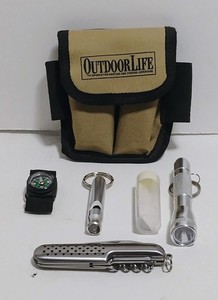
Credit: www.ebay.com
Types Of Military Survival Kits
Military survival kits come in various forms, shaped by the era and mission needs. Each type reflects the technology and survival tactics of its time. Understanding the differences helps buyers choose the right kit for their interest or collection.
Cold War Era Kits
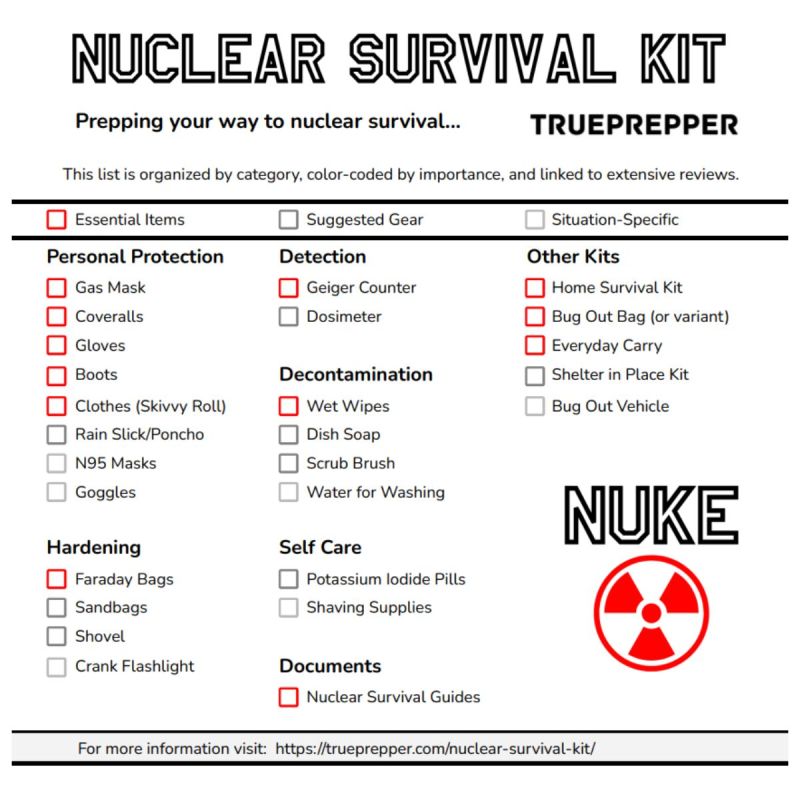
Cold War survival kits focus on nuclear and chemical threats. They often include gas masks, radiation detectors, and basic first aid. These kits are bulky and packed with heavy gear. Their design shows the intense fear of large-scale war during that time.
Vietnam War Kits
Vietnam War kits center on jungle survival. They contain machetes, water purification tablets, and signaling tools. Compact and lightweight, these kits aimed to support soldiers in dense forests. They also include items to treat tropical diseases and injuries.
Modern Military Kits
Modern kits use advanced materials and technology. They offer compact, multi-use tools and better medical supplies. Water filtration systems and advanced communication devices are common. These kits focus on versatility for various environments and emergencies.
Specialized Survival Kits
Specialized kits target specific missions or environments. Examples include arctic survival kits with thermal blankets and fire starters. Other kits focus on desert conditions or sea survival. These kits contain unique tools tailored to harsh surroundings.
Where To Find Old Kits
Finding old military survival kits can be an exciting quest if you know where to look. These kits hold history and practical value, but their availability varies widely. Knowing the right places to search can save you time and help you score authentic finds.
Online Marketplaces
Websites like eBay and Etsy offer a wide range of old military survival kits. Sellers often provide detailed photos and descriptions, making it easier to verify authenticity. However, watch out for inflated prices and fake items—reading reviews and asking questions can protect your purchase.
Have you checked specialized forums or Facebook groups? Many collectors trade and sell kits in these communities, often at reasonable prices. These platforms also give you a chance to connect with experienced collectors who can offer advice.
Military Surplus Stores
Local military surplus stores are treasure troves for vintage survival gear. These shops often stock genuine kits sourced directly from government auctions or retired military personnel. Visiting in person allows you to inspect kits closely and negotiate prices.
Don’t hesitate to ask the store owner about the kit’s history or origin. Sometimes, they have hidden gems not displayed on the shelves. Plus, you might find other useful equipment to complement your survival kit.
Auctions And Estate Sales
Auctions and estate sales can be unexpected sources of old military survival kits. These events sometimes feature collections from veterans or military enthusiasts clearing out personal belongings. Early attendance can give you a competitive edge.
Keep an eye on local listings and auction websites for upcoming sales featuring military items. Even if kits aren’t listed upfront, exploring these events can lead to surprising finds. Do you enjoy the thrill of bidding against other buyers?
Collectors’ Conventions
Collectors’ conventions and military shows gather enthusiasts who often bring rare and vintage survival kits to trade or sell. These events provide an opportunity to see many items in one place and ask detailed questions face-to-face. You’ll also pick up tips on identifying authentic kits and preserving them.
Attending these conventions regularly can build your network within the collecting community. The connections you make can lead to private sales and insider knowledge about upcoming releases. Are you ready to dive into the world of military memorabilia?
Authenticity Checks
Authenticity checks are key when buying old military survival kits. Fake kits flood the market, making it hard to find real ones. Knowing how to spot genuine kits saves money and ensures quality. Below are important points to verify authenticity.
Identifying Genuine Markings
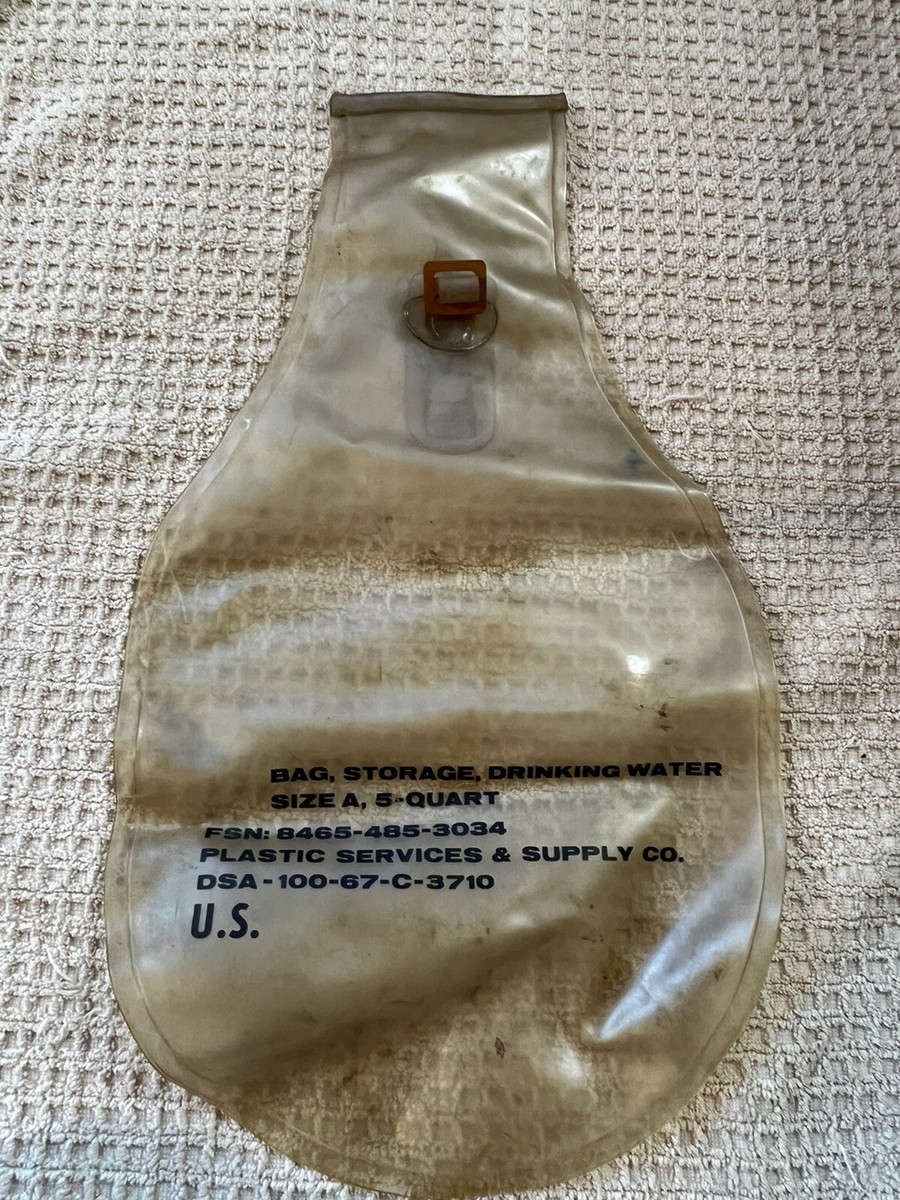
Look closely at stamps and labels on the kit. Official military kits have clear, sharp markings. These often include government codes, dates, and branch insignias. Faded or blurry marks can indicate a fake. Compare markings with verified examples from trusted sources.
Material And Construction
Military survival kits use durable materials built to last. Authentic kits feature heavy-duty fabrics and sturdy metal parts. Seams and stitching should be tight and even. Poor materials, weak stitching, or cheap plastic parts suggest counterfeit items. Check for wear that matches genuine aging, not artificial distressing.
Common Counterfeits
Counterfeit kits often mimic popular models but cut corners. They may include wrong tools or missing items. Some replicas use modern materials that feel out of place. Watch for kits that are too cheap or sold by unknown sellers. Counterfeits may also have misspelled labels or incorrect fonts.
Expert Verification
Experts can help confirm a kit’s authenticity. Many military collectors and forums offer advice and photo comparisons. Professional appraisers provide certification for valuable kits. Expert help reduces risk and builds buyer confidence. Always seek verification before making a big purchase.
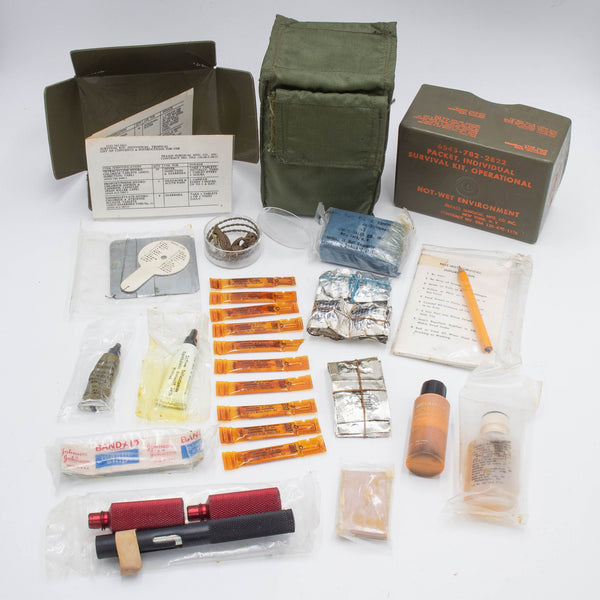
Credit: omegamilitaria.com
Condition And Preservation
Condition and preservation play a crucial role in buying old military survival kits. These kits often carry historical value and practical use. Their condition affects both value and usability. Careful attention to preservation can keep them intact for years.
Assessing Wear And Tear
Check fabric for tears, holes, and fraying edges. Look for rust or corrosion on metal parts. Inspect zippers and buttons for proper function. Smell for mold or mildew, signs of moisture damage. Evaluate the overall cleanliness and completeness of the kit. Missing items reduce the kit’s value and usefulness.
Restoration Tips
Clean gently with mild soap and water. Avoid harsh chemicals that damage materials. Use a soft brush to remove dirt from crevices. Apply rust remover carefully on metal parts. Replace broken zippers or buttons with similar vintage parts. Preserve original labels and markings to keep authenticity.
Storage Best Practices
- Store kits in cool, dry places away from sunlight.
- Use airtight containers to prevent moisture buildup.
- Place silica gel packs inside to absorb humidity.
- Keep kits off the floor to avoid dampness.
- Check kits regularly for signs of damage or pests.
Pricing And Value Factors
Pricing and value in old military survival kits depend on several key factors. These kits vary widely in price, based on their rarity, history, and content quality. Understanding these elements helps buyers make smart choices and find fair deals.
Rarity And Demand
Rarity plays a big role in pricing. Kits from less common eras or special missions cost more. High demand for certain kits also raises prices. Collectors seek unique or limited-edition kits, pushing value up.
Historical Significance
Kits linked to famous wars or events hold higher value. Provenance and authenticity add to worth. Items with documented history attract collectors and enthusiasts. Such kits tell stories beyond their survival use.
Completeness Of Contents
Complete kits fetch better prices than partial sets. Missing essential items lowers value significantly. Condition of contents matters too. Intact packaging and original tools increase desirability and cost.
Legal And Ethical Considerations
Buying old military survival kits involves more than just finding the right items. Legal and ethical issues play a big role. Knowing these rules protects buyers and respects history. Understanding laws helps avoid trouble and supports responsible collecting.
Restricted Items
Some survival kit items are restricted by law. Weapons, ammunition, and explosives often need special permits. Certain chemicals and medical supplies may be illegal to own. Always check local laws before buying or selling these kits. Ignorance can lead to serious penalties.
Import And Export Rules
Importing or exporting military kits requires following strict rules. Some countries ban military gear or require licenses. Customs may inspect packages closely. Failing to follow rules can cause confiscation or fines. Research your country’s policies to stay safe and legal.
Respecting Military Heritage
Old military kits reflect important history and sacrifice. Treat these items with respect and care. Avoid damaging or altering original parts. Share knowledge about their background to honor the past. Collecting should preserve history, not exploit it.
Building A Collection
Building a collection of old military survival kits is a rewarding journey. Each kit tells a story from the past. Collecting these kits connects you with history and adventure. The process requires focus, patience, and organization. This section guides you on how to start and maintain your collection effectively.
Setting A Focus
Choose a specific theme or era for your collection. It could be World War II kits, Cold War gear, or survival kits from a particular country. A clear focus helps narrow down choices. It also makes the collection more meaningful and manageable. Decide on the condition, type, or rarity you want to collect. This focus guides your purchases and research.
Networking With Collectors
Join online forums and social media groups about military collecting. Attend collector shows and swap meets to meet others. Talking with experienced collectors provides valuable tips and leads. Sharing knowledge helps avoid scams and poor buys. Networking builds trust and opens opportunities for trades or sales.
Documenting Your Kits
Keep records of every kit you acquire. Note details like origin, date, and condition. Take clear photos from different angles. Store this information in a digital spreadsheet or a physical notebook. Documentation helps track your collection’s growth and value. It also makes insurance and resale easier.

Credit: premierbodyarmor.com
Frequently Asked Questions
Where Can I Find Old Military Survival Kits?
You can find old military survival kits online on platforms like eBay, Etsy, and military surplus websites. Local thrift shops or military surplus stores might also have them. Always verify the authenticity and condition before purchasing to ensure you’re getting a genuine and functional kit.
Are Old Military Survival Kits Still Reliable?
Old military survival kits can still be reliable if well-preserved. Check the condition and expiration dates of perishable items. Some components, like matches or food, may need replacement. Ensure the kit is complete and functional to ensure its reliability in survival situations.
How Much Do Old Military Survival Kits Cost?
The cost of old military survival kits varies based on age, condition, and rarity. Prices can range from $30 to over $200. Authentic kits in good condition with complete contents tend to be more expensive. Compare prices across platforms for the best deal.
What Should I Check Before Buying A Kit?
Before buying, check the kit’s condition, contents, and authenticity. Verify the expiration dates of perishable items. Ensure all components are included and functional. Research the seller’s reputation and reviews to avoid counterfeit or incomplete kits. This ensures your investment is worthwhile and dependable.
Conclusion
Buying old military survival kits takes some care and thought. Check the kit’s condition and contents closely. Know the seller’s reputation before making a choice. Think about what you need the kit for. Some kits suit collectors, others fit practical use.
Always compare prices and details before buying. This helps you find the best value. Stay safe by buying from trusted sources only. With these tips, you can find a kit that works well. Take your time and choose wisely.