Imagine you’re out in the wild, and hunger starts to set in. You have a survival fishing kit, but you’re unsure how to use it effectively.
Knowing how to use your kit can mean the difference between going hungry and catching a meal. In this guide, you’ll discover simple, practical steps to make the most of your survival fishing kit. By the end, you’ll feel confident and ready to fish your way through any emergency.
Keep reading, because your next catch could be just a few easy moves away.

Credit: trueprepper.com
Choosing The Right Kit
Choosing the right survival fishing kit makes your outdoor experience safer and easier. A good kit fits your needs and environment. It should have all necessary tools without being heavy or bulky. Quality matters for long-lasting use. Consider these points to find the best kit for you.
Essential Components
The kit must include basic fishing tools for catching fish efficiently. Look for:
- Fishing line and hooks in various sizes
- Sinkers and floats for proper bait positioning
- A small knife or multitool for cutting and preparing bait
- Swivels to prevent line twisting
- Instruction manual for beginners
These items cover most fishing situations in the wild.
Portability And Size
Choose a compact kit that fits easily in your backpack. It should be lightweight to avoid extra burden. Small kits fit well in pockets or survival packs. Portability ensures quick access during emergencies. Avoid bulky kits that slow you down.
Durability And Quality
Strong materials last longer and perform better. Look for corrosion-resistant metals for hooks and tools. The case should be waterproof and sturdy. High-quality kits withstand harsh weather and rough handling. Investing in quality saves hassle in tough conditions.
Preparing Your Kit
Preparing your survival fishing kit is essential for a successful fishing experience. A well-prepared kit saves time and increases your chances of catching fish. Start by making sure everything is easy to find and in good condition. Organize, check, and customize your kit to fit your needs and location.
Organizing Tools
Keep your tools separated by type for quick access. Use small containers or zip-lock bags to store hooks, lines, and sinkers. Arrange items so you can grab what you need without digging. A tidy kit reduces frustration during fishing.
Checking Supplies
Inspect each item before packing your kit. Look for broken lines, rusty hooks, or cracked bobbers. Replace worn or missing supplies to avoid problems later. A complete kit ensures you are ready for any situation.
Customizing For Location
Adjust your kit based on where you will fish. Include bait and tackle suited for local fish species. Think about the water type—freshwater or saltwater—and pack accordingly. Tailoring your kit improves your chances of success.
Setting Up For Fishing
Getting ready to fish with your survival fishing kit means setting yourself up for success right from the start. How you prepare can make all the difference between a fruitful catch and a wasted effort. Let’s break down the key steps to get you fishing efficiently and effectively.
Selecting The Spot
Choosing where to fish isn’t just about convenience. Look for signs of fish activity like ripples, jumping fish, or bird activity. Areas near underwater structures such as rocks, fallen trees, or weed beds often hold more fish.
Consider water depth and current speed too. Fish may gather in slower waters or deeper pools during hot days. Have you noticed how fish behavior changes with the weather? Use that insight to pick your spot wisely.
Assembling Gear
Your survival fishing kit comes with essentials, but organizing them saves time. Lay out your rod, line, hooks, and any additional tools in an accessible way. A tangled mess wastes precious moments and energy.
Check your line for any nicks or weak points before casting. Replace or repair damaged parts immediately. A strong, reliable setup increases your chances of landing a catch when it counts.
Bait And Lure Selection
Choosing the right bait can depend on your location and the fish species you target. Live bait like worms or insects often work best in survival situations. If you don’t have live bait, small pieces of food or artificial lures can also attract fish.
Try switching bait types if the fish aren’t biting. Sometimes a simple change in color, size, or scent makes a huge difference. Are you paying attention to what’s in the water around you? Matching your bait to local prey increases your odds.
Techniques For Success
Mastering the techniques for success with your survival fishing kit can make all the difference between a frustrating day and a fruitful catch. These techniques help you use your tools effectively, conserve energy, and increase your chances of landing fish even in challenging conditions. Understanding how to cast properly, when to be patient, and how to handle your catch can transform your fishing experience.
Casting Methods
Choosing the right casting method depends on your environment and the type of fish you’re targeting. A simple overhead cast works well in open areas, while a sidearm cast is useful when you need to avoid obstacles like trees or rocks.
Try practicing different casts to see which feels most comfortable and effective. Adjust the length of your line and the weight of your lure to match the water conditions. Have you noticed how a gentle flick often results in a more natural presentation than a hard throw?
Patience And Timing
Fishing is as much about waiting as it is about action. Fish are more active during certain times of the day, often early morning or late afternoon, so plan your fishing efforts accordingly.
Resist the urge to constantly recast; sometimes staying still and letting your bait sit can attract more fish. How long can you wait quietly before moving? Testing this can improve your success rates dramatically.
Handling Caught Fish
Once you hook a fish, proper handling is crucial to avoid losing it and to ensure safety. Use a firm but gentle grip to prevent injury to both you and the fish.
Quickly remove the hook using pliers or a hook remover tool from your kit. If you plan to release the fish, wet your hands first to protect its slime coat. Have you prepared a safe spot nearby to release fish if needed?
Maintenance And Storage
Proper maintenance and storage keep your survival fishing kit ready for use. Clean gear lasts longer and works better in tough conditions. Store items in a dry, safe place to avoid damage. Regular checks help spot worn parts early. Follow these simple steps to maintain your kit effectively.
Cleaning Equipment
Rinse fishing lines and hooks with fresh water after use. Dry all tools completely before storing them. Use a soft brush to remove dirt and debris. Avoid harsh chemicals that can damage the gear. Clean equipment prevents rust and tangling.
Replacing Consumables
Check bait, hooks, and lines regularly for wear. Replace broken hooks and frayed lines immediately. Keep extra fishing lines and hooks in your kit. Store bait in sealed containers to keep it fresh. Always have spare parts to avoid surprises.
Safe Storage Tips
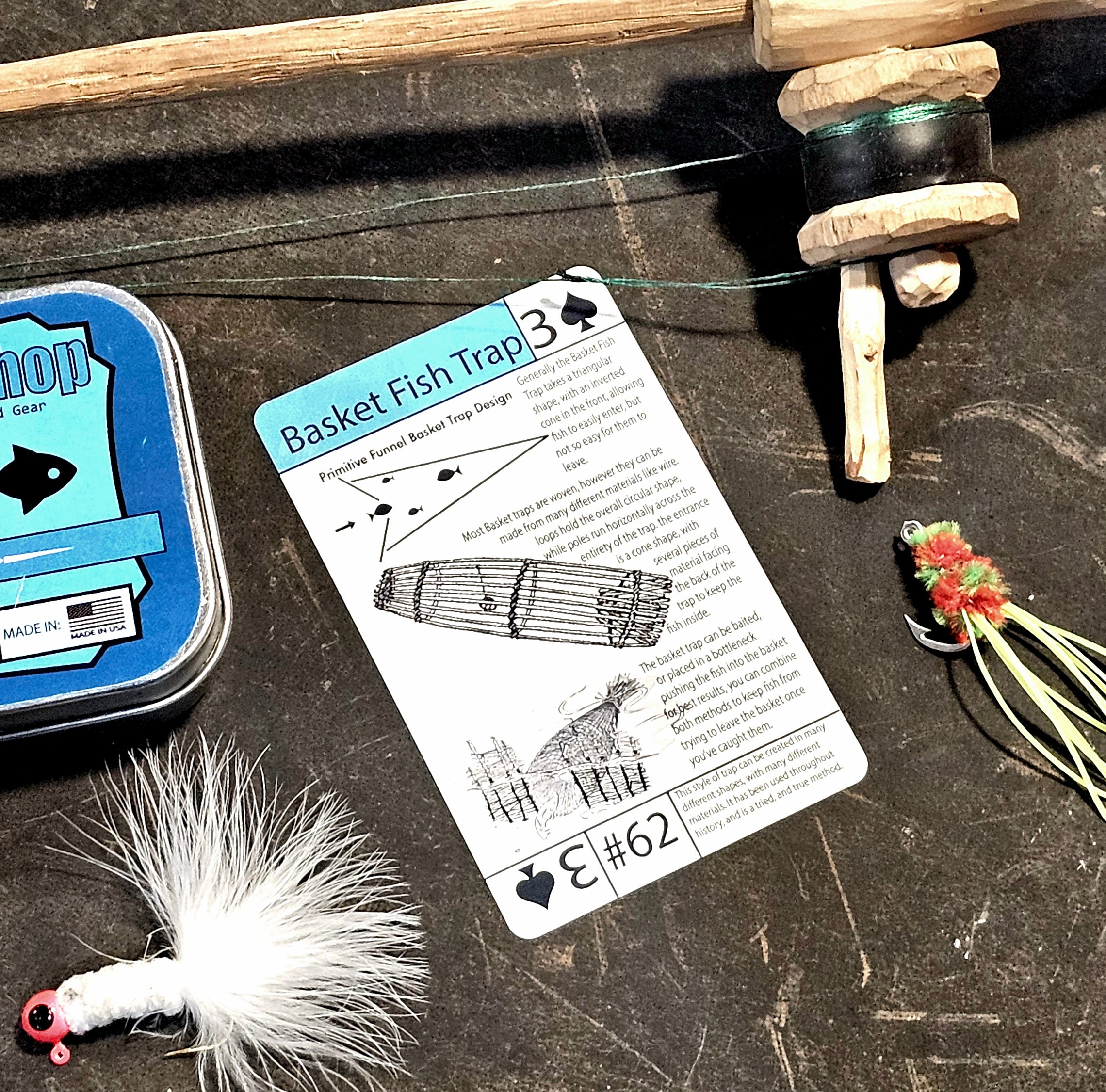
- Store the kit in a waterproof bag or container.
- Keep it away from direct sunlight to prevent damage.
- Use silica gel packs to absorb moisture inside the kit.
- Label compartments for easy access during emergencies.
- Store in a cool, dry place to avoid mold and rust.
Credit: grimworkshop.com
Safety And Survival Tips
Using a survival fishing kit safely requires more than just catching fish. It involves understanding your environment and preparing for unexpected situations. These safety and survival tips help you stay secure and increase your chances of success in the wild.
Dealing With Wildlife
Wildlife can pose risks during outdoor adventures. Keep a safe distance from all animals. Avoid sudden movements or loud noises that may startle them. Store food in sealed containers to prevent attracting animals. Use your fishing kit cautiously near water sources where animals gather. Learn to identify dangerous species in the area. Carry a whistle or noise maker to scare off animals if needed.
Weather Considerations
Weather changes can affect your safety and fishing success. Check the forecast before heading out. Dress in layers to stay warm and dry. Protect yourself from sunburn with a hat and sunscreen. Seek shelter during storms or heavy rain. Avoid fishing during lightning or strong winds. Keep your fishing gear and supplies dry to prevent damage.
Emergency Preparedness
Prepare for emergencies to handle unexpected events calmly. Carry a first aid kit for minor injuries. Know how to use your survival fishing kit tools properly. Share your location and plans with someone before you leave. Learn basic survival skills like building a fire and signaling for help. Keep extra water and food to stay nourished. Always have a way to communicate, like a whistle or phone, if possible.

Credit: www.youtube.com
Frequently Asked Questions
What Is Included In A Survival Fishing Kit?
A survival fishing kit usually contains hooks, lines, sinkers, floats, and sometimes lures. It may also include a small knife or multitool. These tools help you catch fish efficiently in emergency situations or outdoor adventures.
How Do I Use A Survival Fishing Kit Effectively?
Start by selecting the right hook size for your target fish. Attach the line securely and use bait or lures to attract fish. Cast your line into the water and wait patiently. Check and adjust your setup as needed for better results.
Can I Use A Survival Fishing Kit Without Prior Experience?
Yes, most survival fishing kits are designed for beginners. They come with simple tools and instructions. Practice basic knot tying and casting techniques before heading outdoors. This preparation increases your chances of catching fish successfully.
How Do I Maintain My Survival Fishing Kit?
Keep all components dry and clean after use. Store hooks in a rust-proof container or case. Replace damaged lines or hooks promptly. Proper maintenance ensures your kit remains functional and reliable during emergencies.
Conclusion
Mastering survival fishing boosts your survival skills. A well-equipped kit ensures you’re ready for emergencies. Practice using the tools regularly. This builds confidence and efficiency. Remember, patience is crucial in survival fishing. Fish may not bite immediately. Stay calm and persistent.
Every catch enhances your experience. Always clean and maintain your kit. This keeps it effective for future use. Share your knowledge with others. It benefits everyone. Enjoy your survival fishing journey. It’s rewarding and educational. Now, you’re prepared to tackle the wild waters.
Happy fishing!