Imagine facing an unexpected emergency without the right supplies. How would you stay safe and comfortable?
Preparing your own emergency survival kit can make all the difference when every second counts. In this guide, you’ll learn simple steps to build a kit that fits your needs and keeps you ready for anything. By the time you finish reading, you’ll have the confidence to protect yourself and your loved ones in any situation.
Let’s get started on creating your life-saving survival kit today.
Credit: www.nbcnews.com
Choosing The Right Container
Choosing the right container for your emergency survival kit is more important than you might think. It acts as the backbone of your entire kit, keeping your supplies organized and protected. The container you pick should suit your specific needs, whether you’re carrying it on foot, storing it at home, or keeping it in your car.
Durability And Portability
Your container needs to handle rough handling without breaking. Look for materials like hard plastic or metal that resist dents and cracks. I once used a flimsy bag for my kit, and it tore open during a hike—losing crucial items taught me the value of a strong container.
Portability matters, too. If you plan to carry your kit daily, a compact size with a comfortable handle or strap makes a big difference. Think about where you’ll store it and how easy it will be to grab and go during an emergency.
Waterproof And Seal Options
Water can ruin your supplies faster than you expect. A waterproof container or one with a reliable seal keeps your items dry and usable. Consider containers with rubber gaskets or locking lids that prevent moisture from sneaking in.
Sometimes, double protection works best—placing your kit inside a waterproof bag before putting it in the container adds an extra layer of security. Ask yourself: Can your container withstand heavy rain or accidental submersion? This question can save you from a lot of trouble later on.
Essential Survival Items
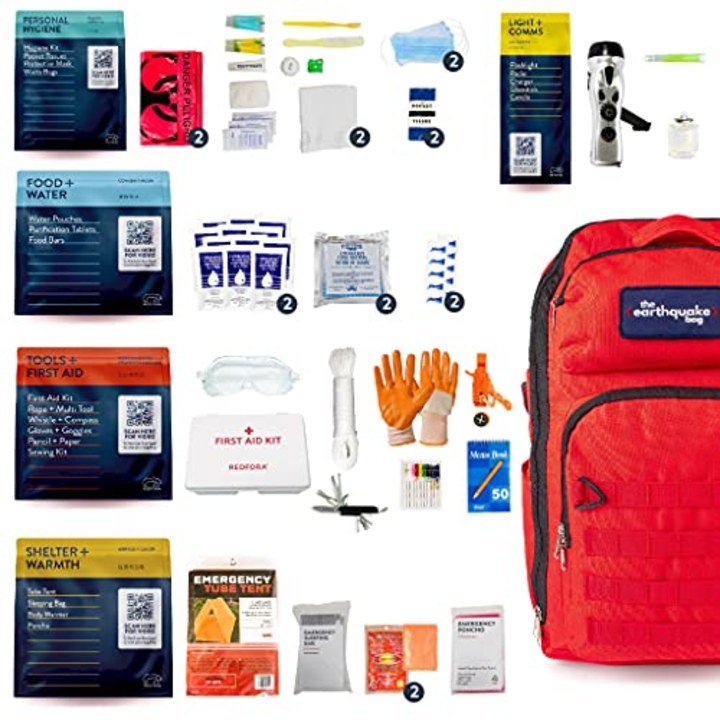
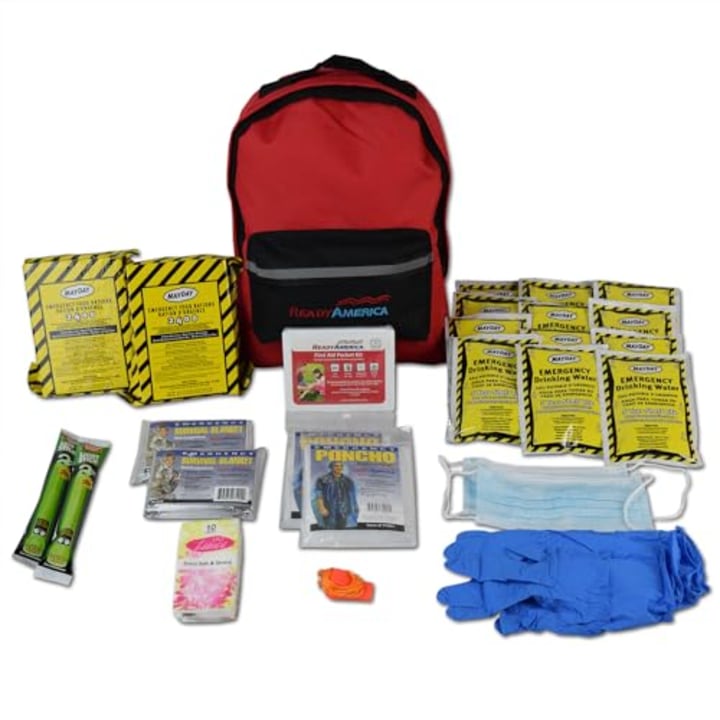
Essential survival items form the backbone of any emergency survival kit. These items provide safety, nourishment, and basic care in critical situations. Preparing these essentials carefully can improve your chances of staying safe and healthy during emergencies.
Food And Water Supplies
Food and water are vital for survival. Pack non-perishable, high-energy foods. Examples include:
- Canned goods
- Energy bars
- Dried fruits
- Instant noodles
Water is crucial. Include at least one gallon per person per day. Consider water purification tablets or filters to make unsafe water drinkable.
First Aid Materials
First aid supplies help treat injuries and prevent infections. Your kit should contain:
- Bandages and gauze
- Antiseptic wipes
- Adhesive tape
- Scissors and tweezers
- Pain relievers
- Allergy medication
Keep items in a waterproof container to stay dry and usable.
Tools And Equipment
Basic tools make many tasks easier. Include:
- Multi-tool or knife
- Flashlight with extra batteries
- Fire starter or waterproof matches
- Emergency blanket
- Whistle for signaling
These tools help with shelter, warmth, and communication in emergencies.
Personal Safety Gear
Your personal safety gear is the backbone of any emergency survival kit. It helps protect you from the elements, keeps you connected, and ensures you can respond quickly in a crisis. Think about the last time you faced unexpected weather or needed to reach someone urgently—having the right gear made all the difference.
Clothing And Shelter
Start with clothing that adapts to changing weather conditions. Pack a waterproof jacket, thermal layers, and sturdy boots to keep you dry and warm. A compact emergency blanket or a lightweight tent can provide shelter if you’re stranded outdoors.
Don’t forget gloves and a hat—these small items protect you from heat loss and injuries. Reflective materials can also help rescuers spot you faster. Have you ever felt cold and helpless in a sudden downpour? The right clothing stops that feeling and keeps you moving.
Communication Devices
Communication devices are your lifeline during emergencies. A fully charged mobile phone with a portable power bank ensures you can call for help anytime. Consider adding a two-way radio or a whistle to signal your location if you’re out of cell range.
Emergency radios that receive weather alerts can keep you informed about dangerous conditions. It’s easy to underestimate how quickly information can save your life. What’s your plan if your phone battery dies or there’s no signal?
Customizing Kits For Different Scenarios
Customizing emergency survival kits makes them useful in specific situations. Different scenarios demand different tools and supplies. Preparing kits tailored to the setting can improve safety and comfort during emergencies.
Home And Car Kits
Home kits should focus on long-term needs. Store water, non-perishable food, and first aid supplies. Include flashlights, batteries, and a manual can opener. Add blankets and warm clothing for cold weather. Have important documents and cash ready.
Car kits need compact and portable items. Include jumper cables, a tire repair kit, and a small shovel. Pack snacks, water, and a reflective warning triangle. Keep a basic first aid kit and a multi-tool handy. Consider adding a portable phone charger.
Outdoor And Wilderness Kits
Outdoor kits focus on survival and navigation. Include a reliable compass and a detailed map of the area. Pack fire starters, waterproof matches, and a lightweight cooking stove. Carry insect repellent and sunscreen for protection. Add a sturdy knife and emergency shelter materials.
Water purification tablets or filters are essential. Bring high-energy snacks and a durable water bottle. Add a whistle and signaling mirror for rescue situations. Make sure the kit is lightweight and easy to carry on hikes.
Maintenance And Regular Updates
Maintaining and updating an emergency survival kit is essential for safety. A kit that is outdated or incomplete can fail during a crisis. Regular checks keep supplies fresh and reliable. It ensures all items work when needed most. Set a schedule to review your kit every few months. This habit protects you and your loved ones in emergencies.
Checking Expiry Dates
Food, water, and medicines have expiration dates. Expired items lose their effectiveness and can be unsafe. Check these dates carefully during each review. Mark the expiry on a calendar or reminder app. Replace items before they expire to keep your kit ready. This simple step prevents wasted supplies and ensures safety.
Replacing Used Or Damaged Items
Items may get used or damaged over time. Replace anything missing, broken, or worn out. Inspect tools, batteries, and packaging for damage. Keep your kit complete with fresh and intact supplies. This ensures your kit is reliable when you need it most. A well-maintained kit saves lives and reduces stress.
Credit: www.nbcnews.com
Storage Tips For Accessibility
Storing your emergency survival kit properly is crucial for quick access during a crisis. The kit should be easy to find and reach without wasting time. Careful placement ensures you can grab essentials fast when every second counts.
Consider both safety and visibility to keep your kit ready for use. The location must protect your supplies while making them obvious to all family members. Planning storage spots helps everyone know exactly where to go in an emergency.
Safe And Visible Placement
Choose a spot that stays dry and safe from damage. Avoid places prone to moisture, heat, or pests. Clear visibility means placing the kit where it is seen easily, like a shelf at eye level.
- Use transparent containers or label boxes clearly.
- Keep the kit away from direct sunlight and sharp objects.
- Place it near common exit routes for quick grabbing.
Ensure all household members recognize the kit’s location. Practice retrieving it so no one wastes time searching.
Multiple Locations Strategy
Store kits in more than one place around your home. This increases chances of access if one spot is blocked or unsafe.
- Keep a kit near the main entrance or garage.
- Have another kit in the kitchen or living room.
- Place one in vehicles for emergencies on the road.
Distribute supplies across these kits to avoid overloading one container. Each location serves as a backup for others.

Credit: www.servpro.com
Frequently Asked Questions
What Should Be In An Emergency Survival Kit?
An emergency survival kit should include essentials like water, non-perishable food, a first-aid kit, flashlight, batteries, and a multi-tool. It’s also wise to add personal items like medications, identification, and cash. Tailor your kit to your specific needs and local environment for maximum preparedness.
How Do You Store A Survival Kit Effectively?
Store your survival kit in a cool, dry place, easily accessible during emergencies. Use a durable, waterproof container to protect the contents. Regularly check and update your kit every six months, replacing expired items. Ensure all family members know the kit’s location and understand its contents.
How Often Should You Update A Survival Kit?
Update your survival kit every six months. Check for expired items like food, water, and medications. Replace anything used or damaged. Adjust the contents based on seasonal changes and family needs. Regular updates ensure your kit remains effective and provides peace of mind in emergencies.
Why Is A Survival Kit Important?
A survival kit is crucial for preparedness during emergencies like natural disasters. It provides essential supplies to sustain you until help arrives. Having a well-stocked kit reduces panic and helps manage unexpected situations efficiently. It ensures you have necessary resources for safety and comfort when normal services are disrupted.
Conclusion
Creating an emergency survival kit is a smart step for safety. Keep your kit updated and check it often. Include food, water, and first aid supplies. Think about your needs and those of your family. Prepare now to stay ready for any situation.
A well-packed kit can make tough times easier. Stay safe, stay prepared, and act early.