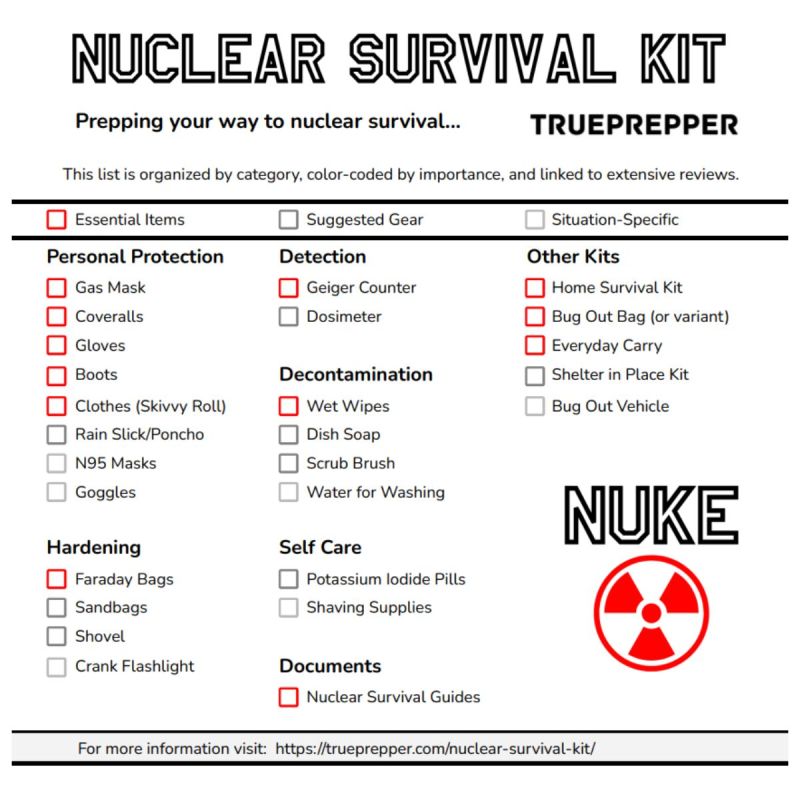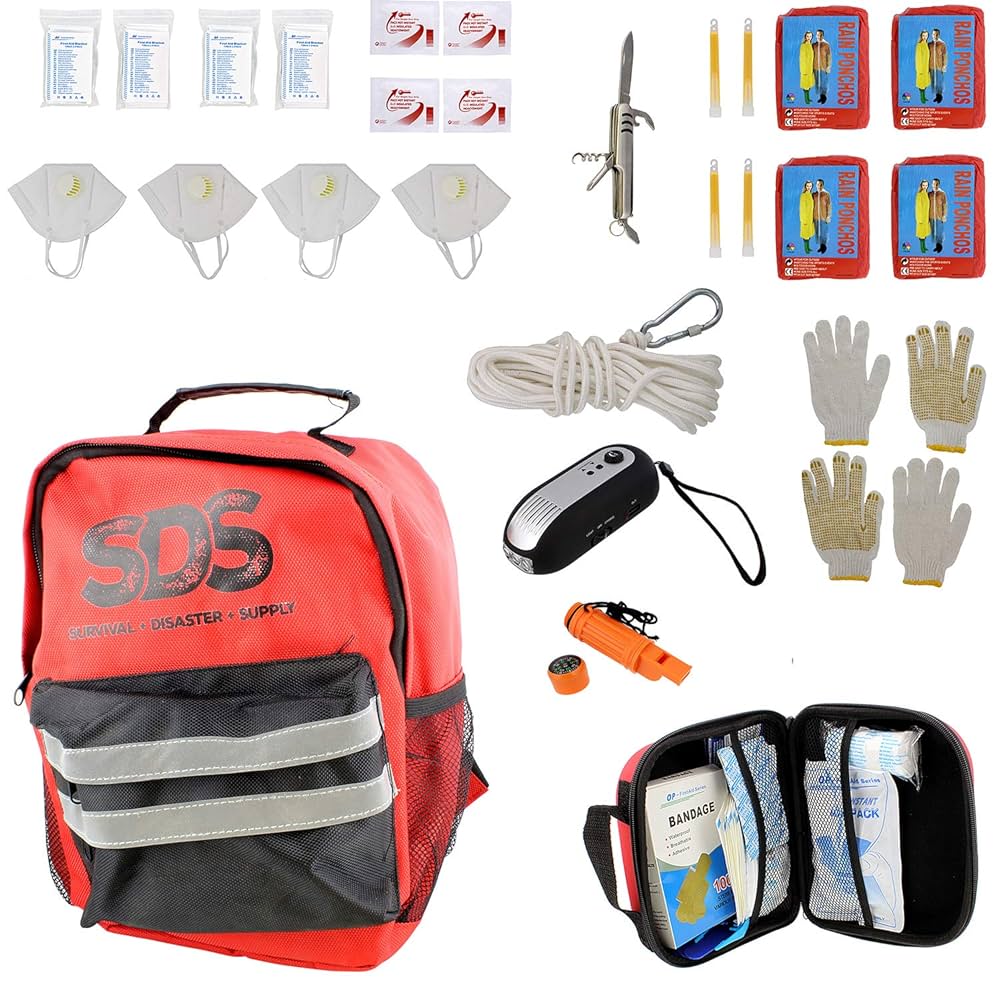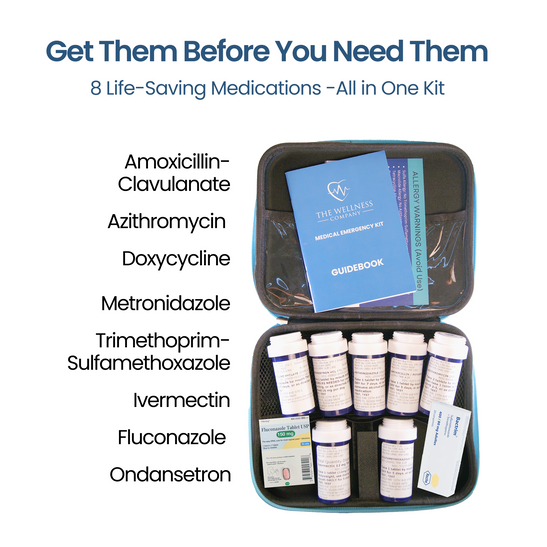
When you prepare a survival kit, one crucial question stands out: what drugs should you include? Your health and safety depend on having the right medications ready when emergencies strike.
Imagine facing a situation where medical help is far away, and the only thing between you and serious illness is what you packed. This guide will help you choose the essential drugs that can protect you and your loved ones.
Keep reading to make sure your survival kit has exactly what you need to stay safe and healthy.
Basic Pain Relievers
Basic pain relievers are essential in any survival kit. They help manage pain from injuries or illnesses when medical help isn’t immediately available. Having the right painkillers can make a huge difference in comfort and recovery during tough situations.
Over-the-counter Options
Over-the-counter (OTC) pain relievers are your first line of defense. Common choices include:
- Acetaminophen (Tylenol):Good for headaches, fever, and mild to moderate pain. It’s gentle on the stomach but does not reduce inflammation.
- Ibuprofen (Advil, Motrin):Works well for pain, fever, and inflammation. It’s ideal for muscle aches or injuries.
- Aspirin:Besides pain relief, it can reduce inflammation and is often used for heart health. Avoid giving aspirin to children.
Each has its pros and cons. Think about what types of pain you might face and choose accordingly. Do you know which pain reliever your body tolerates best?
When To Use Prescription Painkillers
Prescription painkillers are stronger and meant for severe pain. They include opioids like oxycodone and hydrocodone. Use these only when absolutely necessary and under medical advice.
Misusing prescription painkillers can lead to addiction or serious side effects. Keep them in your kit only if you have a legitimate need and proper guidance.
Ask yourself: Is the pain severe enough to justify a prescription drug, or can OTC options handle it? Knowing this can keep you safe and prepared.

Credit: trueprepper.com
Allergy Medications
Allergy medications are essential items in any survival kit. Allergic reactions can happen suddenly and without warning, especially in unfamiliar environments. Having the right medications on hand can prevent mild symptoms from escalating into life-threatening situations.
Antihistamines
Antihistamines are your first line of defense against common allergy symptoms like sneezing, itching, and hives. Keep both fast-acting and long-lasting options available. Tablets, liquids, and even dissolvable strips can suit different situations.
Think about this: if you get bitten by a bug or come into contact with a plant you’re allergic to, can you quickly access an antihistamine? I once had a friend who didn’t carry antihistamines during a camping trip and ended up with severe itching that ruined the experience. Don’t let that happen to you.
- Loratadine (Claritin) – non-drowsy, lasts 24 hours
- Diphenhydramine (Benadryl) – fast-acting but may cause drowsiness
- Fexofenadine (Allegra) – another non-drowsy option
Epinephrine Auto-injectors
If you or someone in your group has a history of severe allergic reactions, an epinephrine auto-injector is a must-have. This device can reverse anaphylaxis quickly, saving lives when every second counts.
Carrying an auto-injector means being ready for the worst-case scenario. You should know how to use it properly and check expiration dates regularly. Do you have a plan if someone suddenly goes into anaphylactic shock?
- EpiPen
- Auvi-Q
- Generic epinephrine auto-injectors
Including allergy medications in your survival kit isn’t just about convenience—it’s about safety. What allergy risks exist in your environment, and have you prepared accordingly?
Digestive Aids
Digestive issues can strike at the most inconvenient times, especially in survival situations where access to medical help is limited. Having the right digestive aids in your survival kit can prevent minor discomforts from turning into serious problems. These aids help maintain your body’s ability to process food and fluids, keeping you strong and ready for whatever challenges come your way.
Antacids And Acid Reducers
Antacids are essential for quickly neutralizing stomach acid that causes heartburn or indigestion. Carry chewable tablets like calcium carbonate for fast relief. Acid reducers such as ranitidine or famotidine work slower but provide longer-lasting effects by decreasing acid production.
Have you ever felt a burning sensation after eating something spicy or unfamiliar? That discomfort can distract you from critical tasks. Keeping these drugs handy means you can manage symptoms on the spot and stay focused.
Anti-diarrheal Drugs
Diarrhea can lead to dangerous dehydration, especially outdoors. Medications like loperamide help slow down bowel movements and reduce fluid loss. Including oral rehydration salts alongside these drugs ensures you replace lost electrolytes effectively.
Think about how quickly diarrhea can disrupt your day. Would you want to be stuck far from help without a way to control it? Anti-diarrheal drugs give you an edge in staying functional and hydrated.
Laxatives
Constipation can be just as troublesome, causing discomfort and reducing energy. Mild laxatives such as polyethylene glycol or stimulant types like senna can restore regular bowel movements. Choose a variety that suits your needs, but use them carefully to avoid dependence.
Have you ever underestimated the impact of constipation on your overall well-being? Including laxatives in your kit ensures you won’t be sidelined by digestive slowdowns when you need to perform at your best.
Antibiotics And Antiseptics
Antibiotics and antiseptics are essential components of any survival kit. They help you manage infections when professional medical help isn’t immediately available. Having the right drugs on hand can prevent minor wounds from becoming serious problems.
Topical Antibiotics
Topical antibiotics are applied directly to the skin to prevent or treat infections in cuts, scrapes, and burns. They are easy to use and work quickly to stop bacteria from multiplying.
- Neosporin– A popular triple antibiotic ointment effective against a wide range of bacteria.
- Bacitracin– Good for minor cuts and scrapes, especially if you’re allergic to neomycin in Neosporin.
- Polysporin– An alternative for those sensitive to neomycin, offering broad protection.
Apply these ointments immediately after cleaning a wound to reduce infection risk. Always check for allergies before use. You might not think about a small scratch, but in a survival situation, it can turn dangerous fast.
Oral Antibiotics For Common Infections
Oral antibiotics treat infections inside the body and are crucial for survival kits. They can tackle respiratory infections, urinary tract infections, and more serious bacterial conditions.
- Amoxicillin– Effective for respiratory infections, ear infections, and some skin infections.
- Doxycycline– Useful for treating Lyme disease, respiratory infections, and certain types of pneumonia.
- Metronidazole– Targets anaerobic bacteria and certain parasites.
Keep in mind that antibiotics only work on bacterial infections, not viruses. Misuse can cause resistance or side effects. Do you know how to identify symptoms that require antibiotics? Learning this can save your life and prevent unnecessary medication.
Cold And Flu Remedies
Cold and flu can strike anytime, especially during emergencies. Having the right remedies in your survival kit helps ease symptoms fast. These medicines reduce discomfort and support recovery. Focus on essentials that treat common signs like congestion, cough, and fever. Here are key options to include.
Decongestants And Cough Suppressants
Decongestants clear blocked nasal passages, making breathing easier. They reduce swelling in nasal tissues. Choose nasal sprays or oral tablets for relief. Cough suppressants help calm a dry, irritating cough. They prevent constant coughing that tires the body.
- Pseudoephedrine or phenylephrine for nasal congestion
- Dextromethorphan for cough suppression
- Menthol rubs to soothe the chest and throat
Fever Reducers
Fever often accompanies cold and flu symptoms. Reducing fever helps comfort and prevents dehydration. Common fever reducers also relieve body aches and headaches. Keep a supply of these medications in your kit.
- Acetaminophen (Tylenol) for fever and pain relief
- Ibuprofen (Advil) to reduce inflammation and fever
- Always follow dosage instructions carefully

Credit: nypost.com
Medications For Chronic Conditions
Medications for chronic conditions are essential components of any survival kit, especially if you or a loved one depend on them daily. Missing doses or running out of these drugs during an emergency can lead to serious health complications. It’s crucial to have a well-stocked supply that meets your specific medical needs and to know how to manage these medications safely in various situations.
Heart And Blood Pressure Drugs
If you take medication for heart conditions or high blood pressure, keep an ample supply on hand. These drugs help prevent life-threatening events like heart attacks and strokes. Common medications include beta-blockers, ACE inhibitors, and diuretics.
Remember to store them in a cool, dry place to maintain their effectiveness. Also, check expiration dates regularly and replace expired drugs promptly.
Do you have a backup plan if your prescription runs out? Consider talking to your doctor about emergency refills or alternatives you can keep in your kit.
Diabetes Supplies And Insulin
Managing diabetes requires more than just medication; you need supplies like glucose monitors, test strips, and insulin. Insulin must be stored correctly, usually refrigerated, but some types can remain stable at room temperature for a limited time.
Keep extra syringes, pens, or pumps ready, and make sure you understand how to use them if you need to administer insulin yourself. Missing insulin doses can quickly become dangerous, so having a reliable stock is non-negotiable.
Have you practiced how to check your blood sugar and inject insulin under emergency conditions? Being prepared can make a huge difference in your health outcomes.
Emergency Medications
Emergency medications are vital in any survival kit. They help manage sudden health issues during crises. These medicines address pain, muscle spasms, seizures, and other urgent conditions. Keeping them ready can prevent complications and save lives.
Painful Muscle Spasm Relievers
Muscle spasms cause sharp pain and limit movement. Having muscle spasm relievers can ease this discomfort quickly. Common options include:
- Muscle relaxants like cyclobenzaprine
- Over-the-counter painkillers such as ibuprofen
- Topical creams with menthol or capsaicin
These medications reduce stiffness and improve mobility. They are essential after injury or intense physical activity.
Anti-seizure Medications
Seizures can happen without warning during emergencies. Anti-seizure drugs help control abnormal brain activity. Important medicines to consider are:
- Phenytoin
- Carbamazepine
- Valproate
These medications stabilize nerve signals and prevent seizure episodes. Including them in your kit is crucial if you or someone nearby has a seizure history.

Credit: www.safetyandhealthmagazine.com
Storage And Safety Tips
Storing drugs in a survival kit needs care to keep them effective. Proper storage and safety help prevent damage and contamination. Small mistakes can make medicines useless or unsafe. Follow simple tips to protect your drugs and your health.
Proper Storage Conditions
Keep medicines in a cool, dry place away from sunlight. Heat and moisture can break down drugs quickly. Avoid storing medicines in bathrooms or near kitchens where humidity is high. Use airtight containers to protect from air and moisture. Keep medicines out of reach of children and pets. Label containers clearly to avoid confusion. Store pills in original packaging when possible to keep instructions and expiration dates.
Expiration Dates And Replacement
Check expiration dates regularly. Expired drugs may not work or could be harmful. Write the date you stored the drug on the container. Replace medicines before they expire to ensure safety and effectiveness. Keep a list of all drugs in your kit with their expiration dates. Set reminders to review your kit every six months. Proper rotation helps maintain a ready and reliable survival kit.
Frequently Asked Questions
What Are Essential Drugs For A Survival Kit?
Essential drugs include pain relievers, antihistamines, and antidiarrheal medications. These address common emergencies like pain, allergies, and digestive issues. Having these basic medications ensures you’re prepared for minor injuries and illnesses. Including a small supply of any personal prescription medications is also crucial for maintaining health during emergencies.
Should I Include Antibiotics In My Survival Kit?
Antibiotics should be included if prescribed by a healthcare professional. They treat bacterial infections, which can be crucial in emergencies. However, misuse can lead to resistance. Consult a doctor to understand the necessity and appropriate use of antibiotics in your kit.
Always follow medical advice for antibiotic use.
How Do I Store Drugs In A Survival Kit?
Store drugs in a cool, dry place away from direct sunlight. Use waterproof containers to protect medications from moisture. Label each medication with its name and expiration date. Regularly check and update your kit to ensure all drugs are within their usable period.
Proper storage maintains the effectiveness of the medications.
Why Are Pain Relievers Important For Survival Kits?
Pain relievers are crucial for managing pain from injuries or illnesses. They reduce discomfort and allow you to focus on survival tasks. Choose over-the-counter options like ibuprofen or acetaminophen for their effectiveness. They are versatile and can relieve headaches, muscle pain, and fever, making them essential in emergencies.
Conclusion
Having the right drugs in a survival kit saves lives. Basic medicines like painkillers, antibiotics, and allergy pills are essential. Keep medicines organized and check expiration dates often. Store items in a dry, cool place for safety. Know how to use each drug before an emergency.
Stay prepared, stay safe. Your survival kit should help you, not confuse you. Simple, clear, and ready for any situation. This small effort can make a big difference in tough times.