Imagine facing an emergency without the right tools at your fingertips. Would you feel prepared or overwhelmed?
Building your own survival kit bag gives you control and confidence when every second counts. In this guide, you’ll discover simple steps to gather essential items that fit your needs perfectly. By the end, you’ll have a ready-to-go kit that could make all the difference in a crisis.
Ready to take charge of your safety? Let’s get started.

Credit: www.youtube.com
Choosing The Right Bag
Choosing the right bag for your survival kit is more important than many people realize. It can make the difference between quick access to essentials and fumbling through a tangled mess when every second counts. Your bag needs to match your personal needs and the environment where you’ll be using it.
Size And Durability
Think about what you really need to carry. A bag that’s too small won’t fit all your gear, while one that’s too large can weigh you down unnecessarily. Consider a bag with multiple compartments to keep things organized and easy to find.
Durability is key. Look for materials like high-denier nylon or canvas that can handle rough conditions without tearing. Reflect on a time when your bag took a beating—did it hold up or fail you?
Comfort And Accessibility
You’ll be carrying your survival kit for hours, maybe even days. Choose a bag with padded shoulder straps and an ergonomic design to reduce fatigue. Adjustable straps are a bonus, allowing you to customize the fit to your body.
Ask yourself: can you reach essential items quickly? Bags with external pockets or MOLLE webbing let you attach frequently used gear where you can grab it fast. Don’t let poor design slow you down in a critical moment.
Water Resistance
Water can ruin your supplies, so your bag should offer some level of protection against the elements. Look for water-resistant coatings or waterproof zippers to keep moisture out.
If you expect heavy rain or wet environments, consider a bag with a built-in rain cover or pack a separate waterproof liner. Remember, staying dry isn’t just about comfort—it’s about keeping your survival tools functional.

Credit: www.honeycomboasis.com
Essential Survival Items
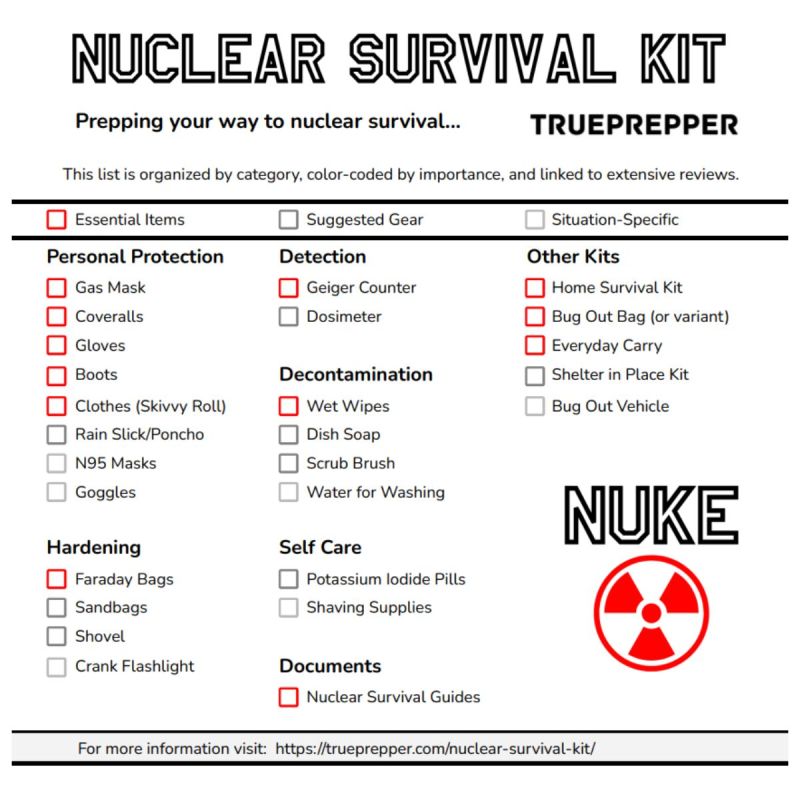
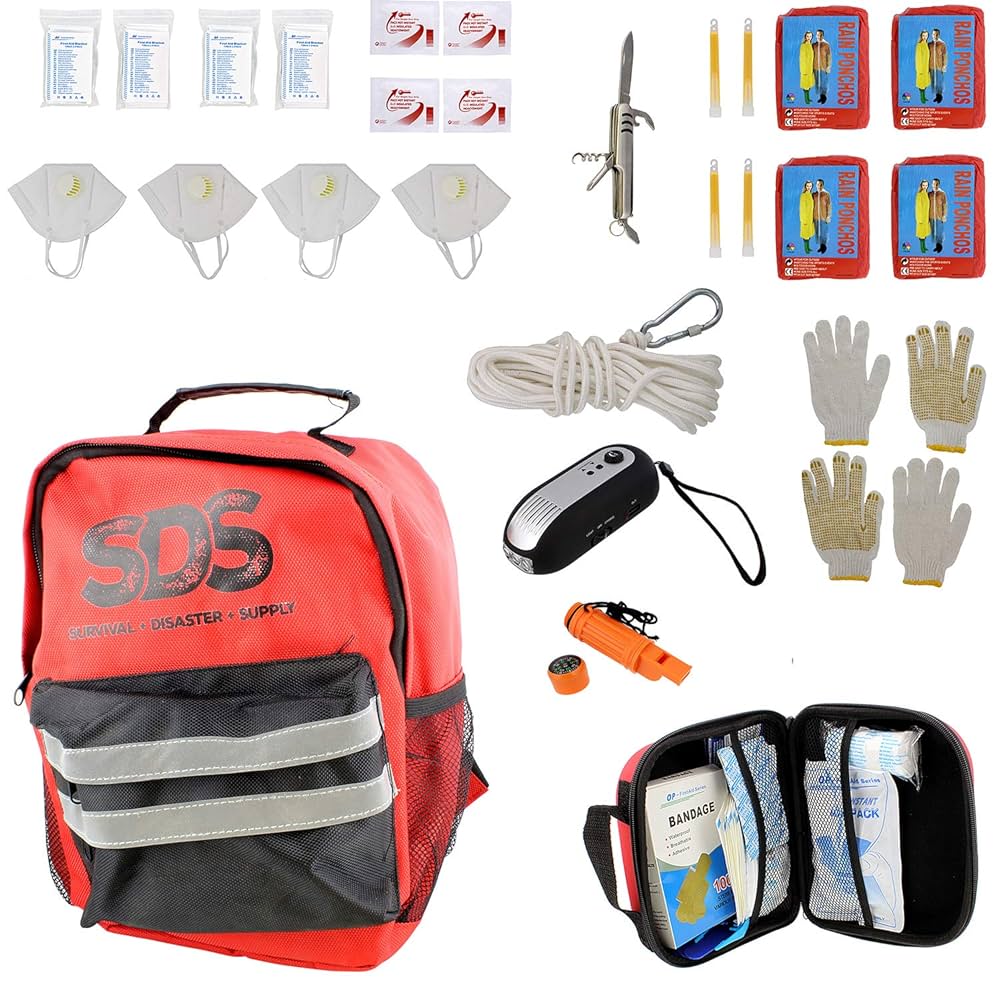
Building a survival kit bag means packing the right essentials. These items help you stay safe and comfortable in tough situations. Focus on basics like water, food, shelter, first aid, and communication tools. Each plays a key role in survival. Prepare carefully to face emergencies with confidence.
Water And Hydration Tools
Water is the most important survival need. Carry a sturdy water bottle or hydration bladder. Include water purification tablets or a small filter. These ensure safe drinking water anywhere. A metal cup or collapsible container is useful for boiling water. Stay hydrated to keep your energy up.
Food And Nutrition
Choose lightweight, high-energy food for your kit. Pack items like energy bars, nuts, dried fruits, and jerky. Include easy-to-carry meals such as freeze-dried or dehydrated foods. Small packets of salt or sugar help with taste and energy. Rotate food supplies regularly to avoid spoilage.
Shelter And Warmth
Protection from elements is vital. Carry a compact emergency blanket or bivy sack. A lightweight tarp or poncho can serve as shelter. Include a small roll of duct tape for quick fixes. Pack warm clothing layers and waterproof gloves. Warmth prevents hypothermia in cold weather.
First Aid Supplies
A basic first aid kit can treat minor injuries fast. Include adhesive bandages, antiseptic wipes, and gauze pads. Pack pain relief tablets and allergy medicine. Add tweezers, scissors, and safety pins. Keep a CPR face shield and disposable gloves for safety.
Navigation And Communication
Find your way with a compass and a detailed map. A whistle helps signal for help. Include a small flashlight or headlamp with extra batteries. A solar charger or power bank keeps devices running. A waterproof notebook and pencil are useful for notes or messages.
Organizing Your Kit
Organizing your survival kit is key to quick and easy access during emergencies. A well-organized kit saves time and reduces stress. It helps you find essential items fast. Proper organization also protects your gear from damage. This section explores simple ways to keep your survival kit neat and efficient.
Compartmentalizing Items
Separate your items into groups based on use. Create compartments for food, first aid, tools, and water. Use small pouches or bags inside the main kit. This prevents items from mixing and getting lost. It also makes packing and unpacking faster. Group similar items together for easy spotting.
Using Waterproof Containers
Protect your supplies from water damage with waterproof containers. Store matches, electronics, and important documents in sealed cases. Plastic containers or zip-lock bags work well. Waterproofing keeps items dry and usable. It also helps keep your kit clean and organized.
Labeling For Quick Access
Label each compartment or container clearly. Use simple words or pictures for easy reading. Labels help you find items without opening everything. They also remind you where each item belongs. Keep labels visible and durable for long-term use.

Credit: premierbodyarmor.com
Customizing For Specific Needs
Customizing a survival kit bag ensures it fits your unique needs perfectly. Every person faces different challenges depending on their situation. Tailoring the contents makes the kit more useful and practical.
Think about where you live and what dangers you might face. Your survival kit should match the environment and your skills. This approach helps you stay prepared and confident in any situation.
Consider Climate And Environment
Climate affects the items you need most. In cold areas, include extra warm clothing and hand warmers. Hot climates require sun protection and plenty of water supplies. Wet environments call for waterproof gear and quick-dry fabrics.
Also, think about local wildlife and plants. Carry insect repellent or a snakebite kit if necessary. Tailoring your kit to the environment increases your chances of staying safe and comfortable.
Include Personal Medications
Personal health needs are vital in a survival kit. Pack all daily medications and extras in case of delays. Include pain relievers, allergy medicine, and any special prescriptions.
A small first aid kit with bandages and antiseptics also helps. Keep medications in waterproof containers to protect them from damage. This simple step can save lives and ease discomfort.
Add Tools For Special Skills
Skills like fishing, hunting, or navigation require specific tools. Include items that support your abilities, such as a fishing line or compass. If you know how to start fires, carry waterproof matches or a flint striker.
Extra batteries or solar chargers help keep gadgets running. Custom tools make your kit more effective and boost your confidence in tough situations.
Maintaining Your Survival Kit
Keeping your survival kit in top shape is just as important as assembling it. A well-maintained kit ensures that every item works when you need it most. Neglecting regular upkeep can turn a life-saving tool into a bag of useless gear.
Regularly Checking Expiry Dates
Food, water, and medical supplies have expiration dates that you must track carefully. Set reminders to check these dates at least twice a year. You don’t want to open your kit only to find expired energy bars or outdated medications.
Think about how often you use your water purification tablets or first aid ointments. Keeping fresh supplies means you avoid surprises during an emergency.
Replacing Used Or Damaged Items
After each use, inspect your kit for missing or broken items. Even a small tear in your emergency blanket or a cracked flashlight lens can reduce your chances of survival. Replace these items immediately to keep your kit reliable.
I once went hiking and used some bandages from my kit. I made sure to add new ones the same day. That quick update gave me peace of mind for the next adventure.
Updating Based On Experience
Your survival needs may change over time, or you might discover better tools after testing your kit. Adjust your gear based on what you learn from drills or real situations. Maybe add a better multi-tool or swap out a bulky item for something lighter.
Ask yourself: Does each item in my kit still serve its purpose? Updating your kit keeps it efficient and tailored to your current lifestyle.
Frequently Asked Questions
What Essential Items Should A Survival Kit Bag Contain?
A survival kit bag should include water, non-perishable food, a first aid kit, flashlight, multi-tool, fire starter, and emergency blanket. These items cover basic needs like hydration, nutrition, safety, and shelter in emergencies.
How Do I Choose The Right Bag For A Survival Kit?
Choose a durable, waterproof, and lightweight backpack with multiple compartments. It should be comfortable to carry and large enough to store all necessary survival items securely.
How Often Should I Update My Survival Kit Bag?
Update your survival kit every six months to replace expired food, batteries, and medical supplies. Regular checks ensure everything remains functional and ready for emergencies.
Can I Customize My Survival Kit For Different Environments?
Yes, customize your kit based on environment and climate. For example, add insect repellent for jungles or extra warm clothing for cold areas.
Conclusion
Creating a survival kit bag is crucial for safety. It prepares you for emergencies. Gather essential items like food, water, and first aid. Remember warmth and light sources too. Always customize based on your needs and environment. Recheck your kit regularly.
Replace expired items promptly. A well-prepared kit can make a difference. Stay ready and calm during emergencies. Your survival depends on good preparation. Keep learning and updating your skills. Being prepared ensures peace of mind. Start building your survival kit today.
Stay safe and be prepared for any situation.