If you want to make sure your survival kit is truly ready for anything, you can’t overlook how you store your fishing line. Imagine being out in the wild, needing to catch food, but your line is tangled or damaged.
That frustration can cost you precious time and energy. You’ll learn simple, effective ways to keep your fishing line organized, strong, and easy to use when you need it most. Keep reading to discover tips that can make a real difference in your survival readiness.
Choosing The Right Fishing Line
Choosing the right fishing line for your survival kit is more important than you might think. The line you pick could mean the difference between a quick catch and a wasted day. It’s not just about strength; factors like type, thickness, and length all play a role in how effective your fishing line will be in a survival situation.
Types Of Fishing Lines
There are several types of fishing lines, each with unique properties. Monofilament lines are flexible and stretch well, making them good for beginners and general use. Braided lines offer excellent strength and abrasion resistance but have less stretch, which can be tricky if you’re not used to them.
Fluorocarbon lines are nearly invisible underwater and resist UV damage, a bonus if you plan to fish in clear water or bright sunlight. Think about where you’ll be fishing and what kind of fish you’re after to pick the best type for your kit.
Durability And Strength
Durability is crucial for survival fishing lines. You want a line that won’t snap easily when pulling in a strong fish or snagging on rocks. Braided lines typically offer the highest strength-to-diameter ratio, but monofilament lines provide better shock absorption, reducing sudden breaks.
Have you ever lost a big catch because your line snapped? Investing in a more durable line can save you from that frustration. Check the pound test rating on the line package; it tells you how much weight the line can handle before breaking.
Line Thickness And Length
Thickness affects both strength and how visible the line is to fish. Thinner lines are less visible but usually less strong, while thicker lines are stronger but easier for fish to spot. If stealth is your priority, go for thinner lines with high strength, like braided options.
Length matters too. Carry enough line to cover different fishing scenarios, but avoid bulky spools that take up too much space. Around 50 to 100 yards is a good balance for a survival kit, giving you plenty of line without overloading your pack.
Preparing The Line For Storage
Preparing your fishing line for storage is a crucial step in maintaining its strength and usability during survival situations. If your line is not properly cared for before storing, it can weaken or become unusable when you need it most. Taking a few minutes to clean, dry, and carefully organize your line can make a huge difference in its performance.
Cleaning And Drying
Before storing your fishing line, you need to remove any dirt, salt, or debris that might have accumulated. These contaminants can weaken the line or cause it to degrade faster over time. Use clean water to gently rinse the line, avoiding harsh soaps or chemicals that might damage it.
After rinsing, make sure to dry the line completely. Moisture trapped in the line can lead to mold or mildew, which reduces its strength. Lay the line flat on a dry towel or hang it loosely in a cool, shaded area to air dry.
Removing Tangles And Knots
Tangled fishing line can be frustrating and time-consuming to fix in a survival situation. Before storing, take the time to carefully straighten the line and remove any knots. This prevents unnecessary wear and makes it quicker to deploy when needed.
If you find stubborn knots, gently work them loose with your fingers or a small tool. Avoid pulling hard, as this can weaken or break the line. Think about how much easier it will be to fish with a smooth, tangle-free line ready to go—won’t that save you valuable time?
Best Storage Containers
Choosing the right storage container for your fishing line in a survival kit can make a big difference. The container protects the line from damage, tangling, and moisture, ensuring it’s ready when you need it most. Let’s look at some of the best options that keep your gear safe and easy to carry.
Waterproof Options
Waterproof containers are essential if you expect wet conditions or unpredictable weather. They prevent your fishing line from soaking up moisture, which can weaken it over time. Small waterproof cases with tight-sealing lids or O-rings are perfect for this purpose.
Many outdoor enthusiasts prefer using waterproof pill boxes or small plastic cases designed for electronics. These containers are compact but provide a secure seal against water and dust. Have you ever had your fishing line fail because it got wet? Avoiding that frustration is as simple as picking the right waterproof container.
Compact And Lightweight Cases
Your survival kit should be as light as possible without sacrificing functionality. Compact cases specifically designed for fishing line storage help you save space and reduce weight. Look for slim, durable plastic or aluminum cases that fit easily in pockets or small compartments.
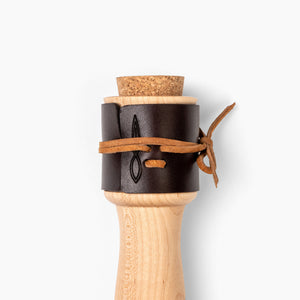
Some anglers use old mint tins or small tackle boxes because they’re lightweight and sturdy. These containers keep your line organized and prevent it from tangling during transport. Wouldn’t you rather have your fishing line neatly stored instead of a tangled mess when you’re out in the wild?
Credit: www.daggerfishgear.com
Organizing Multiple Lines
Organizing multiple fishing lines in a survival kit helps keep everything neat and ready for use. Proper organization saves time and avoids frustration during critical moments. It also protects the lines from damage and tangles. Storing lines with clear labels and smart separation techniques improves efficiency.
Labeling Techniques
Label each fishing line with its type and strength. Use small waterproof tags or tape for durability. Write clearly with permanent markers or printed labels. Color coding helps identify lines quickly by strength or material. Keep labels simple and easy to read in low light. Attach labels near the spool or on the line itself.
Preventing Cross Tangling
Keep lines separate to avoid knots and tangles. Use small plastic containers or ziplock bags for each spool. Wrap lines around small cards or spools to maintain shape. Store lines side by side, not stacked, inside the kit. Use elastic bands or Velcro straps to hold lines in place. Avoid loose ends that can catch other lines during movement.
Maintaining Line Quality Over Time
Maintaining the quality of your fishing line over time is crucial, especially when it’s stored in a survival kit. A degraded line can snap easily, costing you a valuable catch or worse, leaving you without a fishing option in an emergency. Paying attention to how you store and care for your line ensures it remains strong and reliable when you need it most.
Avoiding Sunlight And Heat
Exposure to sunlight and heat breaks down the material of fishing lines, making them brittle and weak. Always store your fishing line in a cool, shaded place away from direct sunlight. Heat can cause the line to lose its elasticity, so avoid keeping it near sources like stoves or warm car compartments.
Think about the last time you left your gear in a hot car. Did you notice the line becoming stiff or discolored? That’s a clear sign of damage. Using airtight containers or opaque bags helps protect the line from harmful UV rays and temperature spikes.
Regular Inspection Tips
Regularly checking your fishing line can save you from unexpected failures. Look closely for any signs of fraying, discoloration, or stiff spots. Even if the line looks fine, gently run it through your fingers to detect any rough patches or weak points.
Keep a small notebook or log to track when you last inspected your line and note any issues found. This habit can help you catch problems early before they become serious. Have you ever lost a catch because your line snapped unexpectedly? A quick inspection could have prevented that.

Credit: trueprepper.com
Additional Survival Kit Considerations
Storing fishing line in a survival kit needs more than just the line itself. Think about other tools that work well with the line. Also, consider how to save space in your kit. These extra points help keep your kit ready and useful.
Combining With Other Fishing Tools
Keep fishing line near hooks and lures. This makes it easier to find and use quickly. Store small tools like pliers or scissors together to fix or cut the line.
Use small containers or zip bags to hold all fishing items. This prevents tangling and damage. Grouping tools by function saves time during an emergency.
Space-saving Tips
Wind your fishing line tightly on a small spool or card. This stops it from tangling and takes less space. Choose lightweight spools to keep your kit light.
Use waterproof bags to protect your line from moisture. Flat bags or slim cases fit easily in tight spaces. Stack items neatly to maximize room inside your kit.
- Remove excess packaging before storage
- Use multi-purpose tools to reduce items
- Label containers to find items fast

Credit: www.youtube.com
Frequently Asked Questions
How Should I Store Fishing Line In A Survival Kit?
Store fishing line in a sealed, waterproof container to prevent moisture damage. Keep it wound neatly on a spool or card to avoid tangling. Place it in an easily accessible spot within your survival kit for quick use.
Why Is Proper Storage Important For Fishing Line?
Proper storage prevents tangling, weakening, and moisture damage. It ensures the line stays strong and ready for use. This increases your chances of successful fishing in survival situations, making your kit more reliable.
What Materials Are Best For Storing Fishing Line?
Use waterproof containers like plastic boxes or sealed bags to protect the line. Avoid metal containers that can rust or degrade the line. Clear containers help you quickly identify the line type and length.
Can I Store Different Fishing Line Types Together?
It’s best to store different line types separately to avoid tangling and confusion. Label each container clearly to identify line strength and type. This helps you quickly select the right line when needed.
Conclusion
Proper storage of fishing line is crucial for survival kits. Keep it dry and away from sharp objects. Use small containers or ziplock bags for organization. This ensures readiness when you need it most. A well-stored line can make a difference in emergencies.
Always check for wear and tear before use. Regular maintenance extends its lifespan. Be prepared, organized, and stay safe in the wild. Your survival kit should be reliable and efficient. A little care goes a long way. Happy and safe fishing adventures await!