Imagine feeling the ground shake beneath your feet—how prepared would you be? When an earthquake strikes, every second counts, and having the right survival kit can make all the difference for you and your loved ones.
But what exactly should you include to stay safe and comfortable until help arrives? You’ll discover the essential items you need in your earthquake survival kit. Knowing these can give you peace of mind and help you act quickly when it matters most.
Keep reading to build your own kit that truly protects you.

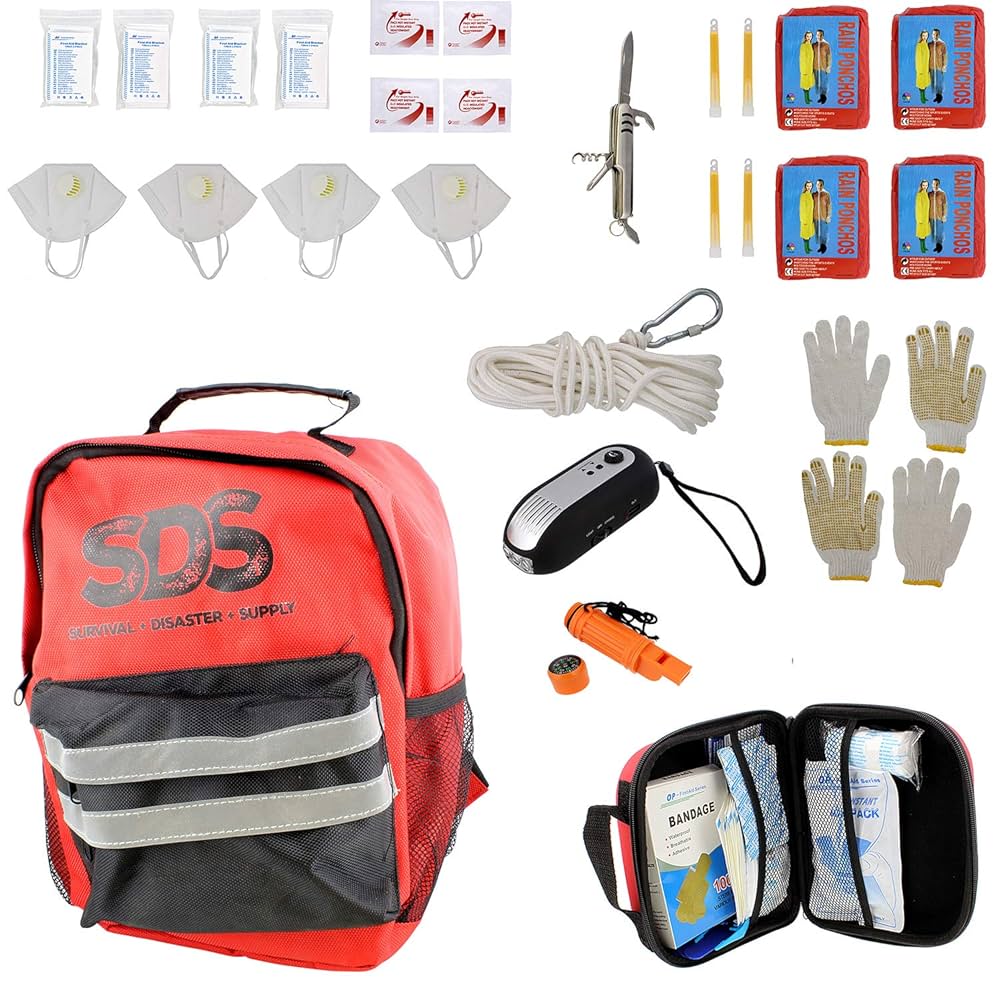
Credit: www.amazon.ca
Basic Supplies
Basic supplies form the heart of every earthquake survival kit. They keep you safe, healthy, and strong during emergencies. These essentials help you face the first few days without outside help. Prepare now to protect yourself and loved ones.
Water And Hydration
Water is the most crucial supply in any survival kit. Each person needs at least one gallon of water daily. Store clean, sealed bottles or water pouches. Water purification tablets or filters also help if supplies run low. Staying hydrated prevents dehydration and keeps your body working well.
Non-perishable Food
Choose foods that last long without refrigeration. Canned goods, dried fruits, nuts, and energy bars work well. Pick items high in calories and nutrients. Avoid foods needing cooking or much water. Rotate supplies regularly to keep them fresh and ready.
First Aid Kit
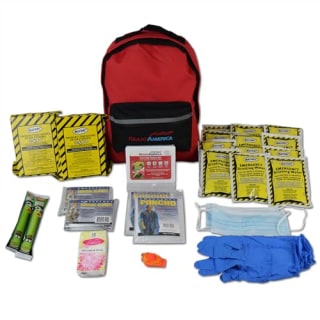
A good first aid kit treats wounds and reduces infection risk. Include bandages, antiseptic wipes, and antibiotic ointments. Add pain relievers, tweezers, and scissors. Know how to use each item. Basic medical supplies help manage injuries until professional care is available.
Credit: www.nbcnews.com
Tools And Equipment
Tools and equipment form the heart of an earthquake survival kit. They help you see in the dark, fix things, and signal for help. Having reliable tools boosts safety and comfort during emergencies.
Flashlights And Batteries
Flashlights provide light when power fails. Choose LED flashlights for brightness and long battery life. Pack extra batteries to keep lights working for days. A headlamp frees your hands for tasks in the dark.
Multi-tool And Knife
A multi-tool combines pliers, screwdrivers, and scissors in one device. It helps with small repairs and cutting tasks. A sharp knife is vital for preparing food or cutting ropes. Pick sturdy tools that fit comfortably in your hand.
Whistle And Signal Mirror
A whistle can alert rescuers without yelling. Its sound carries far, saving your energy. A signal mirror reflects sunlight to attract attention over long distances. Both items are lightweight and easy to carry in your kit.
Shelter And Warmth
Shelter and warmth are vital after an earthquake. They protect you from cold, rain, and wind. Staying dry and warm helps prevent illness and keeps energy up. Prepare items that are lightweight, easy to carry, and multipurpose.
Emergency Blankets
Emergency blankets are small but powerful. They reflect body heat to keep you warm. They take up little space in your kit. Use them as a wrap or ground cover. They resist water and wind, making them very useful outdoors.
Tarp And Rope
A tarp offers quick shelter from rain and wind. It is light and folds into a small package. Pair it with rope to create a simple tent or cover. You can use a tarp to protect supplies or create shade. It is a flexible item for many emergency uses.
Extra Clothing
Extra clothes help you stay warm and dry. Choose layers that can be added or removed easily. Include a hat and gloves to protect extremities. Pick clothes made of quick-dry material to avoid cold from wet fabric. Change into dry clothes to prevent chills after a disaster.
Communication And Navigation
Communication and navigation are crucial when an earthquake strikes. Power outages and damaged infrastructure can cut off your usual ways to get information or find your way. Having reliable tools in your survival kit ensures you stay informed and can navigate safely even in chaotic conditions.
Battery-powered Radio
A battery-powered radio can be a lifesaver. It keeps you connected to emergency broadcasts and updates when your phone or internet is down. Choose a model with multiple power options—batteries, hand crank, or solar—so you never run out of signal.
Imagine a recent earthquake scenario where cell towers went offline for days. Those with radios heard vital instructions and weather updates, while others were left guessing. This simple device can keep you ahead in critical moments.
Maps And Compass
Don’t rely solely on GPS devices. Earthquakes can disrupt satellite signals and drain batteries quickly. Having a physical map of your area and a compass ensures you can find safe routes even when technology fails.
Practice reading your map and using your compass before disaster strikes. Knowing how to navigate by landmarks and terrain can help you avoid blocked roads or unstable areas. Can you confidently find your way if all digital tools are offline?
Personal Items
Personal items play a vital role in any earthquake survival kit. These belongings help maintain identity, health, and hygiene during emergencies. Keeping essential personal items organized and accessible can ease stress and improve safety. Focus on items that support daily needs and legal requirements.
Important Documents
- Copies of birth certificates and passports
- Insurance policies and medical records
- Property deeds and car registration
- Emergency contact list
Store documents in waterproof bags or containers. Digital copies saved on a USB drive can be helpful too.
Cash And Identification
- Small bills and coins for immediate purchases
- Government-issued ID cards or driver’s licenses
- Credit/debit cards if available
Cash is essential when ATMs or banks are unavailable. IDs prove your identity and help in emergencies.
Medication And Hygiene Supplies
- Prescription medicines and necessary medical devices
- Basic first aid supplies like bandages and antiseptics
- Personal hygiene items such as toothbrush, soap, and sanitary products
- Hand sanitizer and wet wipes
Keep enough medication for at least a week. Hygiene supplies help prevent illness and maintain comfort.

Credit: moreprepared.com
Special Considerations
When preparing your earthquake survival kit, it’s essential to think beyond the basics. Special considerations ensure that everyone in your household, regardless of age or ability, has what they need to stay safe and comfortable. Tailoring your kit for children, pets, and disabled individuals can make a crucial difference during an emergency.
Items For Children And Pets
Children and pets have unique needs that require extra attention in your survival kit. For kids, include comfort items like a favorite toy or blanket to help ease anxiety. Pack child-friendly snacks, formula, diapers, and wipes if applicable.
Pets need their own supplies too. Add enough pet food, water, and any necessary medications. Don’t forget a sturdy leash, collar with ID tags, and a portable carrier or crate. Have you thought about how your pet will stay calm during the chaos?
- Favorite toys or blankets for children
- Child-specific food and formula
- Diapers and hygiene supplies
- Pet food and water bowls
- Leash, collar, and ID tags
- Medications and portable pet carrier
Tools For Disabled Individuals
If you or a family member has a disability, your survival kit needs special tools to accommodate specific challenges. Include extra batteries and chargers for mobility aids like wheelchairs or hearing devices. Have backup supplies of any necessary medications and medical equipment.
Think about communication tools as well, such as a written emergency plan or visual aids for those with hearing or speech impairments. Have you tested how easy it is to access these tools quickly? Accessibility can’t be an afterthought in emergencies.
- Extra batteries and chargers for medical devices
- Spare medications and medical supplies
- Communication aids (written plans, visual cards)
- Backup mobility aids if possible
- Personal care items tailored to specific needs
Frequently Asked Questions
What Essential Items Should Be In An Earthquake Survival Kit?
An earthquake survival kit must include water, non-perishable food, a flashlight, batteries, a first aid kit, and a whistle. Also add a multi-tool, emergency blanket, sturdy gloves, and important documents. These items help sustain you during and after the quake.
How Much Water Is Needed For An Earthquake Kit?
You need at least one gallon of water per person per day. Store enough for three days to a week. Water is crucial for hydration and hygiene when access to clean water is limited.
Why Include A First Aid Kit In An Earthquake Survival Kit?
A first aid kit helps treat injuries promptly during emergencies. It contains bandages, antiseptics, pain relievers, and medical supplies. Quick care reduces infection risks and supports recovery until professional help arrives.
Should I Add A Flashlight And Extra Batteries?
Yes, a flashlight with extra batteries is vital. Earthquakes can cause power outages, leaving you in darkness. A reliable light source ensures safety and helps you navigate your surroundings.
Conclusion
Creating an earthquake survival kit is essential. It prepares you for emergencies. Stock it with water, food, and first aid. Include a flashlight and batteries. Don’t forget important documents. Keep it in a safe spot. Check and update it regularly.
Being prepared boosts your safety during earthquakes. Share this knowledge with family and friends. Everyone should have a plan. Stay informed and practice drills. Your preparedness matters. Make your kit today. Stay safe and ready!