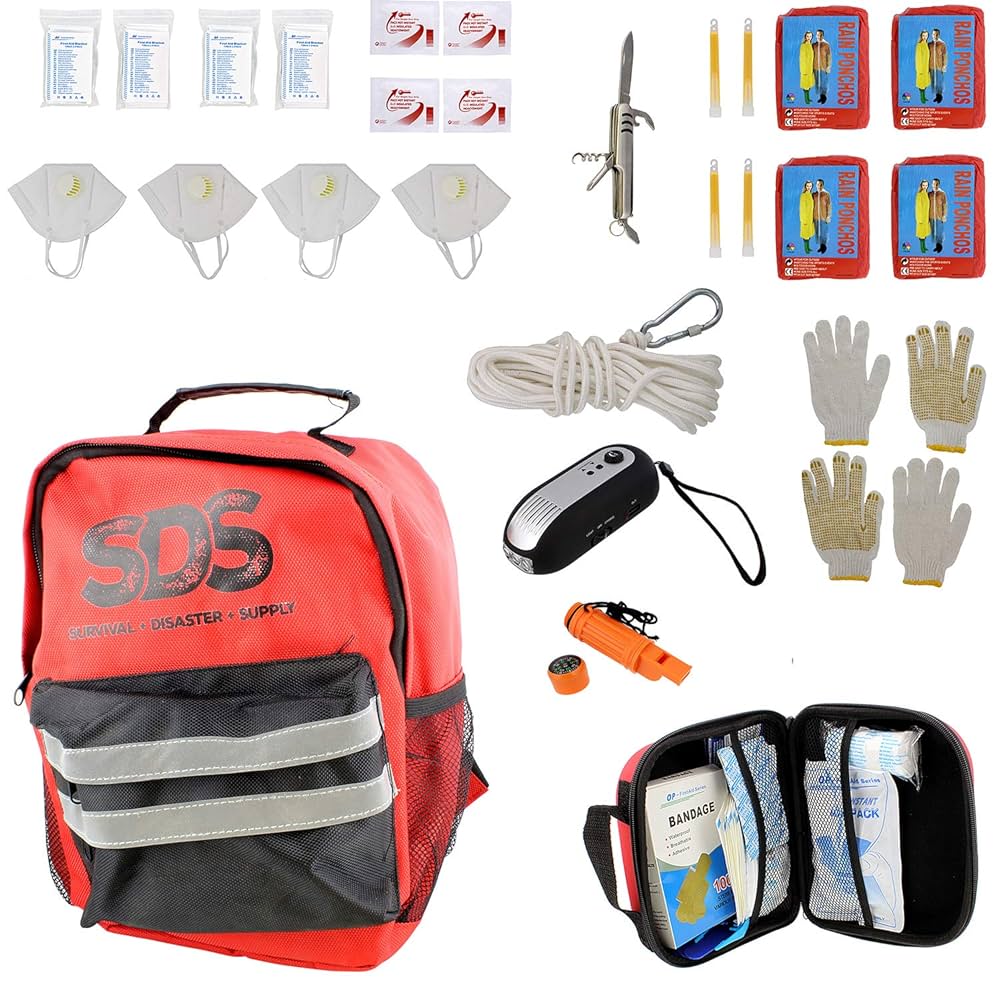
Imagine being deep in the woods, far from help, with only what you carry on your back. What if something unexpected happens?
Your survival kit could be the difference between staying safe and facing real danger. You want to be ready for anything, but where do you start? This guide will show you exactly how to make a survival kit that fits your needs and keeps you prepared.
Keep reading, because your safety and confidence in the wild depend on it.
Choosing The Right Container
Choosing the right container for your survival kit is more important than you might think. It holds everything together and protects your supplies in harsh conditions. Your choice can make a big difference in how quickly you can access what you need and how well your gear stays safe.
Durability And Size
Your container must be tough enough to handle rough treatment. Look for materials like hard plastic or metal that won’t crack or break easily. Size matters too—if it’s too big, it becomes bulky; too small, and you might leave out essentials.
Think about what you want to carry. Do you need space for a first aid kit, fire starters, and a knife? Choosing a container that fits your specific items without wasted space helps keep your kit organized and ready.
Waterproof Options
Waterproof containers keep your gear dry no matter the weather. Moisture can ruin matches, electronics, or even medication. A container with a good seal or gasket can save you from this frustration.
Look for containers labeled as waterproof or water-resistant. Some come with locking lids or silicone seals to prevent water from sneaking in. Would you risk your survival gear getting soaked in a sudden downpour?
Portability Features
You need to carry your survival kit comfortably on long hikes or quick escapes. Containers with handles, clips, or loops let you attach them to your backpack or belt. This keeps your hands free and your kit within easy reach.
Consider the weight of the container too. Lightweight options reduce fatigue without sacrificing protection. Have you ever tried digging through a heavy bag when every second counts? A well-designed container avoids that struggle.

Credit: www.youtube.com
Basic Survival Essentials
Building a survival kit for the woods means packing smart. You want to cover all the basics without overloading your pack. Your kit should help you handle common challenges like finding clean water, staying nourished, and treating injuries.
Water And Purification
Water is your top priority. Carry a sturdy water bottle, but also bring ways to purify water from streams or lakes.
- Portable water filters are compact and effective.
- Water purification tablets are lightweight and easy to use.
- A small metal pot for boiling water can be a lifesaver.
Think about how long you’ll be out. Can you find water easily, or will you need to carry more? Always test your purification method before you head out.
Food Supplies
Choose food that lasts and gives you energy fast. High-calorie snacks like nuts, dried fruits, and energy bars are great.
- Freeze-dried meals are lightweight and easy to prepare.
- Include some salty snacks to help replace lost minerals.
- Pack small, portioned amounts to avoid waste.
Have you tried carrying your favorite snacks on a hike? Knowing what keeps you fueled makes a big difference in the woods.
First Aid Items
Your kit should handle cuts, sprains, and insect bites. Basic supplies like bandages, antiseptic wipes, and tweezers are essential.
- Include pain relievers and allergy medicine if you need them.
- Wrap some gauze and medical tape for bigger wounds.
- Don’t forget sunscreen and insect repellent to prevent problems before they start.
Have you ever had to treat a small injury on the trail? Being prepared means you won’t have to stop your adventure.
Tools For Navigation And Shelter
Tools for navigation and shelter are essential in any survival kit for the woods. They help you find your way and protect yourself from the elements. Choosing the right items can improve safety and comfort during outdoor emergencies.
Compass And Maps
A compass is a simple device that shows direction. It works without batteries and is reliable. Pair a compass with detailed topographic maps of the area. Maps show trails, water sources, and landmarks. Together, they help you navigate through dense forests or unknown terrain.
Keep the compass and maps in a waterproof case. Practice reading them before going into the woods. This skill can save your life if you get lost.
Fire Starters
Fire provides warmth, light, and a way to cook food. Include multiple fire starters in your kit. Examples are waterproof matches, a lighter, and a ferrocerium rod. Each works in different weather conditions.
Store fire starters in a dry, easy-to-reach spot. Practice starting a fire with each tool. Knowing how to use them quickly is important during emergencies.
Emergency Shelter Materials
Emergency shelters protect you from rain, wind, and cold. Pack lightweight and compact materials like a space blanket or tarp. These can reflect heat and keep you dry.
- Paracord or strong rope helps secure shelter materials
- A small tarp can create a simple lean-to or tent
- Space blankets are compact and provide insulation
Learn how to set up quick shelters using natural surroundings. Shelter materials increase your chances of staying safe overnight.
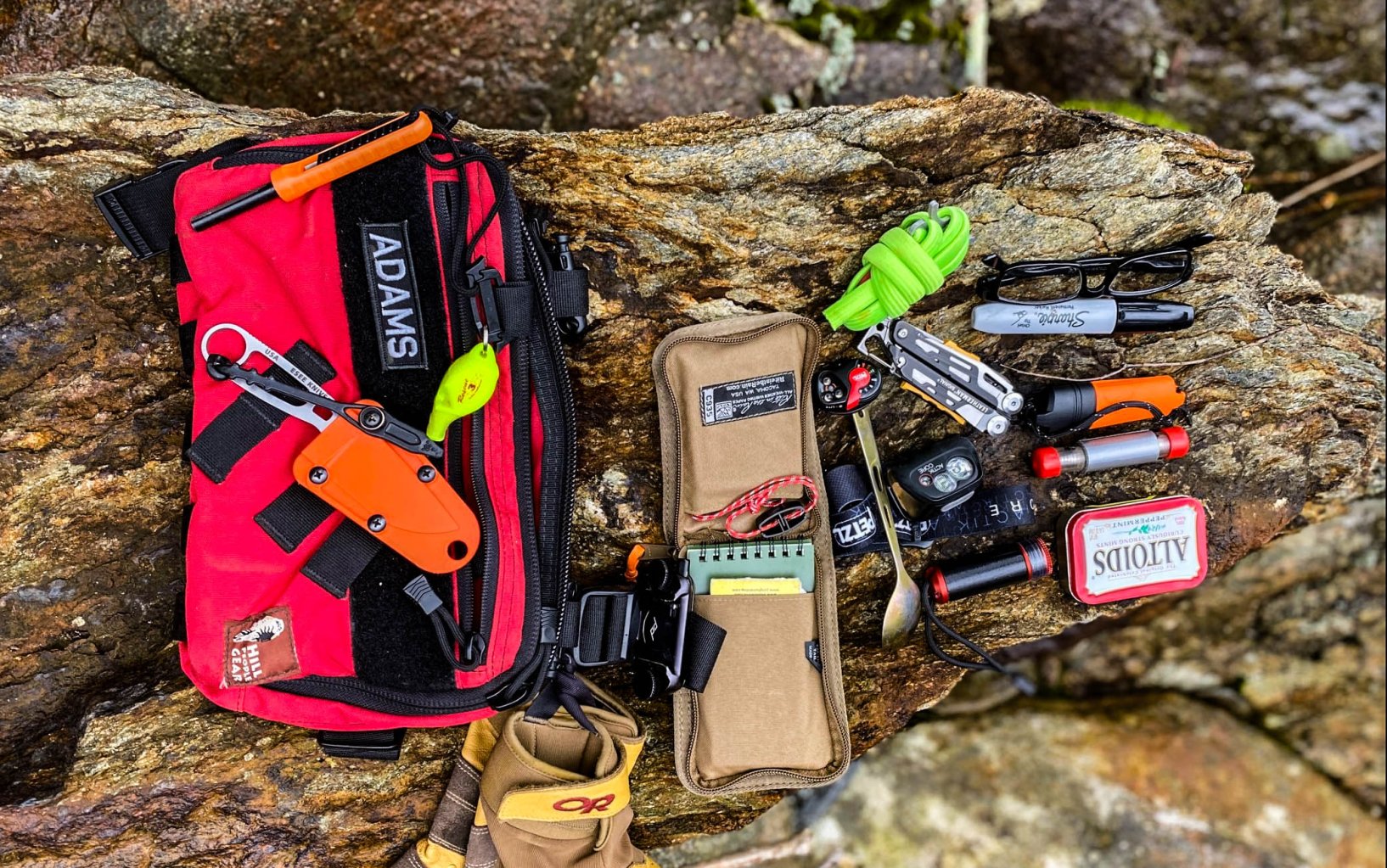
Credit: www.outdoorlife.com
Clothing And Protection Gear
Your clothing and protection gear can make or break your experience in the woods. The right gear keeps you safe, comfortable, and prepared for unexpected changes. Think about how a sudden downpour or an unexpected swarm of insects could affect your survival—your clothes and protection gear are your first line of defense.
Weather-appropriate Clothing
Choosing clothing that matches the weather conditions is crucial. In cold environments, layering is key—you want a moisture-wicking base layer, an insulating middle layer, and a waterproof outer layer to block wind and rain. Avoid cotton; it holds moisture and can make you colder.
For hot weather, lightweight, breathable, and light-colored fabrics work best. Long sleeves and pants protect you from sunburn and scratches but look for materials with ventilation to keep cool. Have you ever felt trapped in heavy clothing on a hot day? That discomfort can drain your energy fast.
Insect Repellent And Sun Protection
Insects carry diseases and cause irritation that can distract or weaken you. Pack a reliable insect repellent, preferably one containing DEET or picaridin, and consider clothing treated with permethrin for extra protection. Don’t forget to check for ticks regularly—they can hide in seams and folds.
Sun protection is just as important. Apply a broad-spectrum sunscreen with at least SPF 30 to exposed skin. A wide-brimmed hat and UV-protective sunglasses reduce the risk of sun damage and keep you comfortable. Have you ever underestimated how much sun exposure can affect your focus and stamina?
Additional Useful Equipment
Building a survival kit for the woods means packing more than just basics. Some extra tools can greatly improve your safety and comfort. These items help with tasks, communication, and visibility. They make your time in the wild easier and safer.
Multi-tools And Knives
Multi-tools combine several functions in one compact device. They often include pliers, screwdrivers, and blades. A sharp knife is essential for cutting wood, preparing food, and making shelter. Choose tools that are durable and easy to carry. Keep them clean and sharp for best use.
Signal Devices
Signal devices help rescuers find you fast. Whistles are loud and require no batteries. Mirrors reflect sunlight to catch attention from far away. Bright colored flags or cloth can mark your location. These simple tools increase your chance of rescue in an emergency.
Lighting Options
Light is vital for night safety and navigation. Small flashlights or headlamps keep your hands free. Choose LED lights for longer battery life. Carry extra batteries or a solar charger. Glow sticks offer a no-fail, safe light source too.

Credit: www.youtube.com
Packing Tips And Maintenance
Packing your survival kit carefully saves time and stress in the woods. Keeping the kit organized helps you find items fast. Regular maintenance ensures everything works when needed. These tips help keep your kit ready for any situation.
Organizing Your Kit
Group similar items together for quick access. Use small bags or containers inside your main kit. Label each section clearly to avoid confusion. Keep essential tools like knives and fire starters near the top. Store food and water supplies in a separate, sealed pouch.
- First aid supplies in one pouch
- Fire-starting tools in another
- Navigation aids like maps and compass together
- Multi-tools and knives in an easy-to-reach spot
Compact packing saves space and reduces weight. Arrange items by priority and usage frequency. Avoid overpacking; focus on essentials only.
Regular Updates And Checks
Inspect your survival kit every few months. Check expiration dates on food, medicine, and batteries. Replace any damaged or missing items immediately. Test gadgets like flashlights and radios to confirm they work.
- Swap out expired snacks and water
- Recharge or replace batteries
- Clean and oil metal tools to prevent rust
- Review your kit list and update as needed
Stay prepared by keeping your kit in good shape. A well-maintained kit improves your chances of staying safe outdoors.
Frequently Asked Questions
What Items Are Essential For A Survival Kit?
A survival kit should include a knife, fire starter, water purifier, and first aid supplies. Don’t forget a compass and a flashlight. These items ensure you can navigate, stay warm, and treat minor injuries. Tailor the kit to your specific needs and environment.
How Can I Purify Water In The Woods?
Use a portable water filter or purification tablets. Boiling water is also effective. Always source water from flowing streams or rivers. Avoid stagnant water as it may contain harmful bacteria. Ensuring safe drinking water is crucial for your health in the wild.
Why Is A Fire Starter Important?
A fire starter is crucial for warmth, cooking, and signaling for help. Matches can get wet, so waterproof options are better. Fire provides comfort and safety in the wilderness. Always pack a reliable fire starter in your survival kit to ensure you can make a fire anytime.
How Should I Pack My Survival Kit?
Organize items in waterproof bags or containers. Prioritize accessibility for critical items like first aid or fire starters. Keep heavier items at the bottom and balance the weight evenly. This ensures ease of carrying and quick access to essentials when needed.
Conclusion
A good survival kit can keep you safe in the woods. Pack only what you really need. Check your kit before every trip. Practice using the tools inside. Stay calm and think clearly in emergencies. Being prepared helps you enjoy nature more.
Your safety depends on smart choices. Take time to build your kit right. Ready for your next adventure?