Have you ever wondered what it takes for a kit fox to thrive in the wild? These small, clever animals might seem simple, but they need specific things to survive and stay healthy.
If you want to understand how kit foxes live, what they eat, and where they find safety, this article is for you. Keep reading to discover the secrets behind their survival and why every detail matters. Your curiosity will be rewarded with insights that bring you closer to the fascinating world of kit foxes.
Kit Fox Habitat Needs
Kit foxes need specific habitat features to live and thrive. Their survival depends on the right environment that offers food, shelter, and safety. Understanding their habitat needs helps protect these small, agile animals.
Preferred Terrain Types
Kit foxes prefer open, flat areas with sparse vegetation. They often live in deserts, grasslands, and scrublands. These terrains allow easy movement and good hunting opportunities. Soft soil is important for digging dens.
Climate Conditions
Kit foxes thrive in dry, warm climates. They tolerate hot days and cool nights well. Rainfall is usually low in their habitats. They avoid areas with heavy snow or extreme cold temperatures.
Shelter Requirements
Safe dens are vital for kit fox survival. They use burrows made by themselves or other animals. Dens protect them from predators and harsh weather. Multiple entrances help quick escape during danger.
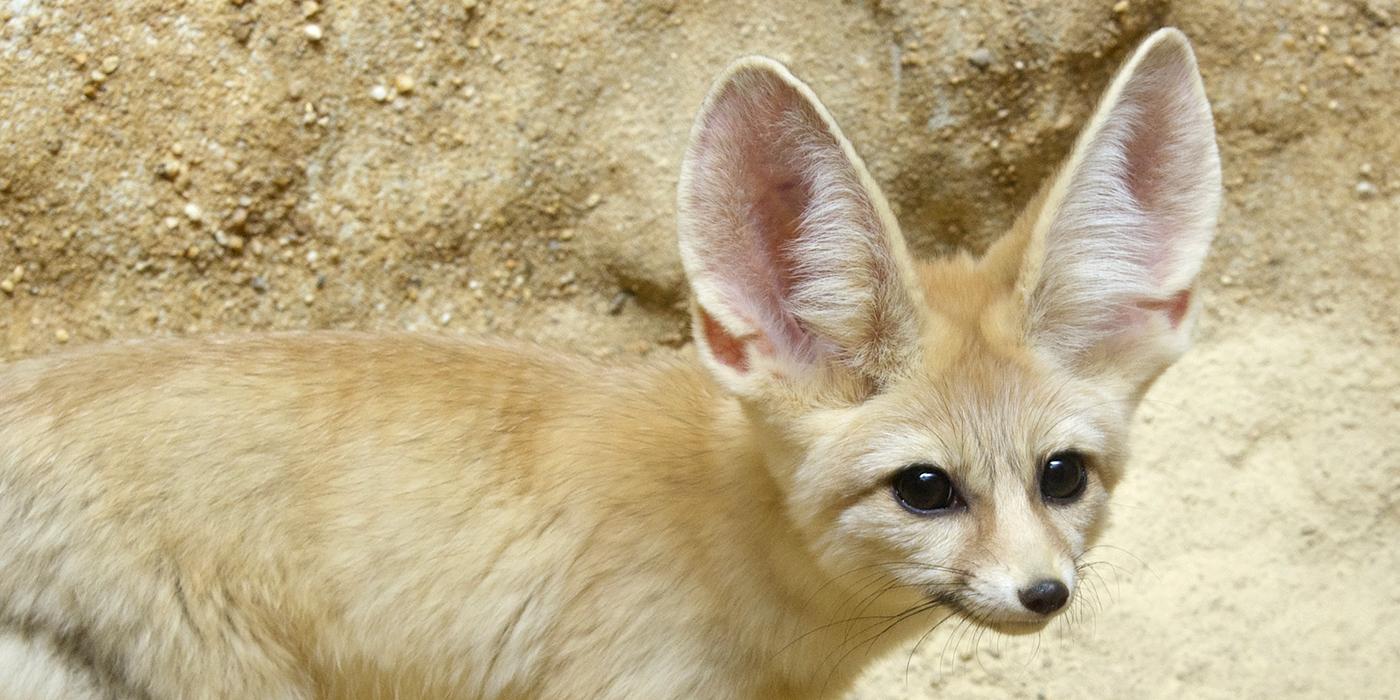
Credit: nationalzoo.si.edu
Diet And Nutrition
Kit foxes rely on a balanced diet to stay healthy and active. Their nutrition supports energy, growth, and survival in harsh environments. Understanding their dietary needs helps in providing proper care and habitat management.
Natural Food Sources
Kit foxes eat mostly small animals and insects found in the wild. Their diet includes:
- Rodents like mice and ground squirrels
- Rabbits and hares
- Birds and eggs
- Insects such as beetles and grasshoppers
- Occasional fruits and plants
This variety gives them essential nutrients and energy to survive.
Feeding Habits
Kit foxes hunt mostly at night or during dusk and dawn. They use their keen sense of hearing to find prey underground. Their small size allows them to chase and catch quick animals. They often store food in burrows for later use. Eating small meals throughout the night keeps their energy steady.
Supplements For Captivity
In captivity, kit foxes need extra nutrients to mimic their natural diet. Supplements include:
- High-quality protein sources like lean meats
- Vitamin and mineral supplements
- Insect-based treats for variety
- Fresh water at all times
Proper supplements prevent deficiencies and promote good health in captive kit foxes.
Water And Hydration
Water is vital for kit foxes to live and stay healthy. It helps their bodies work well. They get water from different places in the wild. Staying hydrated keeps them active and strong.
Water Sources In The Wild
Kit foxes find water in small streams and ponds. They also get moisture from plants and fruits. Morning dew on leaves can be a water source. Sometimes, they lick moisture from the ground.
- Small creeks or rivers
- Rain-filled puddles
- Succulent plants and fruits
- Dew on grass and leaves
These sources help kit foxes survive in dry areas. They use their keen sense to locate water spots.
Hydration Tips For Care
Provide fresh water daily for kit foxes in care. Use shallow bowls to avoid spills. Change water regularly to keep it clean. Monitor water intake to ensure proper hydration.
- Offer clean, fresh water every day
- Use wide, shallow water dishes
- Refill water to avoid dryness
- Check if the fox drinks enough
Proper hydration supports digestion and overall health. It is essential to prevent dehydration in captive kit foxes.
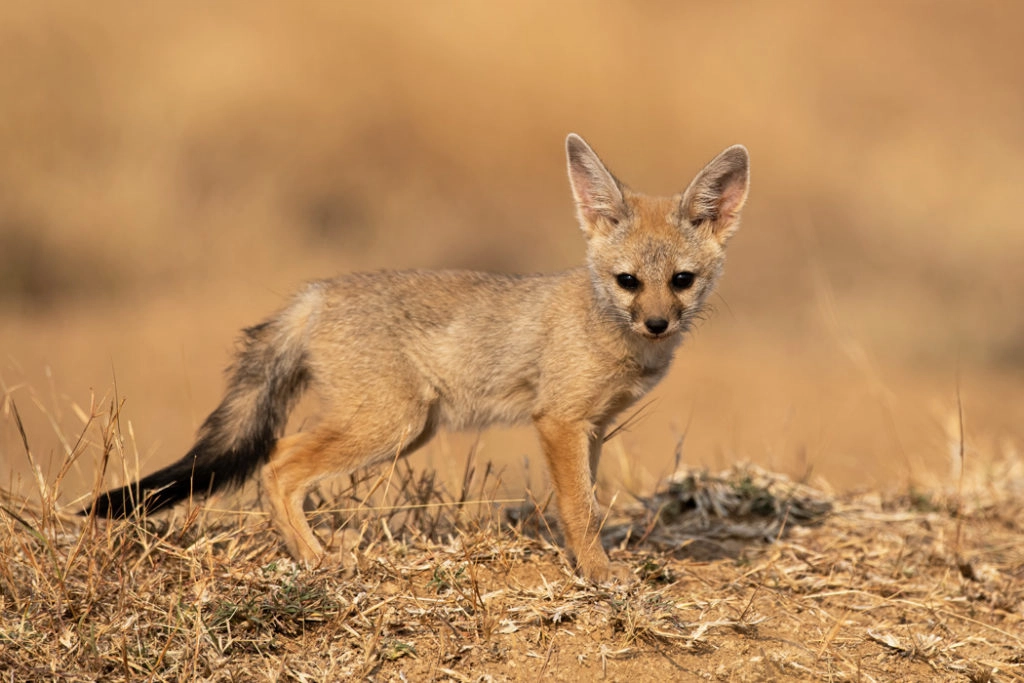
Credit: www.thewildlifediaries.com
Health And Safety
Keeping kit foxes healthy and safe is crucial for their survival. Their environment and care impact their well-being daily. Understanding common health challenges helps protect these small foxes from harm. Proper care prevents illness and injuries. Safe handling reduces stress and risk for both foxes and humans. This section covers essential health and safety tips for kit foxes.
Common Health Issues
Kit foxes often face parasites like fleas and ticks. These pests cause irritation and disease. Respiratory infections are common, especially in cold weather. They can suffer from mange, a skin disease caused by mites. Injuries from fights or accidents also occur. Poor diet leads to malnutrition and weak immune systems. Early detection of symptoms improves recovery chances.
Preventive Care
- Regular check-ups by a wildlife vet are vital.
- Use safe treatments to control fleas and ticks.
- Provide a balanced diet rich in protein and nutrients.
- Keep their living area clean and dry to avoid infections.
- Vaccinate against common diseases where possible.
- Observe behavior daily to spot health changes early.
Safe Handling Practices
Always approach kit foxes calmly and quietly. Sudden moves can scare them. Use gloves to protect from bites and scratches. Avoid handling unless necessary for medical care. Support their body fully to prevent injury. Limit handling time to reduce stress. After handling, wash hands thoroughly to prevent disease spread.
Behavioral Needs
Understanding the behavioral needs of kit foxes is essential for ensuring their survival in the wild or captivity. Their behavior reflects how they interact with their environment, find food, and communicate with others. Paying attention to these needs helps you create a space that supports their natural instincts and overall well-being.
Social Structure
Kit foxes are mostly solitary animals but do form small family groups, usually consisting of a mated pair and their offspring. They rely on scent marking to establish territories and communicate with neighbors.
Recognizing this social setup is vital. Providing enough space to respect their territorial nature can reduce stress and aggression. Have you noticed how animals in cramped spaces often behave anxiously? Kit foxes are no different.
Activity Patterns
These foxes are primarily nocturnal, becoming most active during the night and early morning hours. Their hunting and social activities align with cooler temperatures and less human disturbance.
Matching their active hours can improve your chances of observing natural behaviors. Try adjusting your schedule or environment to support their night-time activity. Could offering more stimulation during these hours make a difference in their health?
Enrichment Ideas
- Hide and Seek:Scatter food or treats in various hiding spots to encourage natural foraging.
- Burrow Creation:Provide materials for digging to mimic their denning behavior.
- Interactive Toys:Use puzzle feeders that challenge their problem-solving skills.
- Varied Scents:Introduce different natural scents to stimulate their sense of smell.
These enrichment activities keep kit foxes mentally and physically engaged. What simple changes can you make today to enhance their environment?
Breeding And Reproduction
Breeding and reproduction are vital for the survival of kit foxes. These small animals have specific needs during this period. Understanding their breeding habits helps in protecting their populations. Careful attention to their reproductive cycle supports healthier families in the wild.
Breeding Season
Kit foxes usually breed once a year. The season starts in late winter and lasts into early spring. Mating pairs form strong bonds during this time. Females come into heat for a few days only. Males compete to find a mate and defend their territory.
Raising Pups
Female kit foxes give birth to 2-6 pups after about 50 days. Pups stay in dens hidden from predators. Parents share duties feeding and protecting their young. Pups open their eyes after two weeks and start exploring soon. They learn to hunt from their parents by three months.
Habitat Adjustments For Families
Kit fox families need safe, quiet dens for raising pups. They often use underground burrows or abandoned tunnels. These dens protect pups from heat and predators. Adults may dig new tunnels or expand existing ones. Families move less and stay close to the den during the pup stage.
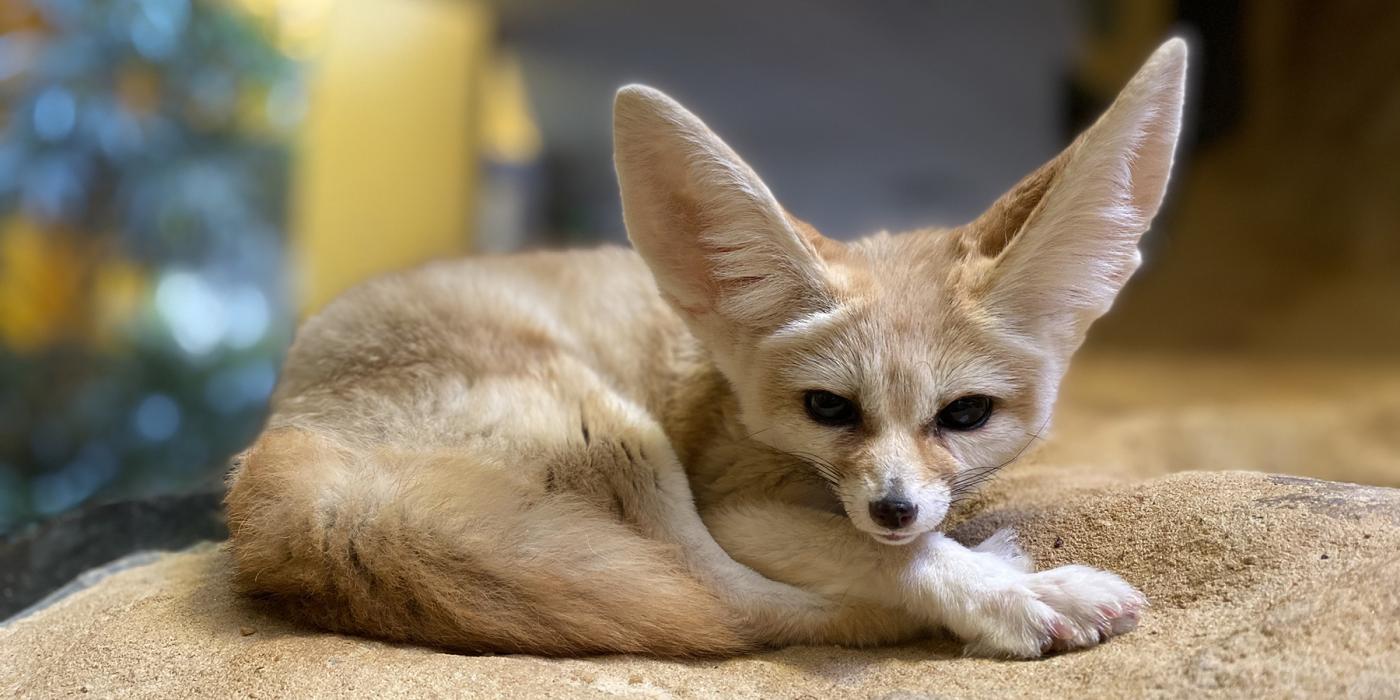
Credit: nationalzoo.si.edu
Frequently Asked Questions
What Do Kit Foxes Eat In The Wild?
Kit foxes primarily feed on small mammals like rodents and rabbits. They also consume insects, birds, and fruits. Their diet adapts based on availability, making them opportunistic feeders. This adaptability helps them survive in harsh desert environments where food can be scarce.
How Do Kit Foxes Find Water?
Kit foxes obtain most of their water from their food, especially from prey with high moisture content. They can survive long periods without direct water sources. In arid habitats, they rely on metabolic water produced during digestion to stay hydrated.
Where Do Kit Foxes Live?
Kit foxes inhabit arid and semi-arid regions, primarily in North America. They prefer desert scrub, grasslands, and open areas with sparse vegetation. Their dens, often burrows, offer protection from predators and extreme temperatures, crucial for their survival in harsh environments.
How Do Kit Foxes Protect Themselves?
Kit foxes use their agility and speed to evade predators. They are nocturnal, helping them avoid daytime threats. Their sandy-colored fur provides camouflage in desert landscapes. Additionally, they rely on their keen senses to detect danger early and retreat to their underground dens.
Conclusion
Kit foxes need safe homes, steady food, and clean water. They live best in dry, open areas with some cover. Staying away from humans and predators helps them survive. Protecting their natural habitat is very important. Small actions can help keep kit foxes safe.
They play a key role in their ecosystem. Respecting wildlife lets these foxes thrive and grow. Their survival depends on balance and care. Understanding their needs brings us closer to nature.