Teaching can be tough, and sometimes you need a little extra help to get through the day. That’s where your own teacher survival kit comes in.
Imagine having everything you need right at your fingertips—snacks for energy, tools to stay organized, and little comforts to keep you calm. In this post, you’ll discover exactly how to create a personalized survival kit that makes your school days smoother and more manageable.
Ready to feel more prepared and less stressed? Let’s get started!
Choosing The Right Container
Choosing the right container for your teacher survival kit is more important than you might think. It’s not just about holding the items—it’s about making your kit easy to carry, organize, and access quickly during those hectic school days.
Think about your daily routine. Do you move between classrooms? Do you have limited desk space? The container you pick should fit seamlessly into your day without adding extra hassle.
Size And Portability Matter
A container that’s too big can be bulky and hard to carry, while one that’s too small might not hold everything you need. Look for something lightweight and compact but roomy enough for essentials like pens, snacks, and first aid supplies.
Consider a small tote bag, a sturdy pencil case, or even a lunchbox. I once used a colorful makeup bag that fit perfectly in my backpack and kept everything organized.
Durability And Material
You want a container that can handle being tossed in a bag or dropped on the floor without breaking. Plastic containers are durable and easy to clean, but fabric bags with strong zippers can offer flexibility and style.
Water resistance is a bonus—spills happen, and protecting your kit is crucial. Have you ever lost important items to a leaky water bottle? A waterproof container prevents that frustration.
Organization Features
Pockets, compartments, and dividers can make a big difference. They help you keep items separated and easy to find without digging through a jumble of supplies.
Look for containers with mesh pockets or elastic loops to hold small items securely. This saves time during a busy day when you need to grab something fast.
Personal Style And Motivation
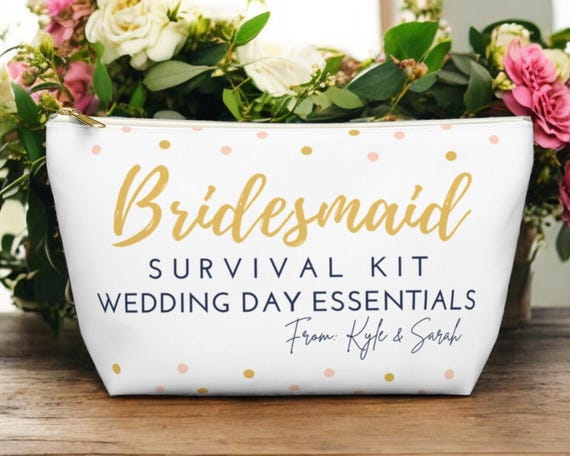
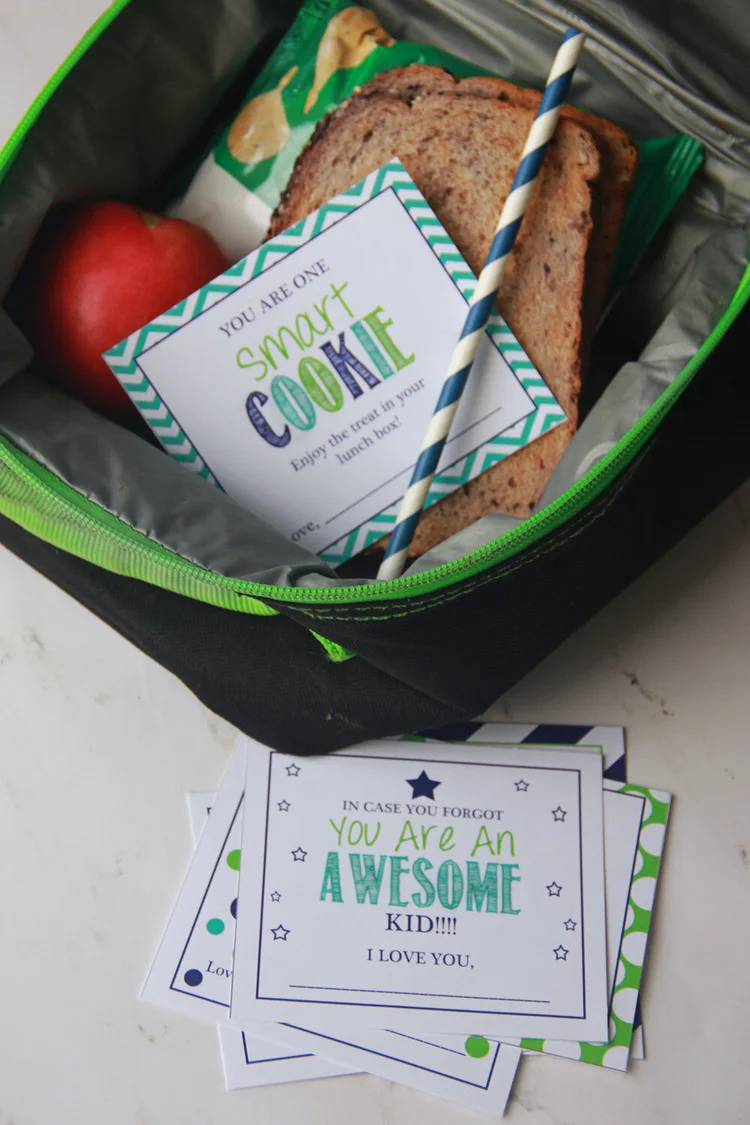
Your survival kit should feel like it’s yours. Choosing a container with colors or patterns you like can make you more likely to use it every day.
A friend of mine decorated her kit with stickers and motivational quotes. It became more than just a box—it was a mini boost of positivity during tough days.
Credit: ethreedesignstudio.com
Must-have Supplies
Creating a teacher survival kit means having the right supplies ready to handle daily classroom challenges. These must-have items keep you organized, healthy, and energized throughout the busy school day. Think about what you reach for most often and what small comforts help you stay focused and calm.
Stationery Essentials
Your survival kit should include reliable stationery that never lets you down. Stock up on:
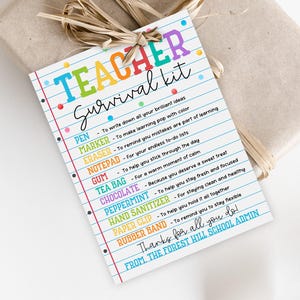
- Pens and pencils:Always carry extra, including a variety of colors for grading and organizing notes.
- Highlighters:Use them to mark important student work or lesson plans quickly.
- Sticky notes:Perfect for reminders or quick messages to students and colleagues.
- Paper clips and binder clips:Keep papers tidy and avoid that frantic search for loose handouts.
- Correction tape or fluid:A must for quick fixes without mess.
Having these tools at your fingertips saves time and reduces stress. What stationery item do you find yourself reaching for most often?
Health And Wellness Items
Staying healthy in a hectic classroom is essential. Your kit should include items that support your well-being throughout the day.
- Hand sanitizer:Quick and easy to use after handling shared materials or before lunch.
- Lip balm and hand cream:Dry skin can be a distraction; keeping these handy helps you stay comfortable.
- Band-aids:Minor cuts or scrapes happen—being prepared shows professionalism and care.
- Essential pain relievers:A small pack of ibuprofen or acetaminophen can save your day when a headache strikes.
Have you ever been caught off guard by a minor health issue during class? Being prepared makes all the difference.
Snacks And Drinks
Energy dips happen, especially during long school days. Keep your energy steady with smart snacks and drinks in your kit.
- Granola bars or nuts:These provide quick, lasting energy without the sugar crash.
- Dried fruit:A natural and tasty way to boost your blood sugar.
- Reusable water bottle:Staying hydrated keeps your mind sharp and your mood steady.
- Tea bags or instant coffee packets:When you need a warm pick-me-up, these are a comforting choice.
What snack keeps you going through your busiest teaching moments? Having it on hand can change how you feel during those tough afternoons.
Personal Comfort Additions
Creating a Teacher Survival Kit means thinking about comfort. Long days and constant tasks can drain energy and patience. Adding personal comfort items helps teachers feel calm and refreshed. These small comforts make a big difference during busy school days.
Stress Relief Tools
Stress relief tools help reduce tension and clear the mind. Simple items can provide quick relaxation in stressful moments.
- Stress balls or fidget spinners for hand exercises
- Aromatherapy rollers with calming scents like lavender
- Mini massagers for neck or shoulder relief
- Breathing exercise cards to promote mindfulness
- Soothing eye masks for quick breaks
Comfort Accessories
Comfort accessories improve physical ease and create a cozy workspace.
- Soft hand cream to soothe dry skin
- Warm socks or slippers for chilly classrooms
- Comfortable seat cushions to support posture
- Reusable water bottles to stay hydrated
- Healthy snacks for steady energy
Credit: www.etsy.com
Organizing Your Kit
Organizing your teacher survival kit well can save you valuable time and reduce stress throughout your busy day. When everything has its place, you can grab what you need quickly and keep your focus on teaching. Think about how you use your kit daily, and arrange it to match your habits and classroom flow.
Packing Tips
Start by grouping similar items together to avoid digging through your kit. Use small pouches or zip-lock bags to separate things like writing tools, first aid supplies, and snacks. This way, you can open just one section instead of spilling everything out.
Keep frequently used items on top or in easy-to-reach pockets. For example, having extra pens and sticky notes within quick access can save you moments during class interruptions. Don’t overload your kit; only pack what you truly need to prevent it from becoming bulky.
Storage Solutions
Choose a sturdy, lightweight container that fits your style and needs. A backpack with multiple compartments works well if you carry your kit around the school. Alternatively, a clear plastic bin on your desk lets you see everything at a glance.
Consider adding labels to each section or pouch for faster identification. This small step helped me avoid wasting time looking for band-aids or paper clips during hectic days. How could labeling your kit improve your daily routine?
Customizing For Different Teaching Styles
Customizing a teacher survival kit means tailoring it to fit unique teaching styles. Each group of teachers faces different challenges and needs. A well-built kit can support daily tasks and reduce stress. Understanding specific demands helps create a practical and useful kit.
For Elementary Teachers
Elementary teachers manage younger students who need constant attention. Their survival kit should include items for classroom management and creativity.
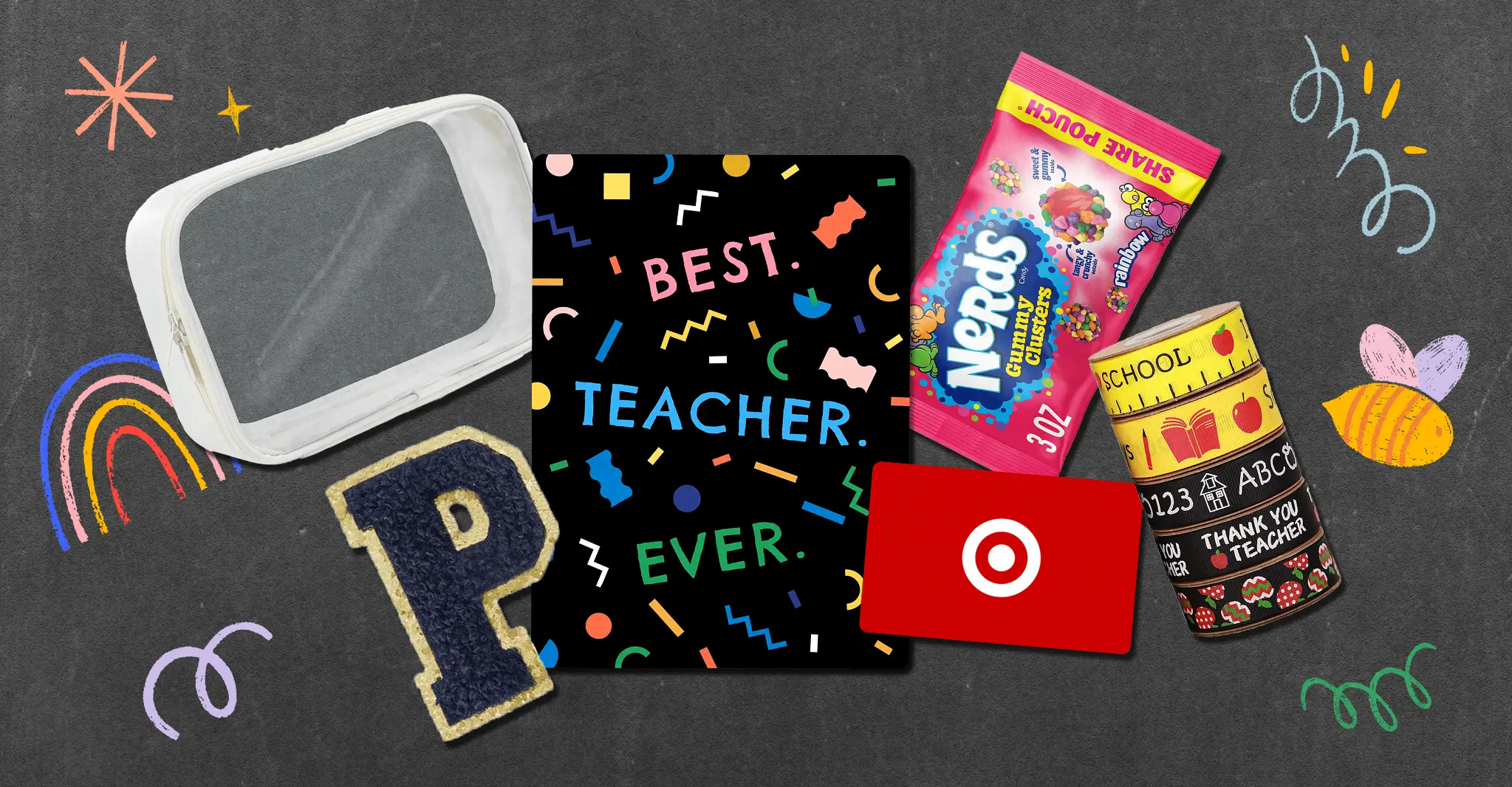
- Colorful stickers and stamps for rewards
- Small toys or fidget tools to keep kids focused
- Extra pencils, crayons, and markers
- Hand sanitizer and wipes for quick cleanups
- Simple first aid supplies
- Visual schedule cards or charts
These tools help keep young learners engaged and organized.
For High School Teachers
High school teachers work with older students who seek independence. Their survival kit focuses on organization and motivation.
- Planner or organizer for lesson tracking
- Dry erase markers and erasers for quick notes
- Motivational quotes or small rewards
- USB drive for digital resources
- Noise-canceling earplugs for focus during prep
- Snacks and water to maintain energy
These items support lesson planning and maintain energy levels.
For Special Education
Special education teachers need tools for flexibility and sensitivity. Their kits must address diverse student needs and behaviors.
- Visual aids and communication cards
- Stress-relief items like stress balls or weighted lap pads
- Adaptive writing tools
- Calm-down kits or sensory toys
- Extra tissues and wipes
- Emergency contact information cards
These resources help create a supportive and calm environment.
Credit: www.etsy.com
Maintaining And Restocking
Keeping your teacher survival kit ready means staying on top of what you have and what you need. A well-maintained kit saves you from last-minute scrambles and helps you stay focused on teaching. Regularly checking and restocking your supplies ensures you always have the essentials within reach.
Checking Your Supplies Regularly
Set a routine to review your kit weekly or monthly. Look for items that are running low or expired. Paying attention to small details, like dried-out markers or missing sticky notes, makes a big difference during busy days.
Ask yourself: Are there any supplies you didn’t use this month? Removing unused items can free up space for more useful tools. Staying organized helps you avoid clutter and confusion.
Creating A Restock List
Keep a simple list of essentials to buy when supplies run low. Include items like pens, highlighters, band-aids, and snacks. Having this list on your phone or planner means you’ll never forget what to pick up during your next store visit.
Try categorizing your list by urgency or frequency of use. For example, you might need glue sticks monthly but only refill tissues quarterly. This way, you prioritize what truly matters.
Using Storage Solutions To Organize Your Kit
Invest in small containers, zip bags, or a portable caddy to keep everything tidy. When you know exactly where each item lives, restocking becomes easier and faster. Plus, a neat kit reduces stress and improves your efficiency.
Think about your daily routine and choose storage that fits your style. Do you prefer a compact box or a hanging organizer? Your storage choice can impact how often you check and refill your kit.
Frequently Asked Questions
What Items Are Essential In A Teacher Survival Kit?
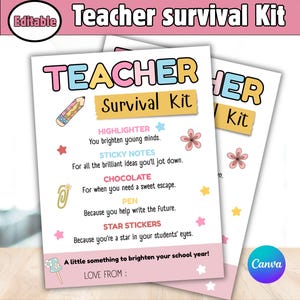
A teacher survival kit should include essentials like pens, sticky notes, snacks, hand sanitizer, and stress-relief items. Including a reusable water bottle and a small first-aid kit can also be beneficial. Tailor it to personal needs to ensure a more comfortable and organized day.
How Do You Personalize A Teacher Survival Kit?
Personalize a teacher survival kit by adding favorite snacks, motivational quotes, or specific tools like planners. Consider including hobby-related items or personal care products. Tailoring the kit to individual preferences makes it more effective and enjoyable.
Why Is A Teacher Survival Kit Important?
A teacher survival kit is important because it helps manage stress and stay organized. It ensures essential items are readily available, saving time and enhancing productivity. Having a personalized kit also boosts morale and prepares teachers for unexpected situations.
How Can A Survival Kit Improve Classroom Efficiency?
A survival kit improves classroom efficiency by keeping essential tools within reach. It minimizes interruptions and helps maintain focus during lessons. Having everything organized and accessible reduces stress and enhances the overall teaching experience.
Conclusion
Creating your own teacher survival kit saves time and reduces stress. Keep essential items handy to stay prepared every day. Small tools and snacks can boost your energy and focus. Personalize the kit to fit your unique teaching style. This simple step helps you feel more confident and ready.
Start gathering your favorite supplies now. Teaching becomes easier with a well-packed survival kit. You’ll appreciate the comfort and support it brings. A little preparation goes a long way in the classroom.