When an emergency strikes, having the right survival first aid kit can make all the difference between staying safe and facing serious trouble. You might think any kit will do, but the best survival first aid kit is designed to protect you in real, tough situations.
Imagine being prepared to handle cuts, burns, or even more serious injuries without panic. You’ll discover exactly what to look for and why certain items are must-haves for your kit. Keep reading to find out how you can be ready for anything life throws your way.

Credit: www.amazon.com
Essentials In A Survival First Aid Kit
A survival first aid kit must have the right items to handle injuries and emergencies. It should cover basic wounds, pain relief, and tools to help treat problems quickly. Each item plays a role in keeping you safe and stable until help arrives.
Choosing the essentials ensures you are ready for common accidents and unexpected situations. The kit should be compact but complete, including supplies for various types of injuries and conditions. Knowing what to pack helps you stay prepared and confident.
Basic Medical Supplies
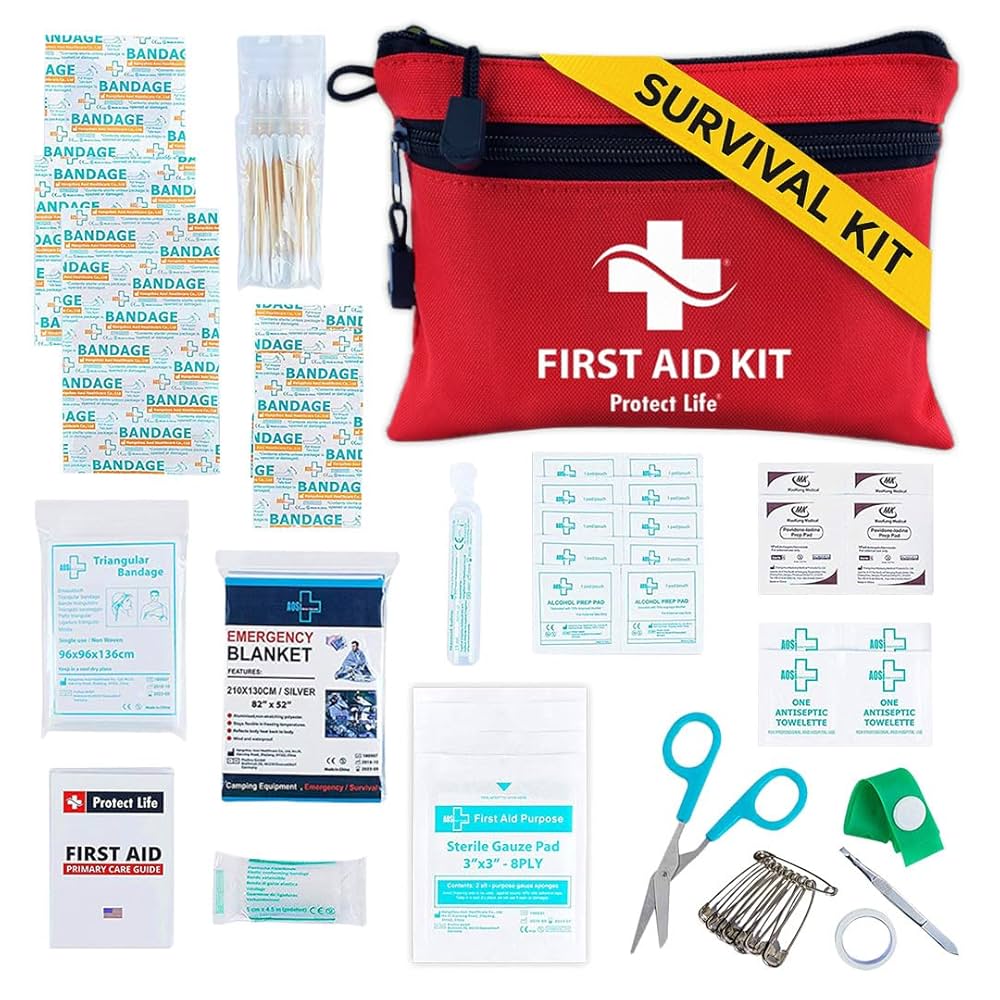
- Adhesive bandages in different sizes
- Sterile gauze pads and rolls
- Medical tape to secure dressings
- Antiseptic wipes for cleaning wounds
- Elastic bandages for sprains
- Disposable gloves to keep hands clean
- Scissors and tweezers for cutting and removing debris
Tools And Equipment
- Thermometer to check body temperature
- CPR face shield for safe resuscitation
- Instant cold packs to reduce swelling
- Flashlight with extra batteries
- Emergency whistle to signal for help
- Safety pins for securing bandages
Medications And Ointments
- Pain relievers like ibuprofen or acetaminophen
- Antihistamines for allergic reactions
- Antibiotic ointment to prevent infection
- Hydrocortisone cream for itching and rashes
- Oral rehydration salts to prevent dehydration
Specialty Items For Emergencies
- Burn cream or gel for minor burns
- Snake bite kit for areas with venomous snakes
- Splint materials to immobilize broken bones
- Emergency blanket to keep warm
- Tourniquet for severe bleeding control
- Allergy auto-injector if prescribed
Types Of Survival First Aid Kits
Choosing the right survival first aid kit depends largely on where you plan to use it and what emergencies you expect to face. Kits vary in size, contents, and purpose, so understanding the different types can help you pick one that truly fits your needs. Let’s look at the main categories to consider before making your choice.
Compact Kits For Everyday Carry
These kits are small and lightweight, designed to fit in your pocket, backpack, or glove compartment. They include basics like bandages, antiseptic wipes, and pain relievers—perfect for minor cuts, scrapes, or headaches.
Imagine having a kit this size during a quick hike or a daily commute. It’s convenient and ensures you’re never caught off guard by small injuries. Could you handle a minor emergency without one?
Comprehensive Kits For Extended Trips
If your adventures last several days or take you far from help, a comprehensive kit is essential. These kits contain a wide range of supplies such as splints, burn treatments, and advanced wound care items.
They prepare you for more serious situations where professional help might be hours away. Have you considered what you’d do if you had to manage a broken bone or severe burn in the wild?
Vehicle And Home Kits
Vehicle and home kits are generally larger and designed to address common emergencies in those settings. They include tools like emergency blankets, scissors, and CPR masks.
Keeping one in your car or house ensures you’re ready for accidents or sudden health issues at home or on the road. What’s stopping you from having a reliable kit within arm’s reach in your daily environment?
Customizable Kits
Some people prefer kits they can build themselves, tailoring contents to their specific health needs or activity types. You might add allergy medications, extra gloves, or specialized tools based on personal experience.
Custom kits let you prioritize what matters most, avoiding unnecessary bulk while ensuring critical items are included. What unique supplies would you add to your ideal first aid kit?
Factors To Consider When Choosing A Kit
Choosing the best survival first aid kit requires more than just picking the most stocked option on the shelf. You need to think about how the kit fits your specific needs and environment. The right kit can make a real difference when every second counts.
Size And Portability
Your kit should be easy to carry wherever you go. A bulky kit might have everything, but it won’t help if you can’t bring it along on hikes or emergency evacuations. Consider compact kits that fit into backpacks or glove compartments without weighing you down.
Have you ever struggled to carry a heavy bag during an emergency? Choosing a lightweight and portable kit ensures you can keep it close at all times without hassle.
Durability And Waterproofing
Survival situations often happen outdoors, where your kit faces rough conditions. A durable case that resists drops, dust, and water will protect your supplies. Waterproofing is especially important if you expect rain, floods, or high humidity.
Think about the environments you’ll be in. Would your kit survive a sudden downpour or a fall on rocky terrain? Investing in sturdy, sealed packaging can save your supplies from damage.
Content Quality And Expiry
Not all first aid kits are created equal in terms of what they contain. Check for high-quality items like sterile bandages, reliable antiseptics, and durable tools. Also, pay attention to expiry dates—expired medications and supplies won’t help in a real emergency.
Have you ever opened a kit only to find dried-out ointments or unusable gauze? Regularly updating or refreshing your kit’s contents keeps you prepared for any situation.
Budget And Value
Cost is an important factor, but don’t sacrifice quality for a lower price. A cheap kit might save money upfront but could leave you stranded when you need it most. Look for kits that offer a good balance between price and comprehensive, reliable contents.
Ask yourself: Is this kit truly worth the price based on what it offers? Sometimes spending a little more ensures peace of mind and safety when it really counts.

Credit: www.amazon.com
Top Survival First Aid Kits For 2025
Choosing the right survival first aid kit can make a huge difference when emergencies strike. The best kits combine essential medical supplies with durability and ease of use, so you’re always prepared. Here’s a look at the top survival first aid kits for 2025, tailored for different needs and budgets.
Best Overall Kit
The AdventureMed Pro First Aid Kitstands out as the best overall choice. It includes over 150 high-quality medical items, covering everything from basic cuts to more serious injuries. What sets it apart is its rugged, waterproof case that fits perfectly in backpacks or glove compartments.
Its compact design makes it easy to carry without sacrificing essential supplies. You won’t find many kits that balance size, content, and durability this well. Have you ever struggled to find what you needed in a cluttered first aid kit during an emergency? This kit solves that problem with clear organization.
Best Budget-friendly Option
If you want reliable essentials without breaking the bank, the SafeGuard Basic First Aid Kitis your best bet. It includes 75 carefully selected items like bandages, antiseptic wipes, and tweezers—perfect for everyday mishaps. Despite being budget-friendly, it comes in a sturdy, zippered pouch that keeps everything secure.
This kit is ideal if you’re new to first aid or need a secondary kit for your car or office. It reminds you that you don’t need to spend a fortune to be prepared. How often do you think about having a first aid kit ready at home or work?
Best For Outdoor Adventures
The TrailGuard Outdoor Survival Kitis designed specifically for hikers, campers, and hunters. Its waterproof, shockproof case protects supplies even in harsh weather. It includes unique items like a snake bite kit and thermal blanket, which are vital in wilderness emergencies.
The kit also has a compact design that fits easily into a backpack or belt pouch. When you’re miles from help, having the right tools can save your life. Would you feel confident treating an injury deep in the woods with your current first aid supplies?
Best For Urban Emergencies
The CitySafe Compact First Aid Kittargets emergencies in urban settings. It’s small enough to carry daily but packed with essentials like CPR masks, burn dressings, and quick clotting agents. This kit is perfect for commuters, students, or anyone spending most of their time in the city.
Its slim profile fits easily in a purse or backpack without adding bulk. Urban emergencies often happen suddenly—having this kit can give you peace of mind. Have you ever thought about the specific first aid needs unique to a city environment?
How To Maintain And Update Your Kit
Maintaining and updating your survival first aid kit is vital for safety. A well-kept kit ensures you have the right tools during emergencies. Regular checks help spot missing or damaged items fast. Updating the kit keeps medicines fresh and effective. Personal needs may change, requiring new additions. Proper storage protects contents from damage and moisture.
Regular Inventory Checks
Check your first aid kit every three months. Take everything out and inspect each item. Look for broken packaging or dirt. Confirm all supplies are complete and in good condition. Use a checklist to track what you have. Replace anything missing or damaged right away.
Replacing Expired Items
Medicines and sterile supplies expire over time. Expired items lose strength and may not work well. Check expiration dates during your inventory. Remove and replace expired bandages, ointments, and medications. Keep a record of expiry dates for easy tracking.
Adding Personal Medications
Add any personal medicines you need regularly. Include prescription pills, allergy treatments, or special ointments. Label these clearly and keep extra doses. Update the kit when prescriptions change. Personal additions make your kit more useful.
Storage Tips
- Keep the kit in a cool, dry place.
- Use waterproof containers to protect supplies.
- Store the kit where everyone can find it quickly.
- Avoid places with extreme heat or sunlight.
- Check the storage area for pests or damage often.
Basic First Aid Skills To Complement Your Kit
Having a survival first aid kit is essential for emergencies. Knowing basic first aid skills boosts your confidence and effectiveness. These skills help you use your kit wisely and save lives. Simple actions can prevent infections and reduce injury severity. Understanding key techniques prepares you for unexpected situations.
Wound Care And Bandaging
Clean wounds carefully to stop infection. Use clean water or antiseptic wipes from your kit. Apply pressure with a sterile cloth to stop bleeding. Cover wounds with a sterile bandage to protect them. Change bandages regularly to keep wounds clean. Learn how to tie bandages securely but not too tight. Proper wound care speeds healing and prevents complications.
Cpr Basics
CPR can save someone who stops breathing or has no pulse. Check for responsiveness and breathing before starting. Place your hands in the center of the chest. Push hard and fast at a rate of 100 to 120 compressions per minute. Allow the chest to rise fully between compressions. Continue CPR until help arrives or the person wakes up. Knowing CPR increases survival chances in emergencies.
Managing Shock And Hypothermia
Shock happens when the body does not get enough blood flow. Signs include pale skin, rapid breathing, and weakness. Lay the person down and raise their legs. Keep them warm using blankets or clothing. Hypothermia occurs when body temperature drops below normal. Move the person to a warm place. Use dry clothes and cover the head. Avoid direct heat and give warm fluids if conscious. Quick action prevents serious harm from shock and hypothermia.
Handling Common Injuries
Minor burns, sprains, and insect bites often happen outdoors. Cool burns with running water for at least 10 minutes. Use a clean cloth to cover the burn after cooling. Rest and elevate sprained limbs to reduce swelling. Apply ice packs wrapped in cloth to ease pain. Clean insect bites and apply anti-itch cream. Watch for allergic reactions and seek help if needed. Proper care helps injuries heal faster and reduces pain.

Credit: www.amazon.com
Frequently Asked Questions
What Should A Survival First Aid Kit Include?
A survival first aid kit should include bandages, antiseptics, pain relievers, tweezers, and a first aid manual. Having items like a thermal blanket and a multi-tool can also be beneficial. Always customize your kit based on your specific needs and environment.
How Do I Choose The Best Survival Kit?
Choose a survival kit by considering your environment, skill level, and group size. Look for kits with high-quality, durable items. Consider weight and portability, especially for hiking. Reviews and recommendations can also guide your decision.
Why Is A First Aid Kit Important In Survival?
A first aid kit is crucial for treating injuries and preventing infections. It helps manage wounds, burns, and sprains until professional help is available. Quick treatment can prevent complications and ensure safety in emergencies.
How Often Should I Update My Survival First Aid Kit?
Update your survival first aid kit every six months to ensure items are not expired. Check for missing supplies and replace used items. Regular updates ensure your kit is ready for emergencies.
Conclusion
Choosing the best survival first aid kit saves time and protects health. A good kit has essential supplies for common emergencies. It fits your needs and is easy to carry. Regularly check and update the kit to stay prepared. Being ready brings peace of mind in tough situations.
Keep learning basic first aid skills to use the kit well. Stay safe, stay ready.