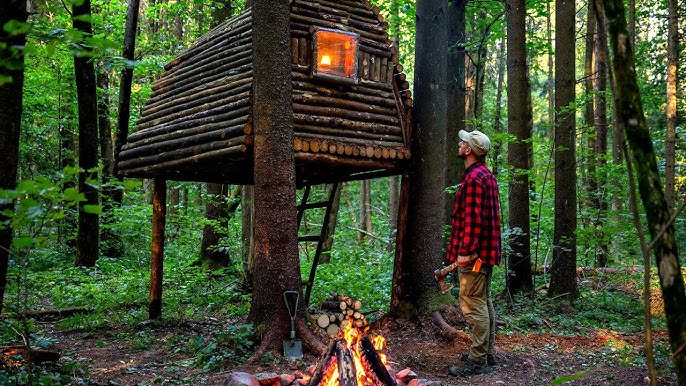
Imagine finding yourself alone in the wilderness, with no help in sight. Your first priority becomes clear: you need a safe place to protect yourself from the elements.
Knowing how to make a survival shelter could be the difference between staying safe and facing danger. You’ll learn simple, practical steps to build a shelter using natural materials around you. Whether you’re an outdoor enthusiast or preparing for the unexpected, mastering this skill will boost your confidence and keep you secure.
Keep reading, and you’ll discover how easy it can be to create your own safe haven in the wild.

Credit: www.youtube.com
Choosing The Right Location
Choosing the right location for your survival shelter can make the difference between comfort and danger. It’s not just about finding a spot to put your shelter but selecting a place that keeps you safe, dry, and protected from the elements. Your choice will affect how well you can rest, stay warm, and keep alert to potential threats.
Finding Natural Shelter
Look for natural formations like rock overhangs, dense trees, or caves. These can protect you from wind, rain, and sun without much work. I once found a fallen tree that formed a partial roof—setting up my shelter there saved me hours of building and kept me dry during a sudden downpour.
Remember, natural shelters often have built-in advantages but check for signs of wildlife or instability. Would you want to share your space with a sleeping animal or risk a collapse?
Avoiding Hazards
Scan your area for dangers like dead trees that could fall, unstable ground, or proximity to water that might flood. Avoid setting up right under large branches or on steep slopes. Even small details matter—a patch of poison ivy nearby can ruin your stay.
Ask yourself: Could this spot put me in harm’s way if the wind shifts or rain falls harder? Taking a moment to observe your surroundings can save you from unexpected trouble.
Considering Weather Patterns
Think about the usual weather where you are. Position your shelter away from prevailing winds and choose higher ground if flooding is possible. If nights get cold, orient your shelter to catch the morning sun for warmth.
During one trip, I ignored wind direction and faced a chilly night. Adjusting shelter placement even slightly the next time made mornings much more bearable. How might the local weather affect your shelter’s comfort and safety?

Credit: www.youtube.com
Gathering Materials
Gathering materials is the first and most important part of building a survival shelter. The right materials make your shelter strong and safe. You need to find items that are easy to carry and build with. Collecting these materials quickly saves energy and time. Focus on what nature offers around you and what tools you can use. Prioritize materials that keep you warm and dry.
Using Natural Resources
Look for branches, leaves, and bark around you. Fallen trees provide strong wood for the frame. Pine needles and dry leaves are good for bedding and insulation. Stones can support the shelter or block wind. Use vines or flexible branches as natural rope. Avoid green wood as it can be heavy and wet.
Tools For Construction
A sharp knife helps cut branches and shape wood. An axe or hatchet speeds up chopping. A sturdy stick can serve as a digging tool. If you have cord or rope, it makes tying easier. Use rocks to hammer or shape materials. Keep tools close to save time and effort.
Prioritizing Insulation
Insulation keeps you warm in cold weather. Gather dry leaves, moss, and grass to fill gaps. Use bark or thick branches to shield from wind. Make a thick layer on the ground to sleep on. Avoid wet materials that lose heat. Insulation is more important than making a perfect frame.
Building Basic Shelter Types
Basic shelters protect you from wind, rain, and cold in the wild. Using natural materials like branches and leaves helps create a simple, sturdy refuge. Quick to build and effective, these shelters increase your chances of staying safe outdoors.
Building a shelter in the wilderness is crucial for survival. It protects you from harsh weather and wildlife. Knowing basic shelter types can make all the difference. These shelters are easy to build and require minimal tools.Lean-to Shelter
A lean-to shelter is simple and effective. Find a large branch or pole. Lean it against a sturdy tree at a 45-degree angle. Cover the pole with branches and leaves. Ensure the covered side faces the wind. This provides wind protection and keeps you warm.Debris Hut
A debris hut offers insulation and warmth. Use a long branch as a ridgepole. Place it between two sturdy trees. Gather sticks and lean them against the ridgepole. Leave a small entrance. Cover the structure with leaves and debris. This adds warmth and camouflages the shelter.Tarp Shelter
A tarp shelter is versatile and quick to set up. Use a tarp or large plastic sheet. Tie two corners to trees at shoulder height. Secure the other two corners to the ground. Use rocks or stakes for this. This creates a sloped roof to shed rain.Improving Shelter Comfort
Improving your shelter’s comfort can make a huge difference in how well you rest and recover in the wilderness. Small adjustments to keep out water, block wind, and soften the ground can turn a basic shelter into a cozy refuge. Your ability to stay warm and dry directly impacts your energy and safety.
Waterproofing Techniques
Waterproofing your shelter starts with choosing the right materials. Use a tarp, poncho, or large leaves to create a roof that directs rain away from your shelter’s interior. Overlapping layers help prevent leaks, so think about how water flows and avoid gaps.
Seal edges with mud or snow if available to block water from seeping in. Don’t forget to angle your shelter’s roof sharply to encourage water runoff. Have you checked your shelter during a sudden rain before? That quick test can show you where water might sneak through.
Windproofing Strategies
Wind can steal your body heat quickly, so blocking it is crucial. Position your shelter facing away from prevailing winds or use natural barriers like rocks and bushes as shields. Build walls solid enough to stop gusts but leave some ventilation to avoid moisture buildup.
Adding layers of branches or dense foliage against the windward side helps trap warmth. You can also dig a shallow trench around your shelter’s perimeter to reduce wind flow. Have you noticed how a simple windbreak changes your shelter’s temperature?
Creating A Comfortable Floor
A cold, hard floor drains your warmth fast. Start by clearing rocks and sticks from the ground inside your shelter. Then add insulating layers like pine boughs, dry leaves, or grass to create a cushion that traps heat.
If you have a foam pad or spare clothing, use them beneath you for extra comfort. Remember, the floor is your direct contact with the earth, so make it as warm and soft as possible. How much difference could a simple layer of leaves make in your next outdoor sleep?
Safety And Maintenance
Building a survival shelter is only half the battle. Keeping it safe and well-maintained ensures it continues to protect you from the elements and other dangers. Neglecting safety and upkeep can turn your shelter from a refuge into a risk.
Fire Safety Near Shelter
Never build your fire too close to your shelter. Sparks or embers can easily ignite your shelter materials, especially if they are dry leaves, branches, or fabric. A good rule is to keep your fire at least 10 feet away.
Clear the area around your fire pit to bare soil or rock. This reduces the chance of stray sparks starting a wildfire. Always have water or dirt nearby to quickly put out the fire if it spreads.
Have you ever underestimated how quickly a small spark can turn into a big problem? Always stay alert and never leave your fire unattended.
Regular Shelter Checks
Your shelter needs daily inspections. Weather can weaken supports or tear coverings, letting in wind, rain, or insects. Look for sagging branches, holes, or loose ties.
Check the floor for moisture or insect activity. Adding fresh leaves or pine needles can help keep the ground dry and comfortable. Fix small problems immediately before they grow.
Ask yourself: Is your shelter still offering full protection, or has something changed? Regular checks keep you safe and comfortable.
Dealing With Wildlife
Wild animals are curious and may try to enter your shelter looking for food or shelter. Store your food away from your sleeping area, preferably hung from a tree or in a sealed container.
Make noise when you move around to avoid surprising animals. Carry a whistle or use sticks to create sound. This often keeps animals at a distance without harm.
If you spot signs of wildlife near your shelter, reinforce your barriers immediately. Small actions can prevent dangerous encounters and keep both you and the animals safe.

Credit: www.youtube.com
Frequently Asked Questions
What Materials Are Best For Building A Survival Shelter?
Use natural materials like branches, leaves, and bark. These provide insulation and camouflage. Avoid wet or rotten wood for durability. Carry a tarp or emergency blanket for added protection against rain and wind.
How Do I Choose The Best Location For A Shelter?
Pick a dry, flat area away from hazards like falling branches or flooding. Choose spots near water but not too close to avoid insects. Look for natural windbreaks like trees or rocks for extra shelter.
How Long Does It Take To Build A Basic Survival Shelter?
A simple shelter can take 30 minutes to 2 hours, depending on materials and skill. Prioritize quick construction to protect yourself from weather. Practice building shelters beforehand to improve speed and efficiency.
Can I Build A Shelter Without Tools In The Wilderness?
Yes, you can. Use sharp stones or broken branches to cut and shape materials. Lash sticks together with vines or flexible branches. Focus on simple designs like lean-tos that require minimal tools.
Conclusion
Building a survival shelter can save your life in the wild. Use natural materials around you. Keep the shelter small to stay warm. Always choose a safe, dry location. Practice these skills before you need them. Stay calm and think clearly.
Your shelter protects you from cold and rain. Remember, preparation is key to staying safe outdoors. Shelter building is a simple, important survival skill. Try it often to feel confident in nature.