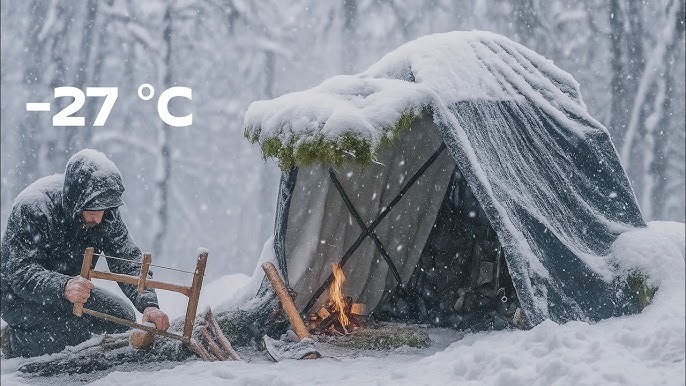
Imagine being caught in a fierce blizzard with no shelter in sight. The cold bites at your skin, the wind howls around you, and every step feels heavier than the last.
In moments like these, knowing how to survive can mean the difference between life and death. This guide will give you simple, practical steps to protect yourself when the storm hits and no safe place is nearby. Keep reading—you might never face a blizzard unprepared, but if you do, these tips could save your life.
Preparing Mentally And Physically
Facing a blizzard without shelter demands more than just physical readiness—it requires sharp mental strength. Your mindset can be the difference between staying safe and making risky decisions. Preparing both mentally and physically helps you stay alert, make smart choices, and survive harsh conditions.
Stay Calm And Focused
Panic clouds your judgment and wastes precious energy. Take slow, deep breaths to steady your mind. Focus on immediate tasks instead of the overwhelming situation.
Ask yourself: What can I do right now to improve my situation? This focus keeps you from freezing in fear or rushing into danger. Visualize small goals like gathering materials or finding a windbreak.
Assess Your Physical Condition
Check yourself for injuries or signs of frostbite. Are your fingers numb? Is your breathing steady? Knowing your condition helps prioritize what to do next.
If you’re shivering uncontrollably, your body needs warmth quickly. If you feel weak or dizzy, conserve energy and rest. This honest self-check prevents pushing yourself too hard and worsening your state.
Conserve Energy Wisely
Use your movements efficiently—avoid unnecessary steps or heavy lifting. Sitting still and staying warm often beats wandering aimlessly. Protect your core body heat by keeping clothes dry and layered.
Hydrate if you have water, but don’t overexert yourself searching for more. Your body is a limited resource; treat it like precious equipment, not a machine.

Credit: www.youtube.com
Finding Natural Shelter
Finding natural shelter is crucial during a blizzard without any man-made protection. It helps reduce exposure to cold wind and snow. This increases chances of staying warm and safe. Nature often provides hidden spots that block harsh weather. Recognizing and using these spots can save your life.
Use Terrain Features
Look for dips or hollows in the ground. These low areas block wind better than open spaces. Avoid hilltops or ridges where wind hits hardest. Caves or rock overhangs offer good protection. Be careful of unstable rocks or snow above. Use natural formations to shield yourself from storms.
Look For Tree Cover
Dense tree groups help block wind and snow. Choose evergreen trees with thick branches. They keep some heat and shield from falling snow. Avoid lone trees or dead branches that can fall. Stay close to trunks for added warmth. Trees also trap heat in the space beneath their branches.
Create Windbreaks With Snow
Use snow to build walls against the wind. Pack snow tightly to make a sturdy barrier. Build the wall on the side facing the wind. This stops cold gusts from reaching you directly. A snow windbreak can lower wind chill significantly. It also helps trap body heat in your shelter area.
Building Emergency Shelter
Surviving a blizzard without shelter is challenging. Building an emergency shelter is vital. It can protect you from harsh winds and freezing temperatures. Understanding different methods can save your life. Learn to create a shelter using available resources.
Snow Cave Construction
Snow caves are effective and simple to construct. Find a deep snowdrift for your cave. Begin by digging into the side of the drift. Create a tunnel leading to a larger hollowed-out area. Ensure the ceiling is dome-shaped to prevent collapse. This shape distributes weight evenly. Poke a small air hole for ventilation. Keep the entrance low and small to retain warmth.
Trench Shelter Techniques
A trench shelter is quick and effective. Dig a trench in the snow, as deep as possible. Cover the trench with snow blocks or branches. This roof insulates and protects from the wind. Line the trench with pine branches or leaves for added warmth. Ensure the trench is narrow to conserve body heat. Leave a small opening for airflow.
Using Debris For Insulation
Natural debris can enhance insulation. Collect leaves, branches, and moss from the area. Use these materials to line your shelter. They trap heat and offer extra protection. Spread debris on the floor to create a barrier from the cold ground. Use branches and leaves to cover any openings in your shelter. This keeps the wind out and warmth in.

Credit: www.youtube.com
Maintaining Body Heat
Keeping your body heat stable is the key to surviving a blizzard without shelter. Cold temperatures and harsh winds can quickly drain your warmth, putting you at serious risk of hypothermia. How you manage your body heat could mean the difference between life and death.
Layer Clothing Effectively
Wearing multiple layers traps warm air close to your skin. Start with a moisture-wicking base layer to keep sweat away. Then add an insulating layer like fleece or wool to hold heat in.
Finish with a windproof and waterproof outer layer to block cold air and moisture. Avoid cotton—it holds wetness and chills you faster. Have you checked your layers today? Staying dry and insulated is non-negotiable in freezing conditions.
Keep Dry And Avoid Sweat
Sweating is your enemy in a blizzard. Wet clothes cool your body rapidly, which can lead to dangerous heat loss. If you start to sweat, remove or loosen layers immediately to let moisture escape.
Pay attention to your activity level—are you moving too fast or carrying too much weight? Slow down and regulate your pace to prevent overheating. Remember, staying dry inside your clothes keeps warmth trapped close to your body.
Use Natural Insulation
Look around for materials like dry leaves, pine needles, or grass to add extra insulation. Stuffing these into your clothing or creating a barrier between you and the snow can boost warmth significantly.
Even snow itself can be useful if packed tightly to create a windbreak or a small insulated space. Have you ever tried using the environment to your advantage? Simple natural materials often outperform gear left at home.
Finding And Using Water
Finding and using water during a blizzard is crucial for survival. The cold weather can trick your body into feeling less thirsty. Yet, your body still needs water to function well. Snow is the most common water source, but it needs careful handling. Knowing how to melt snow safely, avoid dehydration, and find other water sources can save your life.
Melting Snow Safely
Never eat snow directly. It lowers your body temperature and causes more harm. Instead, melt snow before drinking. Use a metal container or any clean pot to collect snow.
Place the container near your body or over a small fire. Let the snow melt slowly to avoid burns and wasted water. Avoid heating snow too fast; it can burn or evaporate quickly.
Avoiding Dehydration
Cold air dries your mouth and skin quickly. Drink water regularly, even if you don’t feel thirsty. Small sips work better than large gulps.
Limit sweating by staying dry and sheltered. If you sweat, your body loses water fast. Rest often to conserve energy and water. Check your lips and mouth for dryness; it shows dehydration.
Locating Water Sources
Look for signs of water under the snow. Listen for running water sounds or find green plants and ice formations. Streams or rivers may flow beneath thin ice.
Collect ice from tree branches or rocks if snow is unavailable. Avoid water near animal tracks to reduce infection risk. Always try to purify water by boiling or filtering before drinking.
Signaling For Help
Signaling for help is crucial during a blizzard without shelter. It increases your chances of being found by rescuers. Using clear and visible signals makes it easier for search teams to spot you. Sound signals can reach people nearby even if visibility is low. Persistence in signaling keeps your location known over time. Knowing how to create effective signals can save your life.
Creating Visible Signals
Choose a spot with open space to make your signals clear. Use bright or contrasting colors against the snow. Arrange items like clothing, branches, or rocks into large shapes or letters. An SOS sign is a universal distress signal. Make sure your signals are big enough to be seen from the air. Reflective objects or mirrors can catch sunlight or flashlight beams.
Using Sound To Attract Attention
Shout loudly at regular intervals to alert people nearby. Use a whistle if you have one; it carries farther than shouting. Bang metal objects together to create noise. Avoid continuous shouting to save your energy. Pause between sounds to listen for replies. Sound travels better in some weather, so try different noises.
Timing And Persistence
Signal at times when rescuers are most likely to be nearby. Early morning or late afternoon can be good. Keep signaling regularly but rest in between to avoid exhaustion. Change your signal location if you suspect rescuers have passed. Never stop signaling until help arrives or it becomes unsafe. Consistency increases the chance of being noticed.
Navigating In A Blizzard
Navigating in a blizzard is one of the hardest challenges you can face outdoors. Snow and wind reduce visibility to almost zero. The landscape looks the same in every direction. This makes it easy to get lost and confused.
Staying calm and focused is key. Using tools and natural signs can guide your way. Moving carefully helps avoid danger and exhaustion. Here are some ways to navigate safely during a blizzard.
Using Landmarks And Compass
Look for strong, clear landmarks that stand out, like tall trees or rock formations. These can guide you when visibility improves slightly. Use a compass to keep a steady direction. Check it often to avoid walking in circles. If you know your general route, keep your compass pointed that way.
Avoiding Disorientation
Blizzards can confuse your senses. The wind can block sounds. Snow can hide paths and footprints. Stay aware of your body’s signals. Pause regularly to check your surroundings and compass. Keep track of how far you have traveled. Mark your trail with small piles of snow or sticks if possible. Avoid rushing or panic moves that cause mistakes.
Traveling Safely If Necessary
- Move slowly and steadily to save energy.
- Keep your body warm and dry while walking.
- Stick to open areas where you can see landmarks.
- Avoid deep snow or steep slopes to prevent falls.
- Take short breaks to rest and check your direction.
- Use your compass and landmarks to maintain your path.

Credit: www.youtube.com
Frequently Asked Questions
How Can I Stay Warm During A Blizzard Without Shelter?
To stay warm, layer your clothing, cover exposed skin, and keep moving to maintain body heat. Use natural windbreaks like trees or snowbanks to reduce wind chill. Avoid sweating, as moisture cools your body quickly. Stay as dry as possible and conserve energy.
What Are The Best Materials For Makeshift Blizzard Protection?
Use available materials like branches, snow, or clothing to create insulation. Snow can act as an effective wind barrier and insulator. Use leaves or pine boughs for additional warmth and ground insulation. Avoid wet materials as they can increase heat loss.
How Should I Find Safe Water During A Blizzard?
Melt snow for water, but always boil or purify it before drinking. Avoid eating snow directly as it lowers body temperature. Collect snow away from roads and contaminated areas. Use a container to melt snow near body heat or a fire.
What Foods Help Maintain Energy In A Blizzard?
High-calorie, non-perishable foods like nuts, energy bars, and dried fruits are ideal. These foods provide sustained energy and are easy to carry. Avoid salty snacks as they increase thirst. Stay hydrated to help your body function properly.
Conclusion
Surviving a blizzard without shelter is tough but possible. Stay calm and keep moving to stay warm. Use natural materials like snow or branches for protection. Save your energy and avoid sweating too much. Drink water when you can, but avoid eating snow directly.
Always signal for help when safe. Preparation and quick thinking make a big difference. Remember, your safety depends on smart choices and staying alert. Stay safe out there.