Winter can be tough on kids, especially when they’re playing outside or going on a trip. You want to make sure your child stays safe, warm, and comfortable no matter the weather.
That’s where a winter survival kit comes in. By preparing a simple kit, you can protect your child from cold, frostbite, and unexpected emergencies. You’ll discover exactly what to include in a winter survival kit for kids and how to put it together quickly and easily.
Keep reading, because your child’s safety in cold weather depends on it.
Choosing The Right Container
Choosing the right container is key for a winter survival kit for kids. It keeps items safe, organized, and ready to use. The container must match the needs of children and the harsh winter conditions. It should be strong, easy to carry, and simple to open quickly. A good container helps kids feel confident and prepared during cold weather emergencies.
Durability And Size
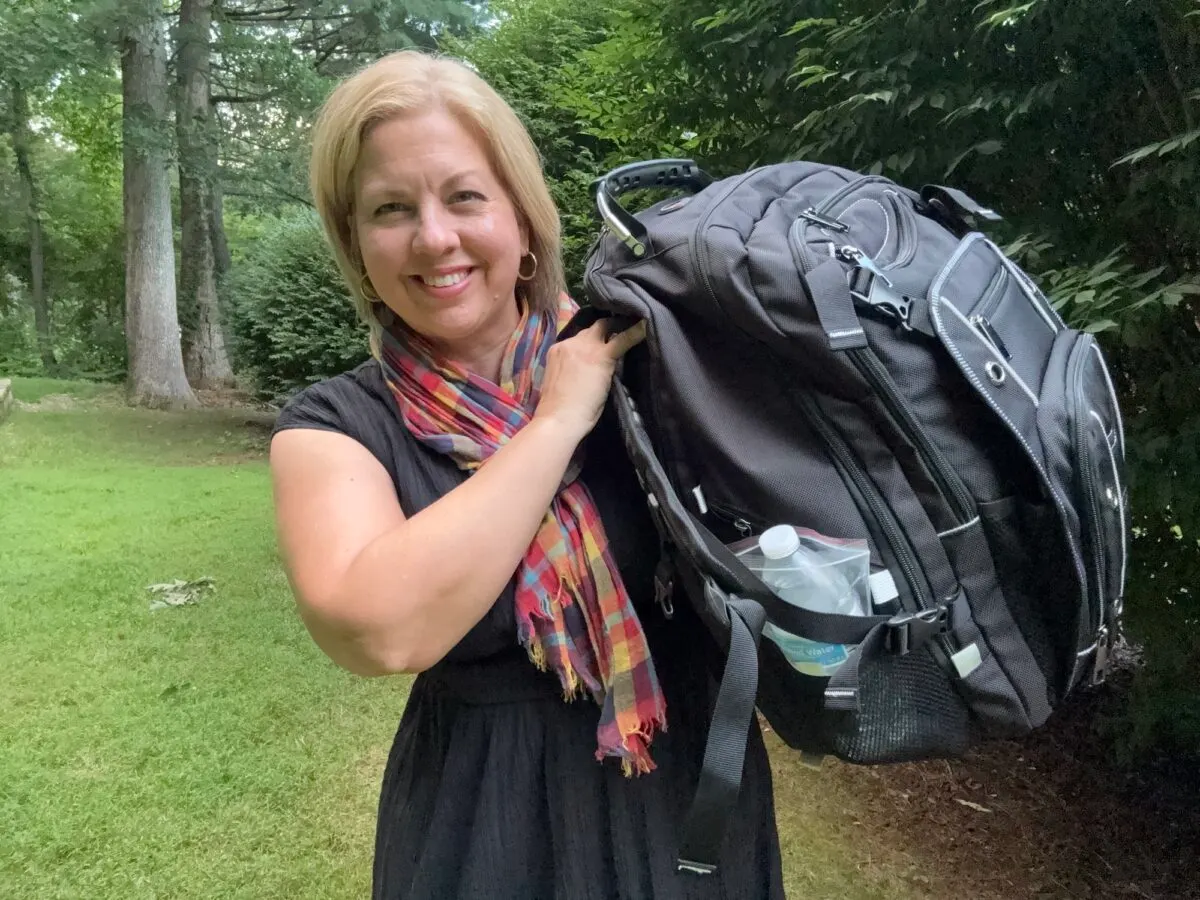
The container needs to be tough and weather-resistant. Look for materials like hard plastic or metal that resist cracks and moisture. The size should fit all essentials without being too heavy or bulky. It must fit in a backpack or be easy for kids to carry. A compact container saves space but holds important items like gloves, snacks, and a flashlight.
Easy Access Features
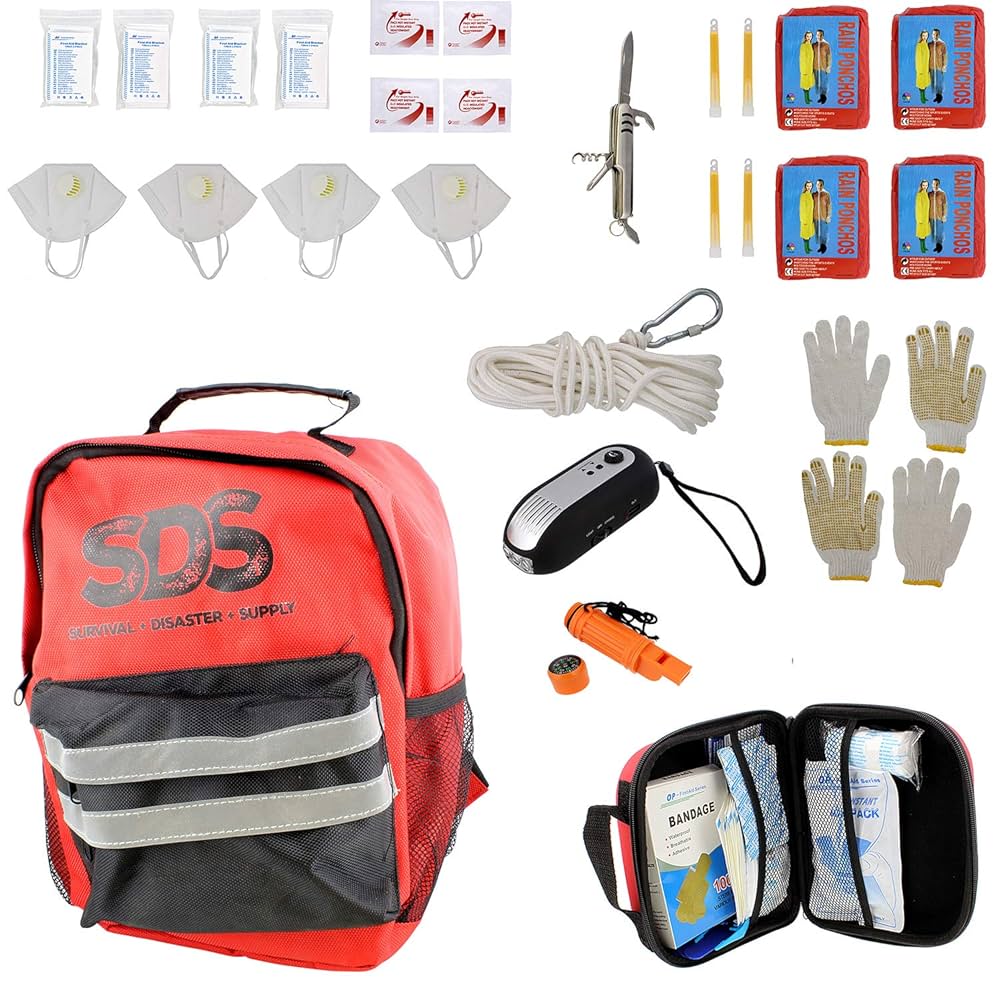
Easy access is important during emergencies. Choose containers with simple latches or zippers that kids can open fast. Clear lids or windows help find items quickly. Dividers or compartments keep things sorted and prevent clutter. Bright colors or reflective strips make the kit easy to spot in snow or low light.
Credit: singlegirlsdiy.com
Clothing Essentials
Choosing the right clothes is key to keeping kids safe and warm in winter. Clothes protect from cold air, wind, and snow. Packing a winter survival kit means including clothing that works well in cold weather. Focus on layers, waterproof items, and warm accessories. These keep kids comfortable and dry during outdoor fun or emergencies.
Layering Basics
Layers trap heat and help adjust to changing temperatures. Start with a soft, snug base layer made of materials like wool or synthetic fabric. Avoid cotton; it holds moisture and chills the skin.
Add a middle layer for insulation. Fleece or down jackets work well here. This layer keeps warmth close to the body.
Finish with an outer shell that blocks wind and rain. Look for breathable fabrics that let moisture escape. Layering lets kids stay warm without overheating.
Waterproof Gear
Snow and rain can soak clothes fast. Waterproof jackets and pants keep kids dry and comfortable. Choose gear with sealed seams to stop water from sneaking in.
Waterproof boots with good grip prevent slips and keep feet dry. Check for insulation inside boots for extra warmth.
Pack extra socks to change into dry pairs if needed. Wet feet can cause cold and blisters.
Warm Accessories
Small parts of the body lose heat quickly. Hats, gloves, and scarves are must-haves in any winter kit.
- Choose hats that cover ears fully.
- Use insulated gloves or mittens for better warmth.
- Scarves protect the neck and face from cold winds.
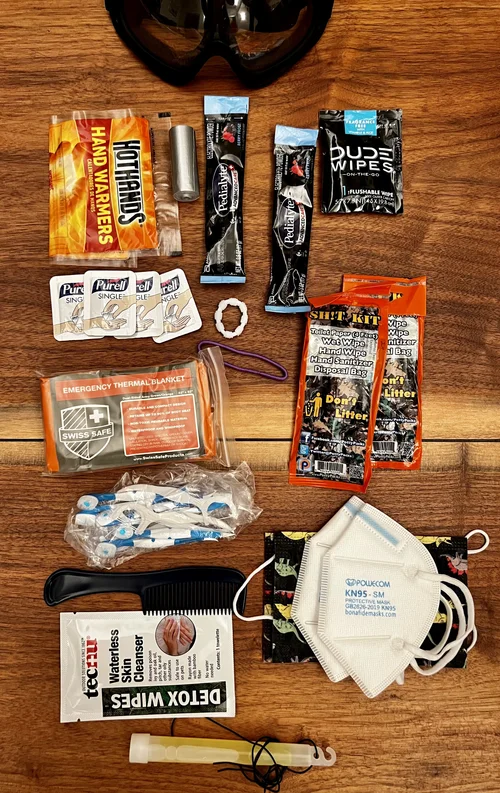
Consider hand warmers for extra heat during long outdoor stays. Keep these accessories clean and dry for best use.
Food And Hydration
Keeping your kids well-nourished and hydrated during winter emergencies is crucial. The cold weather can drain energy quickly, so having the right food and water supplies in your survival kit makes all the difference. Let’s focus on what types of snacks and water storage options will keep your children safe and comfortable.
Non-perishable Snacks
Choose snacks that don’t spoil easily and pack a good amount of calories. Items like granola bars, dried fruit, nuts, and peanut butter crackers are excellent choices. These snacks provide quick energy and are easy for kids to eat, even when it’s cold outside.
Consider adding some fun options like mini chocolate bars or fruit leather to keep spirits high. Have you ever noticed how a favorite treat can boost a child’s mood during tough times? That small comfort can be a big help.
Remember to check for allergies and avoid anything that requires refrigeration. Pack snacks in resealable bags or containers to keep them fresh and easy to access.
Safe Water Storage
Water is essential, but storing it safely can be tricky in freezing temperatures. Use insulated bottles or containers designed to prevent freezing. These keep water drinkable and accessible when your child needs it most.
Consider including small, lightweight water pouches as backups. They take up little space and can be replaced easily. Do you have a plan for melting snow or ice safely if water runs low?
Always label water containers clearly and teach your kids to drink regularly, even if they don’t feel thirsty. Staying hydrated helps maintain energy and body heat during cold weather.
Safety And Navigation Tools
Safety and navigation tools are essential when building a winter survival kit for kids. These items help your child stay safe and find their way if they get lost or separated from you. Teaching kids how to use these tools gives them confidence and increases their chances of a safe return.
Whistles And Signaling
A whistle is a simple but powerful safety tool. Its loud sound can travel much farther than a child’s voice, making it easier for rescuers to locate them. Choose a whistle with a high-pitched tone that is easy to blow.
Encourage your child to blow the whistle in short bursts if they feel lost or scared. It’s also helpful to add a signal mirror or brightly colored cloth to your kit for visual signaling. These tools can catch the attention of searchers even in dense snow or forest.
Flashlights And Batteries
A reliable flashlight is a must-have for any winter survival kit. Darkness comes early in winter, and a flashlight can help your child see and be seen. Pick a lightweight, durable flashlight that fits comfortably in their pocket or backpack.
Always pack extra batteries, and teach your child how to check if the flashlight works before heading out. A headlamp can be a great hands-free option, especially when they need both hands for other tasks.
Maps And Compasses
Maps and compasses are classic navigation tools that never fail. Even if your child has a GPS device, batteries can die or signals can be lost in remote areas. A simple, easy-to-read map of the area and a compass can guide them back.
Show your child how to read the map and use the compass together. Practice this skill with them before any winter adventure so they feel comfortable using these tools under pressure. Have you ever thought about how much more secure your child feels knowing they can find their way home?
First Aid Supplies
First aid supplies are essential for any winter survival kit for kids. These items help treat minor injuries and prevent infections. Keeping kids safe and comfortable during cold weather adventures is a top priority. A well-stocked first aid section prepares you for scrapes, bruises, and cold-related issues.
Basic Medical Items
- Adhesive bandages in various sizes for cuts and scrapes
- Antiseptic wipes to clean wounds quickly
- Gauze pads and medical tape for larger injuries
- Small scissors and tweezers for removing splinters
- Disposable gloves to keep hands clean while helping
- Thermometer to monitor body temperature
- Pain relief medicine suitable for children
Cold Weather Treatments
- Instant cold packs to reduce swelling and pain
- Warm compress packs to soothe stiff muscles
- Lip balm to prevent chapped lips
- Moisturizing cream for dry, cracked skin
- Small blanket or emergency space blanket for warmth
- Hand warmers to keep fingers from freezing
Emergency Shelter Materials
Emergency shelter materials are vital for keeping kids safe and warm in cold weather. These materials protect against wind, snow, and rain. They help maintain body heat and provide a safe space during unexpected weather changes. Choosing lightweight and easy-to-use shelter items is important for children.
Thermal Blankets
Thermal blankets are thin, lightweight, and trap body heat effectively. They reflect heat back to the body, reducing heat loss. These blankets fold small and fit easily into a backpack. Kids can use them as a wrap or ground cover to stay warm. Thermal blankets are water-resistant and block wind, adding extra protection.
Compact Tents And Tarps
Compact tents and tarps offer versatile shelter options for kids. Small tents provide full protection from wind and snow. Tarps are lightweight and can be set up quickly. They create a dry space and block cold winds. Both tents and tarps fold into small sizes, perfect for carrying. Easy setup helps kids feel secure during cold weather.
Entertainment And Comfort
Keeping kids entertained and comfortable during winter emergencies is just as important as meeting their basic needs. When the cold keeps you indoors or outdoor activities are limited, having the right items can make a huge difference. Think about what keeps your child happy and calm—these choices should guide what you pack.
Books And Games
Books are a fantastic way to keep your child’s mind active and distracted from the cold. Choose sturdy, waterproof books or small paperbacks that are easy to carry and won’t get damaged easily.
Pack a mix of storybooks and activity books, like puzzles or coloring books, to suit different moods. Games such as card decks, travel-sized board games, or simple brain teasers provide fun without needing batteries or screens.
Ask yourself: what games have kept your kids engaged for hours without feeling bored? Adding those to your kit makes sense.
Comfort Items
Comfort items help children feel safe and secure when everything around them is unfamiliar or stressful. Include a small blanket or a favorite stuffed toy to provide warmth and emotional support.
Soft gloves, cozy socks, and a warm hat can also keep your child physically comfortable, reducing fussiness and helping them rest better. Even a comforting scent from a familiar lotion or a small pillow can ease anxiety.
Remember, these aren’t just extras—they’re essentials that help your child cope with the situation. What little things have you noticed calm your child during tough times? Those should be in the kit.
Credit: www.soivethoughtalotaboutthis.com
Maintenance And Updates
Keeping a winter survival kit ready for kids means regular care and updates. Kits can lose value if items expire or wear out. Checking and adjusting the kit ensures it stays useful and safe.
Regular Checks
Look at the kit every month. Check for expired food and medicines. Replace batteries in flashlights and devices. Make sure clothes fit and are in good shape. Remove wet or damaged items immediately. Keep the kit clean and dry at all times.
Seasonal Adjustments
Change the kit according to weather changes. Add extra warm clothes as winter deepens. Include hand warmers or heat packs for very cold days. Swap out items kids no longer need or use. Adjust food and water supplies based on trip length. Always prepare the kit for the coldest months ahead.

Credit: www.teacherspayteachers.com
Frequently Asked Questions
What Should Be In A Kids’ Winter Survival Kit?
A kids’ winter survival kit should include warm clothing, snacks, water, and a flashlight. Add hand warmers, a whistle, and a first-aid kit for safety. Include entertainment like a book or toy to keep them occupied.
How Can I Keep Kids Warm In Winter Emergencies?
Dress kids in layers using thermal wear, hats, and gloves. Ensure they wear waterproof boots to stay dry. A thermal blanket can provide extra warmth. Keeping extra dry clothes in the kit can be helpful.
Why Is A Whistle Important In A Survival Kit?
A whistle can signal for help in emergencies. Its sound travels farther than a shout. Teach kids to use it only when necessary. A whistle is lightweight and fits easily in the kit.
How Do I Choose Snacks For A Survival Kit?
Choose non-perishable snacks like granola bars and dried fruits. Opt for high-energy foods to maintain energy levels. Snacks should be easy to open and eat. Rotate them regularly to ensure freshness.
Conclusion
Keeping kids safe in winter needs good planning and care. A well-packed survival kit helps children face cold weather better. Include warm clothes, snacks, and basic first aid items. Teach kids how to use the kit properly. Check and update the kit before each winter season.
Staying prepared reduces worries and keeps kids comfortable outdoors. Small steps today protect little ones tomorrow. Winter can be fun and safe with the right tools.