When winter hits hard, being unprepared can turn a simple outing into a dangerous situation. You never know when you might face freezing temperatures, snow, or icy roads.
That’s why having the right winter survival kit is not just smart—it could save your life. But what exactly do you put in a winter survival kit? You want to make sure you have everything you need without carrying extra weight.
Keep reading, and you’ll discover the essential items that will keep you safe, warm, and ready for whatever winter throws your way.
Basic Survival Gear
Basic survival gear forms the core of any winter survival kit. These essential items help protect you from harsh weather and keep your body functioning. You need reliable tools that provide shelter, warmth, and hydration. Choosing the right gear can increase your chances of staying safe and comfortable in winter conditions.
Shelter And Warmth
A proper shelter blocks wind, snow, and cold. Carry a compact tent or a tarp that is easy to set up. Sleeping bags rated for cold temperatures are crucial. Insulated blankets and thermal sleeping pads add extra warmth. Layering your clothing with moisture-wicking and insulated fabrics helps retain body heat.
Fire Starting Tools
Fire provides heat, light, and a way to cook food or melt snow for water. Include waterproof matches or a reliable lighter. Fire starters like cotton balls soaked in petroleum jelly ignite quickly. Carry a small ferrocerium rod for sparks even in wet weather. Keep these items dry in sealed containers or waterproof bags.
Water And Hydration
Water is vital for survival, especially in cold weather. Pack a durable water bottle or hydration bladder. Include water purification tablets or a portable filter to ensure safe drinking water. Melting snow is an option, but always purify it before drinking. Staying hydrated helps maintain energy and body heat.
Clothing Essentials
Clothing essentials are the backbone of any winter survival kit. Your choice of clothes can mean the difference between comfort and danger in freezing conditions. Every item you pack should help you retain heat, stay dry, and move easily.
Layering Basics
Start with a good layering system. The base layer should wick moisture away from your skin to keep you dry. Materials like merino wool or synthetic fabrics work best here.
The middle layer provides insulation. Think fleece or down jackets that trap heat close to your body. You can add or remove this layer as temperatures change.
The outer layer protects you from wind, snow, and rain. It should be breathable but also shield you from harsh weather. Can you imagine being soaked and cold because your layers failed to keep moisture out?
Insulated Accessories
Don’t forget your hands, head, and feet—they lose heat fast. Pack insulated gloves or mittens, a warm hat, and thermal socks. These small items can prevent frostbite and keep you comfortable for longer periods outdoors.
I once underestimated the power of a good hat and ended up shivering uncontrollably despite having a thick jacket. That experience taught me the value of covering every part of your body.
Waterproof Outerwear
A waterproof jacket and pants are non-negotiable. Snow and sleet can soak your clothes quickly, leading to dangerous hypothermia. Look for gear with sealed seams and adjustable cuffs to keep water out.
Rain ponchos or shell layers add extra protection without much weight. Would you rather carry a little extra gear or risk being drenched and chilled? The choice is clear when you’re facing winter storms.
Food And Nutrition
Keeping your energy up during winter emergencies is crucial. Your body burns more calories trying to stay warm, so packing the right food and nutrition in your survival kit can make a big difference. Focus on items that provide sustained energy and are easy to prepare in tough conditions.
High-energy Snacks
Choose snacks that pack a calorie punch without taking up much space. Nuts, trail mix, and energy bars are excellent choices because they are lightweight and rich in fats and proteins. Chocolate and peanut butter can boost morale and provide quick energy when you need it most.
Think about how a simple handful of almonds kept me going during a cold night hike when I had no chance to stop for a full meal. What snacks do you find both satisfying and convenient during outdoor activities?
Long-lasting Food Options
Freeze-dried meals and canned goods last for years and are perfect for winter survival kits. Look for options high in protein and carbohydrates to keep your strength up. Don’t forget about instant oatmeal packets, which are quick to prepare and comforting in cold weather.
Consider storing some dried fruits and jerky as well. These don’t spoil easily and add variety to your diet, which can help keep your spirits high during extended survival situations.
Portable Cooking Supplies
Having the right tools to prepare your food is just as important as the food itself. Compact stoves, lightweight fuel canisters, and durable cookware make cooking manageable even in freezing temperatures. A small pot and a reliable lighter can transform your survival kit.
Remember, you need to cook food safely to avoid illness, especially in harsh environments. What portable cooking gear have you found most reliable when off the grid?
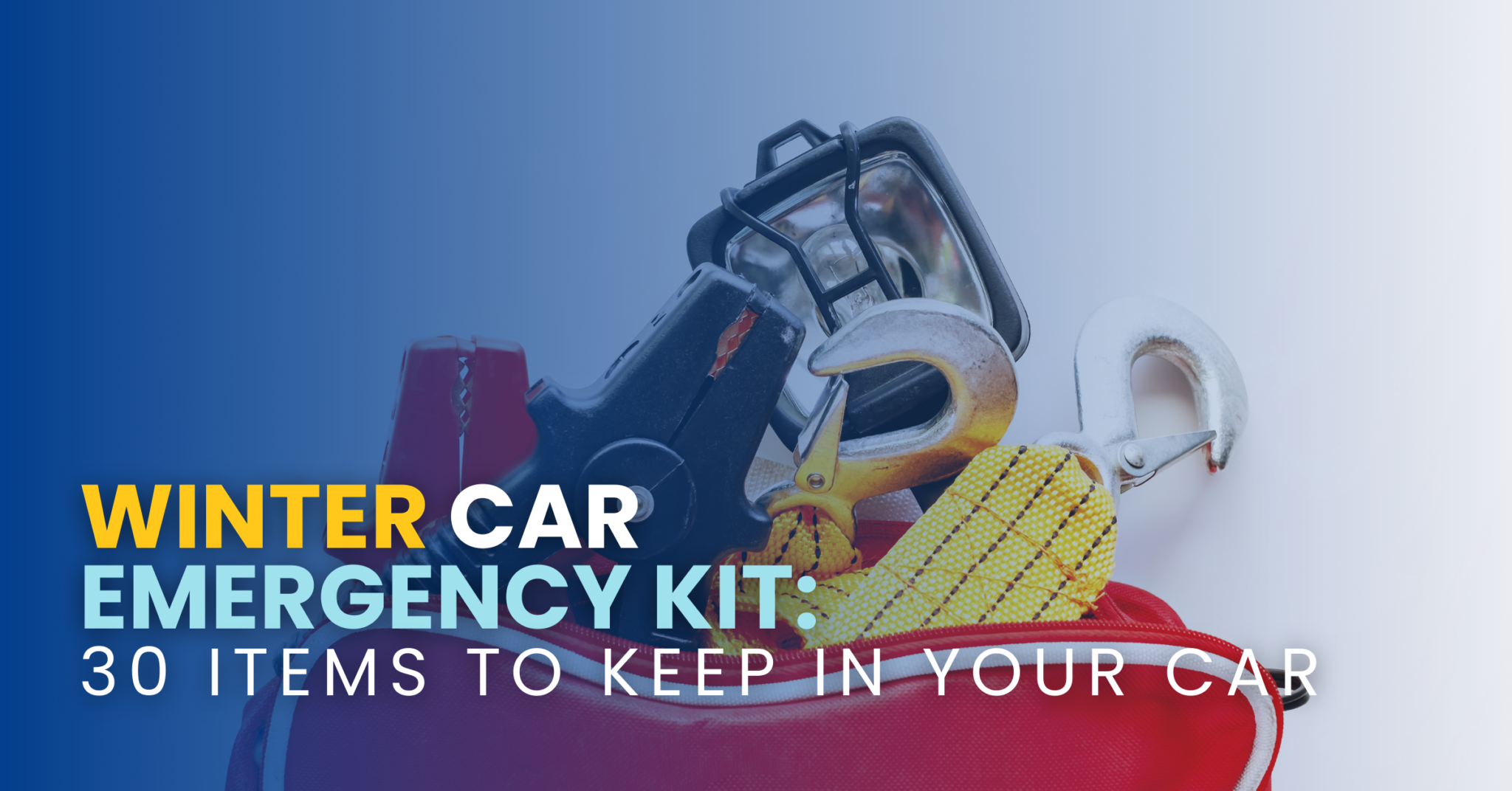
Credit: www.michiganautolaw.com
Navigation And Communication
Navigation and communication are crucial components of any winter survival kit. Without the ability to find your way or call for help, you risk becoming stranded or lost in harsh conditions. Preparing these tools ahead of time can save your life and give you confidence when venturing into the cold.
Maps And Compasses
A detailed map and a reliable compass form the backbone of navigation. Even if you have a GPS device, batteries can die or signals may disappear in remote areas. Carrying a waterproof map of your area ensures you always have a backup plan.
Learning how to use a compass effectively is just as important. It’s easy to forget this skill until you need it, but practicing before heading out can make all the difference. Have you ever found yourself unsure which way to turn? A compass can prevent that uncertainty.
Emergency Signaling Devices
Emergency signaling devices help rescuers find you quickly when you’re in trouble. A whistle is simple but effective; its sound carries much farther than your voice and requires minimal energy to use. Brightly colored signal mirrors can catch the attention of search parties even miles away on sunny days.
Consider adding a small flare or a personal locator beacon (PLB) if you expect to be in very isolated areas. These devices send powerful signals that can guide rescuers directly to your location. Have you thought about what you would use to signal for help if you were stuck in a snowstorm?
Communication Tools
Staying connected is vital, especially during emergencies. A fully charged mobile phone is a must, but don’t rely on it alone. Include a portable power bank to recharge your device when outlets are unavailable.
Two-way radios are another great option for short-range communication with your group. They don’t depend on cell towers, so they work well in remote locations. Make sure you test your radios before your trip and keep extra batteries handy.
First Aid And Health
First aid and health supplies are essential in a winter survival kit. Cold weather can cause injuries and illnesses quickly. Being prepared helps you treat wounds and stay healthy in harsh conditions.
Basic Medical Supplies
- Adhesive bandages of different sizes
- Sterile gauze pads and adhesive tape
- Antiseptic wipes and antibiotic ointment
- Disposable gloves to prevent infection
- Scissors and tweezers for wound care
- Pain relievers like ibuprofen or acetaminophen
- Thermometer to check for fever
- Instant cold packs for sprains
Frostbite And Hypothermia Care
Frostbite and hypothermia are common winter dangers. Include supplies to recognize and treat these conditions fast.
- Warm blankets or emergency space blankets
- Hand warmers to restore heat
- Alcohol wipes to clean skin gently
- Instructions on how to warm frostbitten areas slowly
- Information on signs of hypothermia and how to respond
Personal Medications
Include any medications you take daily. Keep extras in your kit to avoid running out.
- Prescribed pills in labeled containers
- Allergy medications like antihistamines
- Inhalers for asthma or respiratory issues
- Any special ointments or creams
- Copies of prescriptions and medical information
Tools And Accessories
Tools and accessories are essential in a winter survival kit. They help you handle emergencies and daily challenges in cold weather. The right tools improve safety and comfort during harsh conditions. Compact, reliable, and versatile items save space and weight.
Multi-tools And Knives
Multi-tools combine several functions into one device. They include pliers, screwdrivers, scissors, and knives. A sharp, sturdy knife is crucial for cutting rope, making kindling, or food preparation. Choose tools with rust-resistant materials to last through wet conditions. Compact size fits easily in pockets or packs.
Repair Kits
Repair kits fix gear and clothing quickly. Include needle and thread for sewing tears in fabric. Add duct tape, safety pins, and zip ties for temporary fixes. Waterproof patches can mend tents or boots. Small kits help you stay dry and warm by maintaining your gear.
Lighting And Batteries
Lighting is vital for visibility and safety at night. Headlamps keep hands free for tasks. Flashlights provide focused light in dark areas. Pack extra batteries to ensure your light never fails. LED lights use less power and last longer. Bright, reliable lighting helps avoid accidents and stay oriented.
Special Considerations
Winter survival kits need more than just the basics. Special considerations ensure your kit truly supports everyone in your group, including kids and pets. It also means preparing for extended power outages and harsh cold conditions that could strike without warning.
Child And Pet Supplies
Kids and pets have unique needs during emergencies. For children, pack extra diapers, wipes, and their favorite snacks to keep them calm and comfortable. Don’t forget items like small toys or books to help reduce stress.
Pets require food, water, and any medications they need. Include a leash, a familiar blanket, and waste bags. Think about their comfort and safety just as much as your own.
Extra Fuel And Power Sources
Power outages can last longer than you expect in winter storms. Stock extra fuel for generators or stoves, but store it safely away from living areas. Have multiple power sources like solar chargers, power banks, and extra batteries ready to keep essential devices running.
Consider how you’ll keep phones charged for communication or GPS. Could you heat a small space without electricity? Planning ahead can make a huge difference in comfort and safety.
Emergency Blankets And Sleeping Bags
Cold weather demands reliable warmth options. Emergency blankets are compact and reflect body heat, making them perfect for quick warmth. Keep several on hand for everyone in your group.
Sleeping bags rated for low temperatures offer extended protection against the cold. Choose ones that fit your group’s size and needs. Have you tested your sleeping bags in chilly conditions before? Knowing their limits helps you prepare better.

Credit: mendovoice.com

Credit: unchartedsupplyco.com
Frequently Asked Questions
What Essentials Are In A Winter Survival Kit?
A winter survival kit should include items like blankets, a flashlight, non-perishable food, water, a first-aid kit, and a multi-tool. It’s crucial to have a portable phone charger and extra batteries. These items ensure safety and preparedness for unexpected winter emergencies.
How To Keep Warm In Winter Emergencies?
To stay warm, include thermal blankets, extra clothing, and hand warmers in your kit. Layering clothes is essential for insulation. A portable heater can be a lifesaver, but use it safely. Staying warm prevents hypothermia and keeps you comfortable during emergencies.
Why Is A First-aid Kit Important?
A first-aid kit is crucial for treating minor injuries during emergencies. It should contain bandages, antiseptic wipes, and pain relievers. Having these supplies can prevent infections and provide immediate relief. It’s an essential part of any survival kit for safety.
Can I Use Regular Food In The Kit?
Non-perishable food is ideal for a winter survival kit. Canned goods, energy bars, and dried fruits last longer and provide necessary nutrients. Regular food might spoil quickly without refrigeration. It’s important to choose items that are easy to prepare and consume.
Conclusion
A winter survival kit keeps you safe in cold weather. Pack items like warm clothes, food, water, and a flashlight. Don’t forget a first aid kit and fire-starting tools. Prepare before winter hits. Stay ready for emergencies. A small kit can make a big difference.
Safety matters most in harsh conditions. Keep your kit updated and check it often. Stay warm, dry, and well-fed. Being prepared helps you stay calm and safe. Simple steps protect you and your loved ones. Winter survival is easier with the right gear.