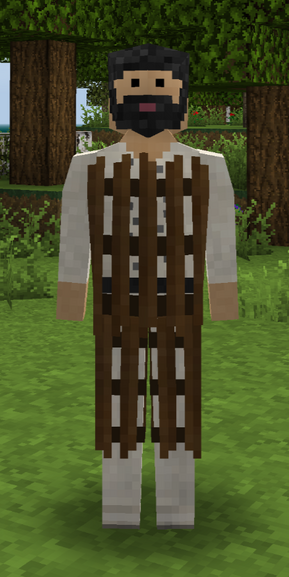
Have you ever wanted to create your own leather clothing in Survival Craft? Imagine having strong, durable gear that not only protects you but also looks great.
Making leather clothing can boost your survival skills and give you an edge in the game. In this guide, you’ll learn simple steps to craft your own leather outfit quickly and easily. Ready to upgrade your game and stand out?
Keep reading to discover how you can turn basic materials into powerful leather clothing right now.
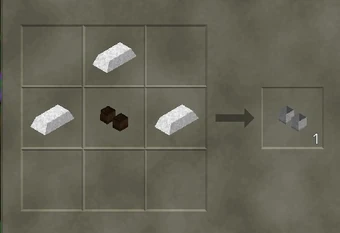
Credit: survivalcraftgame.fandom.com
Gathering Materials
Gathering the right materials is the first task in making leather clothing in Survival Craft. This step sets the foundation for crafting durable and stylish gear. Collecting quality resources ensures better results and smoother crafting later.
Focus on acquiring animal hides and essential tools. Preparing raw materials carefully improves the final leather quality. Patience and attention make this process more efficient and rewarding.
Finding Animal Hides
Animal hides come from hunting or scavenging creatures in the game. Target animals like deer, boars, or wolves for their thick hides. Use weapons or traps to catch them quickly and safely.
- Look in forests or near water sources for animals.
- Check animal tracks and signs for easier hunting.
- Collect hides immediately after hunting to avoid decay.
Collecting Crafting Tools
Tools make the crafting process faster and easier. Basic items include knives, scrapers, and needles. These tools help clean, shape, and sew the hides into clothing.
- Craft a stone or metal knife for cutting hides.
- Create scrapers to remove fur and flesh.
- Make needles and thread for stitching pieces together.
Preparing Raw Materials
Raw hides need cleaning and drying before use. Remove all fur and flesh to prevent rot. Stretch the hides on frames or flat surfaces to dry them evenly.
- Use scrapers to clean hides carefully.
- Dry hides in shaded, ventilated areas.
- Store dried hides in a cool, dry place until crafting.
Crafting Leather
Crafting leather in Survival Craft is both an art and a necessity. It transforms raw animal hides into durable material perfect for making clothing that protects you from the elements. The process takes patience but mastering it can greatly improve your survival experience.
Tanning Process
Tanning converts raw hides into leather by removing moisture and preventing decay. You start by scraping off any remaining flesh and fat from the hide. Soaking it in a solution, often made with natural tannins like tree bark or certain plants, helps preserve the material.
Keep the hide submerged for several hours or even days, depending on the recipe you use. This step is crucial—skip it, and your leather will rot quickly. Have you ever wondered why some leather goods last longer? It’s all about how well the tanning was done.
Drying And Softening Leather
After tanning, the leather needs drying but not too fast. Hang it in a shaded, breezy area to prevent cracking. Once dry, it feels stiff and hard, so the next step is softening.
Softening is done by stretching and working the leather repeatedly. You can also rub it with oils or fats to keep it flexible and comfortable to wear. This part requires a bit of elbow grease, but the difference in comfort is worth it.
Common Crafting Mistakes
- Not cleaning the hide thoroughly before tanning—this causes bad smells and weak leather.
- Drying the leather under direct sunlight, which makes it brittle and prone to cracks.
- Skipping the softening process, leading to stiff and uncomfortable clothing.
- Using the wrong tannin mixture, resulting in poor preservation and quick decay.
Have you ever crafted leather only to find it cracked after a short time? These mistakes are often the culprit. Paying close attention to each step will save you time and resources.
Designing Clothing
Designing clothing in Survival Craft requires both creativity and practical skills. The process shapes how your leather outfit looks and works in the game. A good design helps protect your character and fits your play style.
Start with a clear idea of what you want. Think about the environment and the challenges your character will face. This helps you decide on the best clothing type and features.
Choosing Clothing Types
Leather clothing comes in many forms. You can make jackets, pants, gloves, or boots. Each type offers different protection and mobility. Choose items that suit your survival needs.
- Jackets provide warmth and armor.
- Pants protect legs and offer flexibility.
- Gloves guard hands without slowing you.
- Boots help with movement and foot safety.
Measuring And Cutting Patterns
Accurate measurements are key to fitting clothes. Use your character’s size as a guide. Cut patterns on the leather carefully to avoid waste.
- Mark dimensions clearly on the leather.
- Cut slowly along the lines for clean edges.
- Keep pieces symmetrical for balance.
Adding Functional Details
Details make leather clothing useful and durable. Add straps, buckles, or pockets to improve function. Reinforce weak spots with extra leather layers.
- Straps adjust fit and hold clothes tight.
- Buckles allow quick removal or tightening.
- Pockets store small survival tools.
- Extra layers protect from wear and damage.
Assembling Leather Garments
Assembling leather garments in Survival Craft takes patience and precision. You need to connect the leather pieces securely to create clothing that lasts. This process not only affects durability but also comfort and fit, making it essential to get right before heading out into the wild.
Stitching Techniques
Stitching leather requires strong, tight seams. Use a sturdy needle or awl and thick thread or sinew to prevent your garment from falling apart. Try the saddle stitch—it’s reliable and easy to do by hand.
Keep your stitches evenly spaced to avoid weak spots. If you’ve ever had a seam tear during a tough hike, you know how important this is. Think about how your garment will stretch and move with your body as you sew.
Reinforcing Seams
Seams are the first place to wear out, so reinforcing them is key. Add extra layers of leather or use small strips along the edges to strengthen these weak points.
Applying a waterproof sealant can also protect the seams from moisture damage. Have you noticed how wet leather loses shape? Prevent that by sealing and reinforcing early.
Fitting And Adjustments
Leather doesn’t stretch much, so fitting your garment correctly before finishing the seams saves frustration later. Try on the pieces as you assemble them to check for tightness or looseness.
Make small adjustments by trimming or adding leather strips to improve comfort. Remember, a well-fitted leather jacket moves with you rather than against you—how does your current gear measure up?
Maintaining Leather Clothing
Maintaining your leather clothing in Survival Craft is essential to keep it looking good and lasting longer. Leather can easily get dirty, damaged, or worn out if you don’t take care of it properly. By paying attention to its condition regularly, you can save resources and stay stylish in your survival world.
Cleaning Tips
Leather is sensitive to harsh chemicals and water, so use a soft cloth or brush to remove dirt gently. You can wipe it with a damp cloth, but avoid soaking the leather completely. For stubborn stains, try a mild soap solution and test it on a small hidden area first.
After cleaning, let your leather dry naturally away from direct heat or sunlight. Have you noticed how leather feels different after drying too fast? That’s why patience is key.
Repairing Damage
Small cuts or scratches happen often in Survival Craft. Don’t ignore them. You can fix minor damage by applying leather glue or a patch from spare leather pieces. Smooth the edges to blend the repair with the rest of the clothing.
If the damage is bigger, consider replacing that part entirely or crafting new leather pieces to sew on. Keeping some extra leather scraps ready can save you time and effort.
Extending Durability
Leather becomes tougher with regular care. Use leather conditioners or natural oils to keep it flexible and prevent cracks. Apply these treatments sparingly and evenly to avoid making the leather sticky or heavy.
Also, store your leather clothing in a dry place. Moisture can cause mold or weaken the material. Have you checked your storage spots lately to make sure they’re safe for your gear?
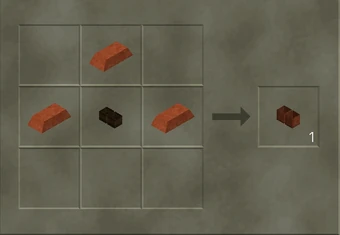
Credit: survivalcraftgame.fandom.com
Advanced Crafting Tips
Mastering leather clothing in Survival Craft requires more than just basic skills. You need to think beyond simple crafting and consider how to enhance your gear’s durability, appearance, and usefulness. These advanced tips will help you make the most of your resources and tailor your leather items to your survival needs.
Using Rare Materials
Rare materials can drastically improve the quality of your leather clothing. Look for exotic hides like bear or wolf skins, which offer better protection and longer wear. These materials can be harder to find, but the benefits often outweigh the effort.
Don’t overlook natural dyes and reinforced threads that can be gathered from uncommon plants or crafted from animal sinew. Adding these can boost your clothing’s resistance to weather and damage. Have you tried hunting or trading specifically for these rare resources?
Customizing For Survival Needs
Think about your environment and what challenges you face daily. If you’re in a cold biome, add extra insulation layers or fur lining to your leather garments. For hot areas, focus on lightweight, breathable designs to avoid overheating.
Consider pockets or straps for carrying tools and weapons. Customizing your leather clothing means making it work for you, not just looking good. What survival tasks do you want your clothing to help with the most?
Optimizing Crafting Efficiency
Save time and resources by organizing your crafting workflow. Prepare all materials before you start, including cutting hides into standard shapes that fit multiple clothing items. This reduces waste and speeds up assembly.
Use a dedicated crafting station with all necessary tools within reach. This setup minimizes distractions and interruptions. How much faster could you craft if you streamlined your workspace?

Credit: survivalcraftgame.fandom.com
Frequently Asked Questions
How Do You Start Making Leather Clothing In Survival Craft?
First, collect animal hides by hunting creatures. Then, craft a tanning rack. Place hides on it to create leather. Finally, use the leather to craft clothing items.
What Materials Are Needed For Leather Clothing Crafting?
You need animal hides, a tanning rack, and crafting tools. Hides come from animals, tanning rack is crafted. Tools help shape leather into clothing pieces.
How Long Does Tanning Leather Take In Survival Craft?
Tanning leather usually takes a few in-game minutes. Time depends on game settings and number of hides processed. Patience is key to get quality leather for clothing.
Can Leather Clothing Be Upgraded Or Improved?
Yes, leather clothing can be enhanced with better materials. Adding layers or combining with other materials improves durability. Upgraded clothing offers better protection and appearance.
Conclusion
Making leather clothing in Survival Craft takes patience and practice. Start by gathering the right materials carefully. Follow each step to create strong, useful gear. Leather clothing helps protect your character and lasts longer. Keep trying, and you will improve your skills quickly.
Enjoy crafting and exploring the game world with confidence. This simple guide can help you survive better every day. Keep crafting, stay safe, and have fun in Survival Craft!

