Have you ever wondered how to create survival gear without leaving your home? Imagine being ready for any emergency with just the items you already have.
You don’t need fancy tools or expensive kits. With a little creativity, you can turn everyday objects into lifesaving gear. Keep reading, and you’ll discover simple, practical ways to prepare yourself using what’s right under your nose. This knowledge could make all the difference when it matters most.
Essential Survival Gear Basics
Knowing the basics of survival gear helps you stay safe in emergencies. You can make many useful items from things around your home. This skill saves time and money. It also prepares you for unexpected situations. Understanding essential gear basics is the first step.
Key Items For Survival
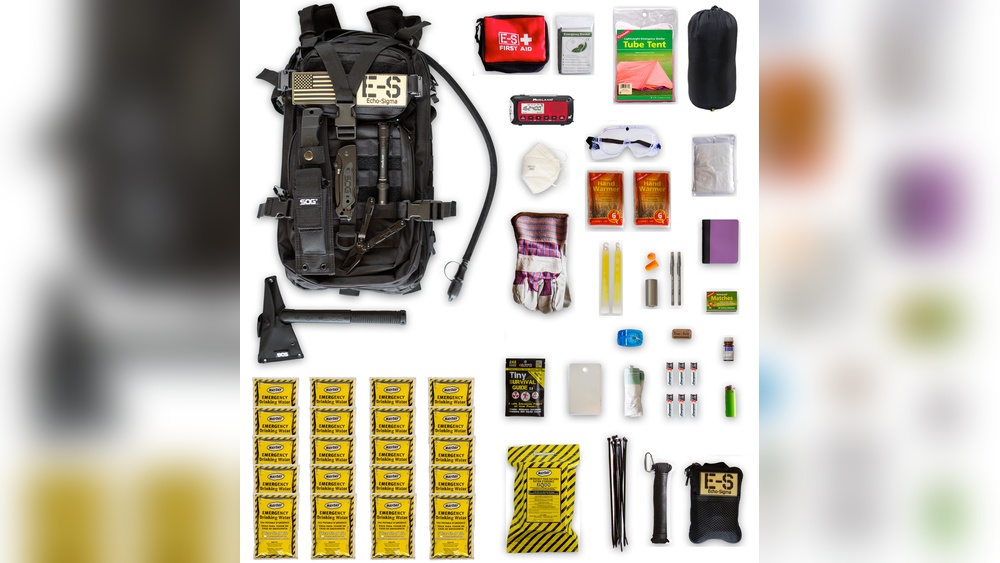
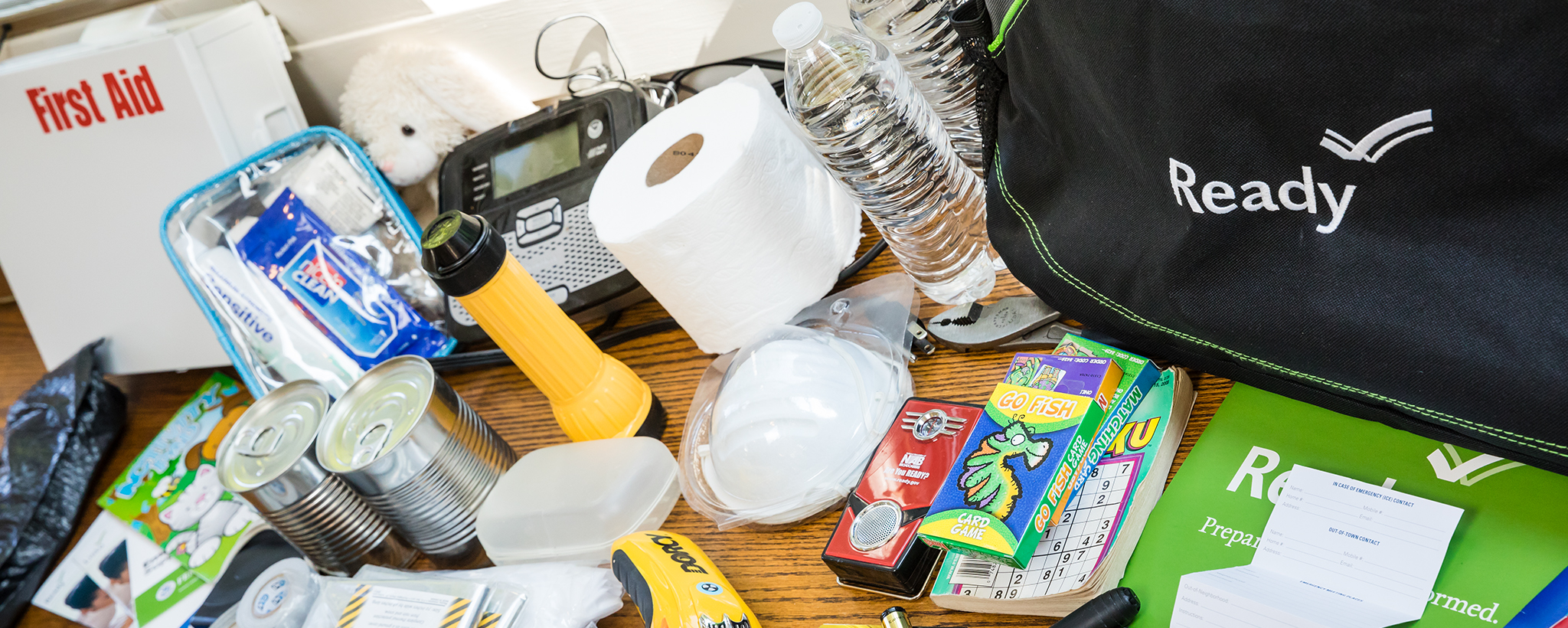
Survival gear includes tools for shelter, fire, water, and food. A sturdy knife or cutting tool is important. It helps build shelter and prepare food. A container for water collection and storage is vital. Fire starters like matches or lighters keep you warm. A flashlight or light source helps you see at night. Basic first aid supplies manage minor injuries. These key items protect and support your survival.
Materials Commonly Found At Home
Many home items can become survival tools. Empty cans can serve as cooking pots. Plastic bottles collect and store water. Old clothes can be turned into bandages or rope. Aluminum foil helps cook food and keep heat. Batteries power flashlights and other devices. Duct tape can fix gear or build shelter. These common materials help create useful survival gear fast.
Diy Shelter Solutions
Creating a safe shelter is key in any survival situation. Using items found at home, you can build a simple, effective shelter. These DIY solutions protect you from wind, rain, and cold. They help keep you safe and comfortable until help arrives.
Focus on sturdy structures and proper insulation. With a little creativity, common household materials can become lifesaving gear. Below are two easy ways to make your own shelter.
Building A Simple Tent
Start with a strong frame using broomsticks, mop handles, or sturdy branches. Tie them together with string, rope, or shoelaces. Use a large sheet, tarp, or blanket as the tent cover.
Secure the cover tightly over the frame. Use heavy books or furniture to hold edges down. Place the tent near a wall or fence for extra support.
Ensure an opening for fresh air and easy access. Keep the tent small to retain warmth. This simple tent offers shelter from rain and wind.
Creating Insulation Using Household Items
Insulation keeps your shelter warm by trapping body heat. Use newspapers, towels, or clothing to add layers inside the tent. Crumple paper or fabric to create air pockets that trap heat.
Lay blankets or rugs on the floor to block cold ground. Fill empty plastic bags with dry leaves or fabric scraps for extra padding. Wrap yourself in dry clothes to stay warm.
This insulation method improves comfort and reduces heat loss. It uses common items to protect you from the cold effectively.
Water Filtration And Storage
Water is essential for survival. Clean water keeps you healthy and hydrated. In emergencies, water sources may be unsafe. Knowing how to filter and store water at home helps ensure safety. This section explains easy ways to filter water and store it properly using common household items.
Making A Basic Water Filter
Start with a clean plastic bottle. Cut off the bottom to create a wide opening. Place a piece of cloth or coffee filter inside the neck to hold materials. Add layers of clean sand, activated charcoal, and small gravel. Pour water slowly through the filter. The water will come out cleaner, but still needs boiling before drinking. This filter removes dirt and some germs but does not kill bacteria. Boiling is necessary for safe drinking water.
Safe Water Storage Techniques
Use clean containers with tight lids to store water. Glass jars, plastic bottles, or food-grade buckets work well. Avoid containers that held chemicals or non-food items. Wash containers with soap and water before use. Store water in a cool, dark place to prevent algae growth. Label containers with the date of storage. Change stored water every six months for freshness. Always keep water covered to stop dust and insects.
Food Preparation Tools
Food preparation tools are essential for survival. They help you cook and store food safely. Using items found at home, you can create useful tools. These tools make your survival experience easier and more comfortable.
Crafting Cooking Utensils
Wooden spoons and spatulas can be made from sturdy sticks. Sand the edges smooth to avoid splinters. Use a knife or sharp object to shape them. Metal cans cut into strips serve as scrapers or small knives. Be careful with sharp edges. A sturdy branch can become a skewer for roasting food. Tie leaves or cloth to sticks for stirring or basting.
Improvised Food Storage Options
Clean jars and containers store dry foods safely. Use plastic bags to keep items dry and sealed. Aluminum foil wraps food to protect it from air and insects. Large leaves can act as natural wraps for fresh food. Empty cans or bottles make good containers after cleaning. Keep food off the ground to avoid pests. Store food in cool, dark places to extend freshness.
Fire Starting Methods
Fire is one of the most important survival tools. It provides warmth, light, and a way to cook food. Knowing how to start a fire using items at home can be very helpful in emergencies. Many common things can help you create sparks or flames quickly and safely.
Using Common Household Items
Use steel wool and a battery to start a fire fast. Rub the steel wool on the battery terminals. The wool will heat and catch fire. Cotton balls soaked in petroleum jelly make great tinder. They light easily and burn for a long time. Another option is using dryer lint. It is dry and flammable, perfect to help start a fire.
Kitchen matches and lighters work well but can run out. Try using a magnifying glass to focus sunlight on dry leaves. This method needs bright sun and patience. Always keep dry sticks and small twigs ready to feed the fire once it starts.
Safe Fire Maintenance Tips
Clear the area around your fire to prevent accidents. Use stones or a metal container to hold the fire. Keep water or sand nearby to put out flames quickly. Never leave a fire unattended, even for a short time. Add small sticks first, then bigger logs as the fire grows.
Keep the fire small and controlled. This reduces smoke and saves fuel. Make sure the fire is fully out before leaving. Pour water on the ashes and stir to cool everything down. A safe fire means safety for you and your home.

Credit: www.amazon.com
First Aid And Safety Gear
First aid and safety gear is essential in any survival situation. It helps treat injuries and protects you from harm. Making your own gear at home saves time and money. Most items you need are already around the house. Simple tools and materials can provide basic medical care and safety support.
Creating A Home First Aid Kit
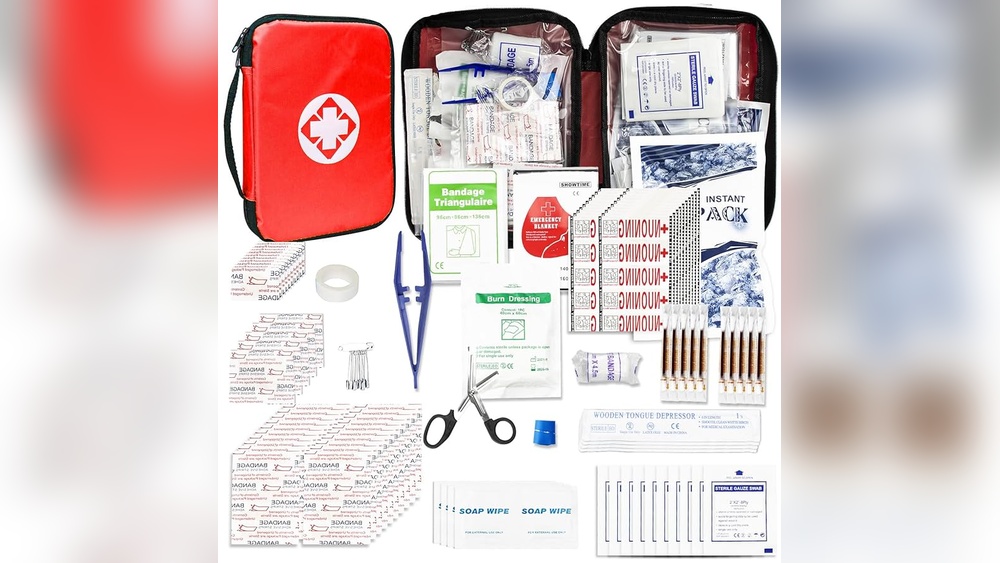
Start with a small box or container. Gather items like bandages, antiseptic wipes, and cotton balls. Use clean cloth to make gauze pads. Cut old t-shirts into strips for bandages. Keep adhesive tape or duct tape for securing dressings.
Add scissors and tweezers for removing splinters. Include pain relief pills and any personal medications. Store everything in a dry, easy-to-reach place. Check the kit regularly and replace used or expired items.
Protective Gear From Everyday Materials
Create face masks using clean cloth or old t-shirts. Cut fabric into rectangles and add elastic bands or strings. Use sturdy gloves like gardening gloves to protect your hands. For eye protection, use safety glasses or wrap plastic from clear packaging around your eyes.
Make a simple helmet by padding a sturdy hat with foam or folded cloth. Use duct tape to hold padding in place. Wear long sleeves and pants to prevent scratches and insect bites. These homemade items increase your safety during emergencies.
Navigation And Signaling Devices
Navigation and signaling devices are crucial in survival situations. They help you find your way and call for help. You can make effective tools using items found at home. These devices increase your chances of staying safe and being rescued.
Diy Compass Ideas
A simple compass can guide you without a store-bought tool. Take a needle and rub it on a magnet or silk cloth. This magnetizes the needle. Float the needle on a small piece of cork in water. The needle will point north. Use a bowl or a cup as your water container. This compass helps you know directions in the wild.
Making Emergency Signals
Emergency signals attract attention and help rescuers find you. Use a mirror or shiny metal to reflect sunlight. Flash the light towards a plane or distant person. Create a loud noise using pots, pans, or whistles. Arrange bright clothes or fabric in open spaces to signal visually. Use fire and smoke signals carefully if safe. These signals increase your chances of rescue.
Credit: www.ready.gov
Multi-purpose Tools From Home Items
Survival situations require tools that serve multiple purposes. Creating multi-purpose tools from home items saves time and space. It also helps you be ready with what you have around. Many common objects can change into useful survival gear. Simple changes make these items versatile for many tasks.
Transforming Common Objects
Household items like cans, jars, and utensils can turn into survival tools. An empty can becomes a small cooking pot or stove. Glass jars store food, water, or matches safely. Metal forks and spoons can act as digging or prying tools. Even old belts or shoelaces become strong ties or straps. Creativity helps you find new uses for everyday things.
Improvised Cutting And Repair Tools
Sharp edges are vital in survival. Broken glass or metal scraps can serve as cutting tools. Carefully sharpen plastic or metal pieces to cut rope or fabric. Needles from a sewing kit fix torn clothes or gear. Tin cans cut into small pieces become makeshift scrapers or hooks. These tools help with repairs and small tasks in the wild.
Tips For Maintaining Diy Gear
Maintaining your DIY survival gear is very important. Good care helps your gear last longer. It keeps your tools ready for use. Small fixes can stop big problems. Regular attention saves time and money.
Regular Checks And Repairs
Look at your gear often. Check for cracks, rust, or loose parts. Test each tool to see if it works well. Fix small breaks quickly. Use glue, tape, or thread for repairs. Replace parts that cannot be fixed. Keep your gear strong and safe.
Storage To Extend Longevity
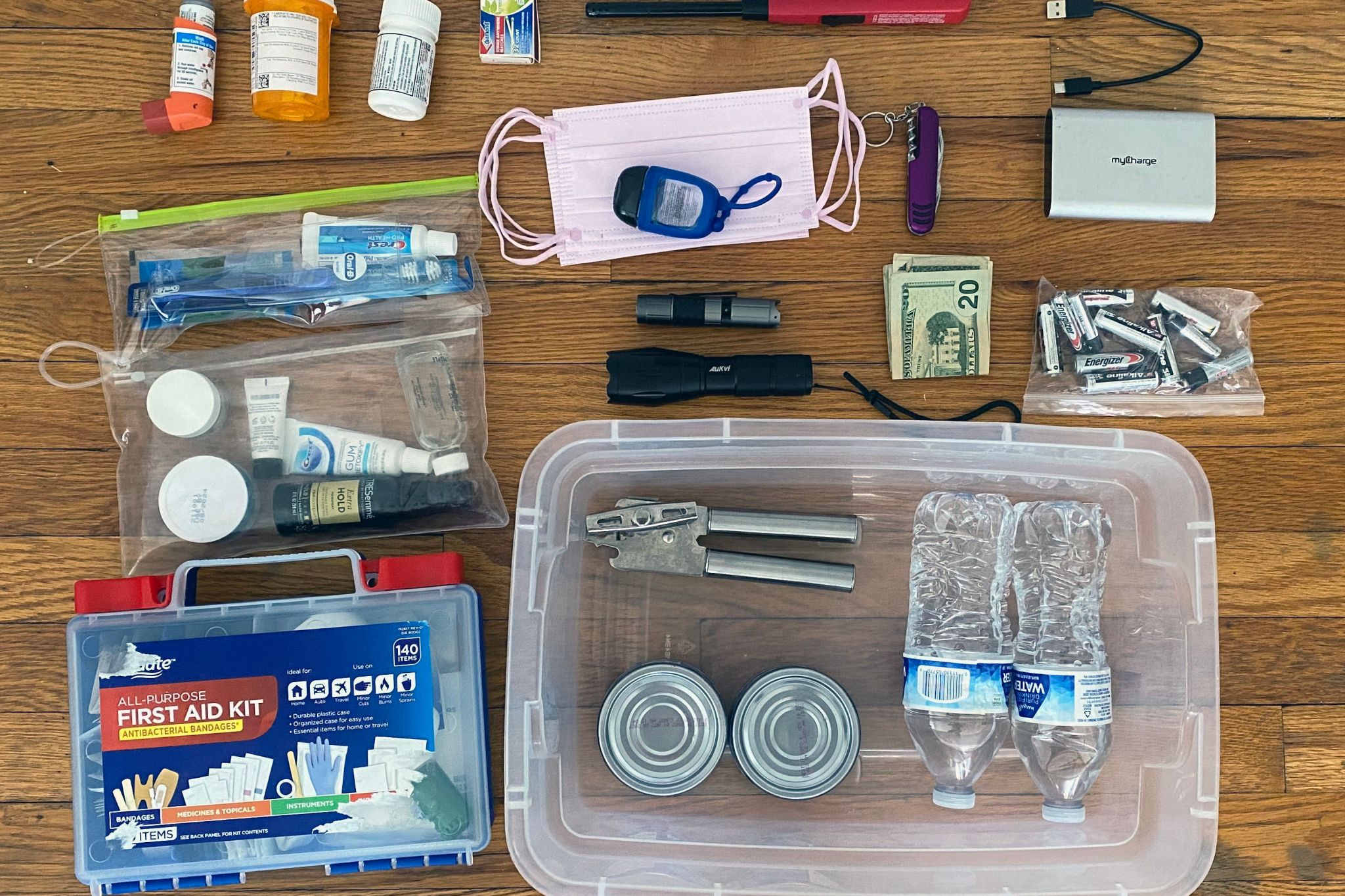
Store your gear in a dry, cool place. Avoid direct sunlight and moisture. Use boxes or bags to keep items clean. Label containers for easy finding. Keep sharp tools covered to avoid damage. Proper storage stops rust and wear. This keeps your gear ready for emergencies.
Credit: www.houselogic.com
Frequently Asked Questions
What Household Items Can Be Used For Survival Gear?
Common items like duct tape, plastic bottles, and aluminum foil can be repurposed. These materials help create tools, water filters, and fire starters easily at home.
How To Make A Survival Shelter Using Home Materials?
Use blankets, tarps, and sturdy sticks to build a simple shelter. These items provide insulation and protection from the elements when outdoors.
Can Kitchen Supplies Help In Making Survival Tools?
Yes, kitchen supplies like knives, pots, and rubber bands are useful. They assist in cooking, cutting, and securing items during emergencies.
What Are Simple Fire-starting Methods With Household Items?
Use cotton balls with petroleum jelly or steel wool and a battery. These combinations ignite quickly and are easy to prepare in advance.
Conclusion
Making survival gear at home is simple and useful. You can use everyday items to stay safe and prepared. Practice these skills to build confidence and readiness. Small efforts can help you face unexpected situations better. Stay calm, think clearly, and use what you have.
Being ready means protecting yourself and your loved ones. Keep learning and improving your survival skills regularly. Survival gear made at home can give peace of mind. Keep tools handy and know how to use them well. Safety starts with preparation and smart choices.