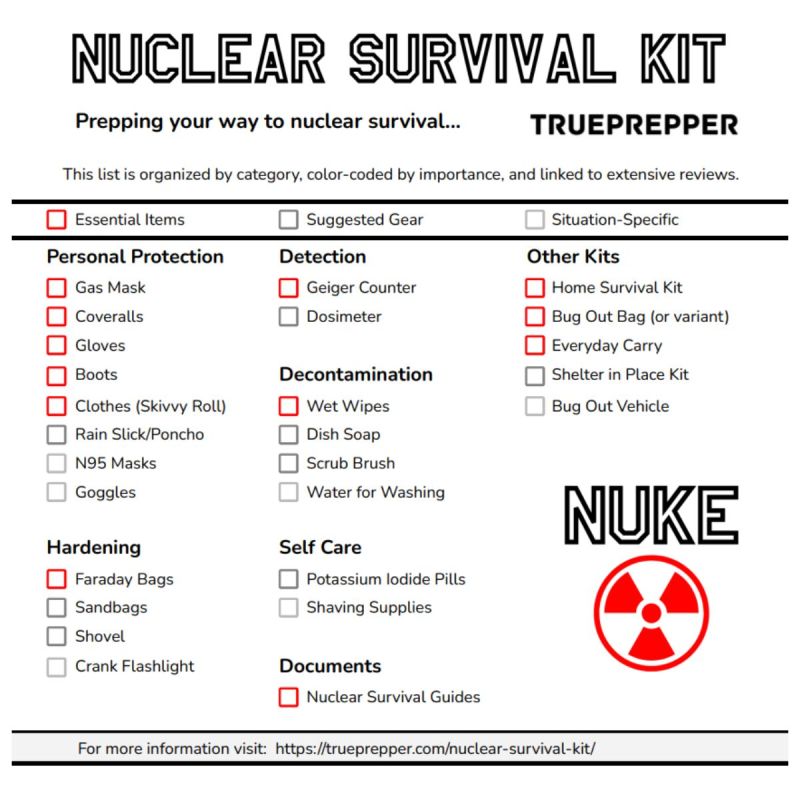
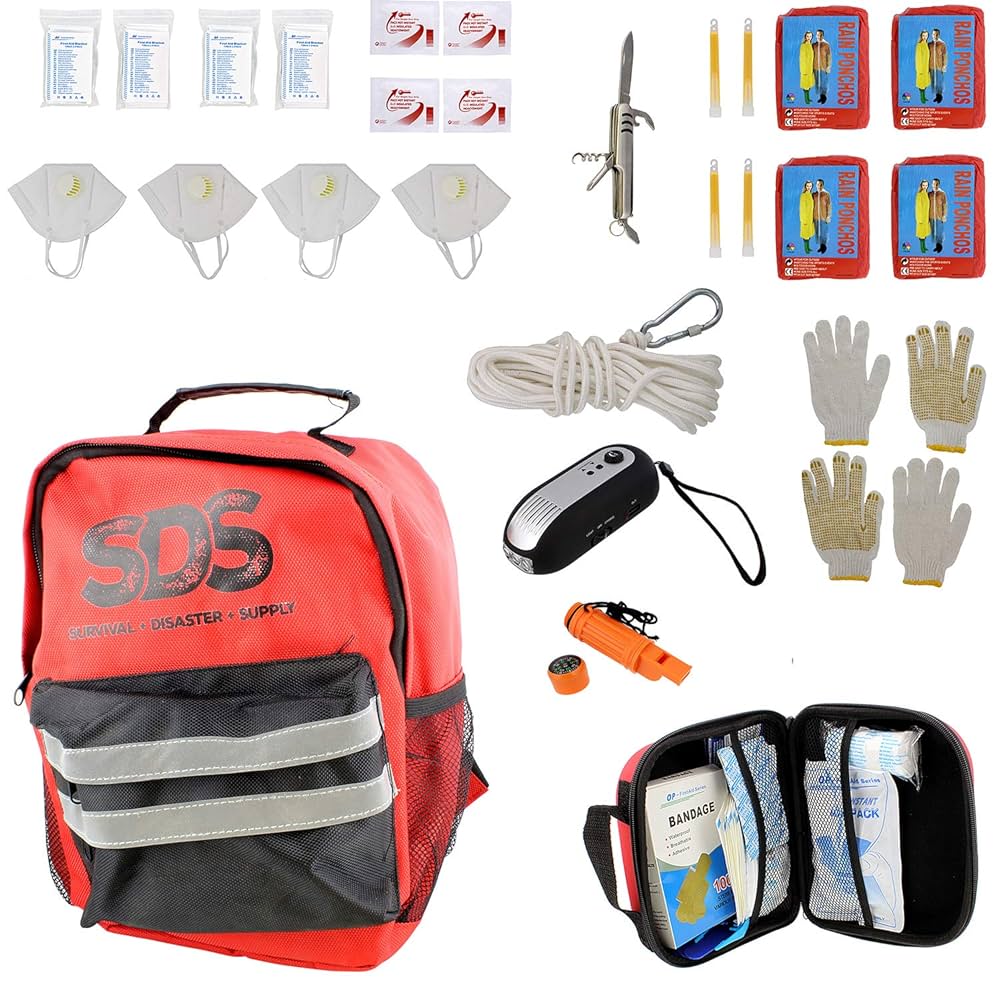
Imagine facing a natural disaster without the right supplies. Scary, right?
Your safety and well-being depend on how prepared you are. Building a natural disaster survival kit is one of the smartest steps you can take to protect yourself and your loved ones. You will discover simple, practical tips to create a kit that meets your needs.
Keep reading to learn how to stay ready and confident when disaster strikes. Your peace of mind starts here.
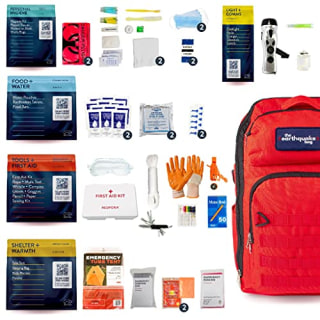
Credit: www.nbcnews.com
Assess Your Risks
Preparing a natural disaster survival kit starts with knowing your risks. Each area faces different dangers. Understanding these risks helps you pack smart and stay safe. Assessing your risks means looking closely at where you live and who you live with.
Identify Local Hazards
Check what disasters happen in your region. Some places have floods, others face earthquakes or hurricanes. Knowing local hazards guides your kit choices. For example, a flood zone needs waterproof supplies. A wildfire area calls for masks and goggles.
Ask local authorities or visit government websites. Write down the common threats. Think about how often they happen and their severity. This knowledge shapes your survival kit contents.
Consider Family Needs
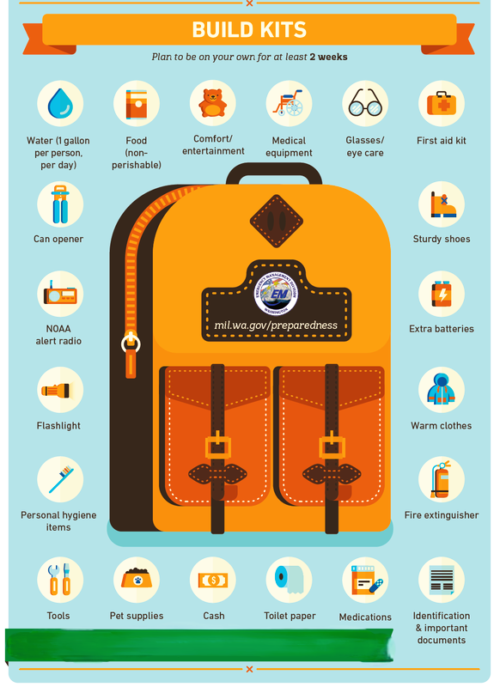
Think about each family member’s needs. Babies, elderly, and pets require special items. Include enough food and water for everyone. Pack medicines and medical supplies for health conditions.
Plan for communication tools if someone has hearing or speech difficulties. Add comfort items for children to reduce stress. Tailoring your kit to your family makes it practical and useful.
Credit: www.cresa.wa.gov
Choose The Right Container
Choosing the right container for your natural disaster survival kit can make a huge difference in how easily you access your supplies and how well they stay protected. The container needs to be strong enough to handle rough conditions but also easy enough to carry when you’re on the move. Think about where you’ll keep it and how you’ll transport it during an emergency.
Durability And Portability
Durability is key. Look for containers made of tough materials like hard plastic or metal that won’t crack or break under pressure. I once used a flimsy bag, and it tore during a quick evacuation—losing important items in the process.
Portability matters just as much. Your container should have comfortable handles or straps. If you have to carry your kit for a long distance, a backpack-style container can be a lifesaver. Ask yourself: can I easily grab and carry this without slowing down?
Waterproof Options
Waterproof containers protect your supplies from rain, floods, and spills. A kit that gets soaked can leave you without usable gear at the worst possible moment. Think about sealed plastic bins or dry bags that lock out moisture completely.
Remember, water damage isn’t always obvious right away. Electronics and documents hidden in a wet container might fail when you need them most. Investing in a waterproof container is an easy way to avoid that risk and keep your kit ready for action.
Stock Essential Supplies
Stocking essential supplies is the core of any natural disaster survival kit. It ensures you have what you need to stay safe and healthy. Focus on gathering items that cover basic needs like food, water, medical care, and tools. These supplies should last at least three days. Choose durable, easy-to-store items that do not spoil quickly. Organize everything in one place for quick access during emergencies.
Food And Water
Choose non-perishable food items. Canned goods, dry pasta, rice, and nuts work well. Pick foods that need little or no cooking. Include energy bars for quick snacks. Store at least one gallon of water per person per day. Use water purification tablets or filters as backups. Rotate supplies regularly to keep them fresh.
First Aid Items
Include a basic first aid kit with bandages, antiseptic wipes, and gauze. Add pain relievers, allergy medicine, and any personal prescriptions. Pack scissors, tweezers, and medical tape. Keep a thermometer and instant cold packs. Consider extra supplies for children or elderly family members.
Tools And Equipment
Gather tools that help with survival and repair. A flashlight with extra batteries is vital. Pack a multi-tool or Swiss army knife. Include matches or a lighter in a waterproof container. Carry a whistle to signal for help. Add duct tape, rope, and plastic sheeting for shelter or repairs.
Include Personal Items
Including personal items in your natural disaster survival kit is essential. These items help maintain health, safety, and comfort during emergencies. Personal belongings ensure you can manage daily needs and reduce stress.
Focus on items that support your well-being and identity. These can make a big difference in difficult situations.
Medications And Documents
- Pack all prescription medications with clear labels.
- Include over-the-counter medicines like pain relievers and allergy pills.
- Store copies of important documents: ID, insurance, and medical records.
- Use waterproof bags or containers to keep documents safe.
- Consider a list of emergency contacts and any medical conditions.
Clothing And Hygiene
- Choose comfortable, weather-appropriate clothing and sturdy shoes.
- Pack extra socks and underwear for cleanliness and comfort.
- Include basic hygiene items: toothbrush, toothpaste, soap, and wipes.
- Add feminine hygiene products if needed.
- Don’t forget a small towel and hand sanitizer.
Plan For Communication
Planning for communication during a natural disaster can make the difference between staying safe and feeling completely lost. Without reliable ways to reach loved ones or emergency services, even the best survival kit falls short. Preparing your communication strategy ahead of time keeps you connected when it matters most.
Emergency Contacts
Write down essential phone numbers on paper. This includes family members, close friends, neighbors, and local emergency services. Phones can lose power or get damaged, so having physical copies ensures you don’t lose access to these critical contacts.
Create a small, easy-to-carry list with names, phone numbers, and addresses. Share this list with everyone in your household. Also, include alternative contacts outside your immediate area who can act as a communication hub if local networks fail.
Have you thought about how you’ll reach someone if cell towers go down? Identifying a meeting point or a designated person to check in with can keep everyone informed without relying on electronic devices.
Communication Devices
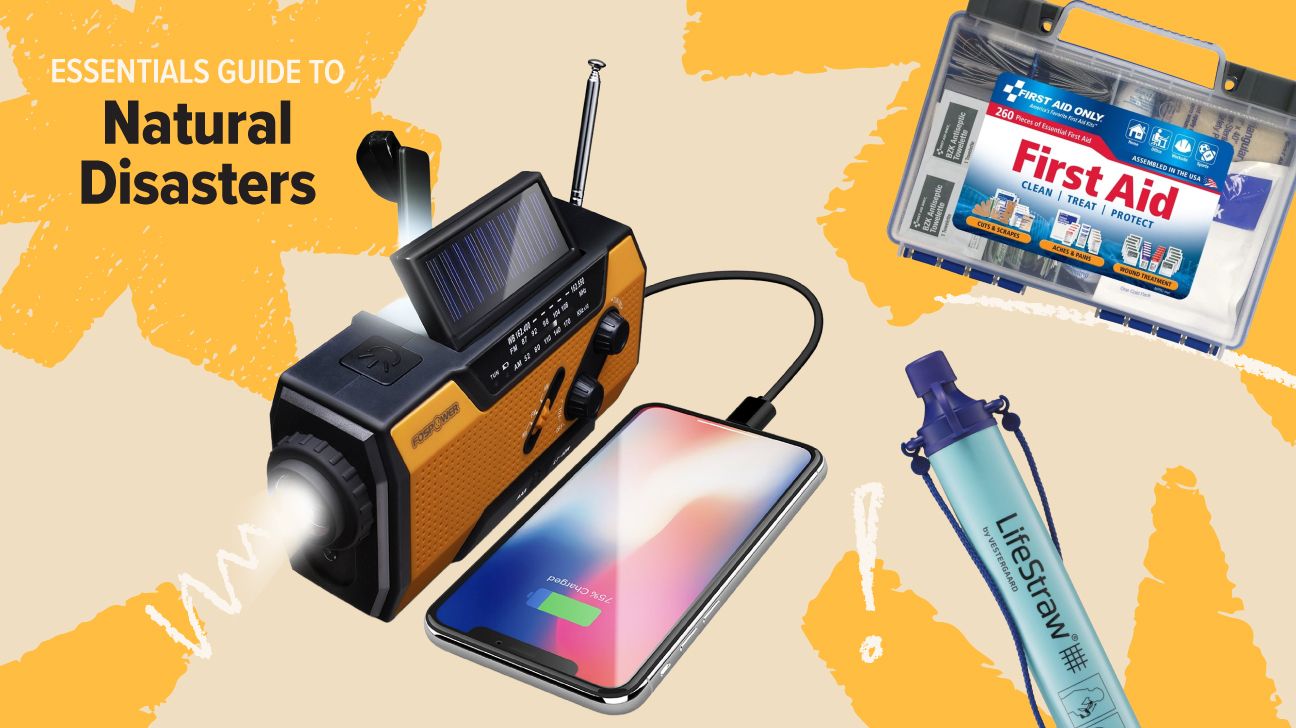
Include multiple communication tools in your survival kit to cover different scenarios. A charged mobile phone is essential, but add a portable power bank to keep it alive longer during outages. Consider a solar charger as a backup to maintain power without electricity.
Walkie-talkies or two-way radios are invaluable when cell service is unavailable. They provide direct communication within short distances and don’t depend on cellular networks. Make sure you and your family know how to use them and keep spare batteries handy.
Another smart addition is a whistle or signal mirror for attracting attention if you’re trapped or separated. These simple, low-tech tools can help rescuers locate you quickly when voice or phone calls aren’t possible.
Maintain And Update Kit
Keeping your natural disaster survival kit ready is just as important as assembling it. A kit left untouched can quickly become useless if items expire or get damaged. Regular maintenance ensures you’re not caught off guard when an emergency strikes.
Regular Checks
Set a schedule to check your kit every few months. Look for signs of wear, damage, or missing items. You might find that batteries have leaked or packaging has torn, which can ruin your supplies.
Ask yourself: Would you feel confident using everything in your kit right now? If not, it’s time to take a closer look. Testing flashlights and radios during these checks can save you from surprises later.
Replacing Expired Items
Food and medicine often have expiration dates, and using expired items can be risky. Keep a list of expiration dates and replace items as they near the end of their shelf life. This keeps your kit safe and effective.
Consider rotating your food supplies into your regular pantry to avoid waste. Then, replenish your kit with fresh items. This practical step keeps your kit stocked without extra cost.
Do you know the last time you replaced your water supply? Water can become contaminated over time, so refreshing it every six months is a smart move. Staying proactive here could make a big difference when it counts.
Store Kit Strategically
Storing your natural disaster survival kit strategically is vital. It ensures quick access during emergencies. Thoughtful placement saves precious time and reduces stress. Planning storage locations in advance prepares you better for any disaster.
Accessible Locations
Store your kit where everyone can easily reach it. Choose places near main exit doors or common rooms. Avoid high shelves or locked cabinets that slow you down. Keep it visible and free from clutter. Make sure all family members know the location well.
Multiple Kits
Keep more than one kit in different spots. Place one in your home, another in your car, and one at work. This way, you have supplies wherever you go. It covers various scenarios and unexpected situations. Check and update each kit regularly for freshness and completeness.
Credit: www.healthline.com
Frequently Asked Questions
What Are The Essential Items For A Survival Kit?
A survival kit must include water, non-perishable food, a first aid kit, flashlight, batteries, and a multi-tool. Also, add important documents, cash, and a whistle. These essentials help you stay safe and meet basic needs during a disaster.
How Much Water Should I Store For Emergencies?
Store at least one gallon of water per person daily. Plan for a minimum of three days to ensure hydration. Water is crucial for survival, so having an adequate supply is vital during natural disasters.
Where Should I Keep My Survival Kit?
Keep your kit in an easily accessible, waterproof container. Store it in a safe place at home and a portable version for your car. Quick access ensures you can grab it during emergencies without delay.
How Often Should I Update My Survival Kit?
Review your survival kit every six months to replace expired items. Update food, water, batteries, and medications regularly. Keeping your kit current ensures all supplies remain safe and effective in an emergency.
Conclusion
Creating a natural disaster survival kit is essential. It ensures your safety and preparedness. Start by gathering necessary supplies like food, water, and first aid. Don’t forget flashlights and batteries for power outages. Important documents should be stored in waterproof bags.
Regularly check and update your kit. Replace expired items promptly. Practice using the tools in your kit. This boosts confidence during emergencies. Teach family members about the kit’s location and use. Preparation today can save lives tomorrow. Stay safe and ready for any natural disaster.
Your readiness is your best defense.