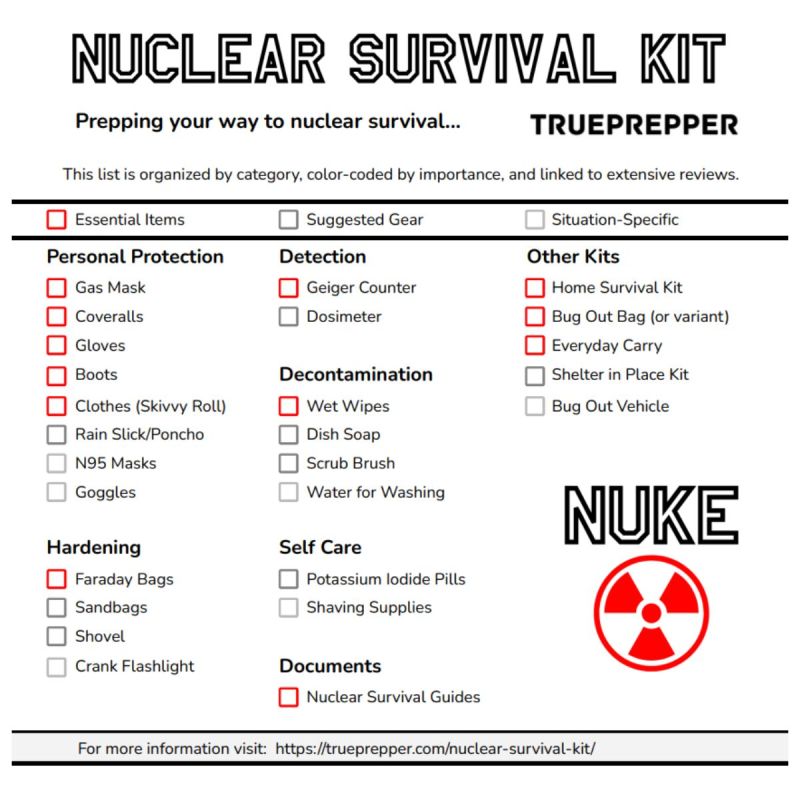
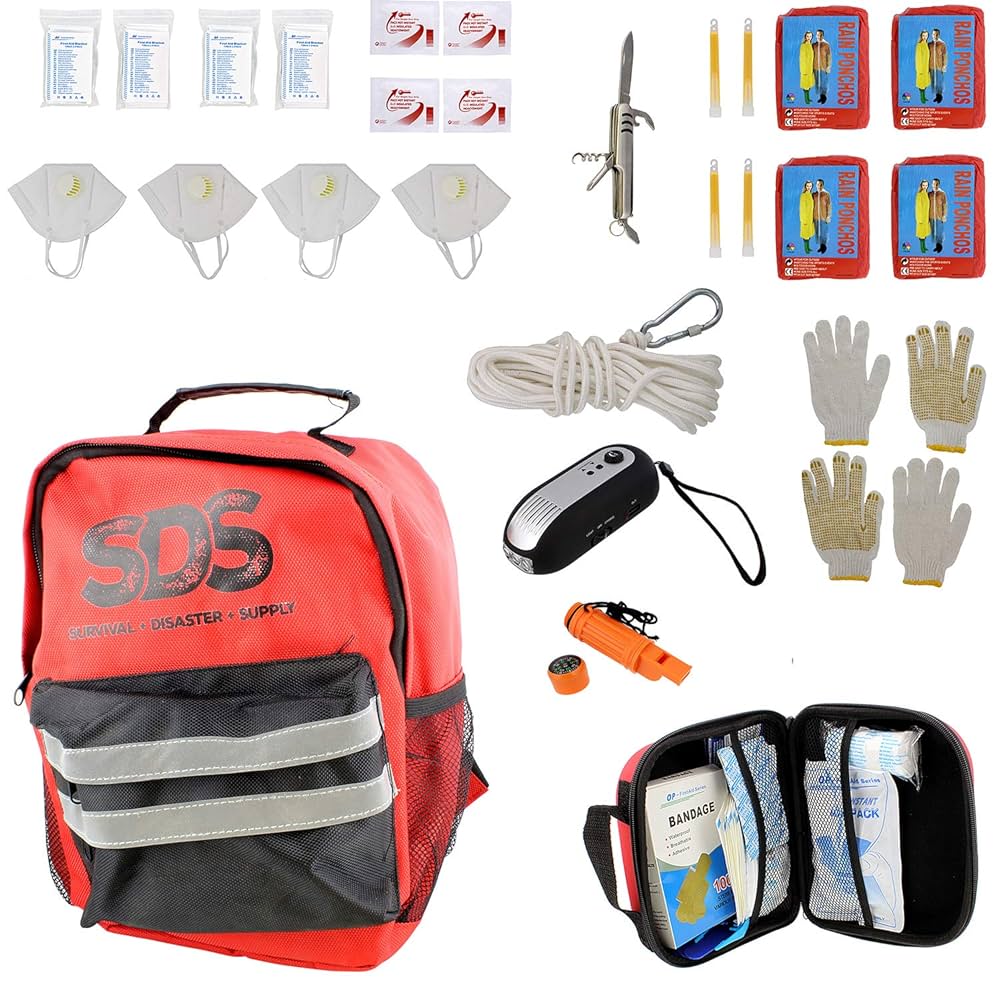
When disaster strikes, having the right survival kit can make all the difference between staying safe and facing serious trouble. But what exactly should you pack to be truly prepared?
You might think of just food and water, but a well-stocked kit includes much more. You’ll discover the essential items that belong in your survival kit to keep you ready for any emergency. Keep reading—you don’t want to miss these crucial survival must-haves that could save your life.
Basic Survival Gear
Basic survival gear forms the foundation of any reliable survival kit. These items help sustain life and maintain safety in tough situations. They cover the essentials needed for water, food, and shelter. Choosing the right gear increases your chances of staying safe and comfortable outdoors or in emergencies.
Water And Hydration Tools
Water is the most crucial element for survival. Include a sturdy water container to store and carry water. Pack water purification tablets or a portable filter to make unsafe water drinkable. Collapsible water bottles save space and are easy to carry. A small metal cup can help boil water to kill germs.
Food And Nutrition Supplies
Food provides energy and keeps the body strong. Pack non-perishable items like energy bars, nuts, and dried fruits. Lightweight, high-calorie food is best for emergencies. Consider ready-to-eat meals that need no cooking. A compact utensil set helps with eating and cooking tasks.
Shelter And Warmth Essentials
Shelter protects from weather and keeps you warm. A lightweight tent or tarp offers quick cover. Include an emergency blanket or sleeping bag for insulation. Fire-starting tools like waterproof matches or a lighter are vital. Warm clothing layers and gloves help maintain body heat.
Navigation And Signaling
Navigation and signaling tools are essential for any survival kit. They help you find your way and alert rescuers if you get lost. Without these items, staying safe in the wilderness becomes much harder.
Compasses And Maps
A reliable compass can guide you through unfamiliar terrain when GPS devices fail or run out of battery. Pair it with a detailed map of the area you’re in to pinpoint your location accurately.
Don’t just pack these items—practice using them before you need them. Knowing how to read a topographic map and orient a compass can save you hours or even days in an emergency.
Signal Mirrors And Whistles
Signal mirrors reflect sunlight and create flashes visible from miles away, making them perfect for attracting attention. Whistles produce loud, piercing sounds that carry farther than shouting.
Carrying both means you have options whether it’s daytime or night, near or far. Have you tested how far your whistle can be heard? It might surprise you how effective it can be.
Flashlights And Batteries
Flashlights provide critical light in dark conditions, helping you navigate safely and signal for help. Always bring extra batteries and store them separately to avoid losing power when you need it most.
Consider compact LED flashlights—they’re durable and energy-efficient. Have you checked if your flashlight has multiple modes like SOS or strobe? These can be lifesavers when signaling.
First Aid And Medical Items
First aid and medical items are essential in any survival kit. They help treat injuries and prevent infections. Having the right supplies can make a big difference in emergencies. Focus on items that address cuts, scrapes, pain, and wounds. Keep them organized and easy to reach.
Bandages And Dressings
Bandages and dressings protect wounds from dirt and germs. Include various sizes of adhesive bandages for small cuts. Sterile gauze pads help cover larger wounds. Elastic bandages support sprains and hold dressings in place. Use adhesive tape to secure dressings firmly. Keep a few butterfly closures to close deeper cuts.
Medications And Pain Relievers
Medications ease pain and fight infection. Pack pain relievers like ibuprofen or acetaminophen. Include antihistamines for allergic reactions. Add antiseptic wipes or ointments to clean wounds. Consider carrying anti-diarrheal pills and oral rehydration salts. Always check expiration dates and replace old medicines.
Tools For Wound Care
Tools help clean and treat wounds effectively. Include a pair of small scissors to cut tape and gauze. Tweezers remove splinters or debris from wounds. A digital thermometer monitors body temperature. Disposable gloves protect against infection. Carry a small flashlight for better visibility while treating injuries.
Fire Starting Equipment
Fire starting equipment is a crucial part of any survival kit. It ensures you can create warmth, cook food, and signal for help when needed. Having reliable tools to start a fire can make a significant difference in your safety and comfort during an emergency.
Matches And Lighters
Matches are simple and effective, but not all matches are created equal. Waterproof or stormproof matches last longer and can light in wet conditions. Keep a small box or a few matchbooks sealed in a waterproof container to protect them from moisture.
Lighters are reusable and convenient. A windproof lighter offers better reliability outdoors. Consider carrying a backup lighter along with matches to double your chances of success.
Fire Starters And Tinder
Fire starters help ignite your fire quickly, even in damp environments. Common options include cotton balls soaked in petroleum jelly, commercial fire starter cubes, or dryer lint stored in a waterproof bag.
Tinder should catch sparks or flames easily. Dry leaves, small twigs, and shredded bark work well. Collect and store these in your kit so you don’t have to search for them when it’s critical.
Safety And Storage Tips
- Store fire-starting tools separately:If one gets lost or damaged, you still have backups.
- Use waterproof containers:Protect matches, tinder, and fire starters from rain and humidity.
- Practice safe fire-making:Always clear the area of flammable debris and never leave a fire unattended.
Have you tested your fire-starting gear in different weather conditions? Regular practice can reveal weaknesses in your setup and build your confidence when it matters most.
Tools And Multi-tools
Tools and multi-tools are the backbone of any survival kit. They help you tackle countless challenges, from preparing food to building shelter. Choosing the right tools can make your time in the wild safer and more efficient.
Knives And Cutting Tools
A sharp, reliable knife is essential. It can help with cutting rope, preparing food, and even self-defense. Look for a fixed blade knife with a sturdy handle for durability.
Don’t overlook other cutting tools like folding knives or small saws. These can be easier to carry and offer versatility. Have you ever tried opening a can or slicing through thick branches without a proper blade? It quickly shows how vital these tools are.
Multi-tools And Utility Gear
Multi-tools pack several functions into one compact piece of gear. They often include pliers, screwdrivers, scissors, and more. Carrying a multi-tool means you’re ready for unexpected fixes or tasks without extra weight.
Choose a multi-tool that feels comfortable in your hand and has the tools you’re most likely to need. Have you found yourself wishing you had a specific tool during an emergency? A good multi-tool can solve that problem.
Cordage And Repair Supplies
Cordage like paracord is incredibly useful. It can be used for shelter building, securing gear, or even making traps. Paracord is strong, lightweight, and easy to carry, making it a survival staple.
Include basic repair supplies such as duct tape, zip ties, and needles with thread. These small items can fix torn clothing, broken gear, or even help with first aid. When your equipment fails, these items often save the day.

Credit: premierbodyarmor.com
Personal Protection Items
Personal protection items are essential in any survival kit. They help shield you from environmental dangers and keep you safe. These items protect against insects, harsh weather, and other outdoor threats. Carrying the right gear can make a big difference during emergencies.
Insect Repellents And Sunscreen
Insect repellents prevent bites from mosquitoes and ticks. These bugs can carry diseases and cause discomfort. Choose repellents with DEET or natural alternatives like citronella. Sunscreen protects your skin from harmful UV rays. Sunburn can lead to serious skin damage and dehydration. Include a broad-spectrum sunscreen with at least SPF 30 in your kit.
Protective Clothing
Clothing plays a key role in personal protection. Wear long sleeves and pants to reduce skin exposure. Lightweight, breathable fabrics keep you cool and protected. Hats and gloves guard your head and hands from injury. Waterproof boots protect feet from wet and rough terrain. Pack clothes that suit the climate and environment you expect.
Emergency Blankets And Ponchos
Emergency blankets keep you warm by reflecting body heat. They are compact and lightweight, perfect for survival kits. Ponchos offer quick rain protection and help prevent hypothermia. Use ponchos to create shelters or cover gear. Both items are multipurpose and improve your chances of staying dry and warm.
Additional Survival Extras
Extra items in a survival kit can improve safety and comfort. These additions help you stay connected, manage finances, and maintain cleanliness. Small, useful tools make a big difference during emergencies.
Emergency Communication Devices
Communication tools are vital for sending distress signals. A whistle or signal mirror can catch attention from rescuers. A fully charged power bank helps keep phones alive. Two-way radios work well when cell service is down. A small flashlight with SOS mode aids in night signaling.
Cash And Important Documents
Cash is useful when electronic payments fail. Keep small bills in a waterproof pouch. Copies of ID, medical records, and insurance papers are essential. Store these in a sealed plastic bag to protect from water. Having these ready speeds up aid and recovery.
Personal Hygiene Items
Cleanliness prevents illness in tough conditions. Pack travel-sized soap, toothbrush, and toothpaste. Hand sanitizer kills germs when water is scarce. Include wet wipes for quick cleaning. Small towels or tissues help keep skin dry and clean.

Credit: mendovoice.com
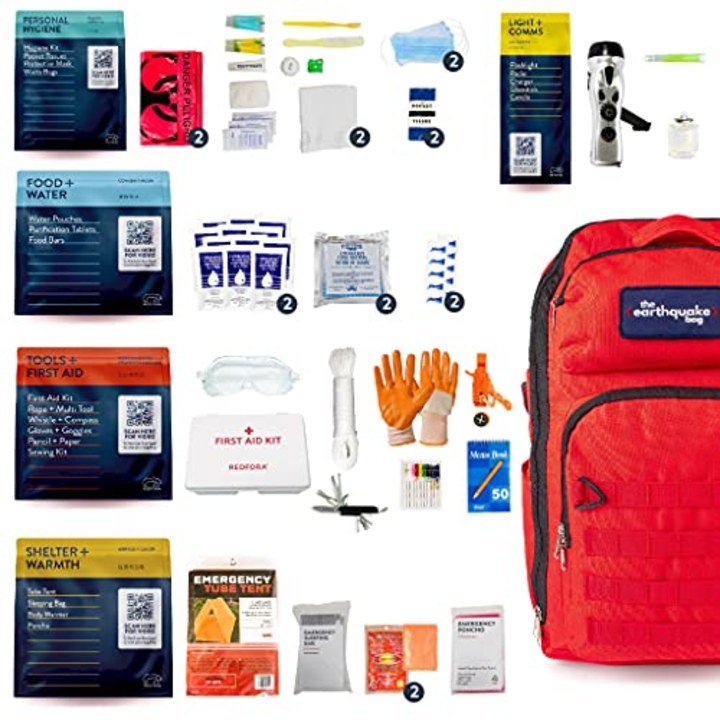
Credit: www.nbcnews.com
Frequently Asked Questions
What Are The Essential Items For A Survival Kit?
Essential items include water, food, first aid, fire starters, and a flashlight. These basics ensure safety and sustenance during emergencies.
How Do I Choose The Right Survival Kit Items?
Choose items based on your environment, duration, and specific needs. Prioritize lightweight, multi-use tools for efficiency.
Can I Customize A Survival Kit For Different Scenarios?
Yes, customize kits for hiking, car emergencies, or natural disasters. Tailor supplies to match the unique challenges you may face.
How Often Should I Check And Update My Survival Kit?
Check your kit every six months. Replace expired food, batteries, and worn-out gear to keep it reliable.
Conclusion
A survival kit is essential for emergencies. It keeps you prepared and safe. Include basics like water, food, and first aid. Don’t forget a flashlight and batteries. A multi-tool can be very handy. Pack matches or a lighter for fire.
Maps help if you’re lost. Always check your kit regularly. Replace expired items promptly. Keep it accessible and organized. Know how to use everything inside. Practice using your kit in advance. Being ready can make a big difference. Your survival kit is your safety net.
Stay prepared and stay safe.