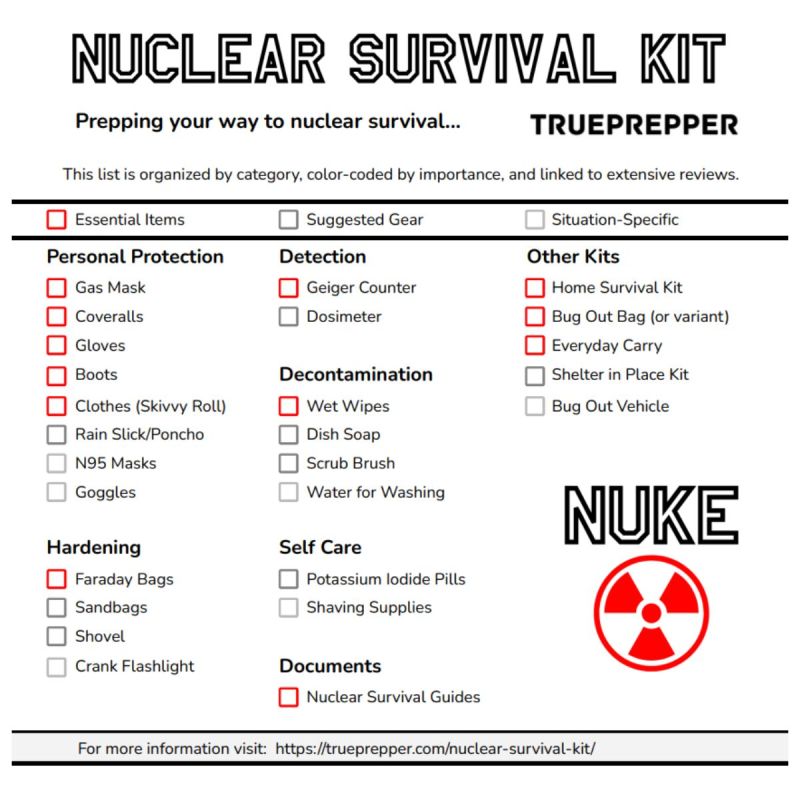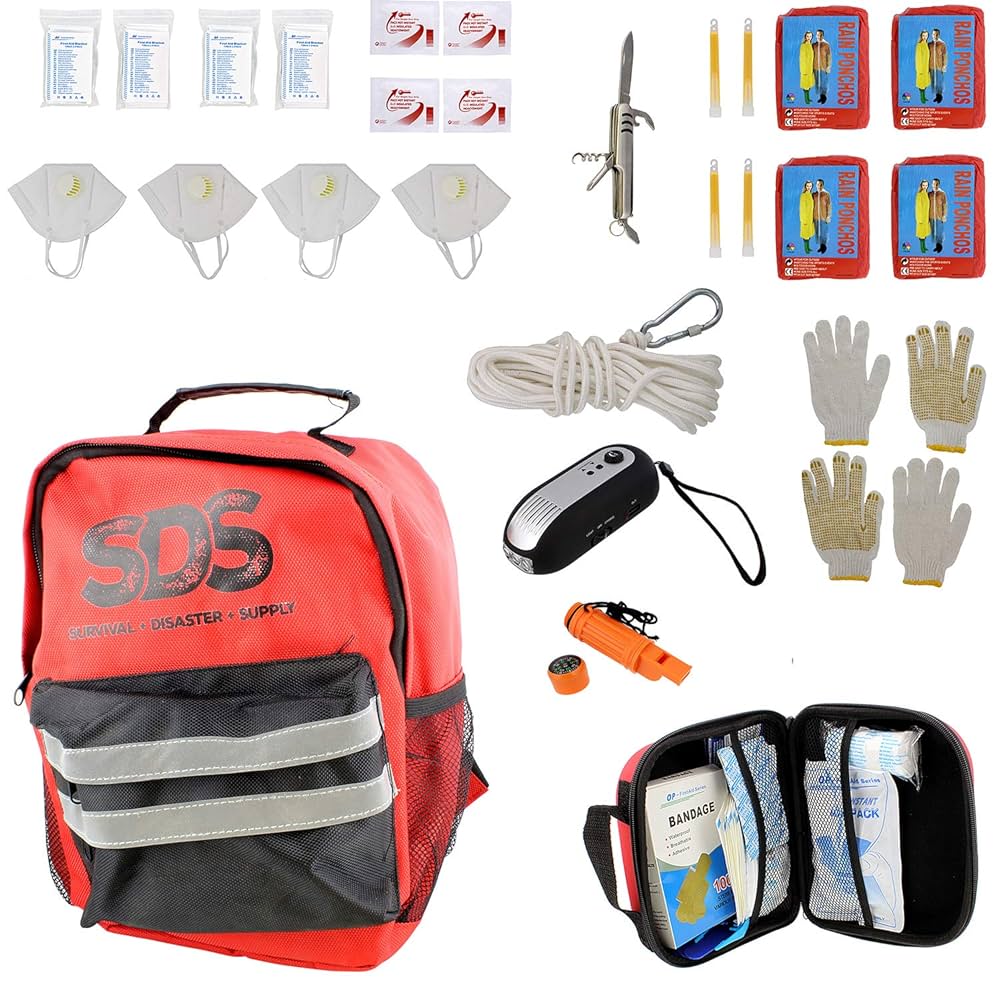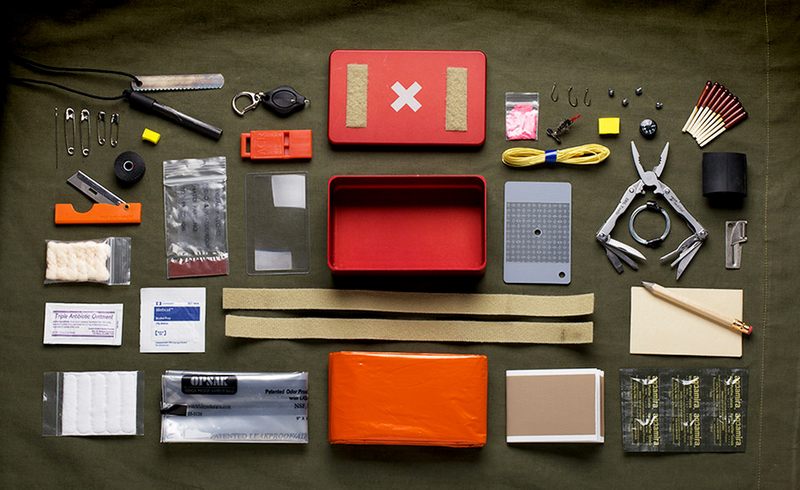
Imagine waking up to a world overrun by zombies. Sounds scary, right?
But what if you could be ready for anything? Building a zombie survival kit is not just about fun or fantasy—it’s about being prepared for emergencies. In this guide, you’ll discover simple steps to put together your own kit. You’ll learn what essentials you need, how to choose the best tools, and why each item matters.
By the end, you’ll feel confident knowing you have what it takes to survive. Ready to protect yourself and those you care about? Let’s dive in.
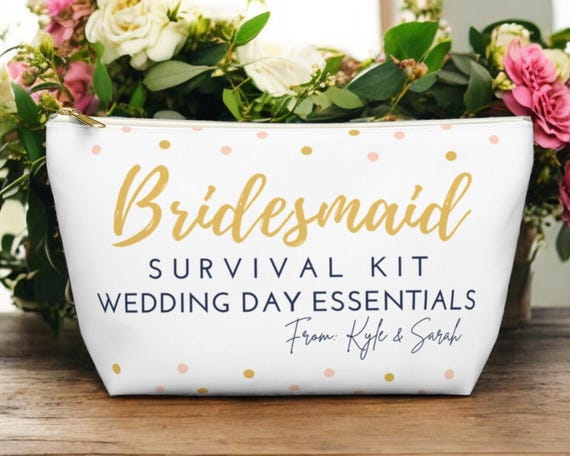
Credit: www.etsy.com
Choosing The Right Container
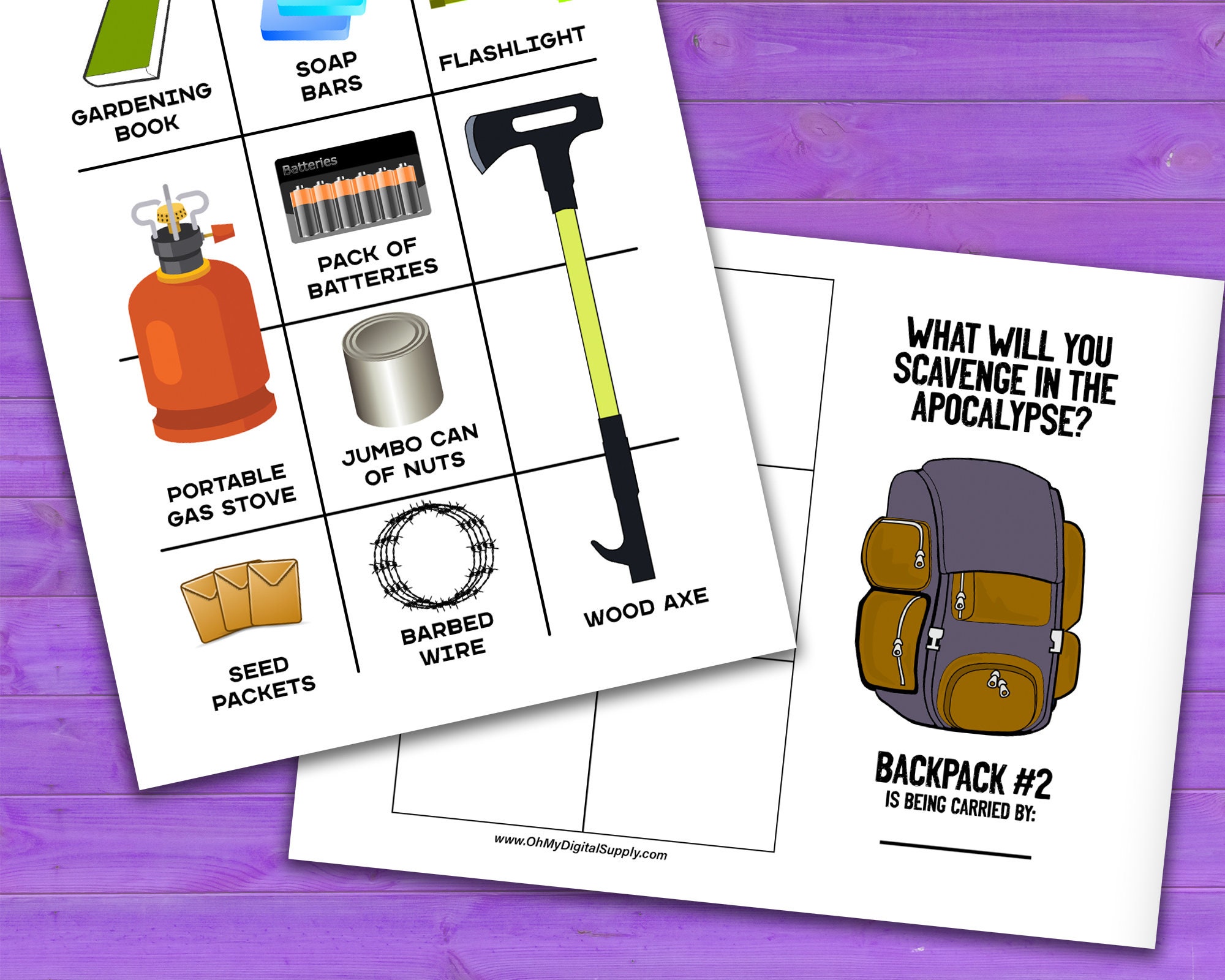
Choosing the right container is essential for your zombie survival kit. It holds all your supplies and keeps them safe. The right container makes carrying your kit easier and protects items from damage or weather. Think about durability, portability, size, and organization before picking one. A good container can save time and effort during an emergency.
Durability And Portability
Durability means the container must resist wear and tear. Strong materials like hard plastic or metal work best. It should survive drops, rain, and rough conditions. Portability means you can carry it easily. Look for containers with handles or straps. Lightweight options help you move fast and stay agile. A tough but light container is ideal for any survival situation.
Size And Compartments
The container should be big enough to fit all your gear. Yet, it must not be too bulky or heavy. Choose a size that matches your needs and carrying ability. Compartments inside help organize items neatly. Separate sections prevent damage and speed up finding things. Pockets, dividers, or small boxes inside keep everything in place. Good organization saves time and stress in an emergency.
Basic Survival Tools
Basic survival tools form the heart of any zombie survival kit. These tools help you stay safe, find food, and solve problems. They must be reliable, easy to use, and durable. Choose tools that fit your needs and can handle tough situations.
Multi-tools And Knives
Multi-tools combine many functions in one compact device. They often include pliers, screwdrivers, scissors, and blades. Carrying a multi-tool saves space and weight. Knives are essential for cutting, self-defense, and food preparation. Pick a knife with a strong, sharp blade and a comfortable grip. Fixed-blade knives last longer and are more durable than folding ones. Always keep your tools clean and sharp.
Fire Starters And Lighting
Fire is crucial for warmth, cooking, and signaling. Fire starters include waterproof matches, lighters, and ferro rods. Ferro rods work in wet conditions and last a long time. Carry more than one fire starter to avoid failure. Lighting tools help you see in the dark and stay alert. Headlamps free your hands and last longer than flashlights. Keep extra batteries or use rechargeable lights for efficiency.
Food And Water Supplies
Food and water are the backbone of any survival kit, especially in a zombie apocalypse where access to fresh supplies can be unpredictable. You need items that last long, provide enough energy, and require minimal preparation. Planning your food and water supplies carefully can keep you strong and alert when every second counts.
Non-perishable Food Options
Choose foods that won’t spoil quickly and can be eaten without cooking. Canned beans, vegetables, and meats are excellent because they stay good for years and offer solid nutrition. Don’t forget dried fruits and nuts—they’re lightweight, calorie-dense, and easy to carry.
Energy bars and freeze-dried meals are great for quick boosts. They don’t take up much space and can keep hunger at bay during intense moments. Think about variety too; eating the same thing every day can wear you down mentally.
- Canned tuna, chicken, or sardines
- Peanut butter jars
- Instant oatmeal packets
- Trail mix and nuts
- Dehydrated vegetables and fruits
Ask yourself: How much food can you realistically carry while staying mobile? Balancing weight with nutrition is key to survival success.
Water Storage And Purification
Water is your most precious resource. Store at least one gallon per person per day for drinking and hygiene. Use sturdy, BPA-free containers that you can seal tightly to avoid contamination.
Purification tools are essential. Even if you find water, it might carry dangerous bacteria or viruses. A simple portable filter, purification tablets, or a small UV purifier can make questionable water safe to drink.
Don’t rely on just one method. Redundancy in water purification means you’re prepared if one tool fails. Have a backup plan for finding and treating water wherever you go.
- Collapsible water containers for easy storage
- Portable water filters (e.g., LifeStraw or Sawyer Mini)
- Water purification tablets
- UV sterilizers
- Metal pots for boiling water
Have you tested your purification methods before an emergency? Practicing now ensures you won’t waste precious time figuring it out under pressure.

Credit: medium.com
First Aid Essentials
Having a well-stocked first aid kit is crucial when preparing your zombie survival kit. Injuries during chaotic situations are inevitable, and your ability to treat wounds quickly can make a huge difference. Understanding what first aid essentials to include helps you stay ready for anything.
Bandages And Dressings
Bandages and dressings protect wounds from infection and control bleeding. Make sure to pack a variety of sizes, from small adhesive bandages to larger gauze pads. Elastic bandages are also useful for wrapping sprains or securing dressings in place.
Include sterile gauze pads, adhesive tape, and non-stick dressings. These items prevent dirt and germs from entering cuts or scrapes. Remember, keeping wounds clean and covered can prevent minor injuries from becoming life-threatening.
Medications And Antiseptics
Medications and antiseptics are your frontline defense against infection and pain. Pack antiseptic wipes, hydrogen peroxide, or iodine solution to clean wounds thoroughly. Antiseptic creams or ointments help stop infections before they start.
Don’t forget to include pain relievers such as ibuprofen or acetaminophen. These reduce pain and inflammation, keeping you functional when every second counts. Also, consider allergy medications and any personal prescriptions you might need.
Self-defense Gear
Having reliable self-defense gear is essential for any zombie survival kit. It’s not just about protection; it’s about confidence and control when facing unpredictable threats. Choosing the right tools and clothing can make a real difference in your ability to stay safe and move quickly.
Weapons And Ammunition
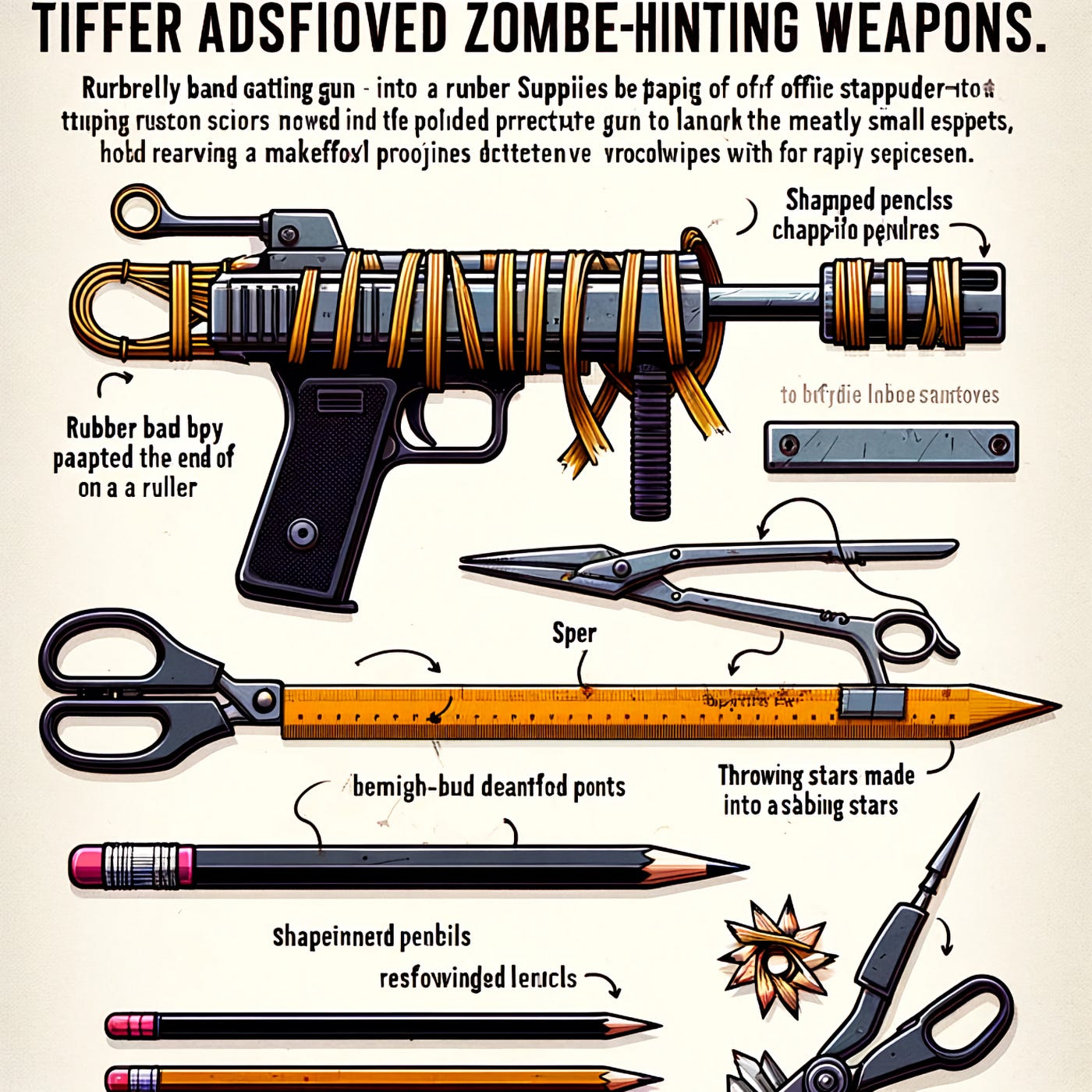
Your choice of weapons should balance ease of use, effectiveness, and availability of ammunition. A sturdy melee weapon like a baseball bat or a crowbar doesn’t require ammo and can be incredibly quiet, helping you avoid unwanted attention.
If you prefer firearms, consider handguns or shotguns for close encounters. Carry enough ammunition, but keep it lightweight—bulk can slow you down. Remember, practice with your weapons regularly to build confidence and accuracy.
- Choose versatile weapons that don’t rely solely on ammo
- Include at least one silent weapon for stealth situations
- Stockpile ammunition safely and organize it for quick access
Protective Clothing
Clothing can be your first line of defense against bites, scratches, and harsh environments. Thick leather jackets or tactical vests provide a good barrier without restricting your movement.
Don’t forget gloves and sturdy boots to protect your hands and feet. Layers help you adapt to changing weather, but avoid anything too bulky that slows you down.
- Opt for durable fabrics resistant to tears and punctures
- Use gloves with reinforced knuckles for added hand protection
- Choose boots with good grip and ankle support for rough terrain
What’s your current self-defense gear missing? Sometimes adding one well-chosen item can change your entire survival strategy.
Credit: medium.com
Communication Devices
Communication devices are vital in a zombie survival kit. They keep you connected with your group and alert you about dangers. Without proper communication, coordinating actions becomes very hard. Selecting reliable devices increases your chances to stay safe and informed.
Radios And Signal Tools
Radios are essential for long-range communication. Handheld walkie-talkies work well for short distances. Choose models with good battery life and clear sound quality. Two-way radios allow instant messaging without cell towers.
Signal tools like whistles, mirrors, and flares help in silent or distant alerts. Whistles can draw attention quietly. Mirrors reflect sunlight to signal rescuers or team members. Flares provide bright light for emergencies or marking locations.
Emergency Contact Plans
Having an emergency contact plan is critical. Write down phone numbers and radio frequencies of trusted contacts. Share these with everyone in your group.
Set clear rules on when and how to communicate. Agree on code words for urgent situations. Practice the plan regularly so everyone remembers it.
Include backup contacts outside your immediate area. They can help if local communication fails. A well-prepared plan keeps your group connected and safe.
Navigation Aids
Navigation aids are crucial in a zombie survival kit. Without a reliable way to find your path, you risk getting lost in unfamiliar territory. Whether you’re escaping a horde or searching for safe zones, navigation tools will keep you on track and increase your chances of survival.
Maps And Compasses
Never underestimate the power of a paper map and a compass. Batteries die, and electronic devices can fail, but a good map and compass remain dependable. Make sure your map covers a wide area, including landmarks, roads, and water sources.
Practice reading your compass and orienting your map before an emergency strikes. A compass helps you maintain a steady direction, even when the terrain looks confusing. Keep these tools in a waterproof case to protect them from rain or spills.
- Choose topographic maps for detailed elevation and terrain features.
- Mark safe locations and potential hazards on your map.
- Learn basic navigation skills like triangulation to pinpoint your position.
Gps Devices
GPS devices offer precise location tracking and can be lifesavers when used correctly. However, they rely on batteries and satellite signals, which may not always be available. Always carry extra batteries or a solar charger to keep your GPS powered.
Consider handheld GPS units designed for outdoor survival—they often have rugged designs and longer battery life. Download offline maps beforehand so you can navigate even without a signal. Remember, GPS is a great backup but never the sole navigation method.
- Choose GPS devices with multiple navigation features like waypoint marking and route tracking.
- Test your GPS device regularly to familiarize yourself with its functions.
- Combine GPS use with traditional map and compass skills for best results.
Have you ever found yourself lost and realized your navigation tools were inadequate? How did you handle the situation? Preparing now with reliable navigation aids can prevent panic and keep you moving forward when it matters most.
Personal Hygiene Items
Keeping clean and protected from germs is crucial when you’re facing a zombie apocalypse. Your body will be under constant stress, and without proper hygiene, small infections can turn into serious problems. Packing the right personal hygiene items can keep you healthier and more comfortable during tough times.
Sanitation Supplies
Sanitation supplies are your first line of defense against illness. Think beyond just soap—antibacterial wipes, hand sanitizer, and portable toilet solutions can make a huge difference. Imagine being in a situation where clean water is scarce. Having biodegradable wipes or a compact, foldable toilet can prevent contact with harmful bacteria.
- Biodegradable soap:Use it for washing hands, dishes, and even clothes.
- Hand sanitizer:Choose a high-alcohol content formula for quick germ-killing action.
- Toilet paper and wet wipes:Pack enough to last weeks; moist wipes help when water is limited.
- Portable toilet or waste bags:Manage human waste safely to avoid contaminating your camp.
- Feminine hygiene products:These are often overlooked but essential for comfort and health.
Have you ever thought about how you would handle basic waste disposal in an emergency? Planning for sanitation can prevent many health issues and keep your survival group comfortable.
Insect Repellents
Insects are more than just annoying—they can carry diseases that weaken your body. Mosquitoes and ticks thrive in many environments you might find yourself in. Without insect repellent, you risk bites that could lead to infections or worse.
- DEET-based repellents:Effective and long-lasting, but use sparingly on sensitive skin.
- Natural alternatives:Oils like citronella or eucalyptus can work well if you prefer chemical-free options.
- Insect-repellent clothing:Look for treated shirts and pants to add an extra layer of protection.
- Bug nets:Essential for sleeping, especially in humid or wooded areas.
Do you know what insect risks are common where you plan to survive? Identifying local threats helps you choose the best repellents and avoid serious illness.
Additional Survival Tips
Building a zombie survival kit is only the first step. Keeping it effective and tailored to your needs is just as important. Small habits and smart choices can make a big difference when you need your kit the most.
Regular Kit Maintenance
Your survival kit isn’t a “set it and forget it” project. You need to check it regularly to make sure everything is in working order. Expired food, dead batteries, and broken tools can turn your kit from a lifesaver into a liability.
Set a reminder every few months to inspect your kit. Swap out expired items and test your gear, like flashlights and radios. You might find your water purifier filter needs replacing or your first aid supplies need restocking after use.
Have you ever had a flashlight fail right when you needed it? That’s exactly why regular checks are non-negotiable. Your kit should always be ready for action, no surprises.
Customizing For Environment
Not all zombie survival kits look the same. Your location plays a huge role in what you need to carry. A kit for a humid, jungle-like area requires different gear than one for a cold, urban setting.
Think about the local climate and terrain. If you live in a dry area, you might want to add extra water purification tablets or a solar charger. In colder places, pack thermal blankets and hand warmers.
Also consider local wildlife and hazards. Carry insect repellent if bugs are a problem, or sturdy boots if you’ll face rough ground. What’s the one thing you’d add to your kit based on where you live?
Frequently Asked Questions
What Are The Essential Items In A Zombie Survival Kit?
Essential items include water, non-perishable food, first aid supplies, a flashlight, batteries, a multi-tool, and a weapon. These basics ensure you stay hydrated, nourished, and protected during a zombie outbreak.
How Much Water Should A Survival Kit Contain?
A survival kit should include at least one gallon of water per person per day. This amount supports hydration for drinking and basic hygiene during emergencies.
What Weapons Are Best For A Zombie Survival Kit?
Blunt weapons like bats and crowbars are durable and silent. Firearms are effective but require ammo and training. Choose weapons that suit your skills and safety.
How Do I Store Food In A Zombie Survival Kit?
Use sealed, airtight containers to protect food from moisture and pests. Opt for canned goods, dried fruits, and energy bars with long shelf lives.
Conclusion
Creating a zombie survival kit is essential for preparedness. A well-stocked kit boosts your chances of survival. Include basics like food, water, and medical supplies. Don’t forget tools for protection and navigation. Keep your kit accessible and check supplies regularly.
Preparedness reduces panic in emergencies. Be ready and stay safe. Your planning today ensures safety tomorrow.