Are you ready to make your survival kit compact, organized, and easy to carry? Knowing how to roll up your survival kit properly can save you time, space, and even stress when you need it most.
Imagine reaching into your bag and instantly finding everything you need without a mess. You’ll discover simple, step-by-step tips to roll up your survival kit like a pro. Keep reading to learn how a small change in packing can make a big difference in your next outdoor adventure or emergency situation.
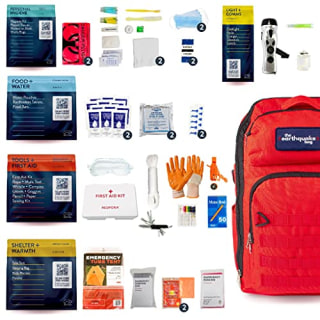
Credit: www.nbcnews.com
Choosing The Right Survival Gear
Choosing the right survival gear is key to building an effective survival kit. Each item should serve a clear purpose and fit your specific needs. The gear must be reliable and easy to carry. Quality over quantity is essential. A well-chosen kit improves your chances in emergencies.
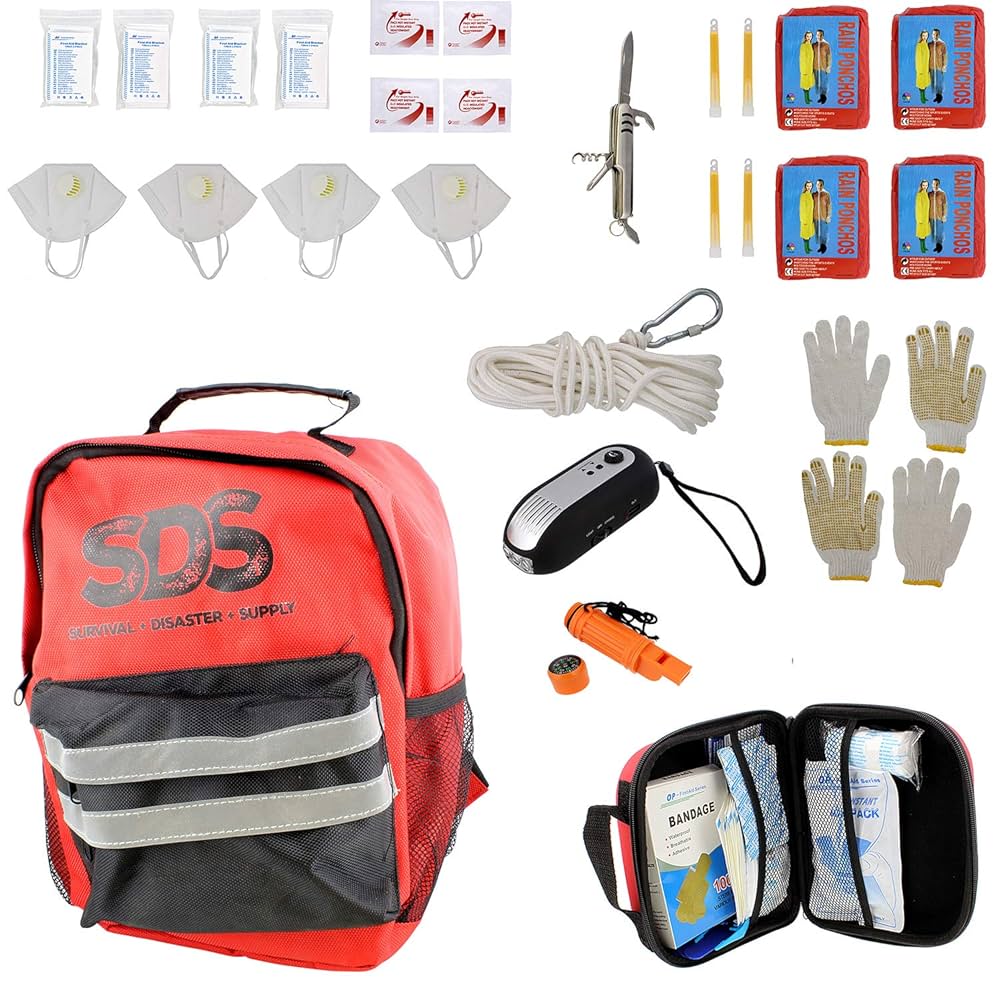
Essential Items To Include
Start with basics that cover vital needs. Include:
- A sturdy knife or multi-tool
- Fire-starting tools like matches or a lighter
- Water purification tablets or a small filter
- First aid supplies for minor injuries
- Emergency blanket or shelter
- Flashlight with extra batteries
- High-energy snacks or food bars
Each item should be compact but useful. Avoid carrying unnecessary extras.
Selecting Lightweight Equipment
Choose gear that is light to reduce your load. Heavy items cause fatigue and slow you down. Use materials like titanium, aluminum, or plastic. Compact designs save space and weight. Lightweight gear lets you carry more essentials comfortably. Balance weight with durability for best results.
Waterproof And Durable Materials
Survival gear must withstand tough conditions. Waterproof materials protect your supplies from rain and moisture. Look for items with sealed seams or waterproof cases. Durable fabrics like nylon or canvas resist tears and wear. Strong zippers and fasteners improve longevity. Reliable gear lasts longer in harsh environments.
Packing Techniques For Space Saving
Packing a survival kit efficiently saves space and keeps items accessible. Using the right techniques helps fit more into a small bag. It also prevents damage and keeps the kit organized. Here are key packing techniques to maximize space and order.
Rolling Vs Folding Methods
Rolling items reduces wrinkles and uses less space than folding. Clothes, bandages, and tarps roll tightly to fit compactly. Folding creates bulkier stacks that waste room. Roll soft items firmly but avoid crushing fragile things. Rolling also makes it easier to see what’s inside quickly.
Using Compression Bags
Compression bags remove air to shrink bulky items. Sleeping bags, jackets, and blankets fit better this way. Press the air out by squeezing or using a vacuum. These bags protect contents from moisture and dirt too. Choose durable, reusable compression bags to keep gear safe.
Organizing By Priority And Frequency
Place essential items at the top or outside for quick access. Less-used tools and extras go deeper inside the kit. Group similar items together in small bags or compartments. This saves time during emergencies and avoids digging through everything. A clear order improves efficiency and readiness.
Optimizing Weight Distribution
Optimizing weight distribution in a survival kit roll-up is key for comfort and efficiency. Proper placement of items ensures the kit stays compact and easy to carry. It prevents strain and helps you find gear quickly. Organizing by weight improves balance and stability during travel.
Balancing Heavy And Light Items
Place heavy items near the center of the roll-up. This keeps the load stable and close to your body. Light items should go toward the edges. This method avoids uneven weight that can cause discomfort or twisting. Spread weight evenly to maintain a steady carry.
Placing Frequently Used Gear
Put items you use often in easy-to-reach spots. Store them on the outer layers or near the roll-up edges. This saves time and avoids unpacking the entire kit. Keep essential tools like a knife, fire starter, or first aid close at hand. Quick access is vital in emergencies.
Securing Loose Components
Loose gear can rattle or get lost inside the roll-up. Use small pouches or elastic bands to hold tiny items tightly. Secure cords, matches, or batteries in compartments or mesh pockets. This prevents damage and keeps everything organized. A neat kit means faster packing and unpacking.

Credit: www.opticscamp.com
Maintaining Accessibility
Maintaining accessibility in your rolled-up survival kit is crucial. When you’re in an emergency, every second counts, and fumbling through your kit can cost you time and peace of mind. Organizing your items so you can grab what you need instantly is a game-changer.
Creating Quick-access Compartments
Designate specific sections of your survival kit for high-priority items like a flashlight, first aid supplies, or a multi-tool. Use small pouches or elastic bands to keep these essentials visible and easy to pull out.
Think about how you’ve reached for items in past stressful situations. Was it easy or frustrating? Creating quick-access compartments solves this by reducing the time spent searching.
Labeling And Color Coding
Labels and color codes help you identify items at a glance. Use waterproof tags or colored tapes to mark compartments clearly.
For example, red might signal medical supplies, while blue could mark hydration gear. This visual system speeds up your response and keeps you calm under pressure.
Adjusting For Different Scenarios
Your survival needs change depending on the situation. Adjust your kit’s layout based on whether you’re hiking, driving, or facing a natural disaster.
Ask yourself: What items will you need first in each case? Placing those items where you can reach them immediately ensures your kit adapts to your unique needs.
Regular Maintenance And Updates
Keeping your survival kit in top shape is essential for when you really need it. Regular maintenance and updates ensure that every item works as expected and nothing important is missing. Ignoring this can leave you unprepared, even if your kit looks full and ready.
Checking Expiry Dates
Expired supplies like food, medicine, and batteries can fail you in an emergency. Make it a habit to check expiry dates every few months. Mark a reminder on your calendar or phone to keep track, so you never overlook this crucial step.
Don’t just toss expired items blindly—replace them with fresh ones immediately. Your survival kit should always contain safe, usable supplies. Have you ever grabbed a first-aid item only to find it unusable?
Replacing Worn Items
Some items wear out faster than others, especially after use or exposure to harsh conditions. Check your kit’s tools, clothing, and packaging for signs of damage or wear. Broken zippers, cracked containers, or torn fabric can compromise your kit’s reliability.
Replace any worn or damaged parts as soon as you notice them. Even a small tear in a water pouch can cause big problems. How often do you inspect your gear for hidden damage?
Repacking After Use
Using your kit, even for practice or minor emergencies, means you need to repack it carefully. After each use, take time to restock items you removed and reorganize everything neatly. This ensures quick access and prevents items from getting lost.
Think of repacking as resetting your kit’s readiness. A well-organized kit saves you precious time during stressful situations. When was the last time you thoroughly repacked your survival kit?

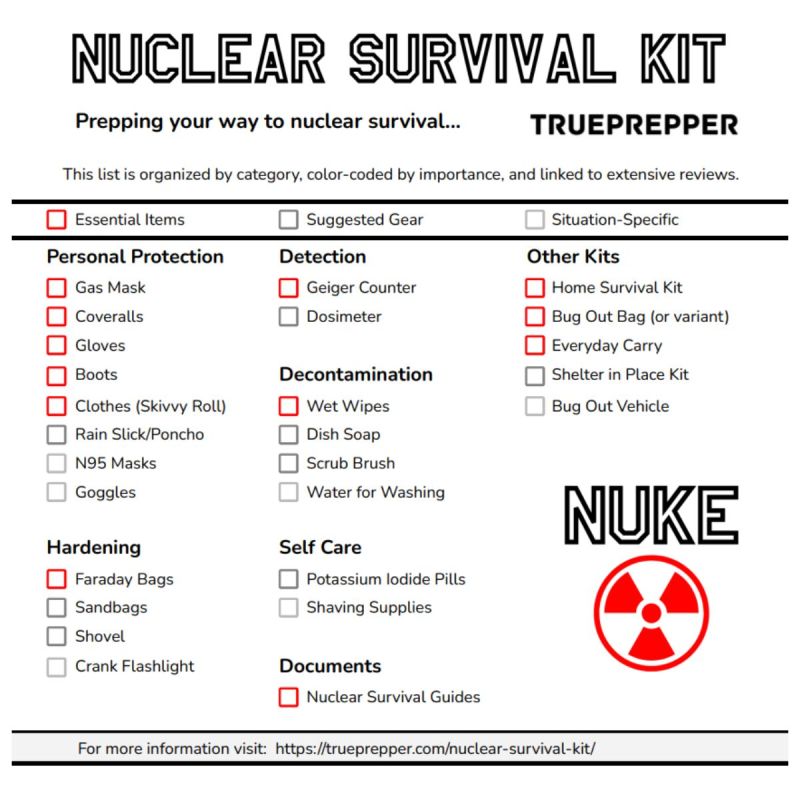
Credit: trueprepper.com
Frequently Asked Questions
What Items Are Essential In A Survival Kit?
A survival kit should include essentials like a first aid kit, flashlight, multi-tool, water purification tablets, and emergency food. It’s also beneficial to have a fire starter, a signaling device, and a space blanket. Personalize your kit based on your specific needs and the environment you’re planning to explore.
How Do You Roll Up A Survival Kit?
To roll up a survival kit, lay items flat on a sturdy material. Start with the largest items, then add smaller ones on top. Roll tightly, securing with straps or cords. This method saves space and keeps items organized. Ensure it’s compact for easy transport and access.
Why Is It Important To Roll A Survival Kit?
Rolling a survival kit is crucial for efficient space management and organization. It ensures that all items remain compact and accessible. This method prevents items from shifting, making it easier to locate essentials quickly during emergencies. A well-packed kit enhances preparedness and response time in critical situations.
Can Rolling A Kit Save Space?
Yes, rolling a kit optimizes space by compressing items tightly. This method helps in maximizing storage efficiency. By rolling, you prevent unnecessary bulk and keep your survival kit compact. This space-saving technique is ideal for fitting your kit into backpacks or limited storage areas while maintaining accessibility.
Conclusion
Rolling up your survival kit keeps items safe and easy to carry. Keep everything tight and organized to save space. Practice rolling to do it quickly and neatly. A well-packed kit helps in emergencies and outdoor trips. Remember, small steps like this make a big difference.
Stay prepared, stay safe, and enjoy your adventures with confidence.