Imagine facing an emergency without the right tools. It’s a scary thought, right?
Your survival kit could be the difference between staying safe and struggling to get by. But what exactly should you pack to be truly prepared? You’ll discover the must have survival kit items that can protect you in any situation.
Keep reading, because knowing what to include could save your life when it matters most.
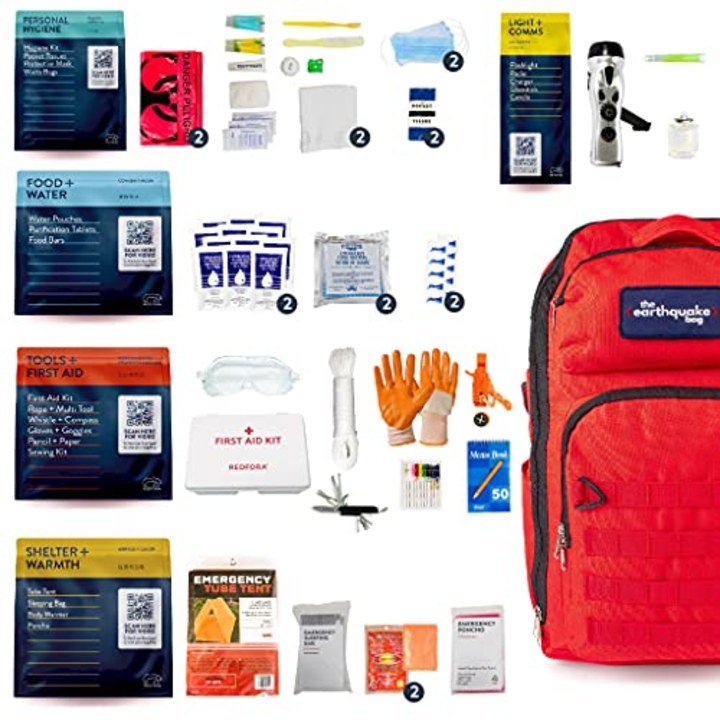
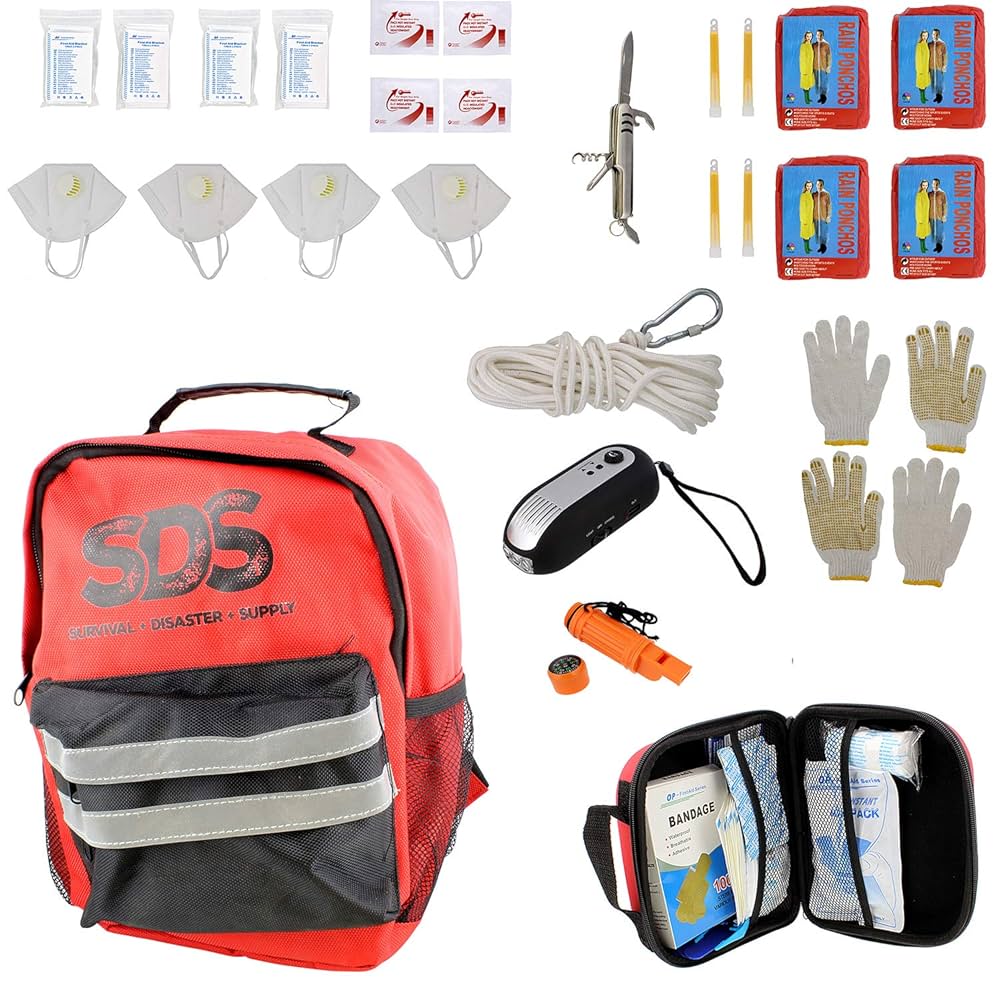
Credit: www.nbcnews.com
Basic Survival Tools
Having the right basic survival tools can make a huge difference in any emergency situation. These tools are designed to help you handle common challenges like cutting, making fire, and seeing in the dark. Making sure you have these essentials ready can boost your confidence and readiness.
Multi-tool And Knife
A multi-tool combines several useful functions in one compact device. It usually includes pliers, screwdrivers, scissors, and a knife blade. Carrying a multi-tool means you’re prepared for many small tasks without carrying bulky equipment.
A good knife is equally important. It can be used for cutting rope, preparing food, or even self-defense. I once had to quickly carve a fishing hook from a piece of wood using my knife, proving its usefulness beyond basic cutting.
Fire Starters
Fire starters are essential for warmth, cooking, and signaling. Matches and lighters are common but can fail when wet. That’s why including waterproof fire starters, like ferro rods or magnesium blocks, is smart for survival kits.
Have you tested your fire starters in damp conditions? Practicing fire-making before an emergency ensures you know how to use your tools effectively.
Flashlight And Batteries
A reliable flashlight helps you navigate safely when the sun goes down. Look for LED flashlights as they offer bright light with low power consumption. Don’t forget to pack extra batteries or carry a flashlight with a rechargeable or hand-crank option.
Imagine being in a dark forest without light—having a flashlight can prevent injuries and keep panic away. Regularly check your flashlight and batteries to avoid surprises when you need them most.

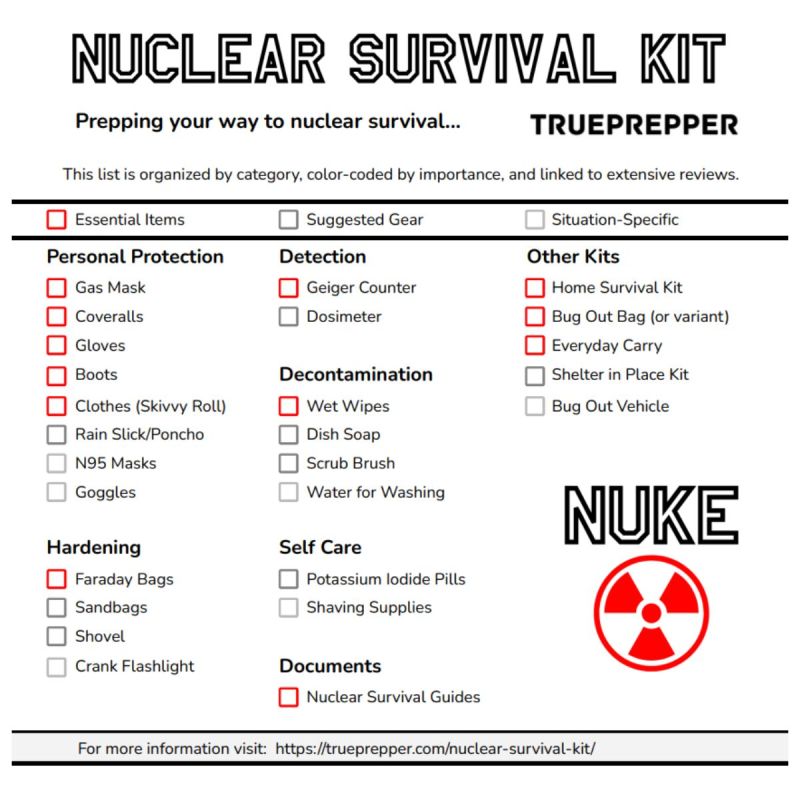
Credit: trueprepper.com
Water And Hydration Gear
Water and hydration gear form a critical part of any survival kit. Staying hydrated is vital for survival and health. Without clean water, your body cannot function properly. Proper gear ensures access to safe water anytime. It helps you carry, store, and purify water efficiently.
Water Bottles And Containers
Durable water bottles and containers are essential. Choose bottles made from BPA-free plastic or stainless steel. These materials resist damage and keep water clean. Collapsible bottles save space when empty. Large containers can store more water for longer needs.
- Lightweight bottles for easy transport
- Leak-proof caps to prevent spills
- Wide-mouth designs for easy filling and cleaning
- Containers with measurement marks for tracking water intake
Having multiple containers helps separate clean and dirty water. Mark containers clearly to avoid confusion.
Water Purification Methods
Water purification removes harmful germs and chemicals. It makes natural water safe to drink. Several methods fit different situations and resources.
- Boiling:Kills bacteria and viruses by heating water for 1-3 minutes.
- Water Filters:Portable filters remove debris and microbes physically.
- Purification Tablets:Easy to carry, they kill germs chemically.
- UV Purifiers:Use ultraviolet light to destroy pathogens quickly.
Always carry at least one purification tool in your kit. Test your tools before emergencies.
Food And Nutrition Supplies
Keeping your energy up and staying healthy during an emergency depends heavily on the food and nutrition supplies you pack. You need items that last, provide essential nutrients, and fit your situation. Food isn’t just about survival—it’s about maintaining strength and focus when it matters most.
Non-perishable Food Items
Non-perishable foods are the backbone of any survival kit. These items can stay safe to eat for months or even years without refrigeration, making them perfect for emergencies.
- Canned goods:Beans, vegetables, and meats offer balanced nutrition and a long shelf life. Look for BPA-free cans to reduce health risks.
- Freeze-dried meals:Lightweight and easy to prepare, these meals just need water and heat. They’re ideal if you have limited space and weight constraints.
- Energy bars and trail mix:High-calorie snacks that provide quick bursts of energy and essential fats. Choose options low in sugar but rich in protein and fiber.
- Grains and pasta:Rice, oats, and pasta are versatile staples that store well and serve as filling bases for meals.
- Powdered milk and protein powders:These add important nutrients and can be mixed with water easily.
Ask yourself: how long will your food supplies realistically last? Rotating your stock and checking expiration dates can prevent unpleasant surprises.
Portable Cooking Equipment
Even the best food items won’t help if you can’t prepare them safely and efficiently. Portable cooking gear lets you heat meals and boil water anywhere.
- Compact stoves:Small but powerful, these stoves use propane, butane, or solid fuel tablets. They’re lightweight and easy to set up, making cooking possible even in harsh conditions.
- Cooking pots and utensils:Opt for multi-use pots that can boil, fry, and serve. Titanium or aluminum cookware is both durable and light.
- Fire starters:Waterproof matches, lighters, or ferro rods ensure you can ignite a flame when needed.
- Portable water filters:Clean water is crucial for cooking and drinking. A reliable filter or purification tablets can keep your food safe.
Have you tested your cooking setup outdoors? Practicing meal prep before an emergency helps identify missing gear and boosts your confidence.
Shelter And Warmth
Survival depends heavily on shelter and warmth. Protecting your body from cold and wet conditions is vital. Without proper shelter, your health can quickly decline. Staying warm helps maintain energy and focus. A good survival kit includes tools to create a safe and warm space. These items are lightweight and easy to carry.
Emergency Blankets And Sleeping Bags
Emergency blankets are thin, light, and reflect body heat. They help retain warmth even in cold weather. These blankets take up very little space in your kit. Sleeping bags provide more comfort and insulation. They trap heat inside and keep you warm all night. Choose sleeping bags rated for the lowest temperature you expect. Both items are essential for preventing hypothermia in emergencies.
Tents And Tarps
Tents offer full protection from wind, rain, and insects. They create a secure space to rest and recover. Lightweight tents are easy to set up and carry. Tarps are versatile and can serve as quick shelters. Use tarps to cover gear or create shade. They protect you from rain and wind effectively. Both tents and tarps add a layer of defense against harsh weather conditions.
First Aid Essentials
Your survival kit isn’t complete without first aid essentials. These items can make a huge difference when you face injuries or sudden health issues in the wild or during emergencies. Having the right first aid supplies helps you respond quickly and effectively, reducing pain and preventing complications.
Basic Medical Supplies
Start with the fundamentals: bandages, gauze pads, and adhesive tape. These help cover wounds to stop bleeding and protect against infection. Include antiseptic wipes or solution to clean cuts and scrapes before dressing them.
Don’t forget scissors and tweezers. You’ll need scissors to cut tape or clothing and tweezers to remove splinters or debris safely. A pair of disposable gloves protects both you and the injured person from germs.
Adding a CPR face shield or mask can be a lifesaver in emergencies involving breathing problems. Consider a digital thermometer to check for fever quickly. These items keep your kit versatile and ready for various medical situations.
Medications And Personal Care
Pack pain relievers like ibuprofen or acetaminophen to manage pain and reduce fever. Antihistamines come in handy for allergic reactions or insect bites. You might not think about it, but having anti-diarrheal medicine can be crucial when clean water is scarce.
Include any prescription medications you or your family members need. Personal care items like lip balm with SPF, sunscreen, and insect repellent protect your skin from harsh conditions. These small additions keep you comfortable and healthy during extended outdoor stays.
Think about adding a small notebook and pen to record any symptoms or treatments you give. This can be valuable if professional medical help becomes available later. Have you ever been in a situation where quick access to medication saved the day? What would you add to your first aid kit?
Communication Devices
Communication devices are essential tools in any survival kit. They keep you connected to the outside world and can be lifesavers during emergencies. Without a reliable way to send or receive messages, your chances of getting help quickly drop.
Choosing the right communication device depends on your environment and the type of emergency. Some devices work without batteries, while others can reach long distances. Think about what fits your needs and how easy it is to use under stress.
Emergency Radios
Emergency radios are more than just gadgets; they are your link to critical updates. Many models receive weather alerts, news, and emergency broadcasts without needing much power. Some radios come with hand cranks or solar panels, so you never run out of energy.
Imagine being stuck in a storm with no electricity. An emergency radio can keep you informed about the weather or rescue operations. It’s a simple device that could guide your decisions and keep you safe.
- Look for radios with NOAA weather band reception.
- Choose models with multiple power options like batteries, solar, and crank.
- Prioritize radios with a built-in flashlight and USB charging ports.
Whistles And Signal Mirrors
Whistles and signal mirrors are basic but powerful communication tools. They don’t rely on batteries and can alert rescuers over long distances. A loud whistle can carry farther than shouting, saving your voice and energy.
Signal mirrors reflect sunlight to create flashes visible miles away. Carrying one in your kit is a low-tech way to get attention when other devices fail. Have you ever thought how a small mirror could be your best friend in a survival situation?
- Choose a whistle with a high-decibel rating, ideally above 100 dB.
- Pick a signal mirror with a sighting hole for precise aiming.
- Practice using both tools in different conditions to be ready when needed.
Navigation Tools
Navigation tools are essential in any survival kit. They help you find your way in the wild or unfamiliar places. With the right tools, you can avoid getting lost and reach safety faster.
Good navigation tools work without electricity or signal. They are reliable and easy to use in any weather. Carrying more than one type increases your chances of success.
Maps And Compass
Maps show the land’s layout and key landmarks. A compass points to magnetic north, guiding your direction. Together, they form the basic navigation system.
Topographic maps display hills, valleys, and trails. A simple compass helps you keep a steady course. Learning to use these tools is vital for survival.
- Choose waterproof, durable maps for lasting use.
- Pick a compass with clear markings and a rotating bezel.
- Practice reading maps and using a compass before trips.
Gps Devices
GPS devices use satellites to give exact location data. They show your position on digital maps instantly. These devices work well in remote areas with clear skies.
Battery life limits GPS use, so carry backups. Some models offer extra features like route tracking and emergency signals. Keep GPS devices in a protective case to avoid damage.
- Carry extra batteries or a portable charger.
- Download offline maps for areas without cell service.
- Use GPS along with a map and compass for safety.

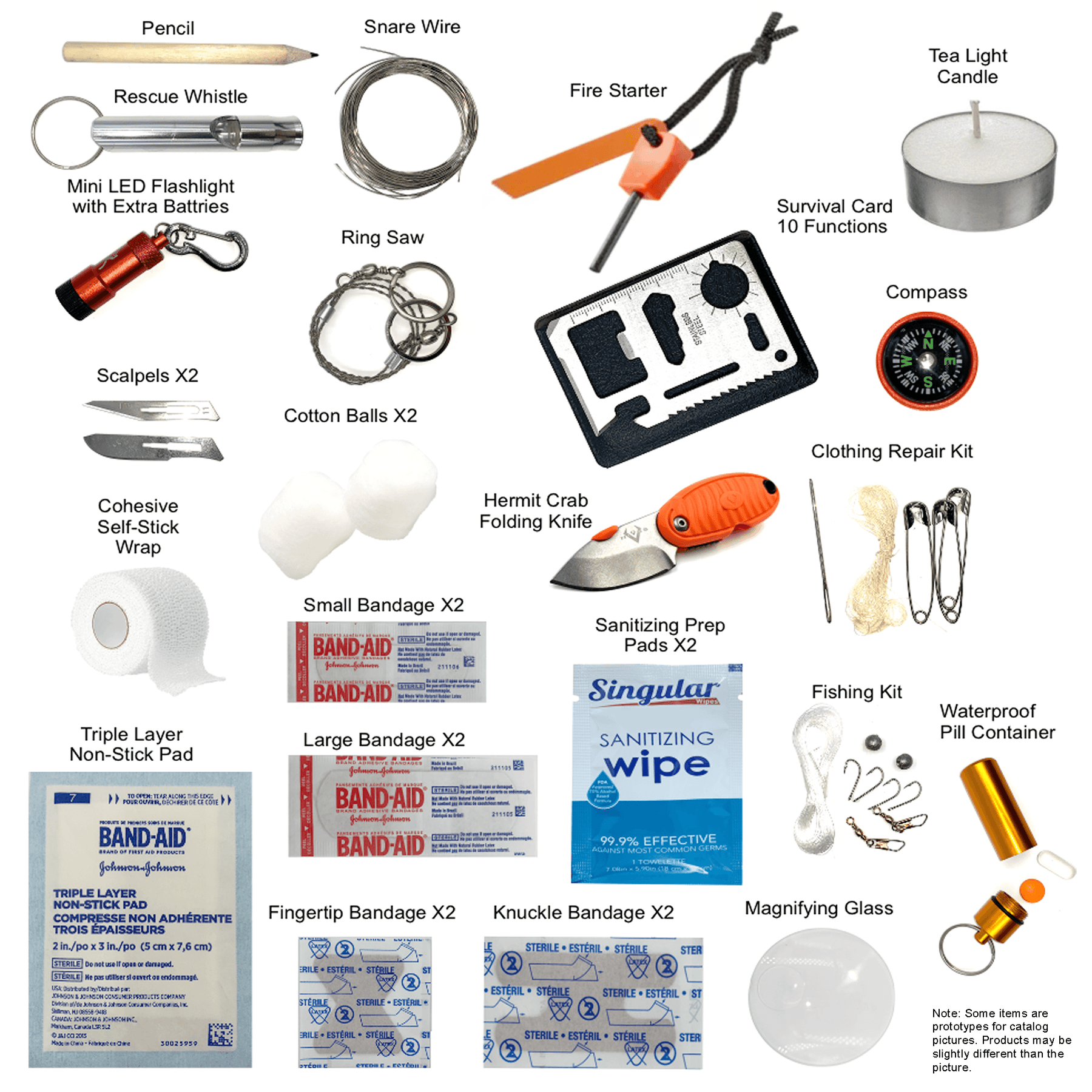
Credit: www.servpro.com
Personal Safety Items
Personal safety items are essential for any survival kit. They protect you from harm and help you stay secure in risky situations. Having the right tools and gear boosts confidence and readiness. These items can make a big difference during emergencies or unexpected events.
Protective Gear
Protective gear shields your body from injuries and hazards. Gloves guard your hands from cuts and scrapes. Safety goggles protect your eyes from dust, debris, and chemicals. A sturdy helmet can prevent head injuries. Masks help filter out harmful particles and smoke. Durable clothing resists tears and harsh weather. All these items keep you safe and comfortable.
Self-defense Tools
Self-defense tools offer security and a way to deter threats. Pepper spray stings and disables attackers temporarily. A whistle draws attention and calls for help. A tactical flashlight can blind and disorient an aggressor. A compact knife serves as a useful tool and a defense weapon. These tools are easy to carry and operate under stress. Knowing how to use them improves personal safety greatly.
Clothing And Footwear
Your choice of clothing and footwear can make a huge difference in a survival situation. They protect you from the elements and keep you comfortable, which affects your ability to think clearly and move efficiently. Let’s look at what you really need to pack to stay safe and dry.
Weather-appropriate Apparel
Choose clothes based on the climate you expect. In cold weather, layering is essential. Start with a moisture-wicking base layer to keep sweat away from your skin. Add an insulating layer like fleece for warmth, and top it with a waterproof and windproof outer shell.
In hot environments, lightweight and breathable fabrics that protect from the sun are best. Long sleeves and pants can shield you from insects and sunburn while still allowing airflow. Have you checked if your gear can handle sudden weather changes?
Durable Shoes And Socks
Durable footwear can prevent injuries that ruin your chances of survival. Look for boots with good ankle support and tough soles that grip well on varied terrain. Waterproof boots can keep your feet dry, which helps avoid blisters and infections.
Don’t underestimate the value of quality socks. Wool or synthetic blends wick moisture and reduce friction better than cotton. Carry extra pairs so you can change into dry socks—your feet will thank you after a long day.
Storage And Organization
Storage and organization play a crucial role in the effectiveness of your survival kit. Without proper compartments and protection, essential items can get lost or damaged, costing you precious time and resources. How quickly can you access what you need when every second counts?
Backpacks And Pouches
Choosing the right backpack or pouch can make a huge difference in how you carry and access your survival items. Look for backpacks with multiple compartments to separate food, tools, and first aid supplies. This keeps everything neat and easy to find.
Smaller pouches are great for organizing items like fire starters, batteries, or fishing gear. I once scrambled through a single large bag, wasting time searching for a knife. After switching to dedicated pouches, I found everything at a glance.
- Opt for adjustable straps and padded backs for comfort during long treks.
- Consider MOLLE-compatible packs if you want to add or remove pouches quickly.
- Use color-coded pouches or labels for faster identification.
Waterproof Containers
Waterproof containers protect your survival gear from rain, spills, and humidity. Even the best fire starters or matches become useless when soaked. So, investing in quality waterproof cases is non-negotiable.
Plastic dry boxes, resealable bags, or even small waterproof tins can safeguard your essentials. I keep my important documents and electronic devices in a watertight container, which saved me during a sudden downpour on a camping trip.
- Choose containers that seal tightly but are easy to open under pressure.
- Look for lightweight options to avoid adding bulk to your kit.
- Test your containers before heading out to ensure they truly keep water out.
Frequently Asked Questions
What Are Essential Items In A Survival Kit?
A survival kit should include water, food, a first aid kit, and a flashlight. Additionally, pack a multi-tool, a fire starter, and a whistle. These essentials help in emergencies and ensure safety.
How Much Water Should A Survival Kit Have?
A survival kit should have at least one gallon of water per person per day. This amount ensures you have enough for drinking and sanitation purposes. It’s crucial to have clean, safe water in emergencies.
Why Is A Multi-tool Important In A Survival Kit?
A multi-tool is versatile and includes essential tools like pliers, knives, and screwdrivers. It aids in repairs, building shelters, and opening cans. Its compact design makes it a crucial addition to any survival kit.
How Often Should You Check Your Survival Kit?
Check your survival kit every six months to ensure items are not expired or damaged. Regular checks help maintain the kit’s effectiveness. Replace any used or outdated items promptly to ensure readiness.
Conclusion
A good survival kit keeps you ready for any situation. Choose items that serve many purposes. Keep your kit light but complete. Check it often and replace used parts. Practice using your tools to stay confident. Safety starts with preparation and smart choices.
Stay calm, act fast, and trust your kit. Being prepared can save lives and ease stress. Build your survival kit today for peace of mind.