Imagine facing the sudden threat of a volcanic eruption. Would you know what to grab to keep yourself safe?
Your survival could depend on having the right items ready and within reach. You’ll discover exactly what to put in a volcano survival kit to protect yourself and your loved ones. Don’t wait until it’s too late—prepare now and gain the confidence that comes with being ready for the unexpected.
Keep reading to learn the essential gear that could make all the difference.

Credit: ca.news.yahoo.com
Volcano Hazards To Prepare For
Preparing a volcano survival kit means understanding the specific dangers you might face during an eruption. Volcano hazards can vary widely, so it’s crucial to know what to expect. This knowledge helps you choose the right supplies and stay safe when every second counts.
Lava Flows
Lava flows move slowly but are extremely hot and destructive. They can burn everything in their path and block escape routes. You won’t be able to outrun lava, so your kit should include a detailed evacuation plan and maps of safe zones.
Have you considered how you’ll communicate if roads are cut off? Carrying a portable radio or satellite phone could save your life.
Ashfall
Volcanic ash is fine and abrasive. It can damage engines, contaminate water, and cause breathing problems. Your survival kit must include N95 masks or respirators to protect your lungs.
Don’t forget goggles to shield your eyes and plastic sheeting to cover food and water containers. Ashfall can last for days, so plan for extended protection.
Toxic Gases
Volcanoes release gases like sulfur dioxide, carbon dioxide, and hydrogen sulfide. These gases can be invisible and deadly. A gas mask or at least a filter mask in your kit can reduce your risk.
Think about where you will shelter during high gas emissions. A well-ventilated but secure location can help minimize exposure.
Landslides And Mudflows
Heavy rain or volcanic activity can trigger landslides and fast-moving mudflows called lahars. They can bury homes and block escape routes without warning. Include sturdy boots and waterproof clothing in your kit to navigate rough terrain safely.
Are your important documents waterproofed and easily accessible? You’ll need quick access if you must leave immediately.

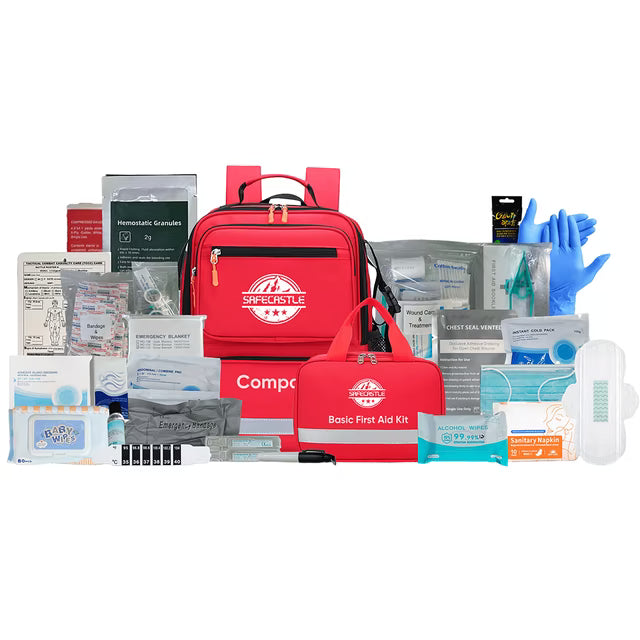
Credit: www.safecastle.com
Basic Survival Essentials
Building a volcano survival kit means preparing for some of the most urgent and unpredictable situations. Basic survival essentials form the core of your kit, ensuring you can stay alive and functional until help arrives or you reach safety. These essentials focus on meeting your fundamental needs: hydration, nutrition, and immediate medical care.
Water And Hydration
Water is your top priority. You need at least one gallon per person per day, but more is better if you expect to be isolated for several days. Bottled water is convenient, but consider water purification tablets or a portable filter too. These can save your life if you run out or need to use natural water sources.
Remember, volcanic ash and debris can contaminate local water supplies quickly. Ask yourself: how will you access clean water if your stored supply runs out?
Non-perishable Food
Choose food that won’t spoil under harsh conditions. Energy-dense items like nuts, dried fruits, granola bars, and canned goods work well. Avoid anything requiring refrigeration or complicated preparation.
During a volcanic emergency, cooking might be impossible. Foods you can eat straight from the package save time and keep your energy up. Think about your personal tastes too—will you actually want to eat what you pack?
First Aid Supplies
A well-stocked first aid kit is a must. Include bandages, antiseptic wipes, pain relievers, and burn cream—volcanic environments increase the risk of cuts and burns. Don’t forget allergy medication if you need it.
Consider adding a small emergency manual on how to treat common injuries. Knowing what to do before professional help arrives could make all the difference.
Protective Gear
Protective gear is essential in a volcano survival kit. It shields you from harmful ash, gases, and extreme heat. Without proper protection, volcanic eruptions can cause serious injuries. Choosing the right gear improves your chances of staying safe and healthy during an eruption.
Respiratory Masks
Volcanic ash and gases can damage your lungs. Respiratory masks filter out dangerous particles and harmful gases. Look for masks rated N95 or higher for effective protection. These masks fit tightly and block fine ash from entering your airway. Always carry extra masks in your kit.
Eye Protection
Volcanic ash irritates and can damage your eyes. Goggles with a snug fit keep ash and dust out. Choose wraparound goggles that seal well around your eyes. Avoid regular glasses as they do not provide full protection. Clear vision is crucial during an eruption.
Heat-resistant Clothing
Volcanoes emit extreme heat and burning debris. Heat-resistant clothing protects your skin from burns and heat exposure. Look for clothing made from flame-retardant materials. Long sleeves and pants reduce skin contact with hot ash. Layer your clothing for better insulation and safety.
Communication Tools
When facing the unpredictable nature of a volcanic eruption, communication tools become your lifeline. They keep you connected with rescuers and loved ones, providing critical updates and instructions. Without reliable communication, even the best survival plan can fall apart.
Emergency Radio
An emergency radio can be a game-changer during a volcanic event. It receives alerts and emergency broadcasts even when cell towers are down. Some radios come with hand-crank or solar power options, so you won’t depend on batteries that might run out.
Consider a model that supports NOAA weather channels for real-time information. Imagine being able to hear updates on ashfall or evacuation routes when everything else is silent. Wouldn’t that give you a clearer sense of control in chaos?
Whistle And Signal Mirror
Simple yet highly effective, a whistle and signal mirror can save your life if you’re trapped or separated from your group. A whistle’s sharp sound can carry much farther than shouting, especially through thick ash clouds. A mirror reflects sunlight to catch the attention of rescuers from a distance.
These tools don’t rely on electricity, making them invaluable when technology fails. How often do you think about carrying such low-tech items? They’re lightweight and easy to add to your kit but often overlooked.
Charged Mobile Devices
Your smartphone or tablet can do more than just call for help—it can access maps, emergency apps, and GPS. Always keep your devices fully charged before heading into a risky zone. A portable power bank is essential to recharge your devices on the go.
Download offline maps and emergency contact numbers in advance. Have you ever tried using your phone in an emergency only to find it dead or without signal? Preparing your devices properly can make all the difference.
Navigation And Lighting
Navigation and lighting are vital in a volcano survival kit. Volcano areas can become dark quickly due to ash clouds or nightfall. You need reliable tools to find your way and see clearly. These items help you move safely and avoid hazards.
Flashlights And Headlamps
Flashlights and headlamps provide hands-free light. Headlamps free your hands for climbing or carrying supplies. Choose LED lights for longer battery life and brightness. Compact and lightweight devices are easier to carry in your kit.
Extra Batteries
Extra batteries ensure your lights keep working. Store spare batteries in a waterproof case. Rotate batteries regularly to keep them fresh. Without power, your flashlight or headlamp becomes useless.
Maps And Compass
Maps and a compass help with direction when electronic devices fail. Carry a detailed map of the area around the volcano. Learn to use a compass for accurate navigation. These tools do not rely on batteries or signals.
Additional Safety Items
Adding extra safety items to your volcano survival kit can make a big difference in an emergency. These tools help you manage unexpected challenges and keep you protected beyond the basics. Think about what could go wrong and how these items might save your life or make survival easier.
Fire Extinguisher
Volcanoes can cause fires from lava or falling debris. Having a small, portable fire extinguisher in your kit gives you a fighting chance against sudden flames. Choose a lightweight extinguisher rated for multiple types of fires so you’re prepared for anything.
Imagine being trapped near dry vegetation with a spark nearby. Would you feel confident without a way to put out a fire quickly? This simple tool can stop a small fire from turning into a deadly hazard.
Multi-tool Or Knife
A multi-tool or a sturdy knife is one of the most versatile items you can carry. It helps with cutting ropes, opening cans, or even making temporary repairs. You never know when you’ll need to slice through debris or build a shelter.
When I faced a simulated survival challenge, my multi-tool was crucial for everything from preparing food to fixing gear. Without it, small tasks became frustrating obstacles. What tasks could you handle better with a reliable blade or tool in your hands?
Emergency Shelter
Volcanic eruptions can force you to stay outside for extended periods. An emergency shelter, like a lightweight tent or a survival blanket, offers protection from ash, wind, and rain. It also helps maintain body heat when temperatures drop unexpectedly.
Carrying an emergency shelter might feel like extra weight, but it can provide vital comfort and safety. Think about how long you might need to wait before rescue arrives. Would you want to be exposed to harsh conditions without any cover?
Packing And Maintenance Tips
Packing a volcano survival kit is more than just throwing items into a bag. You need to think about how you store your supplies and keep them ready for when you need them most. Maintenance is key to ensuring your kit stays effective over time.
Choosing Durable Containers
Your survival kit’s containers should protect contents from moisture, dust, and impact. Hard plastic or metal boxes with tight seals work well. Avoid flimsy bags that can tear or allow water inside during emergencies.
Think about portability too—containers should be easy to carry but strong enough to withstand rough handling. I once used a flimsy bag that ripped during a hike, losing essential items. That experience taught me to invest in sturdy, reliable storage.
Regularly Updating Supplies
Supplies like food, water, and medications have expiration dates. Check your kit every six months to replace expired or used items. This small habit keeps your kit ready without surprises when you need it.
Consider the changing seasons and your personal needs when updating. Are you adding more water purification tablets for summer hikes or extra warm blankets for winter? Regular updates reflect real-life changes and improve your chances of staying safe.
Personalizing Your Kit
Everyone’s survival needs are different. Customize your kit with items specific to your health, family members, and environment. Include prescription medicines, allergy treatments, or comfort items like a favorite snack.
Have you thought about how your kit fits your lifestyle? A hiker needs different gear than someone living near a volcano full-time. Tailoring your kit makes it more useful and increases your confidence in an emergency.

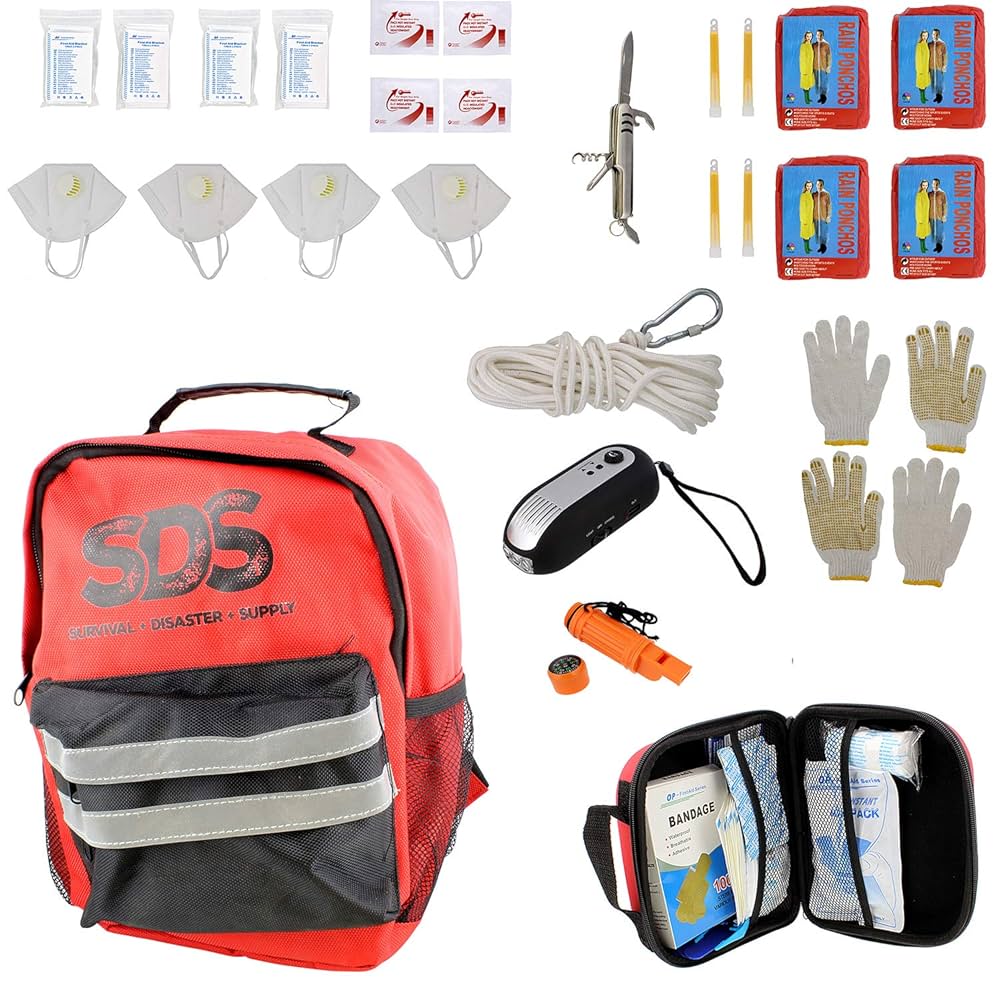
Credit: www.amazon.com
Frequently Asked Questions
What Is Essential In A Volcano Survival Kit?
A volcano survival kit must include a dust mask, goggles, water, and non-perishable food. It should also contain a flashlight, batteries, and a first aid kit. These items help protect against ash, provide basic needs, and ensure safety during an eruption.
How Do Dust Masks Help During Eruptions?
Dust masks protect your lungs from inhaling volcanic ash. Volcanic ash can cause respiratory problems when inhaled. Wearing a dust mask reduces the risk of breathing in harmful particles. It is an essential item in a survival kit for volcanic eruptions.
Why Are Goggles Necessary In A Survival Kit?
Goggles shield your eyes from ash and debris during eruptions. Volcanic ash can irritate and damage your eyes. Wearing goggles prevents eye injuries and ensures better visibility. They are crucial for maintaining eye health in volcanic environments.
How Much Water Should Be In The Kit?
Include at least one gallon of water per person per day. Water is essential for hydration and hygiene during emergencies. Store enough for at least three days to ensure basic needs are met. Proper hydration is crucial for survival in volcanic areas.
Conclusion
A volcano survival kit saves lives during emergencies. Pack water, food, masks, and first aid supplies. Keep important documents and a flashlight ready. Prepare for ash, heat, and possible evacuation. Check your kit regularly to replace old items. Stay calm and use your kit wisely.
Being ready gives you peace of mind. Safety starts with good preparation and smart choices. Don’t wait—start building your volcano survival kit today.