Your survival knife is only as good as its sharpness. When you need it most, a dull blade can slow you down or even put you in danger.
But what if you don’t have a sharpening stone on hand? Don’t worry—you can still get your knife razor-sharp using simple tools around you. You’ll discover easy, effective ways to sharpen your survival knife without a stone. Keep reading, and you’ll never have to struggle with a dull blade again.
Choosing Alternative Tools
Sharpening a survival knife without a stone is possible by choosing the right alternative tools. These tools help restore the blade’s edge in tough outdoor situations. Understanding how to use everyday items can keep your knife effective and ready.
Using Metal Surfaces
Metal surfaces like car hoods, steel pipes, or the back of a screwdriver can sharpen knives. They work by scraping the blade against a hard, rough surface. Use a consistent angle and gentle pressure to avoid damaging the blade. Move the knife edge slowly and evenly across the metal surface. This method can quickly fix dull edges in the field.
Employing Ceramic Items
Ceramic materials, such as coffee mugs or broken plates, offer a smooth sharpening surface. The unglazed bottom part of a ceramic mug is ideal. Drag the blade gently across the ceramic at a 20-degree angle. Repeat on both sides of the blade for even sharpening. This option is safe and effective when stones are not available.
Leveraging Leather Belts
Leather belts can polish and fine-tune a knife edge after rough sharpening. Use a belt with a clean, smooth side. Rub the blade along the leather, maintaining a steady angle. This process removes small burrs and refines the sharpness. Leather works best combined with other rougher sharpening methods.
Prepping Your Knife
Before sharpening a survival knife without a stone, proper preparation is essential. The knife must be clean and stable to work safely and effectively. Prepping your knife ensures better results and reduces the risk of accidents.
Cleaning The Blade
Start by removing dirt and rust from the blade. Use warm water and mild soap to wash it gently. A soft cloth or sponge works well for cleaning. Dry the blade completely with a towel. Any moisture left can cause rust during sharpening. For stubborn spots, use a bit of vinegar or rubbing alcohol. This clears grime and prepares the metal for sharpening.
Securing The Knife Safely
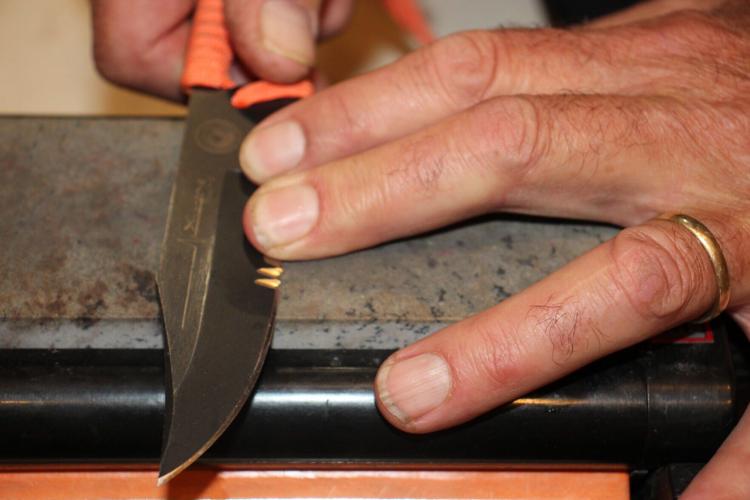
Hold the knife steady before sharpening. Use a clamp or a vise to secure the handle firmly. If these tools are unavailable, wrap the handle with a cloth and hold it on a stable surface. Avoid holding the blade with bare hands to prevent cuts. Stability keeps the blade from slipping. This control improves sharpening precision and safety.
Sharpening Techniques
Sharpening survival knives without a stone requires simple yet effective techniques. These methods help maintain a sharp edge using common items. Practicing these sharpening techniques can keep your knife ready for any task.
Angle Control Tips
Keeping a consistent angle is key to sharpening knives well. Hold the blade at about 20 degrees from the surface. Too steep or too flat angles can dull the edge quickly. Use your fingers to feel the angle and maintain it while sharpening. Small, steady strokes work better than fast, rough movements.
Using A Flat Surface
A flat surface like glass, ceramic, or even a car window can act as a sharpener. Rub the knife blade gently against the surface at the right angle. Move the blade in one direction, not back and forth. Check the edge often to avoid over-sharpening or damaging the blade.
Filing With A Screwdriver
A flat or slightly rounded screwdriver can substitute for a file. Hold the screwdriver steady and run the knife edge along its shaft. Keep the angle steady and use light pressure. Repeat on both sides of the blade evenly. This method works well for quick touch-ups in the wild.

Credit: www.youtube.com
Maintaining Sharpness
Maintaining the sharpness of your survival knife is crucial. A sharp knife ensures safety and efficiency during any outdoor task. There are simple techniques to keep your knife sharp without a stone. Let’s explore some effective methods.
Honing With A Leather Strop
A leather strop helps refine the knife’s edge. It removes minor burrs and aligns the blade. To use, drag the blade across the strop. Use gentle pressure and consistent angles. Repeat until the edge feels sharp to the touch.
Regular Blade Care
Consistent blade care extends the knife’s sharpness. Clean the blade after each use. Remove any dirt or residue. Store in a dry place to prevent rust. Regularly check for any damage. Address any issues immediately for a longer-lasting sharp edge.
Safety Tips During Sharpening
Sharpening a survival knife without a stone requires careful attention to safety. Sharp blades can easily cause injuries if handled carelessly. Taking safety precautions protects your hands and body during the sharpening process. Follow these simple tips to stay safe and sharpen effectively.
Protective Gear
Wear gloves designed for handling sharp tools. They protect your fingers from accidental cuts. Safety glasses prevent metal shards or debris from reaching your eyes. Use a sturdy surface to work on, reducing the chance of slips. Keep a first aid kit nearby for quick treatment of any cuts.
Safe Hand Positions
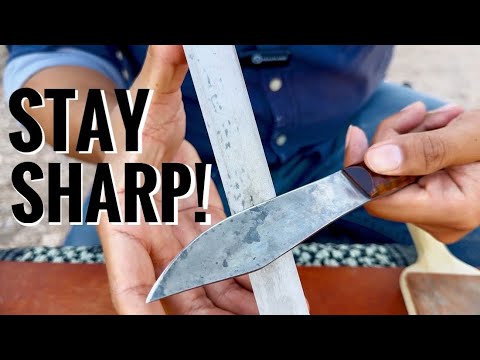
Hold the knife firmly but avoid placing fingers near the blade edge. Keep your non-dominant hand away from the sharpening area. Always pull the knife blade away from your body while sharpening. Use slow and controlled movements to maintain balance and control. Never rush; sharp tools need careful handling to avoid accidents.
Credit: www.youtube.com
Credit: www.idahopress.com
Frequently Asked Questions
How Can I Sharpen A Survival Knife Without A Stone?
You can use alternatives like a ceramic mug edge, sandpaper, or a leather belt. These methods effectively restore sharpness without a traditional sharpening stone.
Is It Safe To Sharpen Knives Without A Sharpening Stone?
Yes, it is safe if done carefully. Use steady pressure and proper angles to avoid damaging the blade or injuring yourself.
What Household Items Work For Knife Sharpening?
Common items include ceramic mug bottoms, glass, sandpaper, and leather belts. These surfaces help realign and sharpen the knife’s edge efficiently.
How Often Should I Sharpen Survival Knives Without A Stone?
Sharpen your knife when you notice dullness or difficulty cutting. Regular maintenance depends on usage but generally after several uses.
Conclusion
Sharpening survival knives without a stone is easy and practical. Use everyday items like metal files, sandpaper, or even ceramic mugs. Keep a steady hand and a consistent angle while sharpening. Regular care keeps your knife sharp and ready for action.
Practice these simple steps to maintain your blade anywhere. A sharp knife improves safety and efficiency in the wild. Remember, patience and practice bring the best results. Stay prepared with these handy sharpening tips. Your survival knife will serve you well without special tools.