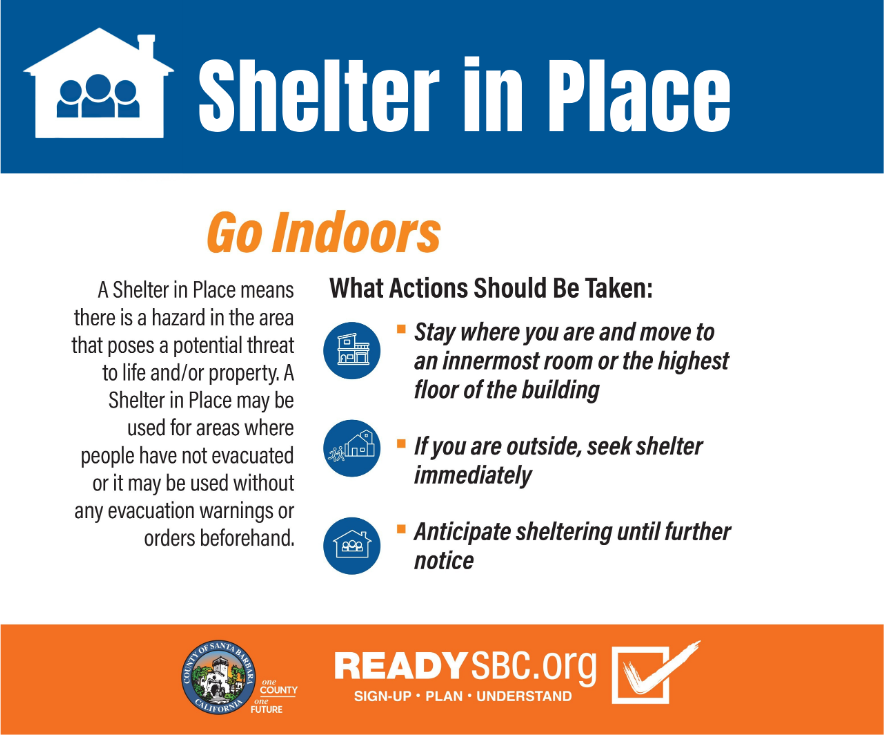
Imagine a situation where stepping outside isn’t an option. You need to stay safe, calm, and prepared right where you are.
How do you make sure you survive shelter in place without panic or confusion? This guide is here to help you take control and protect yourself and your loved ones. Keep reading, and you’ll discover simple, practical steps that can make all the difference when every moment counts.
Your safety starts with what you do now.

Credit: trueprepper.com
Preparing Your Shelter
Preparing your shelter is crucial for enduring a shelter-in-place situation safely and comfortably. The right setup can protect you from external dangers and keep essential resources within reach. Paying attention to location, security, and air quality will make a big difference in how well you hold up during uncertain times.
Choosing The Right Location
Pick a spot inside your home that is away from windows and exterior walls to minimize exposure to hazards like broken glass or debris. Basements are often ideal because they provide added protection and maintain a stable temperature. If you don’t have a basement, choose an interior room with few or no windows, such as a bathroom or closet.
Think about how much space you need. Can you comfortably fit everyone who will be sheltering in place? Also, consider access to your emergency supplies and bathroom facilities. Would you be able to stay there for several days if necessary?
Securing Entry Points
Windows and doors are the most vulnerable parts of your shelter. Reinforce them using materials like plywood or heavy-duty plastic sheeting. If you have storm shutters, now is the time to use them.
Don’t forget to check locks and latches; they should be sturdy and easy to operate in case you need to leave quickly. If you have pets, ensure their access points are secure too. A well-secured shelter reduces the risk of intrusion and keeps you feeling safer.
Setting Up Ventilation
Good airflow is essential to avoid stuffiness and maintain oxygen levels inside your shelter. Avoid sealing your space completely airtight—it’s important to allow fresh air in while keeping contaminants out.
You can create a simple ventilation system by slightly opening windows covered with fine mesh to keep bugs and dust out. If you’re worried about outdoor pollutants, consider using an air purifier with a HEPA filter. Have you tested your ventilation setup before an emergency? It can reveal potential problems you might not expect.

Credit: trueprepper.com
Stocking Essential Supplies
Stocking essential supplies is your first line of defense when you need to shelter in place. Having the right items on hand can make a significant difference in your comfort and safety. Think about what you really need to survive without leaving your home for days or even weeks.
Food And Water Storage
Start by storing enough non-perishable food to last at least two weeks. Choose items like canned vegetables, beans, rice, pasta, and ready-to-eat meals. Don’t forget snacks like nuts and dried fruits to keep your energy up.
Water is even more critical. Store at least one gallon per person per day. Consider water purification tablets or a portable filter in case your supply runs low. Have a system to rotate your stock regularly so nothing expires unnoticed.
Medical Kits And Hygiene
A well-stocked medical kit can save you from minor injuries turning into serious problems. Include bandages, antiseptics, pain relievers, and any prescription medications you or your family need. Add items like allergy medicine and a thermometer.
Hygiene often gets overlooked but is essential for your health. Stock up on soap, hand sanitizer, toothpaste, and feminine hygiene products. Toilet paper and wet wipes are must-haves, too. Think about how you’ll manage waste if utilities are disrupted.
Tools And Equipment
Tools can help solve unexpected problems during shelter in place. Keep a flashlight with extra batteries, a multi-tool, and a manual can opener nearby. A battery-powered or hand-crank radio can keep you informed during emergencies.
Other useful items include duct tape, plastic sheeting, and matches or a lighter. These can help you seal windows or start a fire if needed. What tools do you already have around your home that could double as emergency gear?
Establishing Communication
Staying connected during a shelter-in-place situation is crucial. Communication keeps you informed, reassures loved ones, and helps coordinate any necessary actions. Without clear communication, confusion and panic can easily take over.
Emergency Contact List
Create a list of essential contacts before any emergency happens. Include family members, close friends, neighbors, and local emergency services.
- Write down phone numbers and addresses.
- Keep a paper copy in your shelter kit—phones can fail.
- Update the list regularly to avoid outdated information.
Have you ever tried calling someone only to realize their number changed months ago? That’s why having an up-to-date contact list on hand can save precious time and stress.
Using Radios And Phones
Phones are your go-to tools, but they can get overwhelmed during emergencies. Consider having a battery-powered or hand-crank radio to receive news if cell networks go down.
Walkie-talkies or two-way radios work well if you need to communicate within a short range, like between rooms or nearby shelters.
- Test all devices regularly to ensure they work.
- Keep extra batteries or charging options ready.
- Learn basic radio communication protocols to avoid confusion.
Remember, technology can fail. How prepared are you if your phone suddenly stops working?
Staying Updated
Information changes fast during emergencies. Rely on official sources like local government websites, emergency alert apps, or trusted news stations.
Set your phone to receive emergency alerts automatically. This ensures you get timely warnings without searching for updates yourself.
- Limit your news intake to prevent overload and anxiety.
- Share verified updates with your household to keep everyone informed.
- Be cautious of rumors—false information can be dangerous.
How do you decide which information to trust when every update seems urgent? Staying calm and verifying sources is your best defense.
Maintaining Health And Safety
Maintaining your health and safety during a shelter in place situation is crucial for both your physical well-being and peace of mind. Staying clean, managing stress, and preventing illness can make a big difference in how you feel day to day. These efforts help you stay strong and ready to handle whatever comes next.
Personal Hygiene Practices
Keeping up with personal hygiene is more important than ever when you’re stuck indoors. Wash your hands frequently with soap and water for at least 20 seconds, especially after touching shared surfaces or before eating.
Showering regularly and changing into clean clothes can also help you feel fresh and maintain a sense of normalcy. Don’t forget to clean your living space—disinfect doorknobs, countertops, and phones often to reduce germs.
Managing Stress And Mental Health
Stress can build quickly when your usual routines are disrupted. Try simple breathing exercises or short meditation sessions to calm your mind. Even a few minutes a day can improve your focus and reduce anxiety.
Stay connected with friends or family through calls or video chats. Social interaction, even virtual, can lift your mood and remind you that you’re not alone. What small habit can you add today that will help you relax?
Preventing Illness
Good nutrition supports your immune system, so aim to eat balanced meals with plenty of fruits and vegetables. Stay hydrated by drinking enough water throughout the day.
Getting enough sleep is just as important—your body needs rest to fight off illness. If you start feeling unwell, isolate yourself from others in your household and monitor your symptoms carefully.
Planning For Emergencies
Planning for emergencies is a key step in surviving shelter in place. It helps you stay calm and act quickly during unexpected events. Preparing ahead gives you control and safety in tough situations.
Emergency plans should cover different scenarios. Think about how to leave safely, protect your home from fire, and handle power outages. Each plan must be simple and clear for everyone in the household.
Evacuation Strategies
Know all possible exits from your home. Mark safe routes and meeting points outside. Practice quick evacuations with family members. Pack an emergency kit with essentials like water, food, and important documents.
- Plan at least two escape routes from every room
- Choose a safe outdoor meeting place
- Keep emergency bags ready and accessible
- Inform all family members about the plan
Fire Safety Measures
Fire can spread fast. Install smoke detectors on every floor. Test alarms monthly and change batteries yearly. Keep fire extinguishers in key areas like the kitchen and garage. Teach everyone how to use them safely.
- Clear flammable materials away from heat sources
- Have a fire escape plan and practice it regularly
- Never leave cooking unattended
- Know how to call emergency services quickly
Dealing With Power Outages
Power outages can last hours or days. Store flashlights and extra batteries in easy spots. Charge phones and power banks fully before emergencies. Keep non-perishable food and water stocked. Stay informed with a battery-powered radio.
- Unplug appliances to avoid damage from surges
- Use candles carefully to prevent fires
- Keep warm clothes and blankets ready
- Have a plan for medical devices needing power

Credit: www.youtube.com
Managing Daily Life
Managing daily life during a shelter-in-place period can feel overwhelming. Your usual routines are disrupted, and it’s easy to lose track of time and priorities. However, creating structure and finding meaningful ways to spend your day can make a significant difference in your mental and physical well-being.
Organizing Tasks And Responsibilities
Start by listing out the essential tasks that need your attention each day. Break them into small, manageable pieces so they don’t feel daunting.
- Set specific times for chores, work, and breaks to keep your day balanced.
- Use a planner or a simple checklist app to track your progress and stay motivated.
- Delegate tasks if you’re sheltering with others—sharing responsibilities lightens the load.
Have you noticed how ticking off even minor tasks boosts your mood? That little sense of accomplishment can keep you moving forward.
Keeping Occupied
Finding ways to stay engaged is crucial to prevent boredom and anxiety. Mix activities that stimulate your mind, body, and creativity.
- Try new hobbies like cooking a recipe you’ve never made or starting a DIY project.
- Schedule daily exercise—even short walks or stretching can increase your energy.
- Read books, listen to podcasts, or watch documentaries that interest you.
What’s one activity you’ve always wanted to try but never had the time for? Now might be the perfect moment to start.
Maintaining Cleanliness
Keeping your living space clean can improve your mood and reduce stress. It also helps prevent the spread of germs, especially important during a shelter-in-place.
- Establish a daily cleaning routine for common areas like the kitchen and bathroom.
- Disinfect high-touch surfaces regularly, such as doorknobs, switches, and phones.
- Don’t forget to tidy your personal space—it’s easier to focus when your environment is organized.
Have you ever noticed how a clean room can clear your mind? Even small efforts in cleanliness can create a sense of control in uncertain times.
Frequently Asked Questions
What Essentials Should I Prepare For Shelter In Place?
Prepare water, non-perishable food, medications, and first aid supplies. Include flashlights, batteries, and hygiene products. Keep important documents handy. These essentials ensure safety and comfort during emergencies.
How Long Can I Safely Shelter In Place?
You can shelter in place for 24 to 72 hours safely. This depends on the emergency type and your supplies. Always monitor updates and plan to extend your stay if needed.
How Do I Communicate During Shelter In Place?
Use a charged phone, battery-powered radio, or walkie-talkies. Limit phone use to save battery. Inform family or authorities about your status when possible.
What Safety Measures Should I Follow Indoors?
Stay away from windows and doors during hazards. Seal vents and gaps to prevent contamination. Follow official instructions and keep emergency supplies nearby.
Conclusion
Staying safe during shelter in place takes calm and clear steps. Keep essentials close and stay informed through trusted sources. Stay busy with simple activities to keep your mind calm. Check on family or neighbors when you can. Remember, this time will pass.
Prepare well, stay patient, and follow safety rules. Your health and peace matter most. You can handle this.


