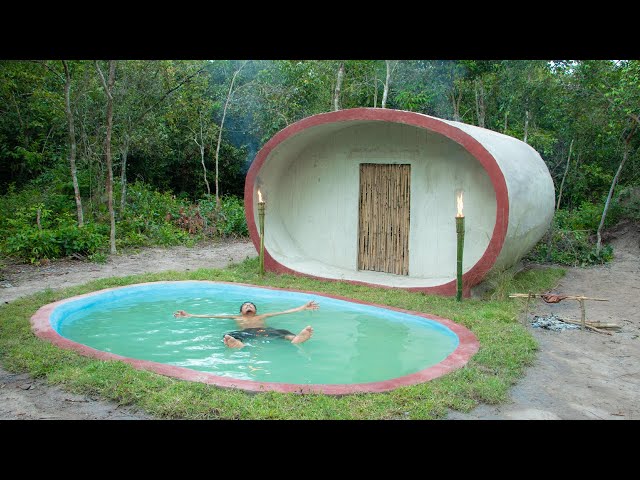
Imagine having a safe place ready for you and your loved ones when disaster strikes. What if your backyard swimming pool could become that shelter?
You might not have thought about it before, but turning your pool into a survival shelter is easier than you think. You’ll discover simple, practical steps to transform your pool into a secure refuge. By the end, you’ll have a powerful plan that could make all the difference in an emergency.
Keep reading to learn how to protect yourself using what’s already right outside your door.

Credit: m.youtube.com
Choosing The Right Pool
Choosing the right pool is the foundation of turning it into a survival shelter. Not every pool is suited for this purpose, so you need to evaluate your options carefully. The type, strength, and location of the pool will directly affect its effectiveness as a secure refuge.
Above Ground Vs Inground Pools
Above ground pools are easier to modify since you can access the sides and bottom without heavy equipment. Their walls can be reinforced or insulated more straightforwardly. However, they may lack the natural protection that inground pools offer due to being more exposed.
Inground pools are often deeper and sturdier, providing better shelter against external threats like storms or intruders. Their solid concrete or gunite walls offer excellent protection but can be harder to customize. Consider if you have the tools and skills to adapt an inground pool for survival needs.
Assessing Structural Integrity
Look closely at the pool’s current condition. Cracks, rust, or weak points can turn into major hazards during an emergency. You want a structure that holds firm under pressure and won’t fail when you need it most.
Ask yourself: Can the pool walls support additional weight or protective layers? Is the floor stable enough to build on or cover? If you notice signs of wear, plan for repairs or reinforcements before making it your shelter.
Location And Accessibility
Where the pool sits on your property matters a lot. Ideally, it should be in a spot that’s easy to reach but not visible from the street to avoid unwanted attention. Accessibility also means checking how quickly you can get inside during an emergency.
Think about entry and exit points. Does the pool have ladders or steps that you can secure or modify? Is there enough space around it for storing supplies or setting up emergency gear? Your survival shelter should be both safe and practical.
Preparing The Pool Area
Preparing the pool area is the first step to turn a swimming pool into a survival shelter. It creates a safe and organized space for shelter setup. Careful preparation helps protect against dangers and improves comfort.
Clearing Debris And Cleaning
Remove leaves, dirt, and trash from the pool and surrounding area. Clear the pool deck to prevent slips and trips. Clean the water if you plan to use it for drinking or hygiene. Use a net or pool vacuum for thorough cleaning. Keep the area dry to avoid mold and pests.
Securing Pool Access Points
Lock or block pool gates and ladders to prevent unwanted entry. Use sturdy covers or barriers over drains and filtration systems. Check fences and walls for weak spots. Reinforce weak areas with wood or metal. Secure access points to keep animals and intruders out.
Creating Entry And Exit Routes
Plan clear paths for quick entry and exit from the pool area. Remove obstacles like garden tools or furniture. Mark routes with bright tape or lights for visibility at night. Ensure multiple exit points in case of emergency. Keep routes wide enough for carrying supplies or injured people.
Waterproofing And Insulation
Waterproofing and insulation are vital for turning a swimming pool into a safe shelter. These steps keep the space dry and comfortable. Proper sealing stops leaks and water seepage. Insulation controls temperature and reduces dampness. Together, they create a livable environment underground.
Sealing Pool Walls And Floor
Start by cleaning the pool surface thoroughly. Use a waterproof sealant designed for concrete or tile. Apply the sealant evenly on walls and floor. Check for cracks or holes and fill them with patching material. Multiple coats may be necessary for full protection. This prevents water from entering the shelter.
Adding Insulation Materials
Choose insulation that resists moisture and retains heat. Foam boards or spray foam work well for pool interiors. Attach insulation panels securely to walls and floor. Cover insulation with a vapor barrier for extra protection. This helps maintain a stable temperature inside. Insulation also reduces energy needs if heating is used.
Preventing Moisture Build-up
Install a ventilation system to allow air circulation. Use a dehumidifier if the shelter feels damp. Place moisture absorbers in corners to trap excess water. Regularly check for mold or mildew signs. Keep the shelter clean and dry to avoid damage. Proper moisture control ensures a healthy living space.
Building Shelter Infrastructure
Building shelter infrastructure in a swimming pool transforms it into a safe, livable space. The pool basin provides a strong foundation, but you need to add key elements to make it functional. Focus on creating a roof, ensuring proper air flow, and dividing the interior for comfort and organization. These steps protect against weather and improve usability for long-term survival.
Constructing A Roof Cover
A roof cover keeps rain, debris, and sunlight out of the shelter. Use waterproof materials like tarps, metal sheets, or wooden panels. Secure the cover to the pool edges or nearby structures with ropes or nails. Make it slightly sloped to allow water runoff and prevent pooling.
Consider adding insulation under the roof to keep the temperature stable. Lightweight frames made from PVC pipes or wood can support the roof without heavy tools. A solid roof improves safety and comfort inside the shelter.
Installing Ventilation Systems
Good ventilation prevents moisture buildup and keeps air fresh. Install vents near the top and bottom of the shelter for natural airflow. Simple vents can be made using mesh screens covered with plastic flaps to block rain.
Use small battery-powered fans for air circulation if power is available. Keep vents clear of debris and check them often. Proper airflow reduces mold risk and supplies fresh oxygen inside the pool shelter.
Setting Up Interior Divisions
Dividing the pool interior creates separate areas for sleeping, storage, and cooking. Use lightweight, movable walls made from fabric, plywood, or plastic sheets. Arrange divisions to maximize space and privacy.
Add shelves or hooks on walls to organize supplies. Clear pathways between sections help movement and safety. Interior divisions make the shelter more livable and organized for long stays.
Establishing Water Supply
Establishing a reliable water supply is crucial when converting your swimming pool into a survival shelter. Water is essential not only for drinking but also for hygiene and basic cooking needs. Knowing how to manage and maintain a clean water source can make all the difference in an emergency situation.
Filtering Pool Water
Pool water often contains chemicals like chlorine and debris, so it needs proper filtering before use. Start by removing leaves and dirt with a net or skimmer. Then, use a portable water filter or boil the water to kill harmful bacteria.
You can also add activated charcoal to help absorb contaminants. Remember, filtering alone might not remove all chemical residues, so treat the water further if possible. Have you checked your pool’s filtration system recently? It might serve as a first line of defense in purifying water.
Collecting Rainwater
Rainwater collection can supplement your pool water supply and provide fresher drinking water. Set up gutters or tarps around your shelter to direct rainwater into clean containers. Use food-grade barrels or buckets with lids to keep the water safe from contamination.
Make sure to position collection points away from any pollutants like roofs treated with chemicals. Do you have space to install simple rain catchment systems? Even a small setup can produce enough water to keep you hydrated.
Storing Drinking Water
Safe water storage is as important as collecting and filtering it. Use clean, airtight containers to prevent bacteria and algae growth. Store water in a cool, dark place to maintain freshness for longer periods.
Label your containers with the date of collection and rotate them regularly to avoid stale water. What containers do you have on hand that could be repurposed for water storage? Planning this ahead can save you from scrambling during a crisis.
Food Storage And Preparation
Food storage and preparation are vital when converting a swimming pool into a survival shelter. Keeping food safe and accessible ensures energy and health. Planning storage and cooking zones helps maintain order and hygiene.
Creating Storage Spaces
Use the pool’s dry, shaded areas for food storage. Elevated shelves keep supplies off damp floors. Waterproof containers protect food from moisture and pests. Group similar items for quick access.
- Seal dry goods in airtight bins
- Store canned foods in stackable crates
- Use mesh bags for vegetables and fruits
Setting Up Cooking Areas
Choose a well-ventilated corner near the pool edge. Set a sturdy table for food prep. Keep fire sources away from flammable materials. Use portable stoves or grills for flexibility.
- Place a water container for cleaning nearby
- Keep utensils and cookware organized
- Ensure a safe path to the cooking zone
Preserving Food Safely
Cool storage is key for perishables. Use ice or coolers if electricity is unavailable. Dry foods last longer in low humidity areas. Rotate supplies to use older items first.
- Wrap meats tightly before freezing or cooking
- Use salt or smoke to preserve fish and meat
- Keep dry herbs and grains sealed and dry
Lighting And Power Solutions
Lighting and power are essential for any survival shelter. A swimming pool shelter needs reliable light sources and power options. This ensures safety and comfort during dark hours. It also helps maintain communication and charge devices. Choose solutions that work without regular electricity.
Using Solar Lights
Solar lights are a smart choice for survival shelters. They charge during the day using sunlight. At night, they provide steady illumination. Solar lights do not need wiring or fuel. They are easy to install around the pool area. Use solar lanterns, string lights, or spotlights to brighten key spots.
Installing Battery-powered Devices
Battery-powered lights and gadgets offer flexibility. They work during power outages without extra setup. Keep plenty of spare batteries on hand. LED flashlights and headlamps are useful for quick tasks. Battery-operated fans and radios improve comfort and communication. Store devices in waterproof containers to avoid damage.
Emergency Power Options
Backup power sources add security to your shelter. Portable generators provide strong power but need fuel. Keep fuel stored safely and away from the shelter. Hand-crank chargers can power small devices without fuel. Power banks are compact and can charge phones and radios. Consider a combination of options for best results.
Safety And Security Measures
Transforming your swimming pool into a survival shelter means prioritizing safety and security at every step. Without solid protection, your shelter can become vulnerable to threats—both natural and human. Ensuring your shelter can withstand potential risks keeps you and your loved ones safe and gives you peace of mind.
Reinforcing Shelter Walls
The walls of your pool shelter need to be strong enough to resist intruders and harsh weather. Adding plywood or metal sheets around the pool’s perimeter can provide a durable barrier. Consider attaching these reinforcements securely with bolts or heavy-duty screws rather than nails to prevent easy removal.
Don’t forget about waterproofing. Applying sealant or waterproof paint will protect the walls from moisture damage. This not only extends the life of your shelter but also helps maintain a dry, comfortable environment inside.
Setting Up Alarms And Barriers
Alert systems are critical for detecting and deterring unwanted visitors. Installing motion sensors around the pool area can give you early warnings of movement. Pair these with loud alarms or flashing lights to startle intruders and alert you immediately.
Physical barriers add another layer of security. Use fencing or locked gates at the pool’s access points. If possible, position thorny bushes or dense plants nearby to discourage approach without making escape difficult.
Emergency Escape Plans
Your shelter should never be a trap. Identify multiple exit routes in case you need to leave quickly. If the pool cover is sturdy, create a hidden hatch or removable panel that allows fast evacuation.
Practice your escape plan regularly. Time yourself to see how quickly you and your family can get out. This will reveal any obstacles you might have missed and improve your readiness.
Maintaining The Shelter
Maintaining a swimming pool turned survival shelter is vital for long-term safety and comfort. Regular care keeps the space clean, secure, and well-stocked. Neglect can lead to hazards and reduce the shelter’s effectiveness.
Regular Cleaning Routines
Keep the shelter free from dirt and debris to prevent illness. Clean floors, walls, and any surfaces often. Remove standing water to avoid mold and pests. Use simple cleaning tools and safe disinfectants. Ensure proper ventilation during cleaning tasks.
Inspecting Structural Integrity
Check walls and pool lining for cracks or damage. Look for signs of water leaks or wear. Examine any support beams or added structures for stability. Repair small issues quickly to avoid bigger problems. Use a flashlight for thorough inspections in dark areas.
Updating Supplies And Equipment
Regularly review stored food, water, and medical kits. Replace expired or damaged items promptly. Check batteries, tools, and lighting devices for functionality. Keep equipment organized for easy access during emergencies. Add new supplies based on changing needs or conditions.

Credit: www.youtube.com

Credit: www.youtube.com
Frequently Asked Questions
How Can I Waterproof A Swimming Pool Shelter?
Apply a high-quality waterproof sealant to the pool walls and floor. Use heavy-duty tarps to cover openings. Ensure all seams are tightly sealed to prevent water leakage and moisture buildup inside the shelter.
What Supplies Are Essential For Pool Survival Shelters?
Stock the shelter with clean water, non-perishable food, first aid kits, and emergency tools. Include blankets, flashlights, and communication devices. These supplies ensure safety, comfort, and preparedness during emergencies.
How Do I Ventilate A Swimming Pool Shelter Safely?
Install vents or small windows covered with mesh to allow airflow. Avoid large openings that compromise safety. Proper ventilation prevents mold, controls humidity, and ensures fresh air circulation inside the shelter.
Is A Swimming Pool Shelter Safe During Extreme Weather?
Yes, if properly reinforced and waterproofed, a pool shelter can withstand storms. Add structural support and secure all entries. It offers protection from wind, rain, and debris during severe weather events.
Conclusion
Turning a swimming pool into a survival shelter can save lives. It offers protection from weather and keeps you safe. Simple steps make this transformation easy and quick. Always prepare ahead for unexpected emergencies. This shelter can provide comfort and security in tough times.
Stay calm and use your resources wisely. Your pool can become a stronghold when needed most. Think smart, act fast, and stay safe.


